No single schedule fits every car. Haynes suggests weekly fluid and tire checks and an oil change every 7,500 miles or 6 months, while your manufacturer’s manual sets the intervals that count for your warranty. Use the tables below as a baseline, and replace their numbers with the ones in your owner’s manual.
What should you check, and when, according to Haynes?
Haynes calls its schedule a recommended minimum for a car driven daily, and says it is often shorter than manufacturers’ intervals. Each row includes the rows above it.
| Interval | What to do (Haynes) |
|---|---|
| Every 250 miles or weekly | Check the engine oil, coolant, washer fluid and brake fluid levels; check the tires and tire pressures (see tire pressure) |
| Every 3,000 miles or 3 months | Also check the power steering and automatic transmission fluid levels |
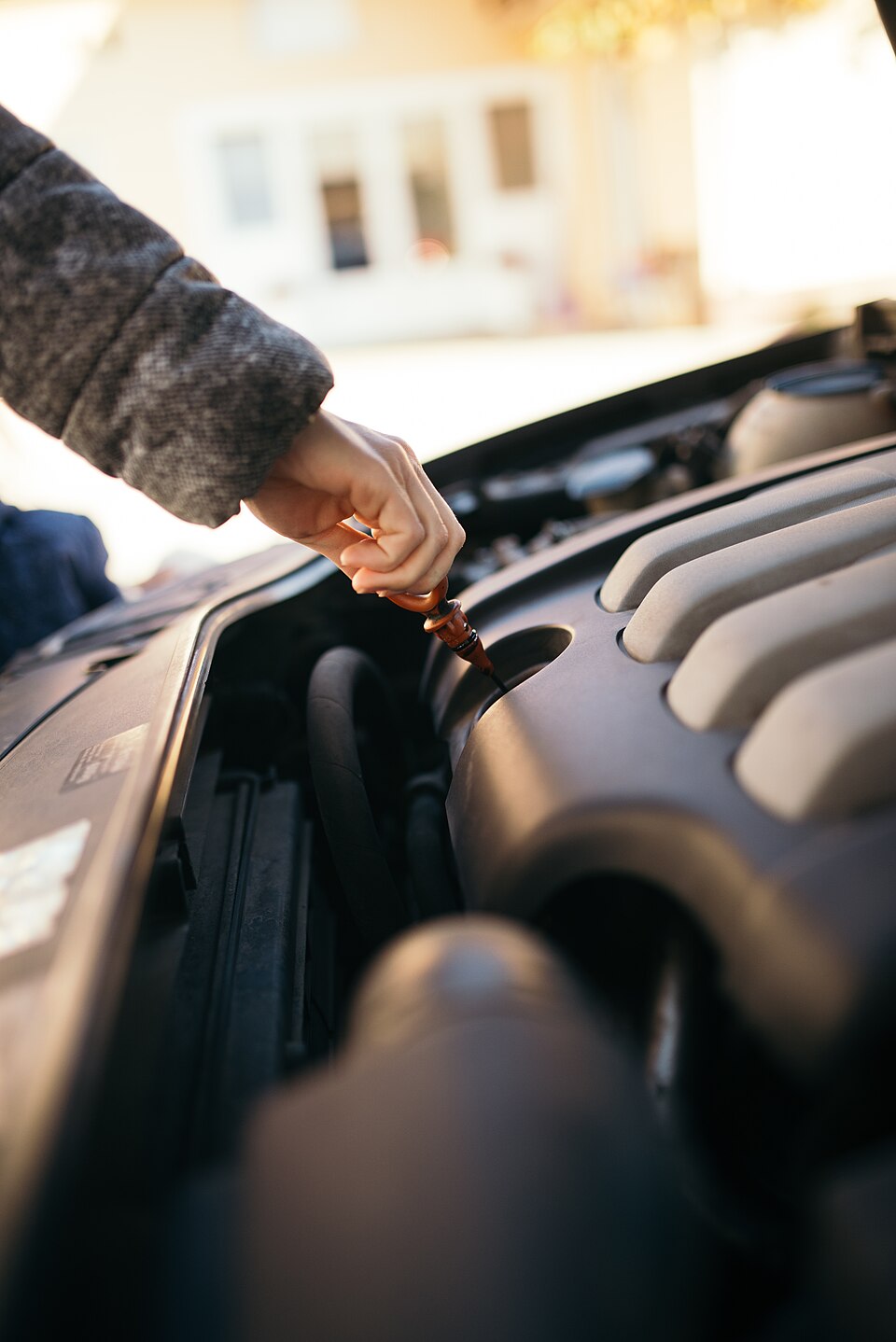
| Every 7,500 miles or 6 months | Also change the engine oil and filter (how to), rotate the tires (tire rotation), inspect the wiper blades, under-hood hoses and cooling system |
| Every 15,000 miles or 12 months | Also check the battery and clean the terminals (battery test), lug nut tightness, fuel and brake systems (brake maintenance), anti-freeze concentration, exhaust, air filter (engine air filter), accessory belt, brake and fuel lines, seat belts |
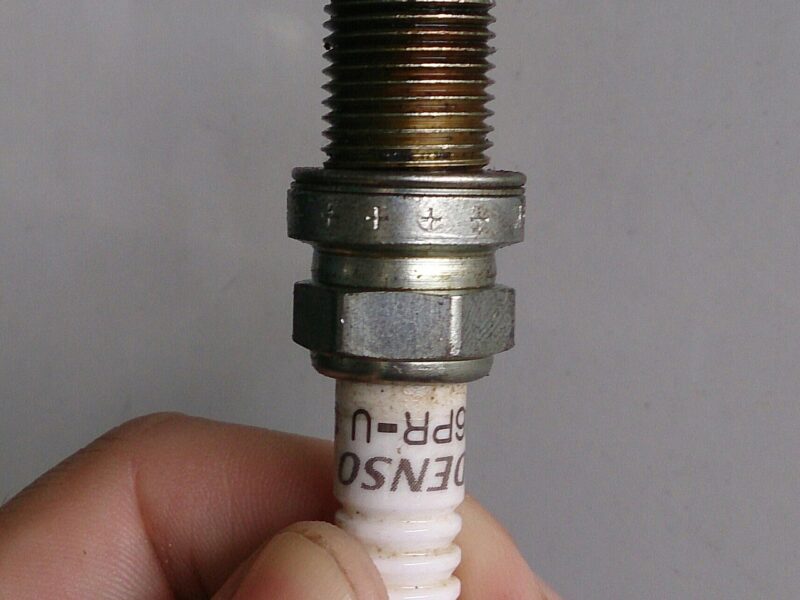
| Every 30,000 miles or 30 months | Also change the brake fluid (how often to change brake fluid), check or change the transmission fluid and filter, renew the coolant, replace the air filter and cabin filter (cabin air filter), check steering, suspension and axle boots, replace the spark plugs (spark plugs) |
| Every 48,000 miles or 40 months | Renew the timing belt, if the car has one |
| Every 60,000 miles or 48 months | Also inspect or replace the spark plug wires and change the differential oil |
What does a manufacturer’s own schedule look like?
As an example of a manual, the 2025 Hyundai Tucson owner’s manual lists what the owner should check by frequency. That page lists checks, not part-replacement intervals, which sit in a separate scheduled-maintenance section. Your car’s manual will differ.
| When | What the owner checks (2025 Hyundai Tucson manual) |
|---|---|
| When you stop for fuel | Coolant level in the reservoir, washer fluid level, low or under-inflated tires |
| While driving | Changes in exhaust sound or smell, steering vibration or looseness, the car pulling to one side, brake pedal feel and noises, transmission slipping, fluid leaks under the car |
| At least monthly | Coolant level, all exterior lights, tire pressures including the spare and signs of wear, loose wheel lug nuts |
| At least twice a year | Radiator, heater and AC hoses, wipers and washer spray, headlight alignment, muffler and exhaust, seat belts |
| At least once a year | Body and door drain holes, hinge and lock lubrication, AC system, transmission linkage, battery and terminals, brake fluid level |
Where do the sources disagree on intervals?
Intervals are where drivers most often disagree, and the sources we read do not agree:
- Coolant: Haynes renews it at 30,000 miles or 30 months; the AA says that, if your manual is silent, every 5 years or 100,000 miles, whichever comes first, is widely recommended (see car heater not blowing hot air).
- Spark plugs: Haynes replaces them at 30,000 miles or 30 months. Samarins says a tune-up is needed every 60,000-80,000 miles and that modern cars need one less often (see P0300 misfire code).
We do not choose between them. The owner’s manual of your own car is the reference, especially for anything under warranty.
What changes for harder use?
Haynes says that if you drive off-road, tow a trailer, idle or drive at low speeds for long periods, or take short trips (under four miles at a time) in freezing weather, even shorter intervals are recommended.
Why follow a maintenance schedule at all?
Haynes says routine checks can prevent expensive repairs (for example, spotting a low coolant level early), reduce the risk of accidents because brakes, tires and fluid systems are critical to safe driving, and help the car run more smoothly and use less fuel. It also says an oil change drastically slows engine wear.
Frequently asked questions
How often should I service my car?
Haynes’ minimum for a daily-driven car is an oil change every 7,500 miles or 6 months, with a wider check each 15,000 miles or 12 months. Your manual may differ.
Is the Haynes schedule the same as my manufacturer’s schedule?
Not necessarily. Haynes calls its schedule a recommended minimum, often shorter than manufacturers’. Use the owner’s manual for warranty and exact intervals.
What should I check every week?
Haynes says the engine oil, coolant, washer fluid and brake fluid levels, plus the tires and tire pressures. The Hyundai manual puts coolant, washer fluid and tires at every fuel stop.
What is the most important check?
Haynes says fluids and tires are the weekly basics, and that brakes, tires and fluids are critical to safety.
Sources
- Haynes, “Complete car maintenance schedule from Haynes Manuals: what to check & when” (May 2025).
- Hyundai, 2025 Tucson owner’s manual, “Owner maintenance schedule”.
- The AA (UK), “Why is my car heater not working?” (coolant interval) and Samarins.com, “P0300-P0308” (tune-up interval).
We give no repair costs, because none of these sources prices maintenance for U.S. cars.