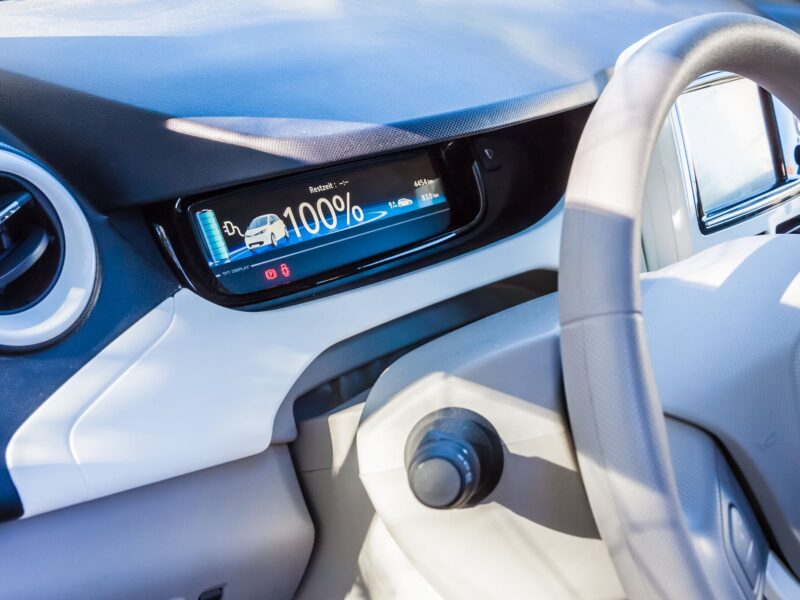
Electric vehicle (EV) batteries are engineered for robust durability, with most designed to last a significant portion of the vehicle’s lifespan, typically ranging from 8 to 10 years or approximately 100,000 miles, often exceeding the average car ownership period. This extensive longevity is backed by comprehensive manufacturer warranties and is influenced by a combination of technological advancements, driving habits, charging practices, and environmental conditions. Understanding these factors and adopting proactive maintenance strategies can substantially extend an EV battery’s operational life and maintain its performance over time.
What is the Expected Lifespan of an EV Battery?
The expected lifespan of an electric vehicle battery is a critical consideration for current and prospective EV owners, largely defined by both manufacturers’ warranties and real-world performance data. Most EV batteries are designed to remain effective for 8 to 10 years, or to cover approximately 100,000 miles, whichever comes first. This benchmark is a strong indicator of their inherent durability and technological resilience, often surpassing the typical duration an individual owns a traditional gasoline-powered vehicle.
Manufacturers provide robust warranties for their EV batteries, typically guaranteeing coverage for potential issues over an 8 to 10-year period or up to 100,000 miles. This warranty coverage is a testament to the confidence manufacturers have in their battery technology and offers a crucial safety net for consumers, protecting against premature degradation or complete failure. While the warranty covers significant capacity loss, actual battery life often extends well beyond these guaranteed parameters with proper care.
It’s important to differentiate between battery lifespan and the useful life of the vehicle itself. While the battery is a core component, its design typically ensures it outlasts the average ownership period of a car. This means that a well-maintained EV battery can continue to deliver reliable performance for many years, even if the vehicle changes hands, contributing to the long-term value and sustainability of electric transportation.
Factors such as the battery’s specific chemistry, the vehicle’s thermal management system, and the owner’s driving and charging behaviors play significant roles in determining where an individual battery’s lifespan falls within or beyond these averages. While the 8-10 year / 100,000-mile guideline is a strong baseline, practical experience shows that many EV batteries continue to perform capably long after these milestones.
Key Factors Influencing EV Battery Longevity
Several critical factors directly impact how long an EV battery maintains its optimal capacity and performance. Understanding these elements is essential for implementing effective strategies for battery preservation. These include temperature management, charging habits, and the intrinsic chemistry of the battery itself. Each of these components contributes uniquely to the rate of battery degradation over time.
Effective temperature management is paramount for preserving EV battery health. Batteries perform optimally within a specific temperature range, typically between 20°C and 25°C (68°F to 77°F). Operating outside this sweet spot, especially in extreme heat or cold, can significantly accelerate the battery’s degradation rate. Modern EVs incorporate sophisticated thermal management systems, such as liquid cooling, to regulate battery temperature and mitigate these risks.
Charging practices also play a pivotal role in battery longevity. While convenient, frequent reliance on DC fast chargers, compared to standard AC charging, can introduce higher thermal stress and accelerate degradation over the long term. Similarly, the depth of discharge (DoD) – how much of the battery’s capacity is used before recharging – significantly influences cycle life. Regularly draining the battery to very low states of charge (e.g., below 20%) and then fully charging it (to 100%) can put more strain on the battery cells than maintaining a charge within the 20-80% range.
The specific chemistry of an EV battery also dictates its inherent longevity characteristics. For example, Lithium Iron Phosphate (LFP) batteries generally offer more charge cycles and greater thermal stability compared to Nickel Manganese Cobalt (NMC) batteries, albeit often with a slightly lower energy density. Each chemistry presents a different balance of performance, cost, and lifespan, influencing overall durability. Understanding these distinctions is crucial for a complete picture of battery health and effective care strategies.
Temperature Management and Its Impact on Degradation
Temperature is one of the most critical environmental factors affecting the lifespan and performance of an EV battery. Batteries operate most efficiently and experience the least degradation when maintained within a specific optimal temperature range, generally between 20°C and 25°C (68°F to 77°F). This sweet spot minimizes chemical reactions that lead to wear and tear within the battery cells.
Exposure to extreme temperatures, whether very high or very low, significantly increases the rate of battery degradation. Prolonged operation or storage in hot climates (above 30°C/86°F) can accelerate the breakdown of internal battery components, leading to a permanent reduction in capacity. Conversely, very cold temperatures (below 0°C/32°F) can temporarily reduce power output and charging efficiency, and while less impactful on long-term degradation than heat, repeated exposure can still contribute to overall battery stress.
To combat these thermal challenges, modern electric vehicles are equipped with advanced thermal management systems. These systems often utilize liquid cooling or heating elements to maintain the battery pack within its ideal temperature range, regardless of external conditions or driving demands. For example, during fast charging, the system actively cools the battery to prevent overheating, while in cold weather, it can pre-condition the battery to optimize charging and driving performance. Proper functioning of these systems is key to maximizing battery longevity, as highlighted in Maximize Your Electric Vehicle Battery Life.
Owners can also contribute to effective temperature management by parking their EVs in shaded areas during hot weather or in garages during extreme cold. Minimizing exposure to direct sunlight and avoiding leaving the vehicle for extended periods in harsh conditions can reduce the workload on the vehicle’s thermal management system and help preserve battery capacity over many years.
Charging Habits: AC vs. DC Fast Charging and Depth of Discharge
The way an EV battery is charged profoundly impacts its long-term health and degradation rate. Different charging methods, specifically alternating current (AC) and direct current (DC) fast charging, exert varying levels of stress on the battery cells. Understanding the implications of each, alongside the concept of depth of discharge (DoD), is crucial for maximizing longevity.
AC charging, typically used at home or public Level 2 stations, delivers power at a slower rate, generating less heat within the battery pack. This gentler charging process is generally considered healthier for the battery over its lifespan. DC fast charging, while incredibly convenient for long-distance travel, delivers high power rapidly, which can lead to increased internal temperatures and, if used very frequently, may accelerate degradation compared to predominant AC charging. While occasional DC fast charging is not detrimental, relying on it as a primary charging method day-to-day can contribute to faster capacity loss over time.
The depth of discharge (DoD) refers to the percentage of the battery’s capacity that has been used before it is recharged. For instance, draining a battery from 100% to 20% represents an 80% DoD. Generally, shallower discharges and more frequent, partial recharges are beneficial for battery life. Constantly cycling the battery from a very low state of charge (e.g., below 10-20%) to a full 100% can put greater stress on the cells, leading to fewer overall charge cycles over the battery’s lifetime. Optimal charging practices, such as aiming for a 20-80% charge window, can significantly extend battery longevity, as detailed in Understanding and Extending Your EV Battery Lifespan.
Many EV manufacturers recommend limiting routine charging to 80-90% for daily use, reserving 100% charging for longer trips. This strategy minimizes the time the battery spends at its highest state of charge, which can be stressful for the cells. Similarly, avoiding consistent deep discharges helps maintain the battery’s chemical integrity. These mindful charging habits, combined with efficient thermal management, are key pillars in preserving the long-term health and capacity of an EV battery.
Battery Chemistry: LFP vs. NMC and Their Lifespan Characteristics
The chemistry of an electric vehicle battery is a fundamental determinant of its performance characteristics, including energy density, power output, cost, and crucially, its lifespan and degradation profile. Two prominent chemistries currently dominating the EV market are Lithium Iron Phosphate (LFP) and Nickel Manganese Cobalt (NMC), each presenting distinct advantages and considerations for longevity.
LFP batteries are renowned for their exceptional cycle life and inherent thermal stability. They can typically withstand a greater number of charge-discharge cycles before significant degradation occurs, often exceeding 3,000 to 4,000 cycles, and are less prone to thermal runaway events compared to other chemistries. This makes them a robust choice for applications prioritizing durability and safety over maximum range. While LFP batteries traditionally have a lower energy density, leading to slightly heavier battery packs for a given range, ongoing advancements are steadily improving this aspect, making them an increasingly popular choice for standard range vehicles.
NMC batteries, on the other hand, are celebrated for their higher energy density, which allows for lighter battery packs and longer driving ranges, making them prevalent in performance-oriented and long-range EV models. However, NMC chemistry generally exhibits a lower cycle life compared to LFP, typically ranging from 1,000 to 2,500 cycles before significant capacity loss. They also require more sophisticated thermal management systems due to their higher sensitivity to temperature fluctuations and a greater propensity for thermal events if pushed beyond their operational limits.
The choice of battery chemistry directly influences the overall approach to maximizing an EV battery’s lifespan. While LFP batteries can often be charged to 100% more frequently with less concern for degradation, NMC batteries benefit significantly from maintaining a charge window of 20-80% for daily use. Both chemistries, however, benefit from consistent thermal management and avoiding prolonged exposure to extreme temperatures. As the EV market evolves, advancements in both LFP and NMC, along with emerging chemistries, continue to push the boundaries of battery longevity and performance.
Understanding EV Battery Degradation Rates
EV battery degradation is an inevitable process where the battery’s ability to hold a charge gradually diminishes over time and use. Under normal operating conditions, an EV battery is estimated to lose approximately 2-3% of its capacity each year. This decline is not linear and can be influenced by a myriad of factors, including charging habits, environmental conditions, and the vehicle’s specific thermal management system.
This annual capacity loss means that a battery rated for 100 kWh when new might hold around 94-97 kWh after two years. While this might sound significant, for most daily driving scenarios, this level of degradation is often imperceptible to the driver, particularly within the first few years of ownership. Modern EVs often display a “buffer” to prevent the battery from actually reaching 0% or 100%, which further helps to slow down the degradation process by avoiding the most stressful states of charge.
Real-world studies and extensive data collected from millions of miles driven by EVs have consistently shown that battery degradation is typically slower and more manageable than often feared. For example, many older EV models, such as early Nissan Leafs and Tesla Model S vehicles, still demonstrate highly usable capacities after tens of thousands of miles and a decade on the road. The rate of degradation tends to stabilize after an initial period, rather than accelerating continuously.
However, aggressive driving, frequent use of DC fast chargers, and prolonged exposure to extreme temperatures outside the optimal range of 20°C to 25°C (68°F to 77°F) can accelerate this degradation. Conversely, diligent adherence to recommended charging practices, mindful driving, and utilizing the vehicle’s thermal management features can significantly mitigate capacity loss, ensuring the battery performs optimally for a longer duration. These practices are critical elements for maximizing your EV battery life, as explored in Essential Maintenance Tips for Longevity.
The Cost and Warranty Coverage of EV Battery Replacement
While EV batteries are designed for long lifespans, the prospect of battery replacement is a common concern for owners. The average cost of replacing an EV battery can range significantly, typically falling between $3,000 and $7,000, although this can vary widely based on the vehicle model, battery capacity, and specific manufacturer. This cost includes both the battery pack itself and the labor involved in its installation.
However, it is crucial to remember that battery replacements are relatively uncommon occurrences, largely thanks to comprehensive warranty coverage provided by manufacturers. The vast majority of EV batteries come with an extensive warranty, typically lasting for 8 to 10 years or approximately 100,000 miles, whichever benchmark is met first. This warranty is specifically designed to cover significant capacity degradation (e.g., below 70% or 60% of original capacity) or outright failure, offering a substantial safeguard for the owner’s investment.
This robust warranty coverage means that for most EV owners, the cost of a full battery replacement within the typical ownership period is unlikely to be borne out-of-pocket, provided the battery issue falls within the warranty terms. The financial protection offered by these warranties makes the long-term cost of ownership more predictable and aligns the lifespan of the battery with the expected useful life of the vehicle for many owners. Moreover, advancements in battery technology and increasing production scales are projected to gradually reduce replacement costs over time.
Beyond full replacements, some battery issues can be resolved with smaller, more localized repairs to individual modules rather than replacing the entire pack. As the EV market matures, the availability of such repair services is expanding, offering potentially more cost-effective solutions for specific problems. Owners should consult their vehicle’s service manual and authorized dealerships for detailed information regarding warranty terms and potential battery service options.
Maximizing Your EV Battery’s Lifespan
Extending the lifespan of your electric vehicle battery is a proactive measure that can significantly enhance your EV ownership experience, ensuring optimal performance and protecting your investment over the long term. Implementing a few key strategies focused on charging, temperature management, and driving habits can make a substantial difference in preserving battery health and capacity for many years to come.
One of the most effective ways to maximize battery longevity is through optimized charging habits. While convenient, consistently charging to 100% or frequently allowing the battery to deplete below 20% can put unnecessary stress on the cells. For daily use, it’s generally recommended to maintain your battery’s charge between 20% and 80%. This range minimizes stress on the battery chemistry and extends its cycle life. Additionally, while DC fast charging is excellent for long trips, relying on slower AC charging for routine top-ups helps reduce heat generation and preserve battery integrity. For more detailed guidance, refer to Maximizing Longevity: Understanding and Extending Your EV Battery Lifespan.
Temperature management also plays a crucial role in battery health. Extreme heat can significantly accelerate battery degradation. Whenever possible, park your EV in shaded areas during hot weather or in a garage during both very hot and very cold conditions. Utilizing your vehicle’s pre-conditioning features, which warm or cool the battery to an optimal temperature before driving or charging, can further reduce thermal stress. Modern EVs are equipped with sophisticated thermal management systems, but conscious parking choices can augment their effectiveness, as discussed in Maximize Your Electric Vehicle Battery Life.
Finally, mindful driving habits contribute to battery longevity. While EVs offer exhilarating acceleration, aggressive driving with frequent, rapid accelerations and decelerations can increase the workload and thermal stress on the battery. Adopting a smoother driving style, utilizing regenerative braking effectively, and avoiding consistent, high-speed driving when not necessary can help conserve battery capacity. By integrating these essential maintenance tips, as outlined in Essential Maintenance Tips for Longevity, EV owners can ensure their battery performs optimally and lasts for a significant duration of the vehicle’s life.
| Feature/Chemistry | Lithium Iron Phosphate (LFP) | Nickel Manganese Cobalt (NMC) |
|---|---|---|
| Average Cycle Life | 3,000 – 4,000+ cycles | 1,000 – 2,500 cycles |
| Energy Density | Lower (Good for standard range) | Higher (Good for long range/performance) |
| Thermal Stability | Excellent (Less prone to thermal runaway) | Good (Requires advanced thermal management) |
| Cost | Generally lower | Generally higher |
| Optimal Charge Range for Longevity | Can frequently charge to 100% | Recommended 20-80% for daily use |
| Degradation Rate (under normal use) | Slightly slower degradation over cycles | Moderate degradation over cycles |
Frequently Asked Questions About EV Battery Lifespan
How many years do EV batteries typically last?
EV batteries are generally designed to last between 8 to 10 years, which often exceeds the average ownership period for a car. This longevity is supported by manufacturer warranties that typically cover this duration or up to 100,000 miles, whichever comes first. With proper care and optimal charging habits, many EV batteries can maintain excellent performance well beyond these thresholds.
What factors most significantly influence how long an EV battery will last?
The most significant factors influencing EV battery lifespan include temperature management, charging habits, and the battery’s chemical composition. Batteries perform optimally between 20°C and 25°C (68°F to 77°F); exposure to extreme temperatures outside this range can accelerate degradation. Frequent DC fast charging and consistently charging to 100% or draining below 20% can also reduce longevity. The battery chemistry, such as LFP (Lithium Iron Phosphate) versus NMC (Nickel Manganese Cobalt), also plays a role, with LFP generally offering more charge cycles.
What is the average annual degradation rate for an EV battery?
Under normal operating conditions, an EV battery is estimated to lose approximately 2-3% of its capacity each year. This degradation rate can vary based on individual driving and charging patterns, as well as environmental factors. While degradation is an ongoing process, it typically slows down after the initial years and often remains imperceptible for the majority of daily driving needs throughout the battery’s warranted lifespan.
Is it expensive to replace an EV battery, and is it covered by warranty?
The average cost for an EV battery replacement typically ranges between $3,000 and $7,000, depending on the vehicle model and battery capacity. However, the vast majority of EV batteries are covered by robust manufacturer warranties that last 8 to 10 years or 100,000 miles. This warranty usually covers significant capacity degradation (e.g., below 70% of original capacity) or outright failure, meaning owners are rarely responsible for replacement costs within the warranty period.
How does frequent DC fast charging affect battery life compared to AC charging?
Frequent reliance on DC fast charging can contribute to a faster rate of battery degradation compared to regular AC charging. DC fast charging delivers power at a very high rate, which can generate more heat within the battery pack. While modern EVs have thermal management systems to mitigate this, consistent exposure to higher temperatures from frequent fast charging can accelerate the breakdown of internal battery components. AC charging, being a slower process, is generally gentler on the battery cells and is recommended for daily use to maximize longevity.