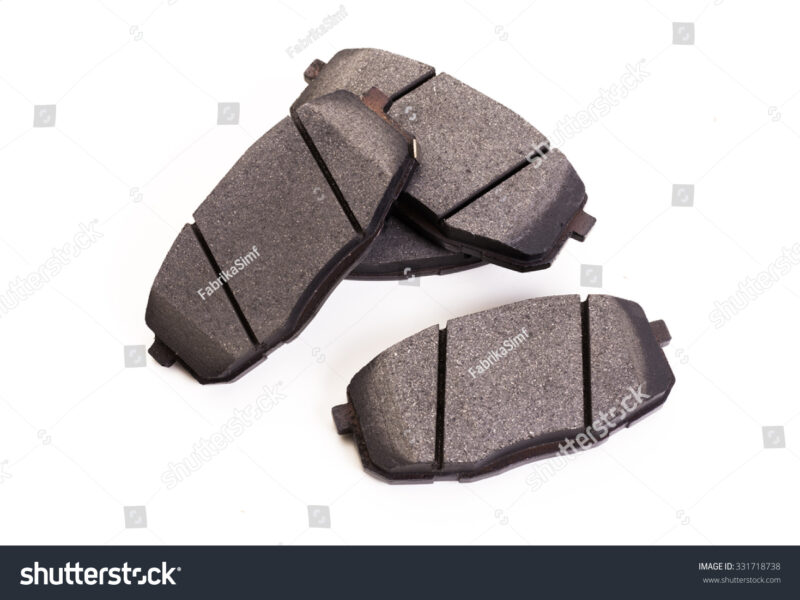
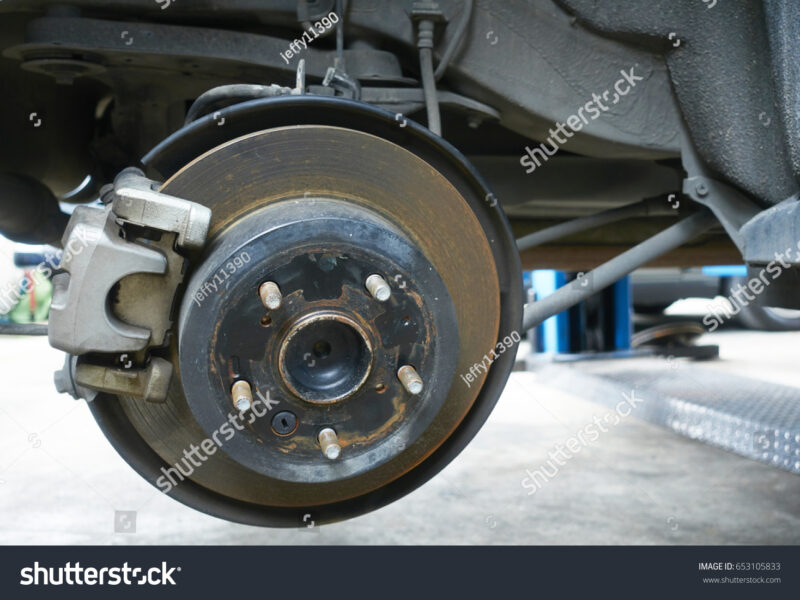
The comparison between ceramic and semi-metallic brake pads depends primarily on your driving style, vehicle type, and performance needs. Each type offers distinct advantages and drawbacks, which can significantly affect your braking experience.
What Are Ceramic Brake Pads?
Ceramic brake pads are made from a unique blend of ceramic materials, fibers, and non-ferrous fillers. This combination allows for high friction performance while minimizing dust production. They are engineered for consistent performance across a variety of temperatures, providing stable stopping power without significant fade during normal driving conditions.
One of the standout characteristics of ceramic brake pads is their lifespan, which generally ranges from 30,000 to 70,000 miles, depending on usage and vehicle type. Their reduced noise levels and cleanliness attract many drivers seeking a quieter and less dusty driving experience.
The thermal stability of ceramic pads is remarkable, as they withstand high temperatures more effectively than many other options. This ensures a longer lifespan and a reduction in brake fade, particularly beneficial during heavy braking scenarios.
What Are Semi-Metallic Brake Pads?
Semi-metallic brake pads, comprised of various metals such as copper, steel, and iron along with friction modifiers, are designed to provide a high level of durability and performance. These pads excel in high-performance applications where heat dissipation is paramount.
Traditionally, semi-metallic pads offer superior stopping power compared to their ceramic counterparts, making them particularly suitable for aggressive driving styles and performance vehicles. Their lifespan typically mirrors that of ceramic pads, but their higher wear rate can lead to increased rotor abrasion over time.
However, it’s essential to consider that semi-metallic brake pads may produce more dust and noise. This can contribute to a messier wheel appearance and increased cabin noise during braking. Therefore, drivers must balance performance needs with comfort preferences when choosing these pads.
Ceramic vs. Semi-Metallic Brake Pads: Performance Comparison
| Feature | Ceramic Brake Pads | Semi-Metallic Brake Pads |
|---|---|---|
| Lifespan | 30,000 – 70,000 miles | 30,000 – 70,000 miles |
| Noise Level | Low | Higher |
| Dust Production | Low | High |
| Heat Resistance | Good | Excellent |
| Best For | Daily driving | Performance driving |
Which Brake Pad Type Is Right for You?
Choosing between ceramic and semi-metallic brake pads involves assessing your driving habits and vehicle needs. If you prioritize a quiet ride and minimal dust, ceramic pads are the clear winner. Their ability to operate efficiently across a range of temperatures makes them ideal for everyday drivers.
Conversely, if you frequently engage in aggressive driving, sem-metallic pads may better suit your needs. They provide excellent heat dissipation, ensuring optimal performance during high-stress conditions. Keep in mind, however, that they may lead to quicker wear on the brake rotors and produce more noise.
Ultimately, the decision rests on whether performance or comfort aligns better with your driving style. Always consider specific vehicle requirements and consult manufacturer recommendations for the best results.
FAQs
What is the lifespan of ceramic and semi-metallic brake pads?
Both ceramic and semi-metallic brake pads have a lifespan ranging from 30,000 to 70,000 miles, depending on driving conditions and individual driving styles.
Do ceramic brake pads produce less dust than semi-metallic brake pads?
Yes, ceramic brake pads produce substantially less dust compared to semi-metallic brake pads. This results in cleaner wheels and reduced maintenance efforts.
Which brake pads are quieter: ceramic or semi-metallic?
Ceramic brake pads are generally quieter than semi-metallic pads, making them a more suitable option for drivers who prioritize a peaceful driving experience.
Are there any drawbacks to using ceramic brake pads?
While ceramic pads offer low dust and noise, they may not perform as well in extreme high-performance situations compared to semi-metallic options, especially during rapid deceleration.
Where can I learn more about brake pad types?
For a comprehensive overview of brake pad types, you can visit these articles: Brake Pads vs. Brake Shoes: Which is Better for Your Car?, Best Ceramic Brake Pads: Top Choices for Quiet and Dust-Free Braking, and Ceramic vs. Metallic Brake Pads: Which is Right for Your Driving Style?.