Checking the transmission fluid level in modern vehicles without a traditional dipstick requires a specific, often technical procedure involving specialized tools and strict adherence to manufacturer-specified temperature guidelines to ensure accuracy and prevent potential damage.
Why Do Modern Vehicles Utilize Sealed Transmission Systems?
Modern vehicles frequently feature sealed transmission systems, which are designed to offer several advantages, including reduced maintenance, enhanced durability, and improved efficiency. These systems are engineered to minimize contamination and leaks, theoretically allowing the transmission fluid to last for the vehicle’s lifetime under normal driving conditions. This design philosophy aims to reduce the need for routine checks by the average car owner.
The transition to sealed units also aligns with advancements in transmission fluid technology. Many contemporary vehicles use advanced synthetic fluids, such as DEXRON-VI or MERCON LV, which boast superior lubricating and cooling properties compared to conventional automatic transmission fluid (ATF). These specialized fluids maintain their integrity for extended periods, contributing to the idea that the fluid may not need regular inspection or replacement under typical circumstances.
However, despite these benefits, sealed systems still require periodic inspection and servicing by trained technicians, especially if there are signs of leaks or performance issues. While the absence of a visible transmission dipstick can seem daunting, it underscores the importance of understanding the precise, albeit more complex, methods for fluid level verification. This essential maintenance helps identify potential issues early, preventing costly repairs and maintaining optimal performance of your automatic transmission.
Identifying a Sealed Transmission System on Your Vehicle
Determining if your vehicle has a sealed transmission system is crucial before attempting any fluid level checks. The most reliable method is always to consult your vehicle’s owner’s manual, which provides definitive information regarding the transmission type, fluid specifications, and recommended maintenance procedures. The manual will detail whether a traditional dipstick is present or if a sealed system requires a specific diagnostic approach.
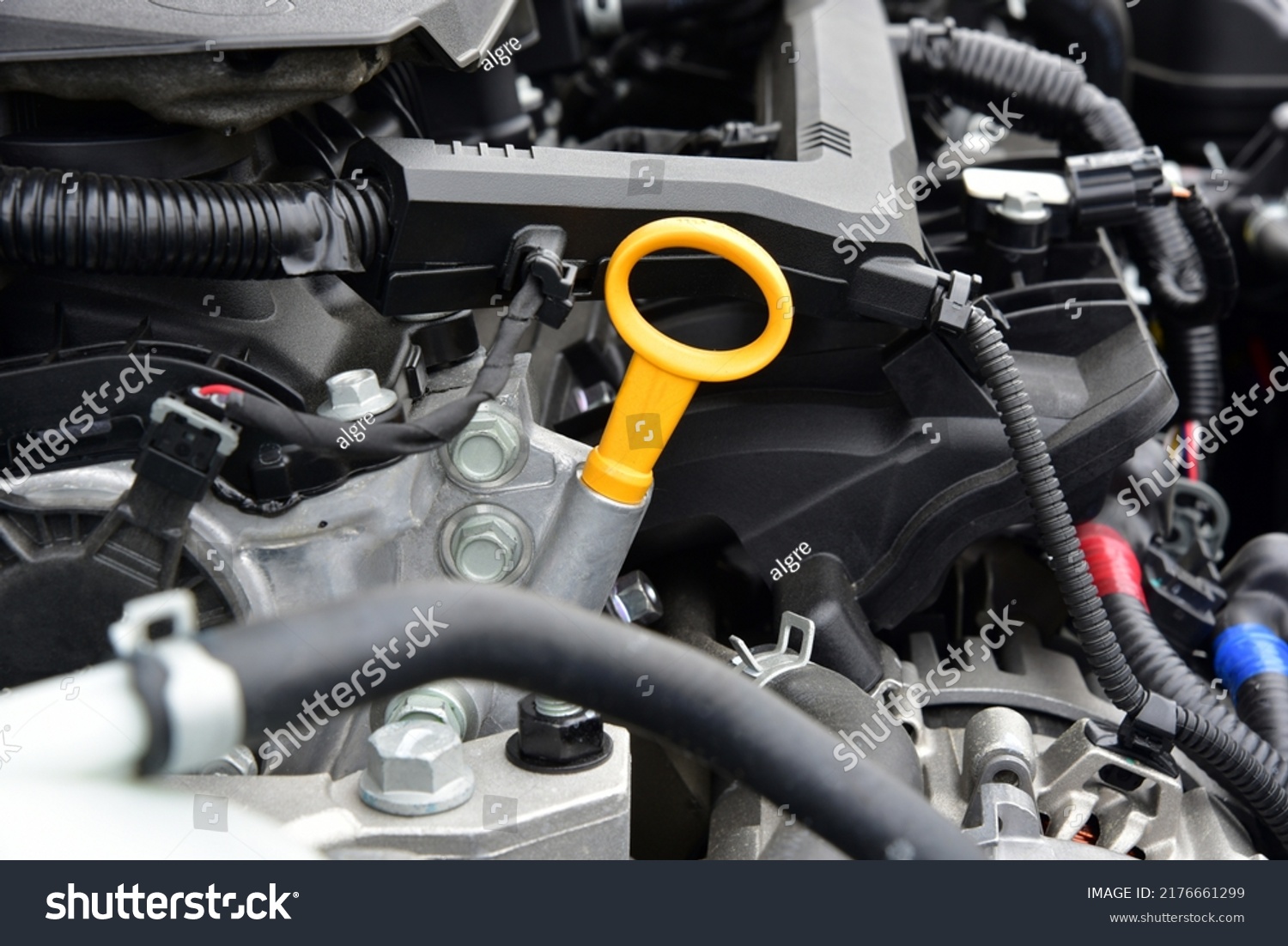
Visually, a primary indicator of a sealed transmission is the absence of a traditional transmission fluid dipstick under the hood, often recognizable by its bright red or yellow handle in conventional systems. Instead, sealed transmissions typically feature a fill plug and a separate drain or inspection plug, usually located on the side or bottom of the transmission housing itself. These plugs are not easily accessible and often require specialized tools for removal.
Furthermore, many vehicles with sealed transmissions are designed with a specific fluid overflow tube or a “level set” plug that dictates the correct fluid volume when the transmission is at a specific operating temperature. This design ensures that when the fluid reaches the correct level, any excess fluid will simply drain out, indicating a full system. Understanding this mechanism is vital for accurate fluid level verification in these advanced systems.
Essential Tools and Safety Precautions for Sealed System Checks
Checking the transmission fluid in a sealed system necessitates a specific set of tools and a strict adherence to safety protocols, distinguishing it significantly from the straightforward process of checking a conventional transmission with a dipstick. Critical tools include a reliable floor jack and sturdy jack stands to safely elevate the vehicle, ensuring it is perfectly level. A specialized diagnostic scanner capable of reading live transmission fluid temperatures is indispensable, as accurate fluid level checks depend heavily on precise temperature readings, typically within a narrow window like 180-190°F (82-88°C).
You will also require a drain pan for any potential fluid overflow, suitable wrenches or sockets to remove the fill and inspection plugs, and a specialized pump or fluid transfer tool to introduce new fluid into the transmission. Many sealed systems use unique fill ports that cannot be accessed with a standard funnel. For personal protection, essential safety gear such as gloves and safety glasses should always be worn. Working under a vehicle carries inherent risks, so ensuring the vehicle is stable and on a level surface is paramount to prevent accidents.
It is important to remember that procedures for sealed systems are more involved than simple tasks like changing brake fluid, which can often be done with a brake bleeder kit. The technical nature of sealed transmission checks means that if you are uncomfortable with any step, it is highly recommended to consult a certified mechanic. Improper fluid levels or the use of incorrect fluid types, such as attempting to use DOT 3, DOT 4, or DOT 5 brake fluid in a transmission, can lead to severe transmission damage and costly repairs.
Step-by-Step Procedure for Checking Fluid in Sealed Transmissions
Checking the transmission fluid level in a sealed system is a precise process that requires careful execution. First, ensure your vehicle is on a perfectly level surface. Raise the vehicle using a hydraulic jack and secure it firmly on jack stands at all four corners. This is critical because even a slight tilt can lead to an inaccurate fluid level reading. Prepare your drain pan underneath the transmission to catch any overflowing fluid during the check.
Next, start the engine and allow the transmission fluid to reach its specified operating temperature. This is where the diagnostic scanner becomes indispensable. Most manufacturers specify a narrow temperature window, often ranging from 180°F to 190°F (approximately 82°C to 88°C). The engine must remain running throughout the checking process. While the engine is warming, cycle the transmission through all gear selections (P, R, N, D, L) for a few seconds each, ensuring all fluid passages are filled, before returning to Park.
Once the correct temperature is confirmed by the scanner, locate and carefully remove the transmission fill plug or inspection plug, typically found on the side or bottom of the transmission casing. If the fluid level is correct, a small stream of fluid should begin to drip or flow out. If no fluid emerges, the transmission is low on fluid. You will then need to use your specialized pump to slowly add the manufacturer-specified automatic transmission fluid (ATF), such as DEXRON-VI or MERCON LV, until a steady stream begins to flow from the inspection port. Once a steady stream is observed, quickly reinstall the plug to prevent overfilling. Replace all plugs securely and lower the vehicle once complete.
Interpreting Transmission Fluid Condition and Color
Even without a traditional dipstick, understanding the condition and color of your transmission fluid is paramount. When you remove the inspection plug and fluid begins to drain, observe its appearance closely. Fresh automatic transmission fluid (ATF) typically presents as a translucent bright red or vibrant pink, a crucial characteristic for identifying leaks and ensuring optimal performance. This vibrant color signifies healthy fluid with its full complement of lubricants, detergents, and anti-foaming agents.
As transmission fluid ages and performs its vital functions of lubricating, cooling, and transmitting power, its color will naturally change. Darkening to a dark red or brown hue often indicates normal wear, but excessive darkening, a burnt smell, or the presence of metallic particles are serious warning signs. Burnt-smelling, dark brown, or black fluid suggests severe degradation due to overheating or internal transmission component wear. This requires immediate professional attention to prevent catastrophic failure.
In specialized applications, such as high-performance or heavy-duty vehicles, certain synthetic fluids might even exhibit blue or purple tints directly from the factory, signifying their unique formulations and extended performance capabilities. However, any deviation from the expected color for your specific fluid type, especially if accompanied by a strong odor or particles, should prompt further investigation. The Transmission Fluid Color Chart provides immediate insights into its operational condition and can help you interpret what the color of your fluid is telling you.
Transmission Fluid Specifications and Capacities
Understanding the specific type and volumetric capacity of the transmission fluid required for your vehicle is non-negotiable, particularly for sealed systems. Manufacturers rigorously specify the exact Automatic Transmission Fluid (ATF) type to ensure optimal performance and longevity. Using an incorrect fluid, even if it’s the right volume, can lead to severe damage due to incompatible friction modifiers, viscosity, or additive packages. Always refer to your vehicle’s owner’s manual for the precise fluid specification, such as DEXRON-VI, MERCON LV, or other proprietary blends.
The total volumetric capacity of an automatic transmission system varies significantly by vehicle make, model, and transmission design, typically ranging from 8 to 13 quarts (approximately 7.5 to 12.3 liters) for a complete fluid exchange. However, during a routine fluid level check in a sealed system, you are primarily topping off any minor deficiencies, not performing a full drain and fill. The amount added will usually be much smaller, often less than a quart or liter, unless a significant leak has occurred.
For context, comparing this to other vehicle fluid systems, a typical brake fluid system might only hold around 1 liter of fluid. The larger capacity of a transmission system underscores the fluid’s role in lubrication, cooling, and power transfer, making its condition and level critical. Regular checks ensure your vehicle’s power transfer from the engine to the wheels remains efficient. It’s also important to note that while some manufacturers recommend changing brake fluid every 2 years or 24,000 miles (38,624 kilometers), transmission fluid intervals in sealed systems are often much longer, sometimes considered “lifetime fill,” though periodic inspection is still prudent.
Comparative Chart: Sealed vs. Dipstick Transmission Fluid Checks
Understanding the differences between checking transmission fluid in a sealed system versus a system with a dipstick can help vehicle owners prepare for the necessary maintenance. The complexity, tools required, and the level of technical expertise vary significantly between the two methods.
| Characteristic | Sealed Transmission System | Dipstick-Equipped System |
|---|---|---|
| Accessibility | Low (requires lifting vehicle, specialized plugs) | High (dipstick under hood) |
| Tools Required | Jack, jack stands, diagnostic scanner (for temperature), fluid pump, wrenches | Clean rag |
| Complexity | High (specific temperature, engine running, precise procedure) | Low (engine running and warm for most automatics, on level surface) |
| Technical Expertise | Moderate to High (often recommended for professionals) | Low (DIY-friendly) |
| Temperature Requirement | Critical and specific range (e.g., 180-190°F / 82-88°C) | Engine running and warm (general guideline) |
| Fluid Level Indicator | Overflow from inspection port when at correct level | Markings on dipstick (“Hot” / “Cold” lines) |
FAQs
How often should transmission fluid be checked in a sealed system?
Despite being “sealed,” it’s generally recommended to have the transmission fluid level and condition checked periodically, typically every 60,000 to 100,000 miles, or as specified in your vehicle’s owner’s manual. This differs from brake fluid, which often requires replacement every 2 years or 24,000 miles (38,624 kilometers) due to its hygroscopic nature. Even sealed systems can develop slow leaks or experience fluid degradation over time, making these professional inspections crucial for proactive maintenance and to prevent minor issues from escalating into significant and costly repairs. Always consult the manufacturer’s specific service schedule for your make and model.
What are the dangers of incorrect transmission fluid levels?
Incorrect transmission fluid levels, whether too low or too high, pose significant risks to your vehicle’s transmission. A low fluid level leads to insufficient lubrication, causing excessive friction, overheating, and premature wear of critical internal components like clutches and gears. This can manifest as harsh shifting, delayed engagement, or complete transmission failure. Conversely, an overfilled transmission can cause the fluid to aerate (foam), leading to a loss of hydraulic pressure and lubrication effectiveness. The foamy fluid can also overheat, degrade faster, and potentially lead to leaks due to increased internal pressure. Both scenarios severely compromise the transmission’s ability to lubricate, cool, and transmit power, ultimately leading to reduced lifespan and expensive repairs.
Can I use universal transmission fluid in a sealed system?
No, it is highly inadvisable to use generic or “universal” transmission fluid in a sealed system. Modern transmissions, especially those that are sealed, are engineered with extremely tight tolerances and rely on very specific fluid formulations tailored to their unique design and operational requirements. These fluids, such as DEXRON-VI or MERCON LV, contain precise blends of base oils and additives that control friction, prevent corrosion, and maintain viscosity across a wide temperature range. Using an incorrect fluid, even if it appears similar, can lead to incompatibility issues, improper lubrication, overheating, seal damage, and ultimately, costly transmission failure. Always consult your vehicle’s owner’s manual for the exact fluid specification and use only fluids that meet or exceed those requirements.
What temperature should the transmission be at for an accurate check?
For an accurate transmission fluid level check in a sealed system, the transmission fluid must be within a very specific operating temperature range as prescribed by the manufacturer. This range is typically quite narrow, often between 180°F and 190°F (approximately 82°C to 88°C). The reason for this strict requirement is that automatic transmission fluid expands significantly when heated. Checking the fluid when it’s too cold will result in an underfill, while checking it when it’s too hot will lead to an overfill. A diagnostic scan tool is essential to monitor the live transmission fluid temperature to ensure it falls within the specified window, guaranteeing the most accurate level reading possible. Without adhering to this temperature guideline, any fluid level assessment will be unreliable and can lead to serious transmission issues.