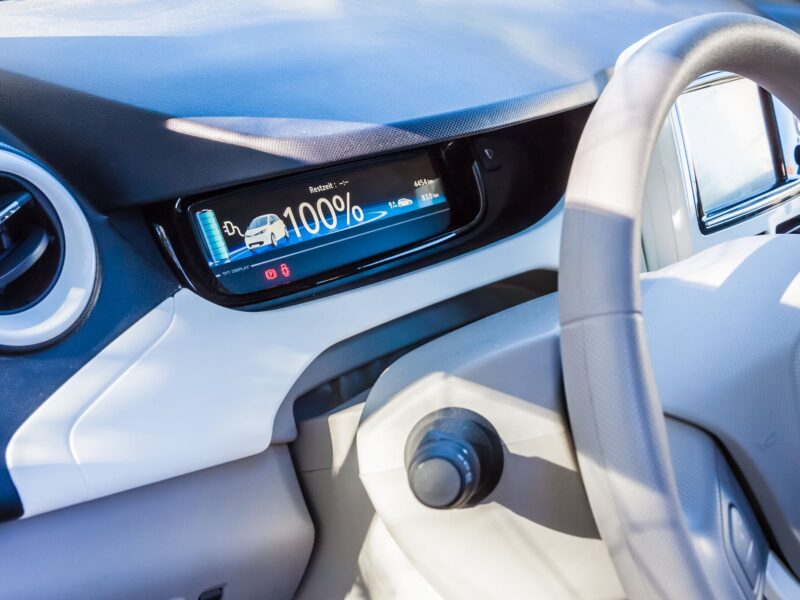
Navigating vehicle care in 2026 requires a comprehensive understanding of evolving maintenance needs, warranty coverages, and fluid checks. This authoritative vehicle care guide provides a complete overview for keeping your car in optimal condition, whether it’s a cutting-edge electric vehicle (EV) or a traditional internal combustion engine (ICE) model. Adhering to a meticulous maintenance schedule not only ensures peak performance and extends the lifespan of your automotive asset but also plays a critical role in preserving its resale value and mitigating unexpected repair costs. The insights herein are derived from current industry projections and established best practices, offering specific, data-driven recommendations rather than generic advice.
Understanding the nuanced differences in maintenance requirements between EV and ICE platforms is paramount for modern vehicle owners. While both categories demand diligent attention, the specific components requiring inspection, fluid replacement intervals, and software update schedules diverge significantly. This guide will meticulously detail these variations, enabling owners to implement a strategic approach to vehicle longevity and cost-effectiveness. By integrating these practices, motorists can proactively address potential issues, thereby enhancing safety and operational reliability.
Furthermore, this resource incorporates critical considerations such as the impact of environmental factors on vehicle components, particularly the 12V battery system, and the strategic advantages of understanding your vehicle’s warranty coverage. From deciphering brake fluid color indicators to optimizing tire health, every facet of a robust vehicle care regimen is meticulously addressed to empower owners with the knowledge required for superior automotive stewardship in the evolving landscape of 2026.
What Are the Latest Electric Vehicle Maintenance Costs in 2026?
Electric Vehicle (EV) maintenance costs in 2026 are generally projected to be lower than those for traditional internal combustion engine (ICE) vehicles, typically ranging from $300 to $600 annually. This cost spectrum is influenced by several factors, including the specific EV model, its battery technology, and regional service rates. The inherent design simplicity of EVs, characterized by fewer moving parts in their powertrain compared to ICE vehicles, directly contributes to this reduced expenditure. Components like spark plugs, timing belts, and complex exhaust systems found in ICE vehicles are entirely absent in most EVs, eliminating associated maintenance and replacement costs.
Key areas of EV maintenance include the proactive upkeep of the high-voltage battery system, routine tire replacements, diligent brake servicing, and essential software updates. The longevity of EV brake components, for instance, is notably enhanced by regenerative braking systems, which convert kinetic energy back into electrical energy to recharge the battery, thus reducing wear on friction brakes by up to 30%. Understanding these specific cost drivers and maintenance cycles is crucial for EV owners to budget effectively for their vehicle’s longevity and to maximize its operational efficiency over time. For a granular breakdown of these expenditures, our dedicated analysis on Understanding the True Costs of Electric Vehicle Maintenance in 2026 provides further insights.
Moreover, the technological advancements in EV battery management systems and motor designs contribute to fewer mechanical failures, shifting maintenance focus towards electronics and software rather than traditional mechanical repairs. While the initial purchase price of an EV can sometimes be higher, the long-term operational savings, particularly in fuel and maintenance, present a compelling economic argument for their adoption. Regular diagnostic checks, often performed through software, ensure that all critical systems are functioning within optimal parameters, preventing minor issues from escalating into major repairs.
How Much Does EV Battery Maintenance Cost Annually?
Annual battery maintenance for electric vehicles typically costs between $100 and $250. This estimate primarily covers diagnostic checks, software updates for battery management systems (BMS), and physical inspections to ensure the optimal performance and longevity of the high-voltage battery pack. Unlike the 12V lead-acid batteries found in ICE vehicles, which have an average lifespan of 3-5 years, EV traction batteries are designed for the vehicle’s entire operational life, often backed by extensive manufacturer warranties, such as 8 years or 100,000 miles.
These maintenance procedures are critical for monitoring cell balance, thermal management system integrity, and overall battery health, which directly impacts the vehicle’s range and charging efficiency. Ensuring proper battery care, including adherence to manufacturer-recommended charging practices and avoidance of extreme temperatures, can significantly extend the battery’s effective life beyond its warranty period. For instance, operating an EV battery consistently in temperatures below 0°C (32°F) or above 35°C (95°F) without proper thermal management can accelerate degradation, making monitoring vital.
What are the Costs for EV Tire and Brake Servicing?
Electric Vehicle tire rotation costs generally range from $50 to $100, and this service is critically recommended every 5,000 to 10,000 miles to ensure even wear and maximize tire longevity. Due to the instantaneous torque delivery and often heavier curb weight of EVs, specialized EV-specific tires designed for lower rolling resistance and higher load capacity are frequently recommended, influencing replacement costs that can average $200-$400 per tire. Regular inspections for proper inflation and tread depth are also essential for safety and efficiency.
Brake replacements for EVs are notably less frequent compared to ICE vehicles due to the significant contribution of regenerative braking, which reduces the mechanical load on the friction braking system. EV brake pad replacements, when required, generally cost between $300 and $700 per axle, with a typical service interval extending to approximately 60,000 miles or even beyond for many models. This compares favorably to ICE vehicles, which often require brake pad replacements every 15,000 to 20,000 miles. When rotor replacements become necessary for EVs, usually beyond 100,000 miles, costs can mirror or slightly exceed ICE rotor replacements due to the robust design required for higher vehicle weights, typically ranging from $500 to $1,000 per axle.
Are There Costs for EV Software Updates?
Software updates for electric vehicles can range from $0 to $200, typically performed as needed to enhance vehicle performance, optimize battery management, and introduce new features such as advanced driver-assistance system (ADAS) functionalities or improved infotainment interfaces. Many manufacturers, including Tesla and Polestar, offer over-the-air (OTA) updates free of charge, which can be downloaded and installed remotely by the owner. However, some complex updates or diagnostic-related software installations may require a visit to a dealership or authorized service center, incurring a service fee.
These updates are fundamental for maintaining the cutting-edge technology and safety features inherent in modern EVs. They can address anything from minor bug fixes and cybersecurity vulnerabilities to significant powertrain efficiency improvements and range optimizations. For instance, a software update might recalibrate the motor’s power delivery or refine the regenerative braking profile, directly impacting the driving experience and energy consumption. Owners are advised to regularly check for available updates, as failing to install critical software revisions could potentially affect vehicle performance or compromise security protocols.
What are the Average Maintenance Costs for Traditional Internal Combustion Engine Vehicles in 2026?
The average annual maintenance cost for traditional internal combustion engine (ICE) vehicles in 2026 is approximately $900, though this can exhibit significant variability, ranging from $500 for newer models still under manufacturer warranty to upwards of $2,000 for older vehicles or those requiring major unscheduled repairs. This higher average compared to EVs stems from the mechanical complexity of ICE powertrains, which involve numerous moving parts, lubricants, and filter systems that require regular replacement and servicing. Key contributors to ICE maintenance costs include frequent oil changes, periodic spark plug replacements, belt inspections (timing and serpentine belts), and the upkeep of cooling and fuel delivery systems.
Routine preventative maintenance is absolutely crucial for ICE vehicles to mitigate the risk of more costly repairs and ensure optimal operational safety and longevity. This regimen typically encompasses oil and filter changes every 5,000 to 7,500 miles, tire services including rotations and balancing, comprehensive brake system upkeep, and various air and fuel filter replacements. Neglecting these scheduled services can lead to accelerated wear of critical engine and transmission components, often resulting in premature failures that necessitate expensive repairs such as transmission overhauls or engine replacements, which can easily exceed $4,000 to $10,000.
Furthermore, the environmental impact of ICE vehicles, particularly concerning emissions systems, also contributes to maintenance considerations. Components like catalytic converters, oxygen sensors, and exhaust gas recirculation (EGR) valves can require servicing or replacement, especially in vehicles accumulating high mileage. Understanding and adhering to the manufacturer’s maintenance schedule, typically outlined in the owner’s manual, is the most effective strategy for ICE vehicle owners to control their annual expenditure and maintain the vehicle’s structural and mechanical integrity, aligning with principles detailed in Why Regular Car Maintenance is Key to Performance.
What is the Cost of Routine Oil Changes and Tire Services for ICE Vehicles?
An oil change for an ICE vehicle typically costs around $164 and is critically recommended every 5,000 to 7,500 miles or every six months, whichever comes first, to ensure proper engine lubrication and prevent premature wear. This service usually includes the replacement of the engine oil filter, which traps contaminants, and the use of manufacturer-specified synthetic or conventional oil. Skipping regular oil changes can lead to sludge buildup, reduced engine efficiency, and potential catastrophic engine failure, making it one of the most cost-effective preventative maintenance tasks.
Tire services for ICE vehicles, encompassing rotations, balancing, and pressure checks, cost approximately $134 per visit and are also suggested every 5,000 to 7,500 miles in conjunction with oil changes. Regular tire rotations help distribute wear evenly across all four tires, thereby extending their overall lifespan, which can be up to 60,000 miles for quality tires. Proper tire inflation is not only a safety imperative but also contributes significantly to fuel economy, potentially reducing fuel consumption by up to 3% when tires are maintained at their recommended pressure settings.
How Much Do Brake System and Filter Replacements Cost for ICE Vehicles?
Brake pad replacements for ICE vehicles typically occur every 15,000 to 20,000 miles, with an average cost of around $342 per wheel, including labor and parts for a standard set of semi-metallic or ceramic pads. This frequent replacement cycle is due to the constant friction required to stop the vehicle. Rotor replacements, which are often recommended every 50,000 miles or when significant warping or scoring is present, typically cost about $613 per wheel. Timely brake maintenance is paramount for vehicle safety, directly impacting stopping distances and preventing more severe damage to the entire braking system.
Regarding filtration systems, engine air filter changes are approximately $83 annually or every 15,000 miles, crucial for preventing dust and debris from entering the engine and maintaining optimal air-fuel mixture. Cabin air filter changes, which improve air quality inside the vehicle, cost around $95 every 15,000 to 20,000 miles. Fuel filters, responsible for preventing contaminants from reaching the engine’s fuel injectors, are typically replaced every 30,000 to 60,000 miles, with costs ranging from $100 to $250 depending on accessibility and vehicle model. Neglecting these filter replacements can lead to decreased engine performance, reduced fuel efficiency, and potential damage to sensitive engine components.
Understanding New Car Warranties: Bumper-to-Bumper and Powertrain Coverage in 2026
New car warranties provide essential protection for your automotive investment, covering a vast array of vehicle components against defects in materials or workmanship for a specified duration or mileage limit. Distinguishing between bumper-to-bumper and powertrain warranties is vital for prospective car buyers in 2026, as these cover different aspects of the vehicle and offer varying lengths of protection. A thorough understanding of your warranty terms can save thousands of dollars in unexpected repair costs during the initial ownership period. It’s imperative to review the specific clauses provided by manufacturers, as coverage can vary significantly between brands such as Toyota, Ford, or BMW.
Warranty coverage is a critical factor influencing the total cost of vehicle ownership, particularly for the first few years. While warranties are designed to protect against manufacturing defects, they typically do not cover routine maintenance items like oil changes, tire rotations, or brake pads, which are considered normal wear-and-tear. Therefore, owners must still adhere to the manufacturer’s scheduled maintenance plan to keep their warranty valid. For a deeper dive into the intricacies of automotive guarantees, read our comprehensive guide on Understanding New Car Warranties: Bumper-to-Bumper to Powertrain.
The precise terms of new car warranties, including duration and covered components, can be a major differentiator when comparing new vehicles. For example, some manufacturers, like Hyundai and Kia, are known for offering industry-leading 10-year/100,000-mile powertrain warranties, which significantly exceed the industry average. This extended coverage provides considerable peace of mind, especially for owners planning to keep their vehicle for a longer period. Always verify the exact warranty details with the dealership or manufacturer at the time of purchase.
What Does a Bumper-to-Bumper Warranty Cover?
A bumper-to-bumper warranty, often referred to as a comprehensive warranty, offers extensive coverage for nearly all vehicle components, from the air conditioning system and electrical components to the infotainment unit and power windows. This broad coverage typically excludes only a handful of specific items, primarily wear-and-tear parts like tires, brake pads, wiper blades, and routine maintenance services. While not literally covering the physical bumpers, it signifies protection for virtually everything between them, providing considerable peace of mind for new car owners.
This type of warranty usually lasts between 3 to 5 years or 36,000 to 60,000 miles, whichever comes first, depending on the manufacturer. For example, a common offering is a 3-year/36,000-mile comprehensive warranty. It is designed to cover defects in materials or workmanship, ensuring that if a non-wear component fails prematurely due to a manufacturing flaw, the repair costs will be covered. However, damage resulting from accidents, misuse, or lack of proper maintenance is universally excluded from bumper-to-bumper coverage.
What is Included in a Powertrain Warranty?
A powertrain warranty specifically covers the essential components that power the vehicle and transfer that power to the wheels, forming the core mechanical system. This critical coverage typically includes the engine block, cylinder heads, crankshaft, pistons, connecting rods, intake and exhaust manifolds, and the oil pump. Furthermore, it extends to the transmission housing, gears, torque converter, flywheel, and all internal components of the transmission system. Drivetrain components such as drive axles, differentials, transfer case, and universal joints are also typically included, ensuring the vehicle’s ability to move effectively.
This type of warranty often extends longer than bumper-to-bumper warranties, providing prolonged protection for the most expensive and fundamental parts of a vehicle. Common durations range from four years/50,000 miles to an impressive 10 years/100,000 miles, depending on the manufacturer and vehicle model. For example, many domestic brands offer 5-year/60,000-mile powertrain coverage, while some Asian manufacturers provide the aforementioned 10-year/100,000-mile plans. Understanding the specifics of your powertrain warranty is crucial, as major repairs to these components can be exceptionally costly, often ranging from $3,000 to over $10,000.
Essential Brake Fluid Color Guide: When Do You Need a Flush?
The color of your brake fluid serves as a critical, yet often overlooked, indicator for necessary maintenance, directly impacting your vehicle’s braking performance and overall safety. Brake fluid is hygroscopic, meaning it absorbs moisture from the atmosphere over time, which degrades its boiling point and can lead to significant safety hazards, including “brake fade” under heavy use. Regularly monitoring these visual cues helps determine precisely when a fluid flush and replacement are required, preventing potential system failures and expensive repairs to components like the anti-lock braking system (ABS) or electronic stability control (ESC) modules. Our detailed Brake Fluid Color Guide: When Do You Need a Flush? provides a comprehensive visual reference.
The degradation of brake fluid due to moisture absorption can also lead to corrosion within the braking system’s hydraulic lines and calipers, as water introduces rust. This corrosion not only compromises the integrity of the brake lines but can also seize calipers, leading to uneven brake wear and reduced stopping power. Manufacturers typically recommend a brake fluid flush every two to three years or every 30,000 to 45,000 miles, irrespective of appearance, as even clear fluid can have a compromised boiling point due to unseen moisture accumulation. However, visual inspection remains a critical initial diagnostic step.
What Do Different Brake Fluid Colors Indicate?
Brake fluid typically progresses from a clear or light yellow hue when fresh or relatively new, indicating optimal condition and requiring no immediate action. This transparent state signifies a high boiling point, typically above 230°C (446°F) for DOT 3 or 4 fluids, essential for effective braking performance, especially during demanding driving conditions. As the fluid ages and begins to absorb atmospheric moisture, it transitions to an amber color. This amber shade suggests that moisture absorption has occurred, and while not immediately critical, a brake fluid flush should be considered within the next six months to prevent further degradation and a decrease in the fluid’s boiling point, which could drop to 180°C (356°F) or lower.
A brown coloration in your brake fluid is a clear signal of significant contamination and substantial moisture absorption, necessitating an immediate flush and replacement. Brown fluid indicates a severely compromised boiling point, potentially below 160°C (320°F), dramatically increasing the risk of brake fade and compromising the effectiveness of the entire braking system. Furthermore, black brake fluid signifies severe degradation, often accompanied by the presence of rubber particulate from degrading internal seals or heavy metallic contamination. This condition requires immediate replacement of the fluid and a thorough inspection of the entire braking system for damaged components, as the fluid’s boiling point will be dangerously low, rendering the system unsafe for operation. Prompt action upon observing these color changes is paramount for maintaining vehicle safety and preventing costly repairs.
Comparative Overview of 2026 Vehicle Maintenance Costs and Warranty Coverage
Below is a comparative table summarizing typical maintenance costs and warranty details for Electric Vehicles and Internal Combustion Engine vehicles in 2026, providing a clear reference for owners and prospective buyers.
| Aspect | Electric Vehicle (EV) | Internal Combustion Engine (ICE) |
|---|---|---|
| Annual Maintenance Cost | $300 – $600 (projected for 2026) | $400 – $800 (typical, up to $2,000 for older vehicles) |
| Battery Maintenance | $100 – $250 annually (diagnostics, software updates for high-voltage pack) | $100 – $300 every ~4 years (for 12V starter battery replacement) |
| Tire Rotation Cost | $50 – $100 every 5,000 – 10,000 miles | $134 every 5,000 – 7,500 miles |
| Brake Replacement Cost | $300 – $700 per axle every 60,000 miles (reduced due to regenerative braking) | $342 per wheel (pads) every 15,000-20,000 miles; $613 per wheel (rotors) every 50,000 miles |
| Oil Change Cost | N/A (no engine oil) | $164 every 5,000 – 7,500 miles |
| Software Updates | $0 – $200 as needed (many via OTA, some dealer-specific) | Generally included with service or brand-specific diagnostics, rarely standalone cost |
| Bumper-to-Bumper Warranty | 3-5 years / 36,000-60,000 miles (covers most components) | 3-5 years / 36,000-60,000 miles (covers most components, excluding wear items) |
| Powertrain Warranty | Typically covers drive unit, often 5-8 years / 60,000-100,000 miles (e.g., motor, inverter) | 4-10 years / 50,000-100,000 miles (engine, transmission, drivetrain components like cylinder heads, crankshaft, torque converter, drive axles) |
FAQs: Your 2026 Vehicle Care Questions Answered
How often should I get my vehicle serviced in 2026?
Service intervals depend significantly on your vehicle type and specific manufacturer recommendations. Electric Vehicles typically require less frequent mechanical servicing due to fewer moving parts, with maintenance focusing primarily on tires, brakes (less frequently due to regenerative braking), cabin air filters, and critical software updates, often every 10,000 to 20,000 miles. Many EV manufacturers recommend a comprehensive inspection every two years or 30,000 miles. These intervals are crucial for maintaining the vehicle’s electronic systems and high-voltage battery health.
Conversely, Internal Combustion Engine vehicles necessitate more frequent attention, with oil and filter changes typically required every 5,000 to 7,500 miles or every six months, whichever occurs first. Beyond oil changes, ICE vehicles also demand regular checks and replacements for spark plugs (every 30,000-100,000 miles depending on type), air filters (annually or every 15,000 miles), and various fluid flushes (e.g., transmission fluid every 30,000-60,000 miles, coolant every 40,000-100,000 miles). Always consult your specific owner’s manual for precise, model-specific recommendations, as adherence to these schedules is fundamental for ensuring vehicle reliability, optimizing fuel efficiency, and preserving warranty coverage.
Does a new car warranty cover all maintenance?
No, a new car warranty, including the more extensive bumper-to-bumper coverage, typically does not cover routine maintenance items or wear-and-tear components. Warranties are specifically designed to protect against defects in materials or workmanship from the manufacturer, not against the natural degradation of parts through normal use. For example, standard services like oil changes ($164 for ICE vehicles), tire rotations ($50-$134), brake pads ($342 per wheel), and filter replacements (engine air filter $83, cabin air filter $95) are almost universally excluded from warranty coverage.
Moreover, items such as windshield wiper blades, light bulbs, certain belts, and even clutch plates in manual transmission vehicles are generally considered consumables and fall outside the scope of warranty protection. Owners are responsible for these routine maintenance costs and adhering to the prescribed service schedule outlined in their owner’s manual. Failure to perform recommended maintenance, even if it’s a non-warranty item, could potentially jeopardize your warranty coverage if a subsequent component failure is directly linked to the neglected service. Therefore, it is critical to understand the distinction between covered defects and standard operational upkeep to manage vehicle expenses effectively.
What is the most expensive car repair for an ICE vehicle?
For an Internal Combustion Engine (ICE) vehicle, an engine replacement is generally considered the most expensive repair, with costs often ranging from $4,000 to over $10,000, depending on the engine type (e.g., 4-cylinder vs. V8), vehicle make and model (e.g., a Honda Civic vs. a Mercedes-Benz), and whether a new, remanufactured, or used engine is installed. This substantial cost includes parts and extensive labor, as replacing an engine is a highly complex and time-consuming procedure requiring specialized tools and expertise. Other major component failures, such as a transmission replacement, can also incur costs between $3,000 and $7,000, making them similarly formidable expenses.
Preventative maintenance, as outlined in this guide, plays a critical role in significantly reducing the risk of such catastrophic and major expenses. Regular oil changes, cooling system flushes (typically every 40,000-100,000 miles), and diligent attention to warning lights can identify potential issues before they escalate into complete engine or transmission failure. For instance, addressing a minor coolant leak costing a few hundred dollars promptly can prevent engine overheating, which could otherwise lead to head gasket failure ($1,500-$3,000) or complete engine seizure. Investing in consistent, scheduled service is the most effective strategy to safeguard against these high-cost repairs and maximize your vehicle’s longevity.
Can I perform some car maintenance myself to save money?
Yes, many basic car maintenance tasks can be safely and effectively performed by the owner, potentially saving hundreds of dollars annually on labor costs. These accessible DIY tasks include regularly checking fluid levels such as engine oil, coolant, brake fluid, and windshield washer fluid. Replacing windshield wiper blades, which typically cost between $20-$50 for a set, is a simple procedure that requires minimal tools and can be done in minutes. Changing engine air filters ($20-$40) and cabin air filters ($15-$30) are also straightforward tasks that improve vehicle performance and air quality, respectively.
Beyond these, more involved but still manageable tasks for a mechanically inclined individual might include rotating tires (if you have a jack and stands), replacing basic exterior light bulbs, and even performing a battery terminal cleaning for the 12V battery. Performing a 12V battery check, especially in extreme temperatures below 0°C (32°F) or above 35°C (95°F), ensures optimal starting power and reduces wear on the starter and electrical components, as highlighted in Essential Car Battery Maintenance Tips for Longer Life and Reliability. However, for more complex systems like brakes, transmissions, or high-voltage EV components, it is strongly recommended to defer to certified professional technicians to ensure safety and proper functionality, thereby preventing potentially hazardous and costly errors.