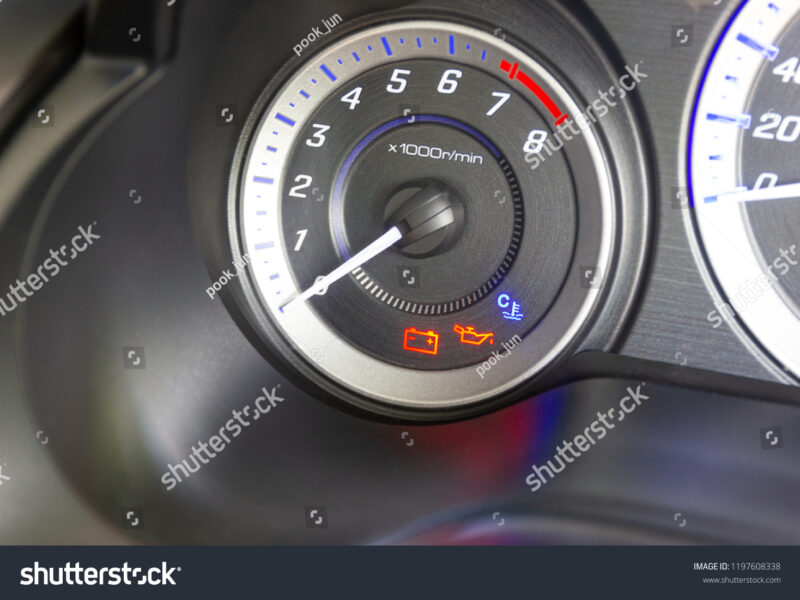
As a car owner, adhering to a car maintenance manual is not just a recommendation; it’s essential for your vehicle’s longevity and safety. This manual serves as your trusted guide, detailing technical specifications and clear procedures that protect your investment. By following these guidelines, you can extend your car’s lifespan, boost its performance, and enhance fuel efficiency. Remarkably, regular maintenance can decrease unexpected repair costs by up to 40% annually, ensuring a worry-free driving experience.
Think of your car’s maintenance manual as a roadmap that leads to a safer, more efficient journey. From understanding fluid levels to recognizing the importance of timely inspections, this guide empowers you to take control of your vehicle’s upkeep.
What Are the Key Components to Inspect in a Car?
Regular inspections should focus on vital components, including:
- The braking system
- Engine oil levels
- The cooling system
These routine checks help prevent costly repairs and keep you safe on the road.
What Role Do Fluids Play in Vehicle Maintenance?
Essential fluids, including engine oil and brake fluid, are the lifeblood of your vehicle. Monitoring these regularly is critical for your car’s health. For instance, engine oil should be changed every 5,000 to 7,500 kilometers, depending on whether you use synthetic or conventional oil. This simple yet vital step significantly impacts your vehicle’s overall performance.
How Can You Prevent Engine Overheating?
To keep your engine temperature in check, aim for it to remain between 90°C and 100°C. If it rises above 120°C, an immediate inspection of the cooling system is necessary. Your cooling system should be able to dissipate at least 30% of the thermal energy generated to avoid severe engine damage.
Comparative Fluid Maintenance Table
| Type of Fluid | Recommended Change Interval | Normal Operating Temperature (°C) |
|---|---|---|
| Engine Oil | Every 5,000 – 7,500 km | N/A |
| Coolant | Every 2 years or 40,000 km | 90°C – 100°C |
| Brake Fluid | Every 2 years | N/A |
What Diagnoses Can Be Made from Observing Abnormal Temperatures?
When your engine temperature exceeds 120°C, it signals severe overheating, which could stem from a faulty thermostat, low coolant levels, or leaks within the cooling system. Early diagnosis is crucial in preventing catastrophic engine damage, which can lead to expensive repairs.
Why Is Proactive Maintenance Essential?
Engaging in proactive maintenance not only extends your vehicle’s lifespan but also maximizes fuel efficiency and ensures safety. Regular upkeep guarantees that your car remains reliable, providing you peace of mind as you drive.
What Are the Main Causes of Automotive Failures?
Automotive failures often arise from neglecting routine maintenance, especially critical tasks such as:
- Failing to change oil
- Neglecting air filter replacements
- Overlooking brake fluid checks
Such oversights can escalate into serious mechanical issues, resulting in both financial strain and inconvenience.
What DIY Interventions Can Car Owners Perform?
Car owners can take a proactive approach to maintenance by performing tasks such as changing oil, replacing filters, checking fluid levels, and monitoring tire pressure. Each task should align with the manufacturer’s specifications for optimal results and to maintain vehicle integrity.
How Does Oil Quality Affect Engine Lifespan?
Utilizing high-quality oil can extend your engine’s life by 10% to 30%. Synthetic oils, in particular, offer exceptional oxidation resistance, maintaining performance even in extreme conditions, making them a smart investment for your vehicle.
When Should a Vehicle Be Inspected by a Professional?
It is advisable to have your vehicle evaluated by a professional mechanic at least once a year or every 15,000 kilometers. A thorough inspection should encompass critical areas such as brakes, exhaust systems, and suspension components, ensuring your vehicle operates at its best.
Frequently Asked Questions (FAQ)
What Are the Signs That I Need to Change the Oil?
Be vigilant for dashboard warning lights, unusual engine noises, or dark, murky oil—these are clear signals that it’s time for an oil change.
How Often Should I Check My Tire Pressure?
Check tire pressure at least once a month and before embarking on long trips. Maintaining proper tire pressure is essential for optimal handling and fuel efficiency.
Is It Necessary to Use Specific Products for Car Maintenance?
Yes, using products that meet the manufacturer’s specifications is crucial for maintaining your vehicle’s efficiency and ensuring you protect its warranty.