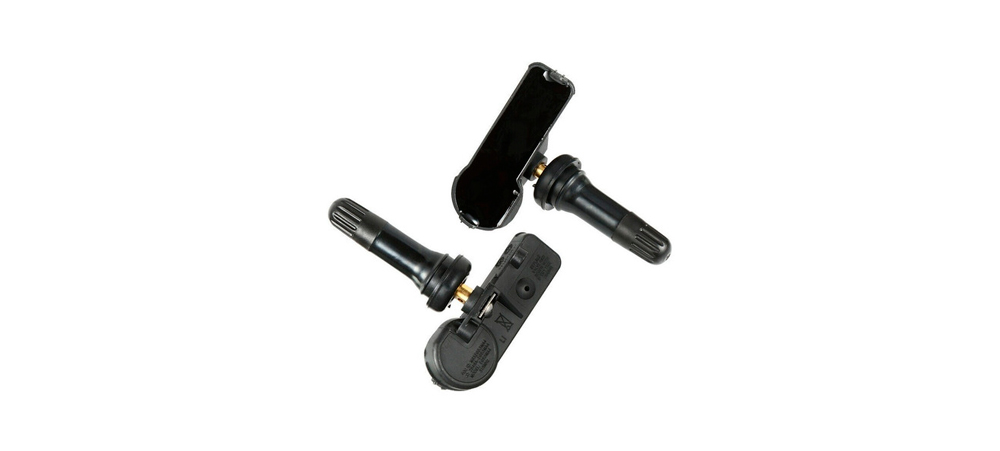
The Tire Pressure Monitoring System (TPMS) sensors are vital electronic components designed to enhance safety and efficiency while driving. They monitor tire pressure levels and provide alerts to the driver about any anomalies. This technical article explores common issues affecting TPMS sensors and offers targeted solutions to maintain the operability of your vehicle, ultimately contributing to safety and performance on the road.
Understanding TPMS: How It Works and Indications of Faulty Sensors
A faulty TPMS sensor typically manifests as the TPMS warning light illuminating on the dashboard, which is usually displayed as a tire icon with an exclamation mark inside. This essential safety system continuously monitors tire air pressure and reports real-time data to the driver. In a direct TPMS, each tire houses a sensor that measures not only pressure but also temperature and battery status. The data is transmitted to a control unit (TPMS ECU) that assesses whether the pressure is within the recommended range. If the pressure drops more than 25% below this threshold, a warning is triggered, alerting the driver to take appropriate action. Ensuring proper tire pressure is crucial, as underinflated tires can adversely affect factors such as braking efficiency, fuel consumption, tire longevity, and even generate excessive heat, leading to tire failure.
Common Issues Encountered with TPMS Sensors
Failures in TPMS sensors can stem from various causes, including internal battery depletion, physical damage, or communication interference. Understanding these issues is critical for accurate diagnostics and efficient resolution.
The Impact of Low Battery on TPMS Sensor Functionality
The sealed internal battery is the primary limitation to a TPMS sensor’s lifespan, usually lasting between 5 to 10 years or a mileage span of 100,000 to 160,000 kilometers, dependent on driving conditions and vehicle usage. A depleted battery will prevent the sensor from transmitting data, making sensor replacement necessary, as these batteries cannot be replaced individually. Factors like extreme temperature fluctuations—both high and low—can accelerate battery degradation. Additionally, frequent short trips prevent the sensors from entering sleep mode, further shortening battery life.
Potential Communication Failures with Damaged or Out-of-Sync TPMS Sensors
TPMS sensors communicate via radio frequencies generally in the range of 315 MHz to 433 MHz. Communication problems may surface due to several circumstances, including signal interference, loss of pairing with the vehicle’s control module, or desynchronization of the ECU caused by a total vehicle battery discharge. Signs of communication failures include weak signals or no response when engaging diagnostic tools. If tires have been rotated and the sensors haven’t been recalibrated or relearned, the displayed data may also be incorrect, leading to further confusion.
Common Physical Damages Leading to TPMS Sensor Malfunction
Physical damage is a relatively frequent cause of sensor malfunction. Since TPMS sensors are positioned inside the tire near the valve, they are susceptible to damage during tire mounting or dismounting if handled improperly. Corrosion from exposure to road salt, moisture, or other environmental factors can deteriorate critical sensor components. Additionally, a severe impact from hitting a curb or pothole may damage the diaphragm that measures tire pressure.
Diagnostic Tools and Methods for TPMS Sensor Failures
Accurate diagnosis of TPMS issues requires specialized tools and a systematic approach that goes beyond basic visual inspections, somewhat akin to the processes used in diagnosing ABS system failures.
Diagnostic Scanners Utilized for TPMS
To diagnose TPMS failures effectively, specialized scan tools that can activate the sensors, read their statuses (pressure, temperature, battery power, and IDs), and check overall system functionality are essential. Tools like the Autel MaxiTPMS TS408/TS508/TS601 and XTOOL IP819TP boast the capability to activate and diagnose over 98% of both OEM and aftermarket sensors (operating at 315 MHz or 433 MHz). These scanners can also read specific fault codes related to TPMS, such as C1235 for sensor malfunctions or C1237 for communication failures. Proper activation programming, whether via OBD2 or a reset button, is essential for the vehicle’s ECU to recognize new sensor identifiers.
Pressure Verification and Visual Inspection Techniques
The first step in diagnosing TPMS issues involves a manual pressure check using a reliable tire pressure gauge. It is crucial to cross-reference these readings with the manufacturer’s recommended pressure, usually located on a sticker on the driver’s door frame. The gauge’s accuracy is paramount; utilizing calibrated gauges that provide an accuracy of at least ±1 PSI is advisable. Furthermore, conducting a visual inspection for any physical damages or corrosion on valve stems and sensors is vital. Proper TPMS calibration must be performed to ensure accurate pressure readings in the system.
Technical Solutions for Addressing TPMS Sensor Issues
Once the problem has been successfully diagnosed, potential solutions typically include sensor replacement, reprogramming, or simple pressure adjustments to ensure reliability and maintain optimal vehicle performance, as elaborated in the complete guide to car repair and troubleshooting.
When Is a TPMS Sensor Replacement Needed and How Is It Reprogrammed?
Replacing a TPMS sensor becomes necessary if it fails to respond during activation, shows signs of a low or deteriorating battery, or is physically damaged or corroded. During replacement, ensuring that the new sensor is compatible with the vehicle’s TPMS system and matches the communication frequency (315 MHz or 433 MHz) is essential.
Upon installing the new sensor, programming and calibration become critical. Multiple relearning methods are available, such as:
- Auto-relearning: Some vehicles can automatically learn new sensor IDs after driving for a designated period, typically between 10 to 30 minutes at speeds above 30 mph.
- Stationary Relearning: This method requires a TPMS activation tool to trigger sensors while the vehicle is stationary.
- OBD-II Relearning: This involves using a diagnostic tool to transfer the new sensor IDs directly to the vehicle’s ECU via the OBD-II port, commonly used in Asian and select European vehicles.
It is advisable to program new sensors prior to mounting them on tires to ensure optimal communication frequency. After installation, the TPMS ECU needs to store the new IDs in memory for proper functionality.
Resolving Communication Issues and Verifying Pressure Effectively
To address communication issues, aside from replacing faulty sensors, all sensors should be activated, and the correct relearning procedure must be followed. If a sensor fails to initialize, attempting to move the vehicle can help as certain components may obstruct signals. Conducting regular tire pressure checks at least once a month and before long journeys is a vital component of TPMS maintenance and ensures overall vehicle safety. Typically, normal tire pressure for a car should range between 30 to 35 PSI, noting that this range can vary based on vehicle type and tire specifications.
Comparison Table: Solutions for Common TPMS Sensor Issues
| TPMS Sensor Problem | Common Symptoms | Recommended Technical Solution | Estimated Cost (Sensor + Labor) |
|---|---|---|---|
| Dead Battery | TPMS light continually on; “Sensor not detected” on dashboard; erratic or absent readings. | Replace the entire sensor (battery is non-replaceable). Includes programming and relearning. | Between $50 and $350 per sensor (OEM: $50-$200, Aftermarket: $20-$60). |
| Physical Damage | TPMS light on; air leak from the tire; visibly rusted or broken sensor at the valve. | Replace both the sensor and the valve. Includes programming and relearning. | Between $50 and $350 per sensor (OEM: $50-$200, Aftermarket: $20-$60). |
| Communication Failure/Desynchronization | Inconsistencies with the TPMS light after tire rotation or change; incorrect location readings. | Relearn the sensor (auto-relearn, stationary, or OBD-II) or reprogram if the communication frequency doesn’t match (315 MHz vs 433 MHz). | Labor costs for relearning: $50-$150. Often included with tire changes. |
Frequently Asked Questions (FAQs)
Is the TPMS system mandatory for all vehicles?
Yes, in the European Union, it has been mandatory for passenger cars since November 2012 (M1 and M1G). Starting July 1, 2024, it will also be required for newly registered commercial vehicles over 3.5 tons. In Mexico, all new vehicles will require TPMS starting in 2026.
Can I replace the battery of a TPMS sensor individually?
No, the batteries of TPMS sensors are sealed within the sensor housing and cannot be replaced. When the battery dies, you must replace the whole sensor.
What time frame is needed to reset a TPMS after inflating the tires?
Some vehicles will automatically reset the TPMS after driving for a duration between 5 to 10 minutes at speeds exceeding 30 mph, while others require pressing a reset button or utilizing a scan tool.
Can the TPMS light illuminate without an actual pressure issue?
Yes, the light may illuminate due to seasonal temperature changes, resulting in pressure drops; tire rotations without proper relearning; weak sensor batteries; or communication errors with the ECU.