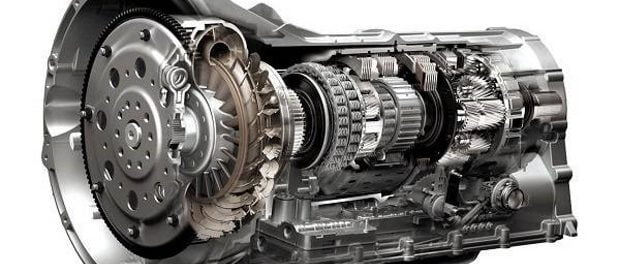
Automatic transmission failures often reveal themselves through distinct symptoms such as slipping gears, unusual noises, and overheating. Addressing these issues promptly is vital, as it plays a crucial role in ensuring the reliability and performance of your vehicle.
Identifying the early signs of transmission trouble can save you from more severe damage down the road. Symptoms can vary, but if gear shifts feel abrupt, if slipping occurs, or if you hear strange sounds, there’s a strong likelihood that the transmission fluid is either contaminated or degraded.
What Are the Main Symptoms of Automatic Transmission Failure?
Being attentive to the initial warning signs of transmission issues is essential to avoiding significant and expensive repairs. Common indicators include delayed shifting, slipping gears, and unexpected noises.
How Does Transmission Slipping Occur?
Transmission slipping occurs when the engine’s RPM surges rapidly while the vehicle does not accelerate as expected, producing a sensation of “slipping” or disconnection from the selected gear. This issue frequently arises from low or contaminated automatic transmission fluid (ATF) or a clogged filter. Insufficient fluid hampers the torque converter’s ability to effectively transmit engine torque.
What Does a Delay in Gear Shifting Indicate?
A noticeable delay when shifting gears, particularly from “Park” to “Drive,” often signals inadequate hydraulic pressure or issues with the shift solenoids. These critical electro-hydraulic valves regulate ATF flow; if they become damaged or blocked, they can lead to sluggish and erratic shifts.
Why Does the Transmission Produce Unusual Noises or Vibrations?
If you’re hearing noises such as buzzing, whining, or thudding, along with unusual vibrations, this suggests mechanical troubles. A metallic sound, especially at idle or low RPMs, may indicate wear in bearings or the torque converter’s stator. Rapid vibrations can hint at Torque Converter Clutch Shudder, a concern tied specifically to the lock-up clutch.
What Does a Burnt Smell from the Transmission Mean?
A burnt odor reminiscent of toast is a strong indicator of severe overheating in the ATF. When fluid is overheated, it degrades quickly, losing its essential lubricating and cooling properties, leading to accelerated wear on internal components. Burned ATF may appear dark brown or black.
What Are the Underlying Causes of Automatic Transmission Failures?
Automatic transmission failures can be attributed to a multitude of factors, from fluid condition to the wear of critical components and operational conditions of the vehicle.
How Does Low or Contaminated ATF Affect the Transmission?
Automatic Transmission Fluid (ATF) is crucial for lubrication, cooling, and transferring torque. Low ATF levels—often caused by leaks or skipped fluid changes (typically at intervals between 60,000 and 100,000 kilometers)—can result in insufficient hydraulic pressure and overheating. Contaminated ATF filled with metal shavings loses its lubricating capability, potentially clogging the transmission filter, which generally lasts about 60,000 km for internal filters and 80,000 km for external ones. Fluids like Dexron® IIIH, Mercon® V, or ATF +4 possess specific friction and thermal stability properties that help prevent deposits.
Why is Overheating Critical for Automatic Transmissions?
Overheating is one of the most damaging factors for automatic transmissions. The ideal operating fluid temperature ranges between 80°C and 93°C. Running the system continuously above 120°C accelerates oil degradation and drastically reduces its lifespan. While it can endure short bursts up to 149°C, temperatures exceeding 180°C can result in internal component deformation and catastrophic failures. An engine’s normal temperature falls between 90°C and 100°C; surpassing 120°C indicates critical overheating, necessitating that the cooling system dissipates at least 30% of the thermal energy generated by combustion temperatures, which can approach 2500°C. For additional insights on engine overheating, check our comprehensive automotive repair and troubleshooting guide.
What Role Do Worn Internal Components Play?
Wear on components like gears, clutches, and internal bands is a natural part of vehicle mileage. Worn gears may slip or fail to engage correctly, leading to erratic shifts. The torque converter, which plays a vital role in transferring engine power to the transmission, may also fail due to fluid leaks or wear on parts like the stator, pump, or turbine, affecting shift slip and potentially inducing ATF overheating.
What Are Specific Solutions for Automatic Transmission Problems?
Effective solutions for automatic transmission issues often depend on thorough diagnostics, which can necessitate a diagnostic scan and a detailed physical inspection of the transmission system.
When is a Fluid and Filter Change Sufficient?
When issues are detected early and relate to fluid quality or levels, changing the ATF and transmission filter can resolve the problem. It’s crucial to use the specific type of fluid recommended by the vehicle manufacturer, like Dexron VI for General Motors or Mercon V for Ford, to ensure proper function and protection of the transmission. Vehicles with internal filters should undergo maintenance every 60,000 km, while those with external filters should be serviced approximately every 80,000 km.
When is Component Repair or Replacement Necessary?
Severe problems, such as persistent metallic noises, significant slipping, or harsh and delayed shifts, usually indicate internal wear or failure of the torque converter or valve body. Replacing a torque converter in Spain can cost between €600 to €1,200 depending on the model and whether it’s a rebuilt or new unit, while in Latin America, the price varies from $300 to $900 USD, potentially higher for imported or high-end vehicles. Repairing or replacing solenoids, the valve body, or conducting a complete transmission rebuild may be necessary to restore optimal functionality.
What Are the 5 Most Common Issues with CVTs?
Continuously Variable Transmissions (CVTs) utilize a belt or chain along with variable diameter pulleys to provide an infinite range of gear ratios, ultimately enhancing fuel efficiency and providing a smooth driving experience compared to conventional automatic transmissions. For more in-depth information on CVT technology, read our dedicated article. However, this distinct design makes them prone to specific challenges.
Why Does Belt or Chain Slipping Occur in CVTs?
Belt or chain slipping is a frequent failure in CVTs, presenting as a loss of power or poor acceleration despite increased engine RPM. This dilemma occurs when the belt or chain fails to maintain appropriate traction against the variable pulleys, obstructing effective power transfer. Main causes include worn CVT-specific ATF, which loses essential friction properties, or incorrect hydraulic pressure in the pulley system.
What Causes Premature Wear on Pulleys in CVTs?
The pulleys in CVTs experience considerable pressure and friction while adjusting gear ratios. Utilizing incorrect or degraded ATF, or overheating, can exacerbate wear on the pulley surfaces, resulting in vibrations, unusual noises, and slipping. Deterioration of internal components can ultimately lead to pulley failure.
How Do Torque Converter Issues Manifest in CVTs?
Although CVTs do not utilize fixed gears, they still employ a torque converter. Problems such as noises during acceleration, odd vibrations, or a delay in engaging “Drive” or “Reverse” may point toward issues with the CVT-specific torque converter. This typically relates to fluid degradation or wear within the converter’s internal components.
What Electronic Failures Affect CVTs?
CVTs depend heavily on sensors and the Transmission Control Unit (TCU) to manage gear ratios. Failures in sensors like the Speed Sensor (TSS and OSS) or Throttle Position Sensor (TPS) can transmit inaccurate data to the TCU, resulting in erratic shifting or a poor acceleration response. Problems with the temperature sensor can also lead to overheating and system lockup.
Why Does Overheating Occur in CVTs?
Overheating is a primary failure in CVTs caused by continuous friction between the belt and pulleys. An inadequate cooling system or low fluid levels can compound this issue, leading to ATF degradation and premature component wear. When a CVT overheats, it may trigger computer lockup, resulting in internal degradation, pulley and belt failure, and sensor malfunctions. The ideal operating temperature for ATF is 80°C; overheating occurs when temperatures exceed 93°C.
Comparative Table of Automatic Transmission Fluids (ATF)
Selecting the right ATF is critical for the performance and longevity of your automatic transmission as specifications can vary vastly between manufacturers and transmission types.
| ATF Specification | Main Transmission Type | Key Features | Common Brands/Models | Optimal Operating Temperature (ºC) |
|---|---|---|---|---|
| Dexron VI | Conventional Automatic | Improved oxidation stability, increased durability, enhanced fuel efficiency | General Motors (recent models), Hyundai, Mazda, Suzuki | 80-93 |
| Mercon V | Conventional Automatic | Better wear protection, increased durability, optimized friction control | Ford (recent models), Mazda, Mercury, Lincoln | 80-93 |
| ATF +4 | Conventional Automatic | Low temperature stability, shear resistance, anti-wear properties | Chrysler, Dodge, Jeep, Ram | 80-93 |
| CVT Fluid | Continuously Variable (CVT) | Optimized metal-to-metal friction for belt/pulley, high heat resistance | Nissan, Honda, Subaru, Mitsubishi (specific models) | 80-93 (critical not to exceed 120) |
Frequently Asked Questions (FAQ)
What is the expected lifespan of an automatic transmission?
A well-maintained automatic transmission can endure over 200,000 kilometers; however, inconsistent maintenance or operating under heavy loads can significantly shorten its lifespan.
What is line pressure in an automatic transmission?
Line pressure refers to the hydraulic pressure necessary for engaging gears in an automatic transmission, directly affecting the firmness and smoothness of shifts. Typical line pressure readings in Park and Neutral for a GM 4L60E range from 30-40 PSI and 85-95 PSI in Reverse.
How often should I check my transmission fluid level?
It’s advisable to monitor your transmission fluid level every 10,000 to 20,000 kilometers or at least once a year, ensuring the engine is warm and the vehicle is parked on a level surface.
Is it possible to repair a CVT, or must it always be replaced?
This depends on the extent of the damage; minor issues such as sensor failures or degraded fluid can typically be repaired, while significant damage to the belt or pulleys often necessitates a full replacement due to complex and costly rebuilding.
What role does the torque converter lock-up clutch play?
The lock-up clutch in the torque converter creates a direct mechanical connection between the engine and transmission at specific speeds, eliminating hydraulic slippage and enhancing fuel efficiency, typically engaging above 60 km/h.