The rapid adoption of electric vehicles (EVs) signifies a pivotal move towards a greener future. However, this transition also underscores the critical importance of the electric car battery recycling process and sustainability practices. Establishing a circular economy for EV batteries is essential to minimize environmental impact, conserve finite resources, and secure the raw materials needed for the ongoing electrification of transportation.
Through effective recycling, spent EV batteries can be transformed from potential waste into valuable assets, fostering both ecological preservation and economic viability. This comprehensive guide explores the intricate mechanisms of EV battery recycling, highlights its sustainability benefits, and introduces the innovative solutions shaping the industry’s future.
Why is Electric Car Battery Recycling Crucial for Sustainability?
Electric car battery recycling is crucial for several compelling reasons, extending beyond mere waste management. It is a cornerstone for a sustainable future, reducing reliance on virgin materials and mitigating the environmental damage linked to mining operations.
- Resource Conservation: EV batteries house valuable and finite resources, such as lithium, cobalt, nickel, and manganese. Recycling recovers and reuses these essential materials, diminishing the need for new mining ventures.
- Reduced Environmental Impact: Mining and processing new materials is energy-intensive and can result in significant greenhouse gas emissions, habitat destruction, and water pollution. Recycling markedly lowers these environmental footprints.
- Hazardous Waste Reduction: Improper disposal of EV batteries can cause environmental contamination from toxic chemicals. Recycling prevents these hazardous substances from infiltrating landfills or being incinerated, safeguarding soil, water, and human health.
- Circular Economy Enablement: Recycling fosters a closed-loop system, where materials are continuously reused, minimizing waste and bolstering the resilience of the EV supply chain against material shortages.
Moreover, extending the lifespan of EV batteries through judicious use further contributes to sustainability. For further insights into maximizing battery life, check our guide on Best Tips to Extend Electric Car Battery Life.
What is the Electric Car Battery Recycling Process?
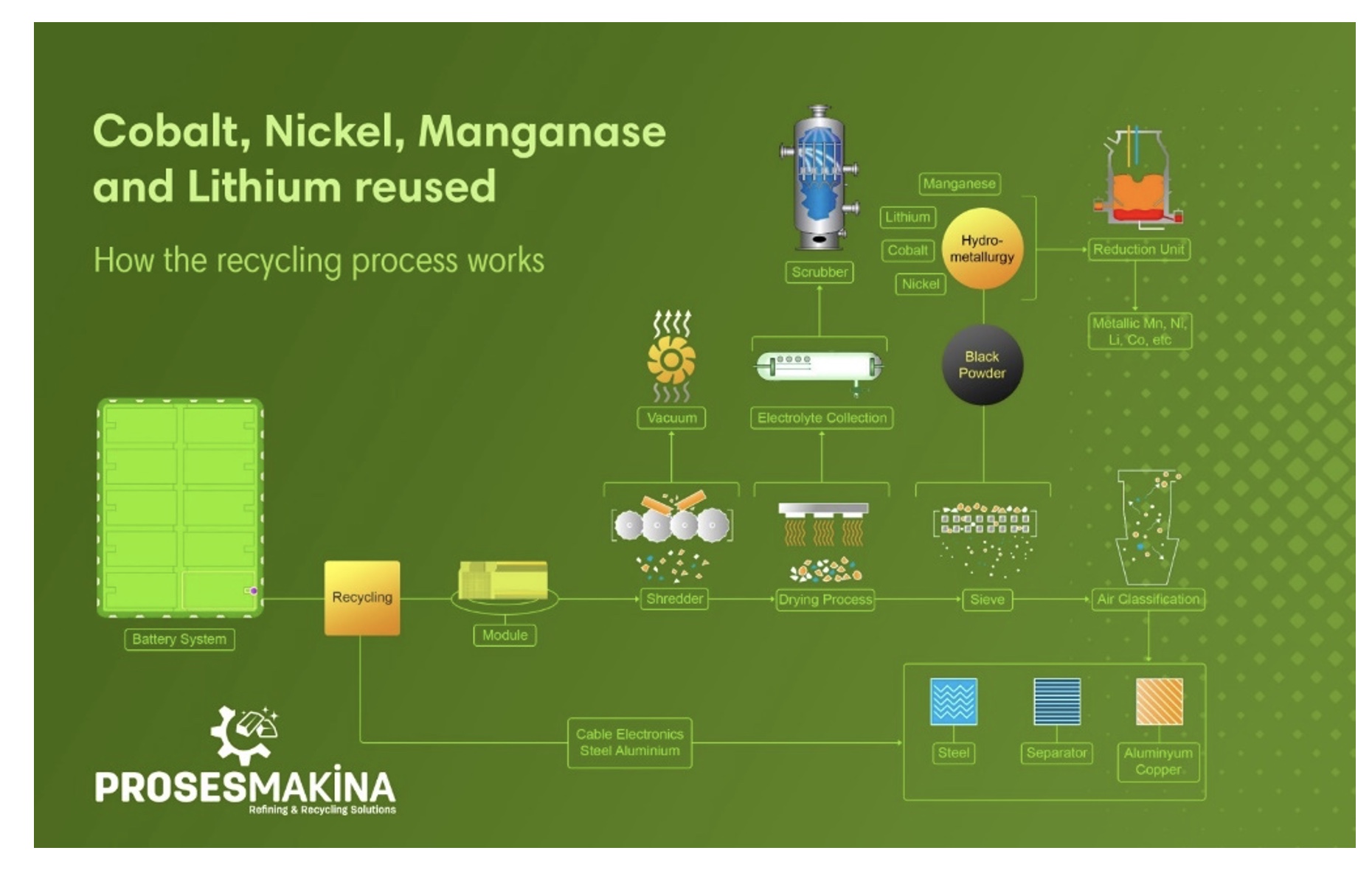
The electric car battery recycling process is a meticulous multi-step procedure aimed at safely dismantling batteries and recovering their valuable components. This complex operation relies on specialized facilities and technologies to ensure efficiency while minimizing environmental impact.
How are EV Batteries Collected and Transported?
The first step involves the collection of spent EV batteries from various sources, including dealerships, repair shops, and private users. A robust logistics network is essential for the efficient gathering of these used batteries.
During transportation, specialized care is taken to avoid hazards such as short circuits or leaks. Adhering to strict environmental and safety regulations is paramount at this stage.
What are the Key Stages of Dismantling and Pre-treatment?
Upon arrival at the recycling facility, batteries undergo pre-treatment to enhance safety and manageability for further processing. This stage is crucial for protecting workers and ensuring efficient material separation.
- Discharging: Batteries are discharged to eliminate any residual energy, neutralizing potential electrical hazards.
- Dismantling: Battery packs are carefully disassembled to separate individual cells and modules from plastic and metal components. Emerging technologies like automated robotic disassembly enhance precision and safety.
- Shredding: The separated cells are shredded or crushed into a fine powder, known as “black mass,” which facilitates subsequent material separation.
- Mechanical Separation: Processes such as sieving, magnetic separation, and flotation are employed to distinguish different components like aluminum, copper, and plastics from the black mass.
How are Valuable Materials Recovered from EV Batteries?
After pre-treatment, the black mass undergoes advanced processes to extract and purify valuable metals. Key methods utilized include pyrometallurgy and hydrometallurgy, while direct recycling is an emerging, highly efficient alternative.
Below is a comparative overview of common recovery methods:
| Method | Description | Pros | Cons | Recovery Rates (approx.) |
|---|---|---|---|---|
| Pyrometallurgy (Smelting) | High-temperature process that melts materials in a furnace, effectively separating molten metals from slag. | Suitable for mixed battery chemistries; well-established technology. | Energy-intensive (3-5 MWh/ton); higher carbon footprint; lower lithium recovery rates. | Nickel: 90-98%; Cobalt: 90-98%; Lithium: 30-50%. |
| Hydrometallurgy (Chemical Leaching) | Utilizes chemical solvents (acids/alkalines) to dissolve and isolate valuable metals from shredded materials. | Higher efficiency; produces less waste and requires less energy than pyrometallurgy. | Can be more expensive than pyrometallurgy. | Lithium: 70-95%; Cobalt: 90-98%; Nickel: 85-95%. |
| Direct Recycling | An innovative method that preserves battery materials (especially cathode) in their usable form, minimizing reprocessing needed for new batteries. | Significantly enhances material recovery; reduces energy consumption (80-90% less than traditional methods). | Sensitivity to feedstock consistency; requires manual labor. | Nickel, Cobalt, Manganese: up to 99.6%; Lithium: up to 96.5% (achieved in pilot programs). |
What are the Challenges in EV Battery Recycling?
Despite advancements, the EV battery recycling industry grapples with several challenges that demand innovative solutions and strategic developments. These complexities affect the scalability and economic viability of recycling operations.
- Diverse Battery Chemistries and Designs: The variety of battery chemistries (e.g., NMC, LFP, NCA) and complex battery pack designs necessitate tailored recycling approaches, complicating standardization and raising costs.
- Lack of Standardized Infrastructure and Regulations: Many regions lack the necessary infrastructure and established logistics networks for safe large-scale battery collection and transportation. Evolving regulations can vary significantly by area.
- Economic Viability and Material Volatility: Fluctuating prices of critical raw materials can occasionally make mining new materials financially more attractive than recycling. The diminished cobalt content in newer battery chemistries can also reduce the economic incentive for recycling.
- Safety Concerns: Handling and dismantling high-voltage battery packs necessitate stringent safety protocols due to risks such as short circuits, fires, and toxic leaks.
- Technical Difficulties in Material Recovery: Recovering specific elements, such as lithium and aluminum, presents challenges with some methods, underscoring the importance of maintaining material purity for reuse in new battery production.
What Innovations are Shaping the Future of Battery Recycling?
The industry is innovating swiftly to surmount current challenges, propelled by technological advancements and an urgency for sustainable practices. These innovations are setting the stage for more efficient and environmentally conscious recycling processes.
- Advanced Direct Recycling: This method emphasizes the preservation of cathode and anode materials, reducing both energy consumption and producing high-value products suitable for immediate reuse in new batteries.
- Automated Disassembly: Robotic systems are being developed for precise and safe dismantling of battery packs, enhancing throughput while minimizing manual labor.
- Biometallurgy: Research is examining the potential of biological agents (e.g., bacteria) to selectively extract valuable metals, offering a more environmentally friendly approach.
- “Design for Recycling” Batteries: Manufacturers are increasingly adopting designs that simplify disassembly and material separation, facilitating the end-of-life process.
- Second-Life Applications: Before complete recycling, EV batteries that have diminished capacity are repurposed for less demanding applications, prolonging their usable life. Examples include stationary energy storage systems in residential sectors.
- Examples: Grid storage, applications in renewable energy systems (e.g., pairing with solar), home backup power, and EV charging stations.
- Electrochemical Recycling: Emerging methods like electro-dissolution and electrodeposition are designed to reduce dependency on costly chemicals while enabling more efficient recovery of high-purity metals.
- Utilizing Battery Acid Waste: Innovative research is exploring potential applications for spent EV battery acid, such as treating waste plastics to yield industrially valued chemicals and hydrogen.
How Does EV Battery Recycling Contribute to a Circular Economy?
The concept of a circular economy is fundamental to global sustainability efforts, and EV battery recycling serves as a prime illustration of its implementation. It represents a transformative shift from a linear “mine-manufacture-use-dispose” model to one prioritizing resource efficiency and regeneration.
By recovering and reintegrating materials into the supply chain, recycling:
- Reduces Demand for Virgin Resources: It diminishes the necessity for mining new raw materials, thereby lessening the environmental footprint associated with resource extraction.
- Lowers Manufacturing Energy & Emissions: Creating new batteries from recycled materials requires significantly less energy and results in lower greenhouse gas emissions compared to using virgin materials.
- Enhances Supply Chain Security: Establishes a domestic or regional source for essential battery materials, diminishing geopolitical risks and reliance on unstable supply chains.
- Minimizes Waste: Diverts end-of-life batteries from landfills, preventing pollution while maximizing the utility of valuable components.
- Spreads Asset Utilization: Through second-life applications, the economic and environmental value of batteries is extended, contributing to resource optimization.
Frequently Asked Questions About Electric Car Battery Recycling
Are all EV batteries recyclable?
Yes, all EV batteries are recyclable, with processes continually evolving to recover valuable materials like lithium, cobalt, and nickel. The specific recycling approach may vary based on the type of battery chemistry (e.g., lithium-ion, nickel-metal hydride).
What happens to recycled battery materials?
Recycled battery materials are purified and processed to render them suitable for manufacturing new batteries. They may also find applications in other industries, effectively re-entering the supply chain and bolstering a circular economy.
Is electric car battery recycling economically viable?
The economics of battery recycling are rapidly improving. While it has been historically expensive, advancements in technology, rising material recovery rates, and an increasing demand for recycled content are rendering it more viable. Analysts predict that costs will decline, with the market projected to expand significantly.
What is the average lifespan of an EV battery?
Most EV batteries are engineered to last 10-15 years in automotive applications, frequently extending beyond that period while still retaining adequate capacity for second-life applications. For comprehensive details, consult our article on Electric Car Battery Longevity: How to Extend Your EV Battery’s Lifespan.
What are “second-life” applications for EV batteries?
Second-life applications involve repurposing used EV batteries that no longer meet the performance standards for automotive use yet still retain significant capacity (about 80%). These batteries are utilized in less demanding roles, including stationary energy storage systems, grid balancing, and renewable energy integration.