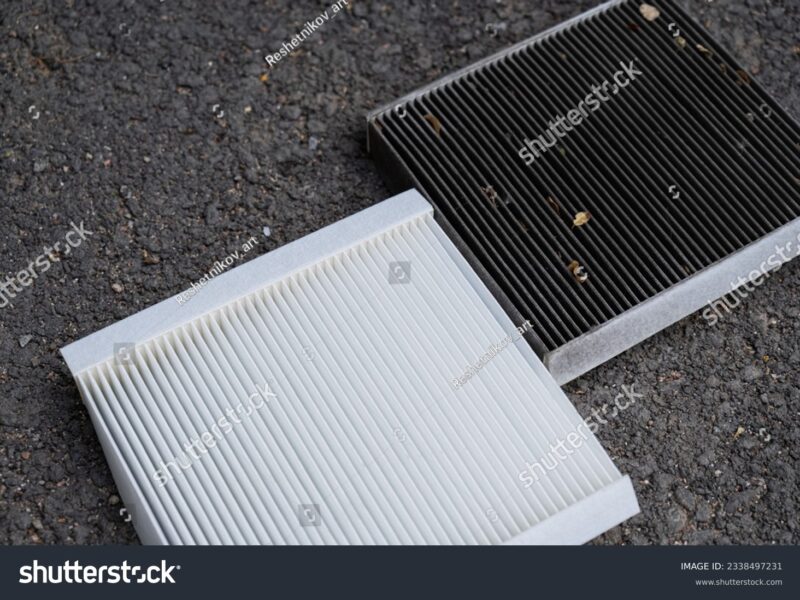
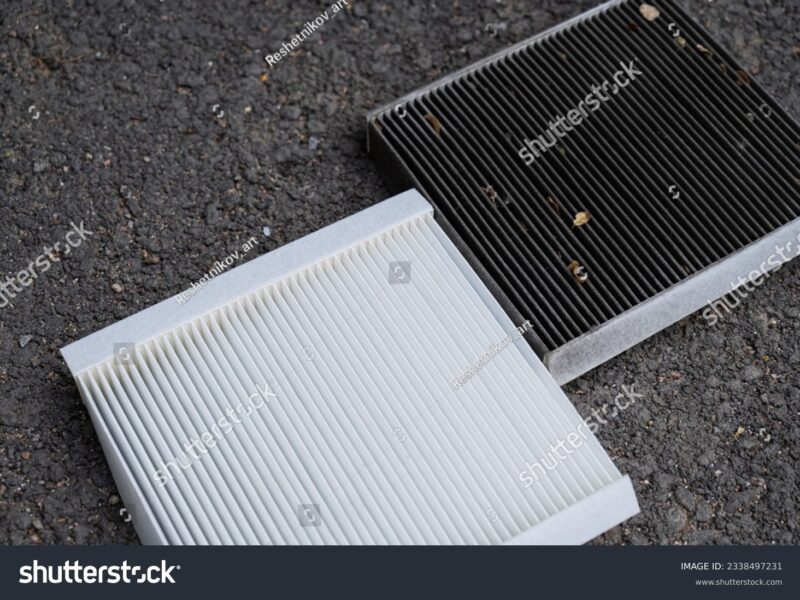
Imagine driving your vehicle on a sunny day, windows down, feeling the warmth of the sun, yet sensing a tickle in your throat or a sneeze building up. This scenario reflects a reality many allergy sufferers face. A cabin air filter plays a crucial role in transforming this experience into one of comfort and ease. Situated within your vehicle’s heating, ventilation, and air conditioning (HVAC) system, it serves as a gatekeeper, purifying the air flowing into the passenger compartment. By effectively trapping airborne contaminants, it enhances the air quality inside your vehicle and significantly alleviates allergy symptoms for everyone on board.
What is a Cabin Air Filter and How Does it Mitigate Allergens?
A cabin air filter acts as a physical shield against airborne pollutants, preventing them from circulating within the car’s interior. As the HVAC system draws in outside air, this air passes through the filter, which ensnares allergens and impurities before they can irritate sensitive occupants. This process is vital for ensuring a refreshing and breathable in-car environment, particularly for those prone to allergies.
The filter’s design—often crafted from pleated paper, synthetic fibers, or multi-layered media—works diligently to trap a multitude of airborne contaminants. Common allergens such as pollen, dust, and mold spores are effectively captured, leading to a notable decrease in allergy symptoms, including sneezing, watery eyes, and congestion for vehicle occupants.
What Types of Airborne Contaminants Does a Cabin Air Filter Block?
Engineered meticulously, cabin air filters are adept at blocking a diverse array of airborne contaminants, essential for maintaining a healthy interior atmosphere. These filters primarily target and capture prevalent allergens and pollutants, ensuring a cleaner ride.
- Pollen: One of the most significant seasonal allergens, with grains typically measuring 10-100 microns. Cabin air filters effectively trap these particles, especially during peak allergy seasons.
- Dust: Microscopic dust particles, along with dust mites (10-20 microns), are filtered out, preventing their accumulation inside the cabin.
- Mold Spores: Tiny fungal reproductive cells (3-40 microns) that can trigger respiratory issues are captured efficiently, particularly in humid conditions.
- Pet Dander: Flecks of skin from animals (2.5-10 microns) are also kept at bay, mitigating the discomfort for those with pet allergies.
- Environmental Pollutants: Beyond allergens, these filters also intercept harmful substances such as soot, exhaust fumes, industrial dust, smoke, and other particulate matter (PM2.5, PM10), contributing to a cleaner cabin environment.
What are the Different Types of Cabin Air Filters and Their Efficacy Against Allergies?
Cabin air filters come in various types, each with distinctive filtration capabilities and efficiency against allergens and pollutants. Understanding these filter options can significantly influence your quality of air and overall comfort within the vehicle, leading to effective cabin air filter allergy relief symptoms.
| Filter Type | Primary Filtration Mechanism | Allergen Filtration Efficacy | Odor/Gas Filtration |
|---|---|---|---|
| Particulate Filter (Standard) | Mechanical trapping of solid particles | Good (removes pollen, dust, dirt, soot; typically 90-99% of 5-100 micron particles) | Minimal |
| Activated Carbon Filter | Mechanical trapping + chemical adsorption (activated carbon) | Excellent (traps finer particles, also removes harmful gases and odors) | Excellent (absorbs odors, VOCs, exhaust fumes, nitrogen oxides) |
| HEPA-grade Filter | High-efficiency mechanical trapping of microscopic particles | Superior (captures 99.97% of particles 0.3 microns or larger, including bacteria and viruses) | Minimal (unless combined with activated carbon) |
| Biofunctional/Anti-allergen Filter | Multi-layered, often with special coatings (e.g., polyphenol, antimicrobial) | Superior (captures and inactivates allergens, prevents mold/bacteria growth) | Good to Excellent (depending on carbon layer) |
While particulate filters efficiently eliminate larger irritants like pollen and dust, activated carbon filters provide an essential layer of protection by absorbing noxious odors and harmful gases that might aggravate allergies. For those seeking optimal defense, HEPA-grade filters deliver unrivaled performance, trapping nearly all particles as small as 0.3 microns, including microscopic allergens, bacteria, and viruses. Selecting the right filter is vital for optimal cabin air filter performance against allergens.
How Does a Clogged Cabin Air Filter Affect Indoor Air Quality and Allergy Sufferers?
A clogged cabin air filter significantly compromises the air quality inside a vehicle, aggravating allergy symptoms for all occupants. Over time, as filters gather dust, pollen, and other pollutants, their effectiveness diminishes.
This buildup reduces the filter’s ability to block new allergens and restricts airflow, causing the HVAC system to exert extra effort. Consequently, this can result in unpleasant odors, often musty, due to mold and bacterial growth on the filter surface. For allergy sufferers, this means greater exposure to irritants, intensifying discomfort such as respiratory issues, coughing, sneezing, and other allergic reactions while driving.
What is the Recommended Replacement Schedule for Cabin Air Filters to Maintain Allergy Relief?
To maintain effective allergy relief, it’s important to follow a regular cabin air filter replacement schedule. Most manufacturers suggest changing the cabin air filter every 12,000 to 15,000 miles, or at least annually.
For those suffering from allergies, more frequent replacements are often advisable—ideally before pollen season begins or when driving in environments with heavy traffic, dusty roads, or high pollution levels. Some experts even recommend checking the filter every few months. Ignoring a dirty filter can lead to reduced airflow, diminished filtration capabilities, and a worsening of allergy symptoms. Replacing your filter is a straightforward DIY task that can vastly improve your in-car air quality.
How often should I change my cabin air filter if I have severe allergies?
If you suffer from severe allergies, consider changing your cabin air filter more frequently than standard recommendations—ideally every six months or even every 30 days during peak allergy seasons or if you frequently drive through heavily polluted areas.
Can a cabin air filter prevent all allergy symptoms in a car?
While a cabin air filter can substantially reduce airborne allergens and alleviate many allergy symptoms, it doesn’t completely eliminate them. Allergens can still enter the vehicle through open windows or be transported into the car on clothing, settling on interior surfaces. To maximize effectiveness, it’s recommended to combine using the filter with regular interior cleaning.
Are all cabin air filters equally effective at trapping allergens?
No, cabin air filters vary significantly in their effectiveness against allergens. Filter types range from basic particulate filters to advanced activated carbon, HEPA-grade, and biofunctional models, each offering differing levels of filtration and odor/gas absorption capabilities.