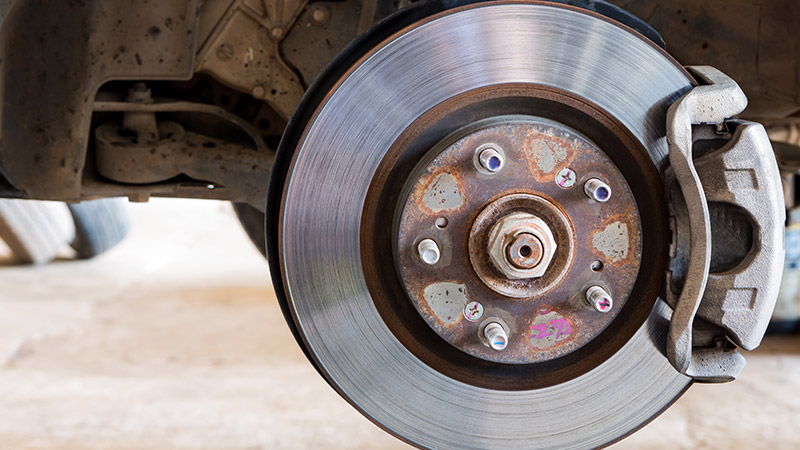
A stripped brake bleeder screw can turn a routine maintenance task into a complicated automotive nightmare. This small yet critical component allows for the removal of air from the brake system, ensuring the safety and functionality of a vehicle’s braking system. The term “stripped” typically refers to a rounded hex head that makes tool usage difficult or damaged threads within the brake caliper, resulting in leaks or ineffective bleeding.
Addressing a stripped bleeder screw is essential for restoring brake performance and avoiding safety risks, such as a spongy brake pedal or total brake failure. Understanding the underlying causes, implementing effective repair solutions, and adopting preventive measures are key steps. This comprehensive guide delves deeper into the causes, solutions, prevention strategies, technical data, and the current market landscape for this common issue, providing valuable insights for both DIY enthusiasts and professional mechanics.
Definition and Function of the Brake Bleeder Screw
What is a Brake Bleeder Screw?
A brake bleeder screw is a small screw located in the brake system that allows for the expulsion of air from the hydraulic system. Proper bleeding is crucial for maintaining optimal brake performance.
Functionality:
- Facilitates the expulsion of air and the entry of new fluid during the bleeding process.
- Ensures that the brake system operates efficiently by maintaining consistent pressure.
Causes of Wear and Stripping
Common Causes of Stripped Bleeder Screws:
- Corrosion: Exposure to elements like moisture and road salt can lead to corrosion, complicating screw removal.
- Incorrect Tool Usage: Utilizing improper tools, such as a screwdriver of the wrong size or quality, can result in slippage.
- Lack of Maintenance: Failing to bleed brakes regularly can lead to a clogged system, making it more susceptible to damage.
Technical Specifications
Materials:
Typically, bleeder screws are made of stainless steel or treated metal for corrosion resistance.
Sizes and Threads:
Bleeder screws vary by manufacturer and vehicle model, commonly featuring metric or imperial threads.
Working Pressure:
They must withstand typical brake system pressures, usually ranging from 800 to 1500 psi.
Solutions for a Worn Bleeder Screw
Using Extraction Tools:
- Screw Extractors: Specialized tools designed for removing stripped screws. Kits often include various sizes.
- Controlled Loss Drills: Drills that remove the screw without damaging the internal threads of the housing.
Replacement:
If extraction is impossible, replacing the screw is the best solution. Prices vary based on type and manufacturer:
- Brake bleeder screw: $5 to $30, depending on brand and vehicle model.
Heat Techniques:
Applying heat to the area around the screw can expand the metal and facilitate extraction.
Preventing Future Failures
Regular Maintenance:
Establish a routine bleeding schedule, especially in humid climates.
Application of Anti-Corrosives:
Utilize sprays or oils that protect threads and help prevent corrosion.
Correct Tool Usage:
Always use the correct tool to prevent slippage.
Visual Inspection:
Conduct periodic reviews of the screw’s condition to detect signs of wear or corrosion.
Market Information and Pricing
| Replacement Prices | Estimated Price Range | Notes |
|---|---|---|
| Standard Bleeder Screws | $5 to $15 for general consumer vehicles. | Aftermarket options from brands like Dorman usually range from $3.29 to $8.59. |
| High-Performance or Specialized Screws | $5.99 to $50 or more. | Stainless steel options can cost about $5.99 for a pack of two. |
| Screw Extractor Kits | $10 to $50, depending on type and brand. | More comprehensive kits like S.U.R.&R. cost between $80 and $160. |
Conclusion
The importance of proper maintenance and repair of brake bleeder screws cannot be overstated. By proactively addressing issues and following best practices, vehicle owners can avoid costly repairs and ensure the safety of their vehicle. An article that compiles all this technical information, including graphics, images of tools, and case study examples, could rank well in search engines due to its in-depth content and practical focus.
Frequently Asked Questions About Stripped Brake Bleeder Screws
Can brakes be bled with a stripped bleeder screw?
Generally, it is not possible to bleed the brakes properly with a severely stripped bleeder screw. If the head of the screw is merely rounded but still allows some grip with a specialized tool, it might be possible to loosen it enough for a temporary bleed. However, if the head is gravely damaged, flush with the caliper, or the internal threads are stripped, effective bleeding is impossible. In such cases, air may enter the system, or fluid may not be expelled properly, leading to compromised braking performance and an unsafe condition.
What is the best penetrating oil for stuck brake parts?
Highly recommended penetrating oils for stuck brake components include Kano Kroil, PB Blaster, and Free All. These products are specifically formulated to penetrate tight spaces, dissolve rust and corrosion, and lubricate metal surfaces, significantly assisting in the removal of stuck fasteners. Allowing adequate soak time—typically several hours or overnight—is crucial for optimal effectiveness.
When should a brake caliper be replaced due to a stripped bleeder screw?
A brake caliper should be considered for replacement when the stripped bleeder screw has rendered it irreparable or when estimated repair costs approach or exceed the cost of a new or remanufactured caliper. This includes scenarios where:
- All attempts to extract the bleeder screw have failed.
- The bleeder screw is flush or below the surface of the caliper.
- The internal threads where the bleeder screw seats are entirely destroyed.
- The costs of specialized tools, extensive labor, and risks of additional damage exceed simply installing a new or remanufactured caliper.
Why are torque specifications important for brake bleeder screws?
Adhering to precise torque specifications for brake bleeder screws is critical to prevent overtightening. Overtightening can damage the screw threads or the caliper, which can lead to fluid leaks. Proper torque ensures a secure seal, preventing air from entering and fluid from escaping, which is essential for safe braking performance. Torque specifications are surprisingly low, typically ranging from 6 to 10 ft-lbs. Always consult your vehicle’s service manual for exact specifications.
Are there special considerations for bleeding brakes on vehicles with ABS?
Yes, bleeding brakes on vehicles equipped with Anti-lock Brake Systems (ABS) often requires special considerations beyond conventional manual bleeding. Many modern ABS modules contain internal valves and pumps that can trap air, necessitating specialized tools to perform a “service ABS bleed” or “automated bleeding procedure.” Manual bleeding alone may not remove all air, potentially leading to a spongy pedal and incomplete braking.