The question on many performance car enthusiasts’ minds is whether carbon ceramic brakes are worth it. The answer is not black and white. It depends on your driving priorities and how you use your vehicle. For those dedicated to the track, owners of exotic supercars, or anyone prioritizing ultimate performance, the substantial investment often stands justified. Yet, for the average street-driven sports car or daily commute, the high initial and replacement costs can overshadow the practical advantages offered by these advanced braking systems.
Constructed from a carbon fiber-reinforced ceramic matrix composite, carbon ceramic brakes deliver unmatched stopping power and heat resistance. This makes them a pinnacle of automotive braking technology, perfectly designed for enthusiasts who demand excellence.
What is the composition and operational principle of carbon ceramic brakes?
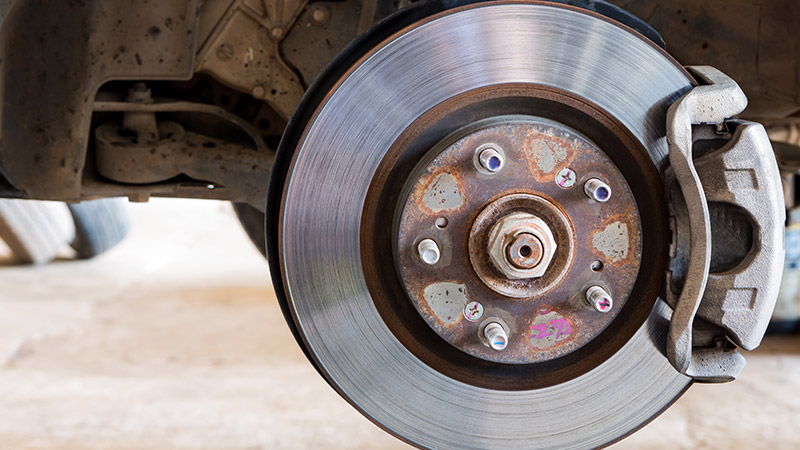
Carbon ceramic brake rotors are crafted from a sophisticated composite material that combines carbon fibers with a silicon carbide matrix. This process involves an intricate multi-stage approach, including carbon fiber preforms, resin impregnation, pyrolysis, and silicon infiltration. This advanced composition provides the rotors with exceptional hardness, thermal conductivity, and outstanding resistance to heat distortion and wear. When you press the brake pedal, specialized carbon ceramic brake pads engage with the rotor, converting kinetic energy into thermal energy through friction. This cutting-edge material quickly dissipates heat, ensuring consistent braking performance during prolonged, heavy use—an essential feature to avert brake fade. In contrast, traditional cast iron brakes, made from simpler iron alloys, are more prone to heat buildup and performance decline in intense scenarios. The evolution of automotive braking systems showcases ongoing innovations aimed at enhancing heat management and durability.
What are the definitive advantages of carbon ceramic brakes for performance vehicles? (Carbon Ceramic Brakes Pros)
The key advantages of carbon ceramic brakes significantly elevate a performance vehicle’s dynamic capabilities and enhance driver confidence. Firstly, one of the most compelling benefits is reduced unsprung weight. Each carbon ceramic rotor can weigh up to 50% less than its cast iron counterpart, resulting in an overall weight reduction of approximately 20-30 lbs across all four wheels. This reduction directly enhances suspension response, steering precision, and overall handling, enabling the wheels to follow road contours more adeptly.
Secondly, these brakes offer exceptional thermal stability, providing virtually unparalleled fade resistance. Carbon ceramic rotors can endure operating temperatures exceeding 1,000 degrees Celsius (1,832 degrees Fahrenheit) without significant performance degradation. This means consistent stopping power during eventful track days or spirited drives, making them ideal for high-energy braking scenarios. Additionally, carbon ceramic brakes boast a remarkably longer lifespan for rotors under typical road conditions, frequently lasting the lifetime of the vehicle—potentially over 100,000 miles—if not subjected to aggressive track abuse. Finally, these brakes are inherently corrosion-resistant, preventing rust and maintaining aesthetic appeal while producing significantly less brake dust, which keeps wheels cleaner.
What are the primary disadvantages and key considerations for carbon ceramic brakes? (Carbon Ceramic Brakes Cons)
Despite their many performance advantages, carbon ceramic brakes come with notable drawbacks that could influence their overall value. Foremost among these is their prohibitive initial cost; adding them to a new vehicle can elevate the purchase price by tens of thousands of dollars (often ranging from $8,500 to $15,000 or more as an option). Replacement costs for both rotors and pads are also exorbitant, frequently amounting to thousands per rotor, potentially leading to five-figure expenses for an entire brake system.
Secondly, carbon ceramic brakes necessitate reaching optimal operating temperatures for peak friction and pedal feel. At lower temperatures, they may feel less responsive or “grabby” and can also produce squealing sounds, making them less desirable for short daily commutes or colder climates. Moreover, due to their brittle nature, they are more susceptible to damage from impacts like hitting a curb or encountering road debris, translating to costly rotor replacements.
Additionally, while they are durable under regular road use, aggressive use on the track can accelerate pad and rotor wear, requiring regular inspections and potentially expensive replacements. This can lead to a reduced perceived long-term value, especially for those serious about racing.
How do carbon ceramic brakes compare to cast iron brakes?
Grasping the differences between carbon ceramic and traditional cast iron braking systems is vital in assessing their cost-effectiveness for your individual needs. The following table illustrates key comparative attributes:
| Attribute | Carbon Ceramic Brakes | Cast Iron Brakes |
|---|---|---|
| Material Composition | Carbon fiber reinforced silicon carbide matrix | Gray iron or ductile iron alloy |
| Weight (per rotor) | Significantly lighter (e.g., 6-7 kg), up to 50% less | Heavier (e.g., 12-15 kg) |
| Heat Resistance | Excellent, over 1000°C, extreme fade resistance | Good, but susceptible to fade at high temperatures |
| Stopping Power | Superior and consistent across temperature ranges (once warm) | Excellent, but can degrade with heat |
| Lifespan (Road Use) | Very long, often vehicle lifetime (>100,000 miles) | Moderate, typically 30,000-70,000 miles |
| Cost (Initial & Replacement) | Very High ($3,000-$20,000+ option/kit) | Moderate ($500+ for standard systems) |
| Corrosion Resistance | Excellent, rust-proof | Susceptible to rust |
| Noise/Dust | Can exhibit squeal when cold; significantly less dust | Variable, can produce significant brake dust |
Are carbon ceramic brakes a prudent investment for your performance car? (The verdict)
Ultimately, whether investing in carbon ceramic brakes is prudent for your performance car directly correlates with its intended use and the driver’s preferences. For vehicles designed for the track, exotic supercars, or high-performance models where braking performance and reduced unsprung mass are crucial, carbon ceramic brakes signify a justifiable investment. Their remarkable fade resistance and reduction in unsprung weight are directly linked to quicker lap times, better control, and enhanced safety margins during extreme driving conditions.
However, for most street-driven performance cars—even those driven with enthusiasm—the hefty financial outlay for carbon ceramic brakes often outweighs their practical benefits. High-quality aftermarket cast iron brake systems, paired with the right performance brake fluid and aggressive pads, can deliver impressive performance at a fraction of the cost. The decision ultimately hinges upon a balance between performance necessity and financial investment, typical driving conditions, and whether drivers will genuinely explore the full capabilities of carbon ceramic technology.
Frequently asked questions about carbon ceramic brakes
What is the typical lifespan of carbon ceramic rotors? Under normal road driving conditions, carbon ceramic rotors are designed to last the entire lifespan of the vehicle, often exceeding 100,000 miles, due to their extreme hardness and wear resistance. However, their lifespan is significantly reduced under sustained track use, where they can wear out much faster, sometimes in just a few thousand aggressive track miles.
Do carbon ceramic brakes require special maintenance? Carbon ceramic brakes do not typically require extensive special maintenance beyond standard brake system checks. It is crucial to use compatible brake pads specifically designed for carbon ceramic rotors. Visual inspection for cracks or chips is important, as is ensuring the use of a high-performance brake fluid that can withstand the high temperatures generated, such as those discussed in Unlocking Track Potential: The Benefits of High-Temp Racing Brake Fluid. Cleaning with appropriate, non-abrasive products is also recommended to maintain performance and appearance. They are also more brittle and can be damaged by improper handling or installation.
Are carbon ceramic brakes suitable for daily driving? While carbon ceramic brakes function perfectly well for daily driving, their primary benefits—extreme fade resistance and reduced unsprung weight—are largely unutilized in typical street scenarios. Their high cost, potential for increased noise when cold, and the risk of costly damage from minor impacts make them a luxury rather than a necessity for daily drivers. Standard high-performance cast iron systems usually provide ample stopping power and better value for everyday use.