Small electric SUVs represent a rapidly expanding segment in the automotive market, combining the versatility and elevated driving position of a sport utility vehicle with the environmental benefits and efficiency of an electric powertrain. These compact battery-electric vehicles (BEVs) are designed for urban maneuverability while offering sufficient cargo and passenger space for varied lifestyles, making them a focal point for consumers seeking sustainable and practical transportation solutions in 2025.
What Defines the Best Small Electric SUVs for 2025?
The best small electric SUVs for 2025 are characterized by a combination of factors including impressive electric range, efficient charging capabilities, robust performance, integrated advanced technology, and comprehensive safety features. These attributes collectively contribute to a superior ownership experience, balancing daily usability with long-distance travel potential. Notably, the use of advanced battery technologies, such as lithium iron phosphate (LFP) and nickel-cobalt-manganese (NCM) chemistries, enhances energy density and overall vehicle efficiency.
How Does Electric Range Impact Small Electric SUV Utility?
Electric range, defined as the estimated distance a vehicle can travel on a single full charge, significantly impacts the utility of a small electric SUV. A longer range reduces “range anxiety,” providing greater flexibility for commutes and extended trips. For instance, the 2025 Hyundai Kona Electric offers a maximum estimated range of 260 miles with its larger battery pack, while the base trim delivers 197 miles. The 2025 Kia Niro EV provides an EPA-estimated range of 253 miles, which Edmunds’ real-world testing extended to 280 miles. The Volvo EX30’s range varies between 253 and 261 miles, depending on the trim. This growing range capability means that consumers can expect to go further without needing frequent stops for charging, increasing the appeal for family road trips and long-distance travels.
What Charging Capabilities Do 2025 Small Electric SUVs Offer?
Charging capabilities for 2025 small electric SUVs typically include Level 2 (240V) home charging and DC fast charging at public stations. Most models aim for rapid DC fast charging, allowing a replenishment from 10% to 80% battery capacity in under an hour. The 2025 Hyundai Kona Electric can fast charge from 10% to 80% in approximately 41 minutes. The Mercedes-Benz EQB supports DC fast charging, achieving a 10% to 80% charge in as little as 30-35 minutes. The Volvo EX30 boasts a 10% to 80% charge time of about 26.5 minutes using DC fast charging at 153 kW. This speed and flexibility in charging options play a crucial role in supporting the lifestyles of electric vehicle owners.
Which are the Top Small Electric SUV Models for 2025?
Several models stand out as top contenders in the 2025 small electric SUV segment, each offering distinct advantages in terms of performance, technology, and value. These vehicles cater to diverse consumer preferences, from urban commuters to those seeking adventure capabilities.
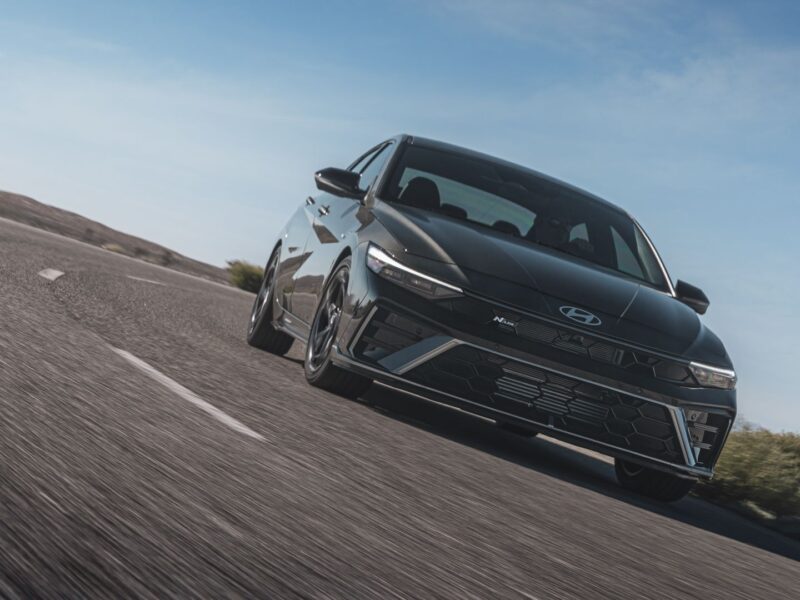
- 2025 Hyundai Kona Electric: This model features a redesigned interior with dual 12.3-inch infotainment displays and two battery options: a 133 hp motor with a 197-mile range and a 201 hp motor achieving a 260-mile range. It offers vehicle-to-load (V2L) capability, enabling users to power external devices or appliances.
- 2025 Kia Niro EV: A stylish and feature-rich subcompact electric SUV, the Niro EV offers a 201-horsepower electric motor, front-wheel drive, and an EPA-estimated range of 253 miles from its 64.8-kWh battery pack. It starts at around $41,045, with an emphasis on sustainability in its build materials.
- 2025 Volvo EX30: Positioned as Volvo’s smallest and most affordable EV, the EX30 combines minimalist Scandinavian design with advanced safety and strong performance. It offers a single motor (268 hp, 261 miles range) and a Twin Motor Performance (422 hp, 253 miles range, 0-60 mph in 3.4 seconds) variant. This model incorporates a suite of safety technologies that are a hallmark of the Volvo brand.
- 2025 Mercedes-Benz EQB: Carrying over updates from 2024, the EQB offers a choice of three powertrains with EPA-estimated ranges between 205 and 251 miles. It can be configured with a third row, providing seven-passenger seating, ideal for family use with luxury interior features.
- 2025 Audi Q4 e-tron: The Q4 e-tron receives a facelift for 2025, including minor exterior changes, a modernized interior with a large curved display, and improved suspension tuning. Its range is projected to be competitive, with an estimated output of 335 horsepower for the Sportback variant, enhancing both performance and driver engagement.
- 2025 Tesla Model Y: A top-selling electric SUV, the Model Y undergoes a “Juniper” refresh, with updates that mirror the Model 3, including a sleeker front end, improved noise isolation, and updated technology such as ventilated front seats and ambient lighting. It offers substantial range, with the Long Range All-Wheel Drive version having an EPA range of up to 337 miles, complemented by Tesla’s extensive Supercharger network for convenient long-distance travel.
- 2025 Chevrolet Equinox EV: With a low base price starting at $34,995, the Equinox EV offers a range of up to 319 miles, making it an attractive and affordable option while still providing ample interior space and tech features aimed at enhancing the driving experience.
Here is a comparative overview of some top small electric SUVs for 2025:
| Model | Estimated Range (miles) | 0-60 mph (seconds) | Starting MSRP (Estimated) | Key Features |
|---|---|---|---|---|
| Hyundai Kona Electric (Long Range) | 260 | 6.4 | $32,975 (est.) | Dual 12.3-inch displays, V2L capability |
| Kia Niro EV | 253 (EPA) / 280 (Edmunds) | ~7.1 (est.) | $41,045 | Stylish design, comprehensive warranty |
| Volvo EX30 (Twin Motor Performance) | 253 | 3.4 | $46,195 (Plus AWD) | Fastest Volvo ever, minimalist interior |
| Mercedes-Benz EQB (EQB250+) | 251 | 8.5 | $53,050 (est.) | Optional 7-seater, luxury interior accents |
| Tesla Model Y (Long Range AWD) | 337 | 4.8 | $50,380 (est.) | “Juniper” refresh, optional third row, extensive Supercharger network |
| Chevrolet Equinox EV | 319 | ~6.0 (est.) | $34,995 | Affordable entry point, considerable range |
What Key Factors Should Buyers Consider When Choosing a Small Electric SUV?
Buyers evaluating small electric SUVs in 2025 should consider several crucial factors beyond initial purchase price, including the total cost of ownership, available charging infrastructure, and the specific driving needs that the vehicle must address. Understanding how driving patterns influence charging habits is essential for making an informed decision that aligns with lifestyle.
How Do Charging Infrastructure and Home Charging Affect EV Ownership?
The accessibility and speed of charging infrastructure are vital for EV ownership. Home charging, typically via a Level 2 charger, allows for convenient overnight replenishment. Public charging networks, especially DC fast chargers, are essential for longer journeys. Owners should assess the availability of charging stations in their routine travel areas and consider installing a home charger to maximize convenience. It’s important to maintain optimal tire pressure, as tires impact range and overall vehicle performance. For information on tire replacement and maintenance, consult resources such as When to Replace Tires: Essential Signs for Optimal Vehicle Safety and Performance.
What are the Financial Benefits of Owning a Small Electric SUV?
Financial benefits of owning a small electric SUV often include eligibility for federal and state tax credits or incentives, lower “fuel” costs compared to gasoline vehicles, and reduced maintenance expenses. The federal EV tax credit could be up to $7,500 for qualifying new electric vehicles purchased before September 30, 2025. After this date, federal tax credits for new and used EVs are set to expire. Eligibility typically depends on income thresholds, vehicle price caps, and North American final assembly requirements.
What is the Future Outlook for Small Electric SUVs Beyond 2025?
The future outlook for small electric SUVs beyond 2025 points to continued innovation in battery technology, leading to even longer ranges and faster charging times. The segment will likely see an increase in autonomous driving features, advanced connectivity, and further integration of sustainable materials in vehicle manufacturing. New models are expected from various manufacturers, enhancing competition and offering more choices for consumers.
FAQs
What is the average range of a small electric SUV in 2025? In 2025, the average range for top small electric SUVs typically falls between 200 and 300 miles on a single charge, with some models exceeding this average for extended capability.
Are small electric SUVs eligible for federal tax credits in 2025? Yes, new small electric SUVs purchased before September 30, 2025, may be eligible for a federal tax credit of up to $7,500, provided they meet specific criteria regarding manufacturing, battery sourcing, and price caps.
How long does it take to charge a small electric SUV? Charging times for small electric SUVs vary; using a Level 2 home charger can take several hours for a full charge, while DC fast charging at public stations can typically replenish 10% to 80% of the battery in 30-45 minutes, depending on the vehicle and charging station power.