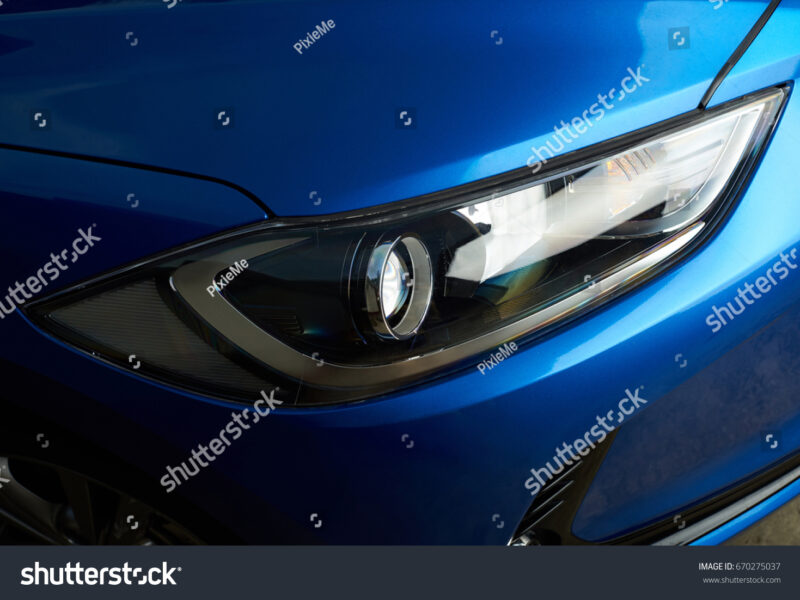
Upgrading to an LED Headlight Upgrade can transform your vehicle’s lighting system, replacing traditional halogen or High-Intensity Discharge (HID) bulbs with cutting-edge Light Emitting Diode (LED) technology. This modification not only enhances visibility but also adds an appealing modern aesthetic to your vehicle. With greater light output, improved energy efficiency, and a longer lifespan, the advantages of LED lighting are clear.
What is an LED Headlight Upgrade for Your Vehicle?
An LED headlight upgrade involves changing your vehicle’s current headlamp system to utilize Light Emitting Diodes (LEDs) as the primary light source. In this process, filament-based halogen bulbs or HID bulbs are replaced with semiconductor-based LED assemblies, aiming to enhance road visibility, boost vehicle safety, and give a sleek, modern look to your automotive front end.
Why Consider Upgrading to LED Headlights?
The decision to upgrade to LED headlights comes with a multitude of benefits when compared to conventional lighting systems. These include higher visibility, greater durability, and superior energy efficiency.
- Increased Brightness: LED headlights emit significantly higher lumen output, resulting in a brighter and more focused beam pattern. This ensures drivers can better perceive road obstacles and signs, ultimately enhancing vehicle safety during nighttime driving.
- Extended Lifespan: With a lifespan ranging from 15,000 to 30,000 hours, LED bulbs outlast halogen (500-1,000 hours) and HID bulbs (2,000-8,000 hours) considerably. This longevity translates to fewer replacements and lower long-term vehicle maintenance costs.
- Energy Efficiency: Consuming less power than traditional bulbs, LEDs reduce the strain on your vehicle’s electrical system. This efficiency can marginally improve fuel economy and prolong the lifespan of the vehicle’s alternator.
- Instant On/Off: Unlike HID systems that require a warm-up period, LED headlights offer immediate illumination. This instant response is essential for high-beam flashing and quick reactions to changing driving conditions.
- Modern Aesthetic: The crisp, white light emitted by LEDs, typically in the 5000K-6000K color range, provides a contemporary and stylish appearance, keeping up with current automotive design trends.
What are the Key Considerations Before Installing LED Headlights?
Before embarking on your LED headlights installation, several factors must be assessed to ensure proper function, legal compliance, and optimal performance. Key considerations include the type of headlight housing, heat management, electrical system compatibility, and adherence to regulatory standards.
- Headlight Housing Type: Vehicles generally utilize either reflector or projector headlight housings. LED bulbs designed for reflector housings differ in beam patterns compared to those for projector housings. Using an incompatible LED bulb can lead to scattered light, poor focus, and excessive glare for oncoming drivers.
- Heat Management: Given that LEDs generate heat at their base, efficient heat dissipation is necessary to avert early failure. Quality LED headlight kits usually include built-in cooling fans or passive heat sinks to effectively manage thermal output.
- CAN-BUS System Compatibility: Many modern vehicles feature a CAN-BUS (Controller Area Network Bus) system monitoring electrical circuits. The use of LED bulbs may trigger “bulb out” warnings or flickering due to their lower power draw, which can be misinterpreted by the CAN-BUS. LED decoders or resistors are typically needed to resolve these issues.
- Legal Compliance: The legality of aftermarket LED headlight upgrades varies by location. In the U.S., the Department of Transportation (DOT) regulates automotive lighting, and many aftermarket LED bulbs may not carry DOT approval, leading to potential inspection failures or legal repercussions if they do not meet federal safety regulations on beam pattern and intensity.
- Beam Pattern Integrity: Secure alignment and beam pattern are vital for safety. Poorly designed or installed LED bulbs could create dark spots, inconsistent lighting, or blinding glare, impacting visibility for both drivers and other road users.
How do LED Headlights Compare to Halogen and HID Systems?
The comparison of LED, Halogen, and HID headlight technologies unveils distinct variances in performance, efficiency, and lifespan. Each technology brings unique benefits that can shape both driver experience and vehicle integration.
| Feature | Halogen | HID (Xenon) | LED |
|---|---|---|---|
| Light Output (Typical Lumens) | ~1,000-1,500 lm | ~2,800-3,500 lm | ~3,000-4,000+ lm |
| Color Temperature (K) | ~2,800-3,500K (Warm White/Yellow) | ~4,300-6,000K (Cool White/Blue) | ~5,000-6,500K (Daylight White) |
| Lifespan (Hours) | ~500-1,000 | ~2,000-8,000 | ~15,000-30,000+ |
| Energy Consumption | High (55-65W) | Medium (35W) | Low (20-40W) |
| Warm-up Time | Instant | Slow (several seconds) | Instant |
| Cost (Aftermarket Bulbs) | Low | Medium-High | Medium-High |
What is the Process for Upgrading Your Car’s Headlights to LED?
Upgrading your car’s headlights to LED is a relatively straightforward bulb replacement process, although specific steps may vary based on the vehicle model and LED kit complexity. Follow these guidelines for successful installation:
- Research Compatibility: Ensure that you identify the correct bulb size and type for your vehicle’s make, model, and year. Confirm that the LED kit corresponds with your headlight housing type (reflector or projector) and electrical system requirements (e.g., CAN-BUS compliance).
- Gather Tools: Assemble necessary tools such as screwdrivers, wrenches, gloves, and possible zip ties or electrical tape for securing components.
- Access Headlight Assembly: Open the hood and locate the headlight assembly. Depending on your vehicle, this may necessitate removing covers, air boxes, or even the entire headlight unit for bulb access.
- Remove Old Bulbs: Disconnect the electrical connector from the existing halogen or HID bulb. Carefully unclip or twist to remove the old bulb from its housing.
- Install LED Bulbs: Insert the new LED bulb into the headlight housing, ensuring it is well-seated and properly oriented. The LED chips should generally face horizontally in reflector housings for the optimal beam pattern. Secure the bulb with its retention clip or a twisting mechanism.
- Connect Electrical Components: Connect the LED bulb to its external driver (if required) and attach it to the vehicle’s headlight harness. If needed, integrate CAN-BUS decoders or anti-flicker modules.
- Secure Wiring and Components: Neatly organize and secure all wiring, drivers, and modules, keeping them clear of moving parts or sources of excessive heat using zip ties.
- Test Functionality: Power on the headlights to check for proper illumination and high beam performance, ensuring there are no error messages on the dashboard.
- Adjust Beam Pattern: If necessary, align the headlight aim to verify the beam pattern is correct, preventing glare for oncoming traffic. This may require professional equipment for precise calibration.
What Potential Challenges Can Arise with LED Headlight Conversions?
While upgrading to LED headlights offers numerous benefits, several challenges may arise during or after installation. Addressing these issues often requires specific solutions or professional support.
- Error Codes and Flickering: Vehicles with sensitive CAN-BUS systems might interpret the lower power consumption of LEDs as a faulty bulb, triggering warnings on the dashboard or causing flickering. This often necessitates installing CAN-BUS decoders or load resistors.
- Poor Beam Pattern and Glare: Aftermarket LED bulbs not specifically designed for your vehicle’s headlight housing can lead to uneven lighting patterns, dark spots, or excess glare, which compromises visibility and may dangerously blind oncoming drivers. It’s crucial to ensure proper alignment and choose high-quality LED bulbs with accurate light source positioning.
- Heat Management Issues: Inadequate heat dissipation might lead to premature LED failures. Enclosed headlight housings can trap heat, stressing LED chips. To mitigate this risk, ensure appropriate airflow or choose LED bulbs equipped with advanced cooling solutions (e.g., active fans).
- Space Constraints: Some LED bulbs, especially those with integrated fans or large heat sinks, may not fit well into the restricted space behind the headlight housing, particularly when reinstalling dust caps.
- Legal and Inspection Compliance: Using non-DOT-compliant aftermarket LED bulbs could lead to legal issues or fail vehicle inspections in areas with stringent lighting regulations.
Frequently Asked Questions About LED Headlight Upgrades
Are LED headlight upgrades legal in all regions? The legality of aftermarket LED headlight upgrades depends on local and federal regulations. In the U.S., many aftermarket LED bulbs do not carry DOT approval for use in non-LED specific headlight assemblies, which can lead to compliance issues. Always verify your local laws before making modifications.
Can I install LED headlights myself, or do I need a professional? Many LED headlight replacements are designed for DIY installation and can be effectively completed by individuals with basic automotive knowledge and tools. However, for complex vehicles or those requiring CAN-BUS error cancellers, professional installation may be beneficial for ensuring proper function and beam alignment.
Do LED headlights require special maintenance? Generally, LED headlights require less maintenance due to their extended lifespan in comparison to halogen or HID bulbs. However, maintaining optimal heat dissipation by keeping cooling fans clear of debris (if applicable) and regularly checking beam alignment are recommended to ensure maximum performance.