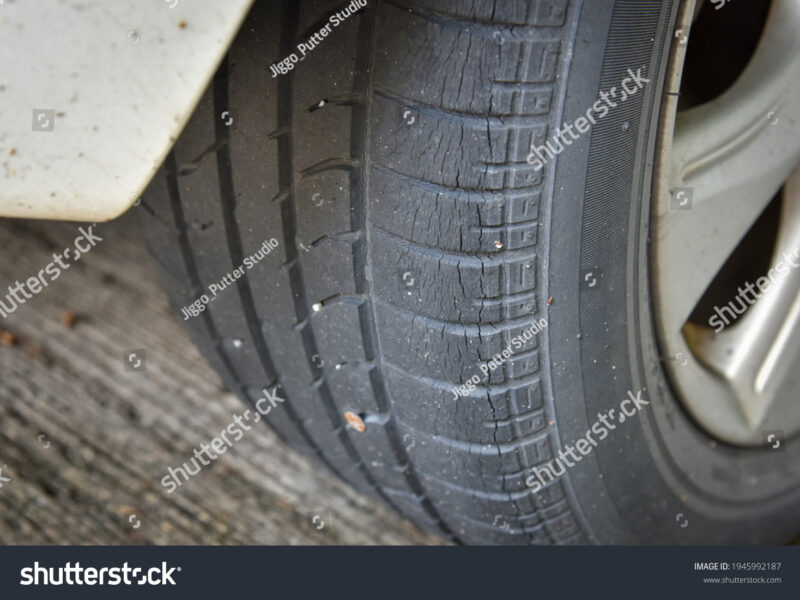
In the world of automotive safety, few issues loom as large as tire blowouts. These sudden and often catastrophic events, caused by the rapid loss of air pressure, lead to approximately 11,000 accidents on U.S. roads each year. This grim statistic accounts for around 500 fatalities and more than 10,000 injuries annually, not to mention the staggering economic impact exceeding $1.5 billion. The take-home message is clear: prevention saves lives and dollars.
Most importantly, tire blowouts are largely preventable. Understanding the underlying causes, embracing preventive measures, and acting on them can significantly enhance vehicle safety and extend tire longevity. In fact, recent studies reveal that approximately 75% of blowouts are attributed to underinflation, presenting an opportunity for savvy drivers to mitigate risks.
What Is the Scope of the Tire Blowout Problem?
How prevalent are tire-related crashes in the U.S.? Here are some revealing statistics:
- About 11,000 tire-related crashes occur each year, making up roughly 2% of all vehicle incidents.
- These crashes result in around 500 deaths and over 10,000 injuries annually.
- The economic toll exceeds $1.5 billion annually.
What Are the Primary Causes?
- Underinflation: Responsible for around 75% of blowouts.
- Vehicle overloading: Contributes to approximately 20% of cases.
- Road hazards: Such as potholes and debris, account for about 15% of punctures leading to blowouts.
How Effective Are Preventive Strategies?
- Monthly “cold” pressure checks: These can reduce the incidence of blowouts caused by underinflation by as much as 80%.
- Tire Pressure Monitoring Systems (TPMS): Implementing these systems can lower the blowout risk by nearly 50% according to data from the NHTSA.
- Proper tire rotation: Regular rotations can extend tire life by approximately 20%, thereby reducing the chance of failure.
What Advances Exist in Sensor Technologies?
Innovative smart tires now feature visuotactile sensors capable of detecting terrain conditions, cracks, load, and damage in real-time, achieving a remarkable detection accuracy of up to 99%.
What Are the Current Costs and Market Prices?
| Item | Estimated Cost | Notes |
|---|---|---|
| Passenger tire replacement | $150–$250 | Averages in the U.S.; premium tires may range from $300–$500. |
| Fuel wasted due to underinflation | $18.6 billion/year | U.S. drivers incur excess costs because of underinflated tires. |
| TPMS installation (OEM) | $150–$250 | Typical factory-installed cost. |
What Additional Benefits Come from Proper Tire Maintenance?
- Each 1 psi increase in tire pressure can improve fuel economy by about 0.4%; plus, TPMS and proper inflation can extend tire tread life by an impressive 740–900 miles.
- Proper inflation not only prevents accidents but also reduces emissions and delays in tire replacements, with the economic impact per vehicle estimated at $3.42–$4.24.
Summary Table of Preventive Measures
| Preventive Measure | Impact | Frequency |
|---|---|---|
| Monthly cold tire pressure check | Reduces underinflation blowouts by about 80% | Monthly or before long trips |
| TPMS usage | Reduces blowout risk by around 50% | Continuous (if vehicle is equipped) |
| Proper tire rotation | Extends tire life by approximately 20% | Every 5,000–7,500 miles |
Ultimately, tire maintenance is not just about safety—it’s about financial wisdom too. For an in-depth look at vehicle safety beyond just tires, check out Your Car Tire Health Check, learn about Staying Safe on Wet Roads, or explore Choosing the Best Off-Road Car Tires.