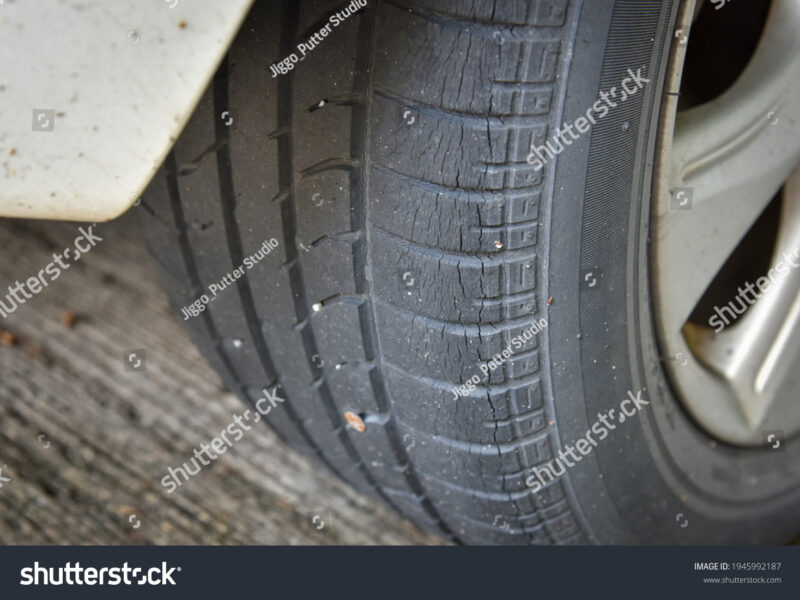
Run-flat tires, also referred to as zero-pressure tires or extended mobility tires, represent a groundbreaking innovation in automotive safety. These pneumatic tires are meticulously crafted to withstand the effects of deflation after a puncture, allowing a vehicle to continue operating at reduced speeds for limited distances. With this remarkable technology, drivers enjoy temporary mobility, eliminating the urgent necessity for roadside tire changes.
What Are Run-Flat Tires and How Do They Function?
Run-flat tires are designed with advanced internal support systems that enable them to maintain structural integrity, even when air pressure is lost. The most prevalent design is the self-supporting sidewall system. This features robust sidewalls constructed from high-strength materials capable of bearing the weight of the vehicle temporarily. This specialized construction prevents the tire from collapsing or detaching from the rim after deflation.
Another, less common technology is the support ring system, which incorporates a rigid ring or insert, often made from durable rubber or other sturdy materials. This component attaches to the wheel and supports the vehicle’s weight in the event of air pressure loss. A third configuration, although less common in passenger cars, is the self-sealing tire. This design includes an inner lining that automatically seals minor punctures from objects like nails, preventing any loss of air pressure. It’s vital for all vehicles with run-flat tires to have a functional Tire Pressure Monitoring System (TPMS), as the usual visual indicators of a flat tire may be absent thanks to the tire’s design.
What Are the Primary Benefits of Choosing Run-Flat Tires?
Run-flat tires offer numerous advantages that center on enhanced safety and convenience for vehicle owners.
- Enhanced Safety in Puncture Situations: One of the most significant benefits is the ability to maintain control of the vehicle after experiencing a sudden puncture or blowout. This feature reduces the risk of accidents linked to rapid deflation. The reinforced design keeps the tire securely mounted on the rim, preventing it from coming loose.
- Temporary Mobility: Drivers can continue their journey for a limited distance—typically up to 50 miles (80 km)—and at a maximum speed of 50 mph (80 km/h). This allows travel to a safe location or repair facility, negating the need for immediate roadside tire changes in potentially hazardous conditions, such as busy highways or inclement weather.
- Space and Weight Savings: Many vehicles using run-flat tires do not require a spare tire, jack, or extra tools. This reduction frees up trunk space and lessens the overall weight of the vehicle.
- Peace of Mind: The assurance that a tire puncture doesn’t instantly immobilize the vehicle grants drivers significant peace of mind, especially on long trips.
What Are the Key Drawbacks Associated with Run-Flat Tires?
Even with their compelling benefits, run-flat tires come with certain considerations and drawbacks that drivers must be aware of.
- Stiffer Ride Quality: The reinforced sidewalls that enable their functionality often lead to a stiffer and less comfortable ride compared to conventional tires. This design can transmit more vibrations and road imperfections into the vehicle’s cabin.
- Higher Cost: The advanced construction and materials of run-flat tires typically result in a higher purchase price than traditional tires.
- Limited Repair Options: Many manufacturers recommend replacing run-flat tires after a puncture, even if driving limits were adhered to. This is due to potential unseen internal damage. While some run-flat tires can be repaired under specific conditions—particularly with minor punctures—this is not universally applicable.
- Reduced Fuel Economy: The extra weight and stiffer construction of run-flat tires may increase rolling resistance, leading to a slight decrease in fuel efficiency.
- Shorter Lifespan and Uneven Wear: Some run-flat tires may experience a shorter life span compared to conventional tires, potentially wearing out 6,000 miles sooner due to their unique construction and the stresses endured when operating under low pressure.
- Limited Availability: While becoming increasingly common, run-flat tires may not be readily available at all tire shops, particularly in smaller towns, which could cause delays during replacement.
How Do Run-Flat Tires Compare to Conventional Tires?
Understanding the fundamental differences between run-flat and conventional tires is crucial for making informed choices about vehicle maintenance and performance. The primary distinction lies in their ability to function after a puncture. Vehicles equipped with run-flat tires mandate the presence of Tire Pressure Monitoring Systems (TPMS), which provide real-time feedback on tire pressure to the driver. This critical safety system informs drivers when tire pressure drops, helping mitigate risks associated with unnoticed deflation. Regular maintenance, including meticulous monitoring of tire pressure, is essential for all tire types. For those interested in optimizing engine performance through proper filtration, consider exploring resources on high-performance oil filters.
| Feature | Run-Flat Tires | Conventional Tires |
|---|---|---|
| Puncture Handling | Allows driving for limited distances (e.g., up to 50 miles at 50 mph) after air loss due to reinforced sidewalls or support rings. | Rapid deflation upon puncture demands immediate stop, repair, or spare tire installation. |
| Ride Comfort | Generally stiffer and potentially less comfortable ride due to reinforced construction. | Typically delivers a smoother and more enjoyable ride. |
| Cost | Higher initial purchase and replacement cost. | Lower initial purchase and replacement cost. |
| Repairability | Often not advisable for repair; replacement is typically recommended due to potential unseen internal damage. Some may be repairable under specific conditions. | Generally repairable for minor punctures. |
| Spare Tire Need | Eliminates the necessity for a spare tire and jack. | Requires a spare tire and jack, or roadside assistance. |
| Vehicle Compatibility | Requires TPMS; commonly fitted on luxury and performance vehicles (e.g., BMW, Mini, Mercedes-Benz). | Compatible with most vehicles; TPMS is mandatory in many modern cars across all tire types. |
What Should Drivers Expect When Using Run-Flat Tires?
Driving a vehicle equipped with run-flat tires entails a distinct experience under normal conditions and following a puncture. Notable manufacturers in the run-flat tire market include Bridgestone, Goodyear, Michelin, Pirelli, and Continental, each offering unique technologies such as DriveGuard, Run On Flat (ROF), Zero Pressure (ZP), Self Supporting Runflat (SSR), and Extended Mobility Tire (EMT). Typically, these tires last between 30,000 to 50,000 miles under normal use.
In the event of a puncture, the TPMS will engage, signaling a loss of pressure. Drivers should immediately reduce their speed to the specified limit—typically 50 mph (80 km/h)—and make their way to the nearest safe service facility within the recommended distance of 50 miles (80 km). Exceeding these limits can inflict irreparable damage on the tire’s internal structure and potentially on other vehicle components. Ignoring TPMS alerts can escalate existing damage, making timely attention vital.
Due to their stiffer construction, run-flat tires may provide a firmer ride quality, along with an increase in road noise compared to traditional tires. Consistent maintenance—such as regular inspections for wear and damage—is crucial, as run-flats may develop uneven wear patterns. When the time comes for replacement, drivers should be prepared for higher costs and potentially limited availability. Recognizing and understanding these characteristics helps set realistic expectations for owning run-flat tires. As automotive technology continues to evolve, particularly in relation to components like brake systems, advancements in eco-friendly and low-copper brake pad options are revolutionizing sustainable automotive performance.
Are run-flat tires repairable after a puncture?
The repairability of run-flat tires can be a contentious topic among manufacturers and service providers. Some brands, like Goodyear and Hankook, assert that their run-flat tires can often be repaired by a qualified professional if specific conditions are met—such as a minor tread puncture and if the tire has not been driven on at excessively low or zero pressure. Conversely, many manufacturers and tire shops generally advise replacement. Driving on a severely underinflated run-flat tire can lead to unseen internal damage, compromising its safety and effectiveness.
Do all cars use run-flat tires?
No, not all vehicles are equipped with run-flat tires. These tires are particularly common as standard or optional equipment on luxury and performance vehicles from manufacturers like BMW, Mini, Mercedes-Benz, Audi, Cadillac, Lexus, and Infiniti. This trend is also gaining traction in electric vehicles, which often omit spare tires to make room for batteries. However, many cars still come fitted with conventional tires.
How far and fast can you drive on a punctured run-flat tire?
After experiencing a puncture, most run-flat tires allow for driving over a limited distance, typically up to 50 miles (80 km) at a maximum speed of 50 mph (80 km/h). These specifications can vary slightly depending on the manufacturer and tire model. It is essential to consult the vehicle’s owner’s manual or the tire sidewall for detailed information. Exceeding these limits may result in additional damage to the tire and possibly the wheel.