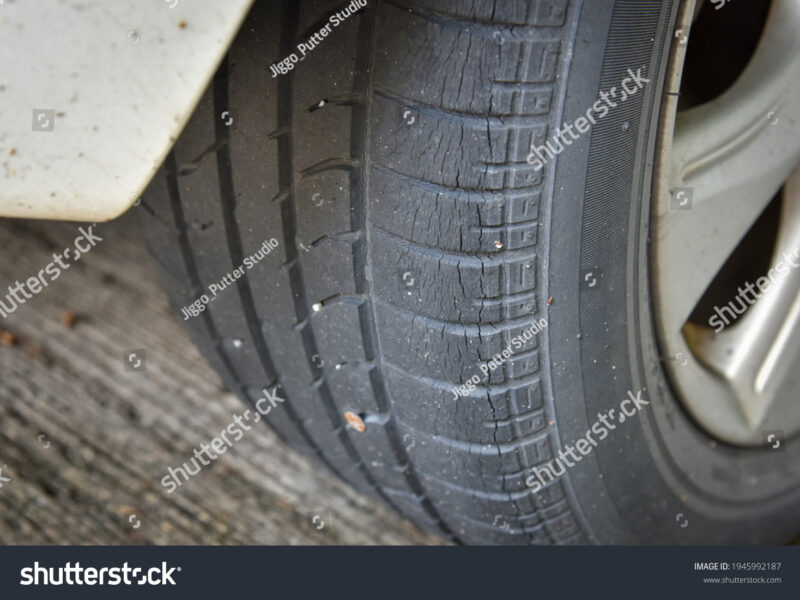
Car tires quietly yet profoundly influence vehicle performance. Acting as the essential link between the road and the car, they bear the weight, communicate braking and driving forces, absorb shocks, and guarantee responsive steering. By diligently caring for tires, owners can drastically save on replacement costs and enhance both driving safety and overall vehicle performance.
What is the Fundamental Importance of Correct Tire Pressure?
Maintaining correct tire pressure represents a cornerstone of vehicle safety and efficiency. Proper inflation not only improves handling and boosts fuel economy but also significantly extends tire life. When tire inflation is insufficient, it leads to uneven tread wear and excessive heat buildup, accelerating rubber deterioration. Conversely, over-inflation curtails the contact patch with the road, causing increased wear in the center of the tire and compromising traction.
How Frequently Should Tire Pressure Be Checked?
To maintain safety and optimal performance, checking tire pressure at least once a month with a reliable gauge is crucial. Always refer to the manufacturer’s specifications, usually found on a sticker inside the driver’s side door or in the owner’s manual. This routine inspection becomes even more critical before embarking on long journeys or during significant temperature changes, as such fluctuations directly affect tire pressure.
Why is Tire Rotation an Indispensable Maintenance Practice?
Regular tire rotation is a vital practice that ensures even wear across all four tires. This proactive approach addresses the varying wear rates between front and rear axles and accounts for differences between left and right sides. By maximizing the usable lifespan of each tire, you maintain consistent performance across the set, essential since front tires often experience more wear due to steering and braking forces.
What is the Optimal Schedule for Tire Rotation?
Tire rotation is generally recommended every 5,000 to 8,000 miles, or as directed by vehicle and tire manufacturers. Common rotation patterns for non-directional tires—such as forward cross, rearward cross, and X-pattern—are designed to optimize wear based on drivetrain configurations. Adhering to this schedule is critical for extending tire longevity.
How Do Wheel Alignment and Balancing Safeguard Tire Integrity?
Proper wheel alignment and balancing are fundamental in preventing premature tire wear. Correct alignment ensures that wheels are positioned parallel and perpendicular. Balancing addresses uneven weight distribution, removing vibrations for a smoother ride. Misalignment can produce uneven wear patterns, while imbalanced wheels can create troubling vibrations, especially at highway speeds. Together, they significantly enhance vehicle stability and safety.
What are the Symptoms of Misalignment or Imbalance?
Common signs of misalignment include the vehicle pulling to one side or a steering wheel that appears off-center. For imbalanced wheels, symptoms usually manifest as vibrations felt through the steering wheel or seat—these vibrations are particularly noticeable during highway travel. Promptly addressing these issues through professional services is essential for preserving tire lifespan and ensuring overall driving safety.
What Role Does Tread Depth Play in Tire Safety and Performance?
Tire tread depth is critical for maintaining safety and performance, particularly in wet conditions. An adequate tread design is vital for water displacement, minimizing the risks of hydroplaning and ensuring reliable grip. Legal minimums, often set at 1.6 millimeters (or 2/32 of an inch), underline the significance of monitoring tread depth using methods like the “penny test.” Equally important is a well-functioning brake pad system, both of which are essential for vehicle safety.
How Do Driving Habits and Vehicle Load Affect Tire Durability?
Your driving style profoundly impacts tire health. Aggressive maneuvers like rapid acceleration, sudden braking, and sharp cornering generate excess friction and heat, leading to accelerated wear. Conversely, smooth and controlled driving extends tire life. Overloading a vehicle beyond its specified weight limit unnecessarily stresses the tires, raising heat levels and the risk of failure. Always adhere to your vehicle’s published load rating for optimal safety.
What Are Additional Tire Maintenance Best Practices?
In addition to routine checks, several proactive measures can further enhance tire longevity. Regular visual inspections are crucial for spotting cuts, bulges, or debris that may compromise tire integrity. Cleaning tires to remove corrosive substances such as road salt and brake dust is essential for preventing rubber degradation. Always check valve stems for damage and ensure caps are secure to prevent air leaks. If you have a spare tire, keep its pressure and condition in check for added preparedness. For those living in climates with extreme seasonal changes, swapping tires accordingly—for instance, to winter tires—can significantly enhance performance in varied conditions. Complete vehicle care also includes tasks like air filter installations, ensuring a thorough maintenance routine.
| Characteristic | Well-Maintained Tires | Neglected Tires |
|---|---|---|
| Lifespan | Maximized, reaching manufacturer’s estimates (e.g., 40,000-75,000 miles) | Significantly reduced, often requiring premature replacement |
| Fuel Efficiency | Optimized, contributing to lower fuel consumption | Decreased, due to increased rolling resistance (up to 3% for underinflation) |
| Safety | Enhanced traction, predictable handling, shorter braking distances | Compromised grip, reduced control, increased hydroplaning risk, longer braking distances |
| Ride Comfort | Smooth and stable driving experience, reduced vibrations | Increased vibrations, harsh ride quality, potential for steering wander |
| Wear Pattern | Even and consistent across the tread surface | Uneven patterns (e.g., center wear, shoulder wear, feathering) requiring early replacement |
How long do car tires typically last under optimal care?
With diligent maintenance, car tires can often last between 40,000 to 75,000 miles. This equates to approximately 6 to 10 years, though actual lifespan varies based on tire type, driving habits, and environmental conditions.
Can extreme temperatures impact tire lifespan?
Yes, extreme temperatures can greatly affect tire longevity. Heat accelerates the degradation of rubber compounds, diminishing flexibility and increasing the likelihood of cracking. Conversely, cold temperatures can reduce flexibility and cause pressure drops, both undermining tire performance and durability.
When should tires be replaced, even if tread depth is adequate?
Generally, it is advisable to replace tires after six years of use, regardless of tread depth. This guideline considers the inevitable aging of rubber and materials. Most manufacturers recommend replacing tires after ten years from their manufacturing date, indicated by the DOT code, to mitigate risks associated with material fatigue.