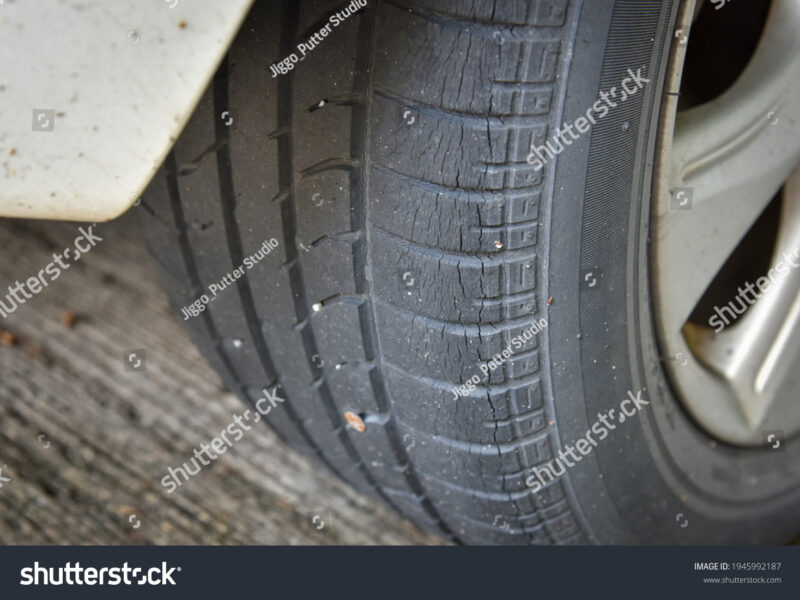
Tire sidewall markings are standardized alphanumeric codes and symbols embossed on a tire’s exterior, providing critical information about its size, construction, performance capabilities, and manufacturing details. Familiarity with these markings enables vehicle owners and technicians to select appropriate tires for specific vehicles, ensuring optimal safety and performance. Decoding these codes is essential for proper vehicle maintenance and driving safety.
What Information Do Tire Sidewall Markings Convey?
Tire sidewall markings present a comprehensive array of data crucial for determining a tire’s suitability for a particular vehicle and driving conditions. This information includes the tire type, dimensions, load capacity, speed capabilities, manufacturing date, and performance grades. Understanding these ratings helps prevent issues such as tire blowouts and ensures that the tires meet the required specifications for safety and handling.
Understanding Tire Type: P-Metric, LT, ST, and T Designations
The initial letter or letters in a tire’s size code denote its intended vehicle class. A “P” signifies a passenger vehicle tire, suitable for cars, SUVs, crossovers, minivans, and smaller pickup trucks. “LT” indicates a light truck tire, designed for vehicles carrying heavy loads or towing trailers. “ST” stands for special trailer tires, intended for utility, boat, and travel trailers. Lastly, “T” denotes a temporary spare tire classified for limited use. It’s critical to select the appropriate type based on vehicle requirements and usage scenarios.
Deciphering Tire Size: Width, Aspect Ratio, and Rim Diameter
Tire size is represented by a series of numbers and a letter, such as P205/55R16, directly indicating the tire’s physical dimensions. The first three-digit number (e.g., 205) defines the tire’s section width in millimeters, measured from sidewall to sidewall. The two-digit number following the slash (e.g., 55) represents the aspect ratio, the sidewall height expressed as a percentage of the tire’s width; a lower number signifies a shorter sidewall. The letter “R” indicates radial construction, the most prevalent type for modern passenger vehicle tires. The final two-digit number (e.g., 16) specifies the diameter of the wheel rim in inches for which the tire is designed, allowing for accurate fitment.
Load Index: Determining Tire Weight Capacity
The tire load index is a numerical code indicating the maximum weight a single tire can support when properly inflated. This number typically ranges from 70 to 110 for passenger cars and light trucks, corresponding to specific weights in pounds or kilograms. For instance, a load index of 91 equates to a maximum load capacity of 1,356 lbs (615 kg). Selecting tires with a load index equal to or greater than the vehicle manufacturer’s recommendation is vital for safety, preventing premature tire wear and potential blowouts from overloading.
Speed Rating: Defining Maximum Safe Speed Capabilities
The speed rating is an alphabetical code that indicates the maximum speed a tire can safely maintain under its recommended load for an extended period. Ratings range from A (lowest) to Y (highest), with various letters signaling different maximum speeds (e.g., “V” for 240 km/h or 149 mph). Higher speed ratings generally correlate with improved grip and stopping power; however, they often come with trade-offs in tread life and comfort. It’s advisable to replace tires with an equivalent or higher speed rating to maintain optimal vehicle performance.
DOT (Department of Transportation) Code: Tracking Manufacturing Data
The “DOT” letters on a tire’s sidewall confirm compliance with U.S. Department of Transportation safety standards. Following “DOT” is an alphanumeric serial number known as the DOT Code or Tire Identification Number (TIN), which provides detailed manufacturing information. The last four digits indicate the week and year of production (e.g., 3523 means the 35th week of 2023). Tires produced before 2000 feature a three-digit date code, emphasizing the importance of monitoring tire age. Given that tires generally should be replaced after 6-10 years regardless of tread depth, it’s crucial to assess age during tire purchases or replacements.
UTQG (Uniform Tire Quality Grading) Ratings: Treadwear, Traction, and Temperature
The Uniform Tire Quality Grading (UTQG) system, developed by the National Highway Traffic Safety Administration (NHTSA), provides comparative ratings for passenger car tires based on treadwear, traction, and temperature resistance. Although this system helps consumers compare different tires, it does not directly indicate overall quality as ratings are manufacturer-specific.
- Treadwear: This numerical grade represents a tire’s relative wear rate compared to a control tire, rated at 100. For example, a tire with a 400 treadwear rating is expected to last four times longer under specified test conditions. Actual tread life may vary based on driving habits, road conditions, and climate factors.
- Traction: Graded AA, A, B, or C (AA being the highest), this rating indicates a tire’s ability to stop on wet pavement under controlled conditions, affecting safety in rainy weather.
- Temperature: Graded A, B, or C (A being the highest), this rating signifies a tire’s resistance to heat generation, crucial for preventing tire degradation and blowouts during prolonged use.
Maximum Inflation Pressure and Load
Tire sidewalls typically display the maximum inflation pressure in PSI (pounds per square inch) and the corresponding maximum load in both kilograms and pounds. It is essential to note that this represents the maximum allowable pressure, rather than the recommended operating pressure for the vehicle. The manufacturer’s recommended tire pressure, usually found on a decal in the door jamb or in the owner’s manual, should always be used for accurate tire inflation.
Winter and All-Season Designations: M+S and Three-Peak Mountain Snowflake (3PMSF)
Specific symbols on tires indicate performance in certain weather conditions:
- M+S (Mud and Snow): This designation signals that a tire has a tread design providing improved performance in light snow and muddy conditions compared to non-M+S tires.
- Three-Peak Mountain Snowflake (3PMSF): This symbol signifies that a tire has met specific U.S. Tire Manufacturer Association (USTMA) requirements for severe snow conditions, indicating superior traction in medium to deep snow. All dedicated winter tires display the 3PMSF symbol, although some all-season or all-terrain tires may also qualify.
Tire Ply Rating or Load Range
Historically, ply rating referred to the actual number of reinforcing layers in a tire’s construction. However, advancements in materials have allowed modern tires to achieve equivalent strength with fewer plies, leading to the use of “Load Range” designations. Load ranges, often indicated by letters (e.g., Load Range B, C, D, E), denote a tire’s strength and maximum load capacity at a defined inflation pressure. For instance, a Load Range E tire is equivalent to a 10-ply rated tire, crucial for light truck (LT) and special trailer (ST) applications.
Why are Tire Sidewall Markings Crucial for Vehicle Safety and Performance?
Understanding tire sidewall markings is vital for ensuring vehicle safety and optimizing performance. These codes directly influence proper tire fitment, vehicle handling, and compliance with manufacturer specifications. Inadequate interpretation can lead to issues such as unstable handling, reduced braking efficiency, and heightened risk of accidents. For those concerned about vehicle performance and durability, grasping these details is as critical as optimizing engine health or recognizing the importance of other essential automotive components. Enhancing knowledge in this area could also help in understanding and reducing tire noise, contributing to a quieter ride.
| Load Index (Example) | Max. Load Capacity (lbs) | Speed Rating (Example) | Max. Speed (mph) |
|---|---|---|---|
| 85 | 1,135 | S | 112 |
| 91 | 1,356 | T | 118 |
| 94 | 1,477 | H | 130 |
| 97 | 1,609 | V | 149 |
| 100 | 1,764 | W | 168 |
| 103 | 1,929 | Y | 186 |
Frequently Asked Questions About Tire Sidewall Markings
How do I find the correct tire size for my vehicle?
The most accurate method for identifying the correct tire size is to consult your vehicle’s owner’s manual, reference the placard located on the driver’s side door jamb, inside the glove compartment, or on the fuel filler flap. These sources contain the manufacturer’s recommended tire specifications, including type, width, aspect ratio, construction, and rim diameter, which must align with the tire size designation on the sidewall.
What do the UTQG ratings mean for tire longevity and safety?
The UTQG ratings—Treadwear, Traction, and Temperature—offer valuable insights into a tire’s expected durability and performance characteristics. The Treadwear grade reflects a tire’s wear rate, higher numbers indicating longer expected tread life. The Traction grade (AA, A, B, C) measures a tire’s wet pavement stopping capabilities, directly impacting driving safety during wet conditions. Lastly, the Temperature grade (A, B, C) speaks to a tire’s ability to resist heat buildup—a critical factor in preventing failure at higher speeds. While these grades are helpful for comparison, they depend on specific driving conditions and manufacturers’ testing methodologies.
How often should I check the manufacturing date on my tires?
It is recommended to check the DOT code on your tire’s sidewall regularly, particularly during routine maintenance, to ascertain the manufacturing date. Experts suggest replacing tires that are six to ten years old, irrespective of visible wear; the aging process can significantly degrade rubber compounds, increasing vulnerability to cracks and potential blowouts. This awareness is a critical component of vehicle safety, akin to understanding the cost implications of premium filtration components for overall vehicle longevity.