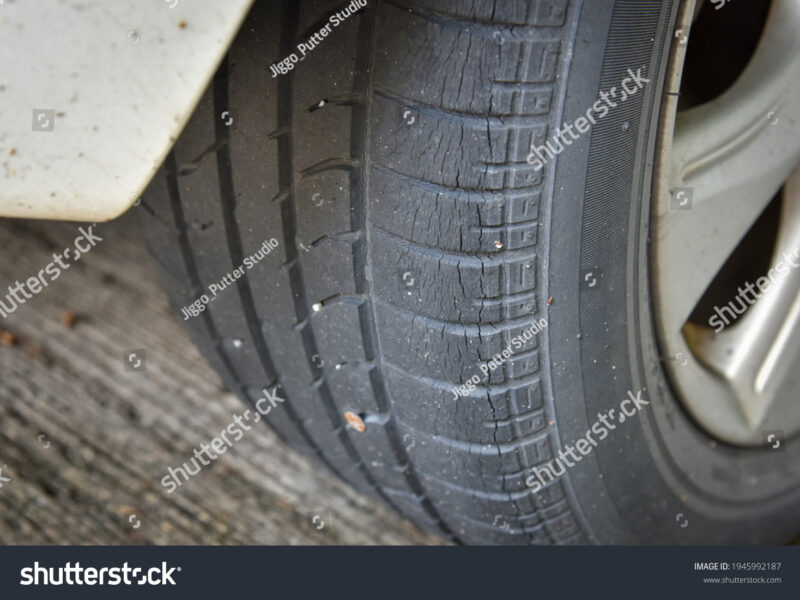
The tires on your car are much more than mere rubber circles; they are the critical interface that connects your vehicle to the road. Every turn, every stop, and every acceleration relies on their performance, directly impacting handling, braking, and safety. With a variety of tire types available, each designed for specific driving scenarios and conditions, making the right choice can ensure optimal performance and peace of mind on the road.
Choosing the appropriate car tire goes beyond merely selecting one that fits your rims. Each type is specifically engineered to excel in particular weather conditions, which directly influences its grip, handling, and durability. Understanding these tire classifications by season is essential for making an informed decision.
What are the Primary Classifications of Car Tire Types by Season?
Classified primarily by their intended seasonal use, car tires are designed to perform optimally within established temperature ranges and weather conditions. This classification can significantly affect a tire’s grip on the road, its handling characteristics, and overall durability.
Summer Tires
Summer tires are crafted for optimal performance in warm weather, typically thriving at temperatures above 45°F (7°C). These tires use a softer rubber compound that remains pliable, maximizing grip on both dry and wet pavement. With carefully designed tread patterns featuring fewer grooves, they enhance contact with the road for improved traction and braking. However, summer tires are not ideal for cold climates; their rubber hardens in freezing temperatures, diminishing traction and increasing the risk of skids.
Winter Tires
Winter tires, on the other hand, are tailored specifically for performance in consistently cold temperatures—typically below 45°F (7°C)—and when navigating snow, ice, and slush. These tires utilize a softer rubber compound containing a higher percentage of natural rubber to maintain flexibility in frigid conditions. Their aggressive, deep tread patterns, filled with sipes (small slits), enhance grip by digging into snow and ice while efficiently evacuating water and slush. Look for the three-peak mountain snowflake (3PMSF) symbol on their sidewalls, indicating certification for severe winter conditions.
All-Season Tires
For those seeking versatility, all-season tires provide a balanced solution. They blend characteristics of both summer and winter tires, allowing for flexible performance across a spectrum of conditions. Constructed with rubber compounds and tread designs suited for mild winters and warm summers, all-season tires are a popular choice for daily driving. While they spare drivers the hassle of seasonal tire changes, be aware that all-season tires cannot compete with summer tires in extreme heat or winter tires in more demanding snowy or icy conditions.
How do Different Tread Patterns Impact Car Tire Performance?
The engineering of tire tread patterns involves meticulous design, creating grooves, channels, and raised tread blocks that significantly influence traction, handling, water displacement, and overall tire performance in varied driving scenarios.
Symmetrical Tread Patterns
Symmetrical tread patterns present a uniform design, allowing for rotation in any direction without loss of performance. This characteristic extends tread life and enhances fuel efficiency while delivering a quiet, comfortable ride. These tires are ideal for many passenger cars operating in moderate climates.
Directional Tread Patterns
Directional tread patterns feature distinctive V-shaped grooves engineered to roll in a singular direction, indicated by an arrow on the sidewall. This design excels at efficiently channelling water away from the contact patch, significantly lowering the risk of hydroplaning at higher speeds. Commonly found on performance and winter tires, directional treads provide superior traction in wet and snowy conditions, although they require specific rotation patterns (front-to-back and back-to-front only).
Asymmetrical Tread Patterns
Asymmetrical tread patterns offer a blend of two distinct tread designs on a single tire, with different configurations on the inner and outer halves. The inner design often includes grooves for effective water displacement and improved wet traction, while the outer part features larger, stiffer tread blocks enhancing cornering stability and dry grip. This type is particularly favored for sports and high-performance vehicles, balancing handling with reduced road noise. Proper mounting is critical, as indicated by markings on the sidewall.
What are the Structural Differences Among Car Tire Constructions?
The construction methods of car tires define how layers of fabric and steel belts are arranged within, which has profound impacts on ride quality, durability, handling, and fuel efficiency. The two primary types are radial tires and bias-ply tires.
Radial Tires
Radial tires feature internal cord plies running radially (at 90 degrees) from the center of the tire to the edges, reinforced by steel belts. This construction allows for independent movement between the sidewall and tread, providing a larger, consistent contact patch with the road. Radial tires excel in grip, offer lower rolling resistance, enhance fuel efficiency, and deliver a smoother ride compared to bias-ply tires. As a result, they have become the preferred choice for most modern passenger vehicles, known for their extended lifespan and high-speed performance capabilities.
Bias-Ply Tires
Bias-ply tires, also known as diagonal or cross-ply tires, are constructed with multiple rubber plies layered at an angle (commonly between 30 to 45 degrees) to the direction of travel. In these tires, the tread and sidewalls work together, resulting in a stiffer sidewall. Bias-ply tires are often more robust and resistant to punctures, making them suitable for heavy loads, off-road conditions, and older vehicles. However, they typically offer a firmer ride, higher rolling resistance, and reduced high-speed performance when compared to their radial counterparts.
Which Car Tire Types are Suitable for Specific Vehicle Applications?
Different types of vehicles and their intended uses require particularly suited tires for optimal performance, safety, and load capacity. Matching the correct tire type to the vehicle’s application is critical for driver satisfaction and longevity of the vehicle.
Passenger Car Tires (P-Metric)
Passenger car tires marked with a “P” prefix (P-Metric) are specifically designed for sedans, coupes, minivans, and many crossovers. These tires prioritize ride comfort, low noise levels, and balanced performance for all-season driving. They typically feature flexible rubber compounds and sidewalls for smoother rides and focus on fuel efficiency and balanced handling.
Light Truck Tires (LT-Metric)
Light truck tires, identified by an “LT” prefix (LT-Metric), are engineered for vehicles like SUVs, pickup trucks, and vans that frequently transport heavy loads, tow trailers, or navigate off-road terrain. These tires boast rigid sidewalls and deeper treads constructed from stronger materials, designed to withstand greater loads and harsh conditions. While offering superior durability and traction for heavy-duty applications, they tend to produce a firmer, noisier ride and can result in lower fuel economy compared to P-metric tires.
Performance Tires
Performance tires are explicitly optimized for responsive handling, enhanced grip, and stability, especially at higher speeds. Designed with softer rubber compounds for maximum road adhesion and specialized tread patterns (often asymmetrical or directional), they provide superior traction under both dry and wet conditions. While these tires offer thrilling driving experiences, they generally have a shorter tread life due to their softer materials.
Run-Flat Tires
Run-flat tires are engineered with reinforced sidewalls or internal support systems that enable them to maintain structure and support a vehicle’s weight even after a puncture or total loss of air pressure. This innovative technology allows drivers to continue traveling for a limited distance (typically up to 50 miles at speeds of 50 mph) to reach a service station, thereby eliminating the immediate need for roadside assistance. Vehicles equipped with run-flat tires often lack spare tires, optimally increasing trunk space. Nevertheless, run-flat tires may result in a stiffer ride and can be more expensive compared to conventional options.
Below is a comparative overview of the most common car tire types:
| Tire Type | Primary Use | Key Characteristics | Pros | Cons |
|---|---|---|---|---|
| Summer Tires | Warm weather, dry/wet roads | Soft rubber compound, shallow tread | Excellent dry/wet grip, responsive handling | Poor cold weather/snow performance, hardens in low temperatures |
| Winter Tires | Cold weather, snow/ice/slush | Softer rubber, deep aggressive tread, sipes | Superior grip in snow/ice, effective braking in cold | Poor performance in warm weather, faster wear in heat |
| All-Season Tires | Year-round in mild climates | Hybrid rubber compound, moderate tread depth | Versatile, no seasonal changes needed, decent ride comfort | Compromised performance in extreme conditions (heavy snow/ice, intense heat) |
| Performance Tires | Sporty driving, enhanced handling | Softer, specialized rubber, often asymmetrical/directional tread | Exceptional grip, precise handling, high-speed stability | Shorter tread life, stiffer ride, higher cost |
| Light Truck (LT) Tires | Heavy loads, towing, off-road | Stronger construction, rigid sidewalls, deep aggressive tread | High load capacity, durable for rugged terrain, enhanced towing stability | Harsher ride, increased road noise, potentially lower fuel economy |
| Run-Flat Tires | Temporary mobility after puncture | Reinforced sidewalls | Allows driving after puncture, no immediate roadside change, saves trunk space | Stiffer ride, higher cost, not always repairable, requires TPMS |
Understanding Car Tire Markings: Size, Load, and Speed Ratings
On the sidewall of every car tire, a series of alphanumeric markings provide essential information about its size, construction, load capacity, and speed capabilities. A proper understanding of these markings is vital when selecting replacement tires to enhance vehicle safety.
Tire Size (e.g., P205/55R16)
The tire size code, such as “P205/55R16,” indicates specific dimensions:
- P: Identifies a passenger car tire (or “LT” for light trucks).
- 205: Represents the tire’s width in millimeters, measured from sidewall to sidewall.
- 55: The aspect ratio, indicating the sidewall height as a percentage of the tire’s width (55% of 205mm).
- R: Signifies radial construction, the most common type for modern vehicles.
- 16: Indicates the wheel diameter in inches that the tire is designed to fit.
Load Index
The load index is a numerical code that corresponds to the maximum weight a single tire can carry when properly inflated. This number, located right after the tire size, refers to a standard chart specifying the weight in kilograms or pounds. For instance, a load index of “91” indicates a maximum load capacity of 615 kg (1356 lbs) per tire. Selecting a tire with an adequate load index is crucial to prevent overloading and potential tire failure, especially for vehicles regularly carrying heavy loads or passengers.
Speed Rating
The speed rating is an alphabetical code indicating the maximum speed at which a tire can safely carry its maximum load. Following the load index (e.g., 91V), a “V” speed rating showcases a maximum speed of 149 mph (240 km/h). Ranging from “L” (75 mph) for off-road trucks to “Y” (186 mph or higher) for high-performance vehicles, it’s essential to avoid using tires with a lower speed rating than specified by the manufacturer to maintain handling and safety at higher speeds.
UTQG Rating
The Uniform Tire Quality Grading (UTQG) system developed by the National Highway Traffic Safety Administration (NHTSA) gives consumers a comparative view of a tire’s treadwear, traction, and temperature resistance.
- Treadwear: A comparative rating indicating a tire’s wear rate under controlled test conditions. A tire graded 200 is expected to last twice as long as a control tire graded 100.
- Traction: Rated from AA (highest) to C (lowest), this measures a tire’s ability to stop on wet pavement under controlled conditions.
- Temperature: Rated A (highest) to C (lowest), indicating the tire’s resistance to heat generation and its heat dissipation capabilities. An A-rated tire performs safely above 115 mph.
Understanding these markings empowers drivers to make informed decisions when purchasing tires. Regular tire maintenance, including proper inflation, rotation, and alignment, can maximize tire lifespan and enhance overall vehicle safety. Furthermore, considering the entire ecosystem of vehicle components, such as effective eco-friendly brake pad options, also contributes to total vehicle performance and safety.
Frequently Asked Questions About Car Tire Types
Q: What is the best car tire type for all-weather conditions?
A: The best car tire type for all-weather conditions is typically an all-weather tire, which is a specialized variant of all-season tires featuring the 3PMSF (three-peak mountain snowflake) symbol. All-weather tires offer enhanced performance in winter conditions compared to standard all-season tires yet still provide excellent warmth and handling during warmer temperatures, maintaining flexibility below 7°C.
Q: How often should car tires be replaced?
A: The frequency for car tire replacement hinges on several factors like treadwear, age, driving habits, and road conditions. Most manufacturers and automotive experts recommend replacing tires when the tread depth reaches 2/32 of an inch. Beyond this threshold, it’s advisable to have tires inspected professionally after five years of use, replacing them roughly every six to ten years due to natural rubber degradation, regardless of visible tread wear.
Q: Can I mix different car tire types on my vehicle?
A: It’s generally not advisable to mix different car tire types on your vehicle, particularly those with differing seasonal ratings (such as summer and winter tires). Mixing tire types can lead to inconsistent handling, braking discrepancies, and decreased stability, as each tire type possesses unique grip characteristics. For optimal safety and performance, using four matching tires of the same type, size, and tread pattern is strongly recommended.