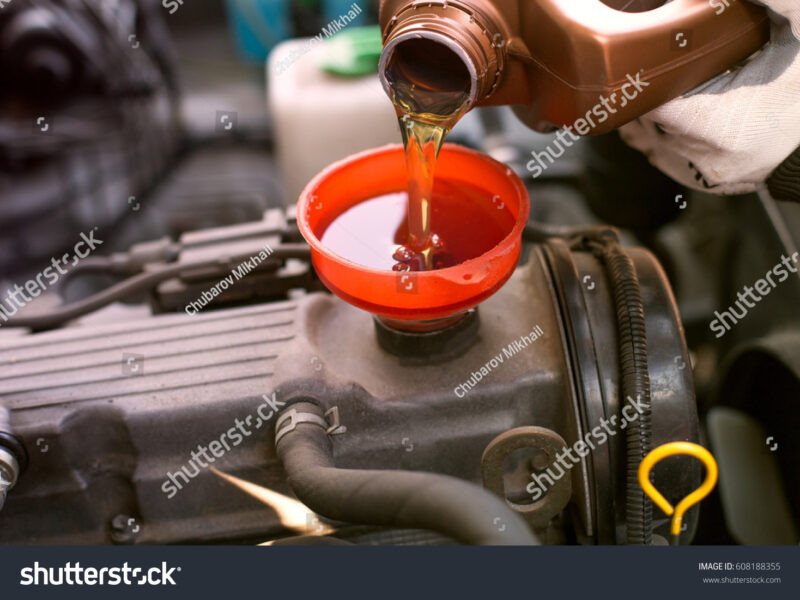
An oil filter plays a pivotal role in an engine’s longevity and performance. By meticulously filtering out contaminants from engine oil, it ensures the essential lubrication every engine needs. Inside the engine, harmful particles like dirt, metal shavings, carbon, and sludge can accumulate during operation. Without effective oil filtration, the engine faces accelerated wear, risking significant damage or even complete failure.
What Constitutes an Oil Filter’s Primary Function?
The fundamental role of an oil filter lies in purifying engine oil. It achieves this by capturing harmful particles, thus preserving the integrity of the lubricant and safeguarding vital engine components. Key internal components of the filter include the filter media, anti-drain back valve (ADBV), and bypass valve. As dirty oil flows through the filter, it passes through the media, and clean oil is then recirculated back to the engine.
What Types of Filtration Media Exist in Oil Filters?
At the heart of every oil filter is its filtration media, a critical element dictating the filter’s efficiency and contaminant capture capability. The main types of filter media include cellulose, synthetic blend, and full synthetic, each offering unique advantages in terms of particle capture, flow rate, and durability.
- Cellulose Media: Made from natural wood pulp fibers, cellulose media is economically viable and prevalent in standard oil filters. It balances filtering efficiency and oil flow, effectively trapping larger particles. Generally suitable for conventional oil, they last up to 5,000 miles but may struggle with extended drain intervals due to particle surface loading.
- Synthetic Blend Media: This combines cellulose and synthetic fibers, improving filtration efficiency, oil flow, and dirt-holding capacity. With enhanced performance characteristics, synthetic blend filters are versatile enough for varied driving conditions and can facilitate slightly longer oil change intervals.
- Full Synthetic Media: Featuring ultra-fine microglass or synthetic microfibers, full synthetic filters excel in filtration efficiency, capable of capturing particles as small as 5 microns. Tailored for modern engines and extended oil change intervals, these filters maintain optimal oil flow and can last between 10,000 to 25,000 miles.
The choice of filter media greatly influences the filter’s micron rating and overall performance. A micron rating signifies the particle size a filter can capture, where one micron equals one-millionth of a meter. For instance, a filter rated at 25 microns can trap contaminants of that size or larger, while a 5-micron filter targets finer debris. Efficiency is often represented as a percentage at a given micron size, such as 95% effective at 20 microns.
The table below compares the attributes of different oil filter media types:
| Media Type | Composition | Typical Micron Rating (Efficiency) | Recommended Oil Type | Service Interval | Key Advantage |
|---|---|---|---|---|---|
| Cellulose | Wood pulp fibers | ~20 microns (moderate efficiency) | Conventional oil | Up to 5,000 miles | Cost-effective |
| Synthetic Blend | Cellulose and synthetic fibers | 10–15 microns (high efficiency) | Conventional, Synthetic Blend | Up to 8,000-12,000 km (5,000-7,500 miles) | Improved balance of flow and filtration |
| Full Synthetic | Microglass or synthetic microfibers | ~5 microns (very high efficiency) | Full Synthetic oil | 10,000–25,000 miles | Superior filtration, extended life |
How Do Oil Filter Bypass Valves and Anti-Drain Back Valves Operate?
Ensuring consistent oil flow and protecting the engine are the duties of two essential valves: the bypass valve and the anti-drain back valve.
- Bypass Valve: This safety mechanism opens to permit unfiltered oil to flow to the engine if the filter media is clogged or the oil is excessively thick (especially during cold starts). By preventing oil starvation, the bypass valve ensures that lubrication continues even if filtration is temporarily compromised. Typically, these valves commence operation when pressure across the filter hits a predetermined threshold between 8 and 15 psi.
- Anti-Drain Back Valve (ADBV): This valve keeps oil from draining back into the oil pan when the engine is off, preserving oil pressure for a quick start. By maintaining a full filter, it minimizes “dry starts,” cutting down wear on engine components. High-quality ADBVs are usually crafted from silicone, providing superior sealing and durability compared to conventional rubber valves under extreme temperatures.
What Specific Needs Dictate Oil Filter Selection?
Choosing the right oil filter involves assessing several factors tailored to your vehicle’s needs and driving conditions. Adhering to manufacturer specifications is essential for compatibility and warranty compliance.
- Vehicle Manufacturer Specifications (OEM): Always refer to your vehicle’s owner’s manual or a trusted parts catalog to find the recommended oil filter. This step ensures that the filter’s thread size, gasket diameter, housing dimensions, and bypass valve settings match your engine. Using the wrong filter can result in leaks, incorrect oil flow, or severe engine damage.
- Engine Oil Type: The engine oil’s type influences your filter choice. Synthetic oils, designed for extended drain intervals, greatly benefit from high-efficiency filters, whereas conventional oils align well with cellulose or synthetic blend filters.
- Driving Conditions: Harsh driving situations, such as frequent short trips or extreme temperatures, demand more robust filtration. In these circumstances, opting for a premium or synthetic filter with enhanced dirt-holding capability is prudent to protect the engine from increased contaminants.
- Maintenance Schedule: Although some manufacturers recommend changing the oil filter every second oil change, many mechanics advise replacing it with each oil change for optimal engine health. Modern engines tend to accumulate contaminants faster, making frequent filter replacements a wise practice. For DIY enthusiasts, understanding vehicle systems can enhance maintenance efforts. Check out Pro Diagnostics at Home: Essential Brake System Diagnostics Tools for DIY Troubleshooting for insights into automotive diagnostics, enriching your filtration system knowledge.
- Longevity Requirements: If extended oil change intervals or maximum engine protection are your priorities, investing in a premium oil filter with synthetic media is smart. These filters efficiently capture smaller particles and remain effective over longer periods. Notably, the evolution of automotive components highlights significant improvements in vehicle durability and performance. The introduction of the first modern oil filter by Purolator in 1923 marked a critical shift in engine care. For deeper dives into automotive history, From Wagons to Wipers: The Evolution of Automotive Braking Systems examines the historical growth of essential vehicle systems.
Frequently Asked Questions About Oil Filters
How often should an oil filter be replaced?
Most experts recommend replacing the oil filter with every oil change to ensure consistent engine protection. Although some manufacturers suggest changing it every second oil change, vehicles with 6,000 to 7,500-mile intervals benefit significantly from concurrent filter replacements, particularly under harsh driving conditions where the load on the filter is greater.
Can a premium oil filter extend oil change intervals?
Absolutely! A premium oil filter, especially those equipped with full synthetic media, can facilitate and enhance extended oil change intervals when used with synthetic engine oils. These filters provide superior filtration efficiency and can typically remain effective for up to 10,000 miles or more, as prescribed by the filter manufacturers.
Is using an aftermarket oil filter safe for my engine?
Choosing a high-quality aftermarket oil filter is generally safe for your engine, provided it aligns with or exceeds the OEM specifications for your vehicle. Reputable aftermarket brands design their filters to meet critical performance parameters like filtration efficiency, micron rating, flow rate, and physical dimensions. However, opting for particularly cheap or low-quality filters could jeopardize filtration performance and overall engine protection.