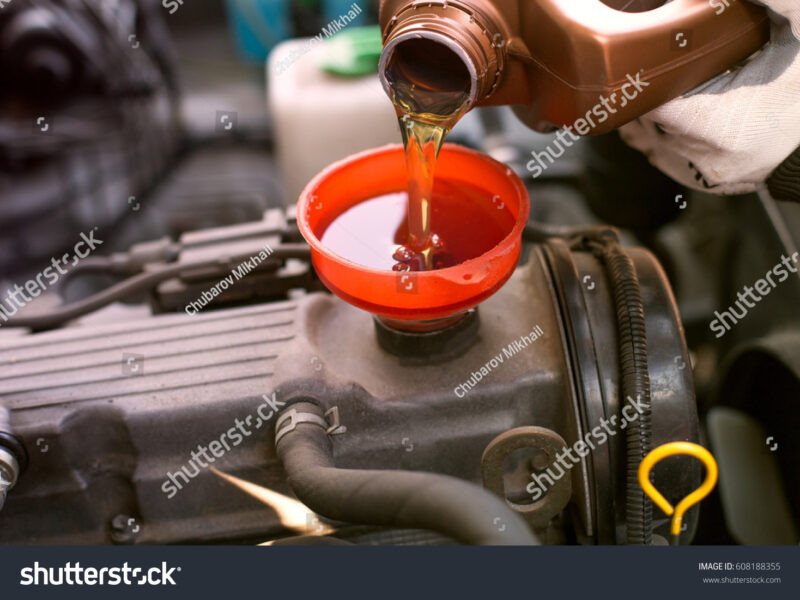
An oil filter serves as the unsung hero of your vehicle’s internal combustion engine, performing a vital role within its lubrication system. This essential component is designed to remove harmful contaminants from the engine oil, thereby maintaining its cleanliness and preventing abrasive wear on moving parts. When you select the right engine oil filtration device, you directly influence your engine’s operational efficiency and longevity.
What is an Oil Filter and How Does it Protect Your Engine?
The oil filter operates by capturing harmful particles—such as dirt, metal shavings, sludge, and unburned carbon—suspended in the engine oil as it circulates. This crucial process prevents these contaminants from causing friction and wear on essential engine components, including bearings, camshafts, and cylinder walls. The filter’s media, typically composed of cellulose, synthetic fibers, or a blend, effectively traps these particulates, ensuring that only clean oil lubricates your engine.
What are the Key Attributes of High-Performance Oil Filters?
High-performance oil filters are distinguished by several key attributes that contribute to superior engine protection. These attributes include filtration efficiency, which is measured by the percentage of particles removed at a specific micron size, and a robust filter media that efficiently captures a wide range of contaminants without hindering oil flow. A strong canister design withstands engine pressure, and reliable anti-drain back valves prevent dry starts. Moreover, an effective bypass valve allows continuous oil flow when the filter becomes clogged, preventing oil starvation.
| Attribute | Description | Impact on Engine Protection |
|---|---|---|
| Filtration Efficiency (Micron Rating) | The ability to capture a high percentage of particles at a given size (e.g., 99% at 20 microns). Lower micron ratings indicate finer filtration. | Reduces abrasive wear and extends engine component life by eliminating microscopic contaminants. |
| Filter Media Material | Synthetic, Cellulose, or a blend of fibers. Synthetic media offers superior flow and finer filtration. | Determines contaminant holding capacity, flow restriction, and filtration performance over time. |
| Flow Rate (GPM) | The volume of oil the filter can process per minute without excessive pressure drop. | Ensures adequate lubrication to all engine parts, especially under high RPMs or cold starts. |
| Bypass Valve Pressure Setting | The pressure differential at which the valve opens to allow unfiltered oil flow. | Prevents oil starvation if the main filter media is clogged while still allowing some contaminants to pass. |
| Anti-Drain Back Valve (ADB) | A rubber or silicone diaphragm that prevents oil from draining out of the filter when the engine is off. | Ensures immediate oil pressure upon engine start-up, minimizing wear from dry starts. |
What are the Top 5 Oil Filters for Superior Engine Protection?
Choosing the best oil filter involves careful consideration of the filter’s construction, media type, and specific application for optimal engine defense. The market is filled with brands that feature advanced filtration technologies and robust designs, significantly enhancing engine life while maintaining oil purity.
Here are five oil filters renowned for superior performance in engine oil filtration:
- Mobil 1 Extended Performance Oil Filter: Celebrated for its advanced synthetic blend media, this filter offers exceptional filtration efficiency and a high contaminant capacity, lasting up to 20,000 miles. Its robust construction and silicone anti-drain back valve ensure consistent performance across diverse driving conditions.
- K&N Performance Gold Oil Filter: Featuring heavy-duty construction and a high-flow design, this filter utilizes a synthetic blend media for excellent filtration without sacrificing oil flow. The added nut on the end allows for easy removal, a convenient feature for DIY enthusiasts.
- Amsoil Ea Oil Filter: Utilizing full-synthetic nanofiber media, these filters trap particles down to very low micron ratings, providing significantly higher efficiency and capacity compared to conventional filters. Designed for extended drain intervals, they align perfectly with synthetic oil longevity.
- Wix XP Oil Filter: The Wix XP series employ a synthetic wire-backed media that enhances dirt-holding capacity and durability. These filters are optimized for use with synthetic oils and extended drain intervals, ensuring superior protection for modern engines.
- Fram Ultra Synthetic Oil Filter: Known for a dual-layer synthetic media, these filters achieve 99%+ filtration efficiency at 20 microns. Their robust construction combined with a silicone anti-drain back valve ensures reliable performance and engine protection over extended periods.
How Do Different Filter Media Types Impact Engine Oil Filtration?
The type of filter media is a fundamental determinant of an oil filter’s effectiveness, directly influencing its capacity to trap contaminants while maintaining optimal oil flow. Cellulose media, commonly found in conventional filters, consists of paper-like fibers and provides adequate filtration, but it may restrict flow quickly as it clogs. On the other hand, snefic media, composed of synthetic fibers, offers superior flow characteristics, finer filtration, and greater contaminant holding capacity, making it ideal for extended oil change intervals. Blended media merges cellulose and synthetic fibers, striking a balance between performance and cost. The evolution of automotive components has consistently prioritized system efficiency and longevity, paralleling advancements in other systems like brakes, as discussed in articles such as From Wagons to Wipers: The Evolution of Automotive Braking Systems.
What is the Recommended Oil Filter Change Interval?
The recommended oil filter change interval is typically aligned with the engine oil change interval, although it can vary based on oil type, filter quality, and driving conditions. For conventional oils and filters, changes are often suggested every 3,000 to 5,000 miles or every 3 to 6 months. With synthetic oils and high-performance filters, intervals can extend significantly, sometimes reaching up to 10,000, 15,000, or even 20,000 miles, depending on the specifications outlined by the filter and oil manufacturers. Always reference your vehicle’s owner’s manual for specific recommendations. Proper vehicle maintenance, including timely filter changes, is crucial for avoiding unforeseen issues and ensuring system integrity, akin to understanding Essential Brake System Diagnostics Tools for DIY Troubleshooting to maintain other critical vehicle systems.
Frequently Asked Questions about Oil Filters and Engine Protection
Q: How does a clogged oil filter affect engine performance?
A: A clogged oil filter can notably diminish engine performance by restricting oil flow. This reduction leads to inadequate lubrication, increased engine wear, and the potential for significant engine damage due to oil starvation. As the filter media fills with contaminants, the bypass valve may open to allow unfiltered oil to circulate, preventing complete oil starvation but compromising engine protection.
Q: Is it necessary to use a premium oil filter with synthetic oil?
A: While it may not be mandatory, using a premium oil filter with synthetic oil is highly advisable. Synthetic oils provide extended drain intervals and superior protection, and a high-quality filter with synthetic media is designed to ensure these extended capabilities by delivering consistent filtration and contaminant capacity throughout the oil’s lifespan.
Q: What is the difference between a full-flow and a bypass oil filter?
A: A full-flow oil filter processes 100% of the oil pumped to the engine, trapping larger particles and serving as the primary filtration system. Conversely, a bypass oil filter filters only a small portion of the oil at a time (typically 5-10%) but does so with much finer filtration, capturing smaller, sub-micron particles that full-flow filters might miss. Bypass filters are often utilized alongside full-flow filters in heavy-duty applications for enhanced filtration.