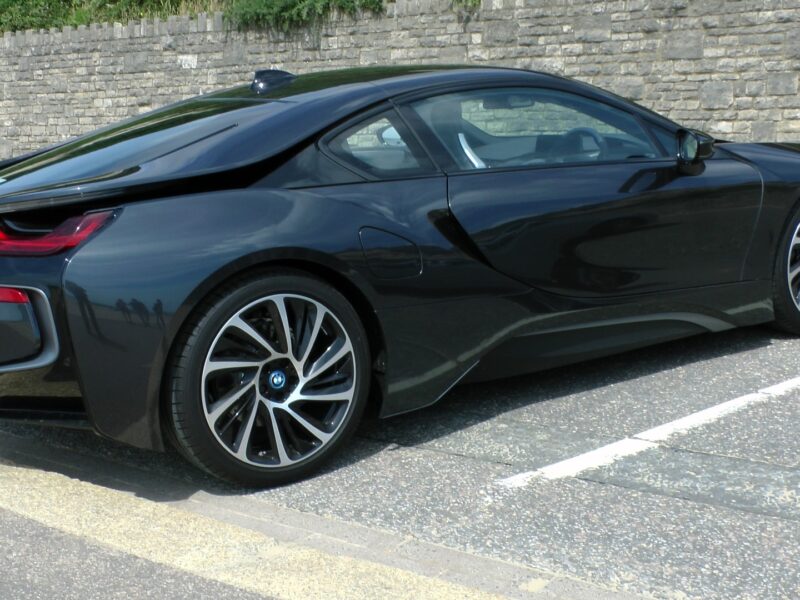
When your car’s rear bumper suffers damage, the cost of replacement can be a significant concern. Typically, you can expect to pay between $800 and $2,000, with totals reaching upwards of $5,000 based on various elements. This estimate includes the bumper part, labor for removal and installation, and the necessary paint matching. Given its critical role in absorbing impact energy during low-speed collisions, a rear bumper is essential for maintaining your vehicle’s structural integrity and protecting its occupants.
Understanding how various factors influence the overall cost of rear bumper replacement is crucial in making an informed decision. Here are some primary components that impact the price:
What are the Primary Components Affecting Rear Bumper Replacement Cost?
The overall expense for replacing a rear bumper revolves around three main elements: the cost of the bumper part itself, labor rates, and painting and finishing processes. Together, these components create a foundational structure for the repair costs.
- Bumper Part Cost: Depending on your vehicle type, a new rear bumper can cost anywhere from $100 to $1,000, with high-end or specialized bumpers potentially exceeding this range. The bumper cover alone, which is the visible exterior component, typically ranges from $200 to $700.
- Labor Costs: Auto repair shops impose labor rates that vary from $48 to $215 per hour. The complexity of the replacement, including the removal of the old bumper and installation of the new one, dictates the total labor hours required.
- Painting and Finishing: The painting process typically costs between $300 and $600. Factors such as the color, paint type, and the need for an exact color match to the rest of the vehicle can influence this price. If your vehicle’s finish is complex or luxurious, expect higher costs.
How Do Vehicle Make, Model, and Bumper Material Influence Replacement Costs?
Your vehicle’s make and model, along with the bumper’s material composition, play a significant role in determining the total replacement cost. Luxury brands and imports often carry higher parts costs, demanding specialized installation services.
- Vehicle Make and Model: Bumpers for luxury vehicles, pickup trucks, and SUVs tend to be more expensive to replace. For example, economy vehicles might see costs between $500 and $700, midrange models from $700 to $1,000, and high-end cars from $1,000 to $1,500. Unique materials, like carbon fiber, can push prices as high as $5,000.
- Bumper Material: Most modern bumpers utilize plastic, such as polyurethane or thermoplastic olefins, due to their flexibility and ability to absorb impacts. Consequently, plastic bumpers are usually cheaper to repair than their metal counterparts. While fiberglass bumpers reduce weight, they are also more fragile and prone to cracks, complicating repairs. Metal bumpers, often found on trucks, typically carry higher costs.
- OEM vs. Aftermarket Parts: Original Equipment Manufacturer (OEM) bumpers come from the vehicle’s original manufacturer and usually cost around 60% more than aftermarket bumpers. Although OEM parts assure a precise fit and compliance with manufacturer standards, including advanced safety system compatibility, aftermarket options can be more economical yet may vary in quality.
What is the Impact of Advanced Driver-Assistance Systems (ADAS) on Bumper Replacement?
The inclusion of Advanced Driver-Assistance Systems (ADAS) components significantly increases rear bumper replacement costs. In today’s modern vehicles, radar sensors, ultrasonic sensors, and cameras are often integrated within or behind the rear bumper, essential for systems like parking assist, blind-spot monitoring, and automatic emergency braking.
If any of these sensors are damaged—or if the bumper cover is replaced—recalibration is often necessary to ensure optimal functionality and safety. ADAS calibration costs range from $150 to $500, but for high-end systems or luxury vehicles, this price can easily surpass $1,000. This high cost emerges due to the need for specialized diagnostic tools and expertise. A study indicated that minor rear collision repairs related to ADAS components accounted for an average of 40.9% of total repair costs.
Proper vehicle maintenance, along with comprehension of advanced systems, is vital for ensuring ongoing safety and effective repairs.
Below is a comparison highlighting key bumper replacement cost factors:
| Factor | Impact on Cost | Typical Cost Range |
|---|---|---|
| Bumper Part (Standard) | Base cost of the replacement component. | $100 – $1,000 |
| Bumper Cover Only | Cost for the exterior fascia. | $200 – $700 |
| Labor Rates | Hourly rate for removal, installation, and associated tasks. | $48 – $215 per hour |
| Painting & Color Matching | Preparation, paint, and clear coat application. | $300 – $600 |
| ADAS Calibration | Recalibration of sensors (parking, blind-spot, radar). | $150 – $1,000+ |
| OEM Parts Premium | Higher cost for manufacturer-original components. | ~60% more than aftermarket |
| Luxury/Specialty Vehicles | Increased part and labor costs for high-end models. | $1,000 – $5,000+ |
What Factors Determine Whether to Repair or Replace a Damaged Rear Bumper?
Your choice between repairing or replacing a damaged rear bumper depends on the type and extent of the damage. This assessment is often best conducted by a qualified auto body technician. Minor scratches and dents may be repairable, whereas severe structural damage or compromised safety features generally necessitate a complete replacement.
For example, minor scratches can often be buffed out, costing between $50 to $300. Small dents may require specialized tools, bringing costs between $150 to $500. However, deep cracks, punctures, or deformities affecting the bumper’s capability to absorb future impacts require a full replacement. Further, damage to internal components, such as reinforcement bars or sensor mounts, likely leads to replacement as well. Understanding your vehicle’s components is crucial for identifying the most effective repair strategy.
Does Car Insurance Cover Rear Bumper Replacement Costs?
Often, car insurance covers the costs related to rear bumper replacement, particularly when damage results from a collision. However, your coverage mainly depends on the details of your specific policy and the circumstances surrounding the incident. With collision coverage, repair expenses typically fall under your plan regardless of fault, after meeting your deductible. If another party is at fault, their insurance should be responsible for the costs associated with repair or replacement.
For minor damages, it’s essential to weigh the repair cost against your deductible. Paying out-of-pocket for smaller repairs can help you avoid an insurance claim that might raise your rates. Many insurers now require ADAS recalibration as part of any covered repairs involving sensor-integrated components, emphasizing the importance of proper repair procedures for continued coverage.
FAQs About Rear Bumper Replacement Costs
How long does it take to replace a rear bumper?
The duration for replacing a rear bumper varies based on the vehicle’s make, model, and the complexity of its bumper system, particularly concerning any integrated sensors. A straightforward bumper cover replacement could take a few hours, yet the overall time for a comprehensive repair, including painting and ADAS recalibration, may extend to several days.
Is it cheaper to repair a bumper or replace it?
In general, repairing a bumper is less expensive than replacing it, particularly if the damage is minor—like superficial scratches or small dents that don’t compromise the bumper’s structural integrity or embedded sensors. Conversely, extensive damage—such as deep cracks or damage to internal components—necessitates a full replacement, which incurs higher costs.
Can I replace a rear bumper myself to save money?
While it’s possible to replace a rear bumper yourself to save on labor costs—DIY bumper paint repair kits range from $15 to $80—professional installation guarantees proper fitment, accurate color matching, and the correct reconnection and recalibration of any integrated sensors. Improper DIY repairs can lead not only to cosmetic issues but also to safety risks, potentially resulting in higher expenses in the future.