The year 2026 is poised to be a landmark period for the automotive industry, introducing a wave of innovative electric vehicles, advancements in hydrogen fuel cell technology, and a significant push towards software-defined cars. This era promises enhanced performance, greater efficiency, and a refined driving experience across various segments.
Which Groundbreaking Electric Vehicles Are Expected in 2026?
The electric vehicle (EV) market continues its rapid expansion, with 2026 bringing several highly anticipated models across various manufacturers. These new releases aim to push boundaries in range, performance, and accessibility. Battery Electric Vehicles (BEVs) are expected to account for 25% of new registrations in 2026, marking their evolution from a niche segment to a market standard.
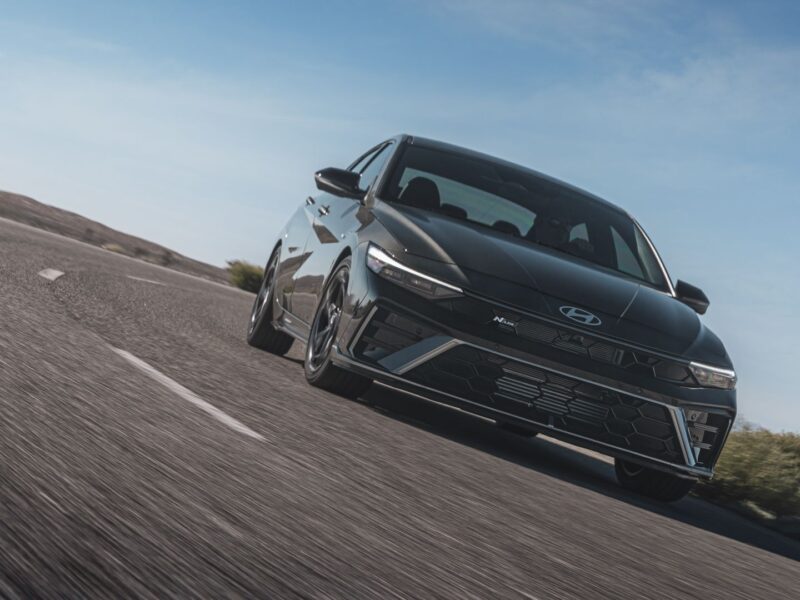
Among the notable electric vehicles, Kia is set to release the compact Kia EV3, expected in late 2026, with an estimated starting price of around $35,000. It will offer a 58-kWh battery for approximately 220 miles of range and a larger 81-kWh battery providing 320 miles. Hyundai is also introducing a high-performance variant, the Ioniq 6 N, for the 2026 model year, boasting a dual-motor all-wheel-drive setup capable of 601 hp, with a boost function increasing it to 641 hp for short bursts.
Luxury segments will see the introduction of Bentley’s first EV, described as a “luxury urban SUV,” set for revelation in 2026. Lexus is also overhauling its ES midsize sedan, offering a fully electric Lexus ES EV option for 2026, with the front-wheel-drive ES350e projecting a 300-mile range. Additionally, Rivian’s more affordable R2 SUV, priced under $50,000 and offering over 300 miles of range, is expected to kick off sales in mid-2026.
What Innovations Are Driving Hydrogen Fuel Cell Vehicles in 2026?
Hydrogen Fuel Cell Electric Vehicles (FCEVs) are advancing significantly, presenting a compelling alternative to BEVs. In 2026, the question of whether Hydrogen Fuel Cell Electric Vehicles (FCEVs) or Battery Electric Vehicles (BEVs) represent the definitive future of personal transportation remains nuanced, with both technologies demonstrating significant advancements and facing distinct market realities. FCEVs generate electricity onboard through a sophisticated electrochemical process rather than storing it in a large battery pack, a core technical principle differing from BEVs. Toyota is at the forefront with its 2026 Mirai, featuring a third-generation fuel cell that improves durability by up to two times and boosts fuel efficiency by 20% compared to its predecessor, allowing for a 20% greater cruising range, with an EPA-estimated driving rating of 402 miles.
The 2026 Hyundai Nexo also redefines hydrogen-powered driving with 190 kW of total output, a projected driving range of 826 km, and next-generation hydrogen fuel cell technology. The Proton Exchange Membrane (PEM) fuel cell stack, central to FCEVs, continues to see advancements in materials and system integration, making FCEVs an increasingly viable zero-emission mobility solution. The global hydrogen fuel cell vehicle market is estimated to be valued at USD 8.27 billion in 2026 and is expected to reach USD 173.69 billion by 2033, exhibiting a compound annual growth rate (CAGR) of 54.5%. For more detailed insights into this rapidly evolving sector, consider reading about Hydrogen Fuel Cell vs. Battery Electric Vehicles: Which is the Real Future of 2026?
How Are Automotive Technologies Evolving for 2026?
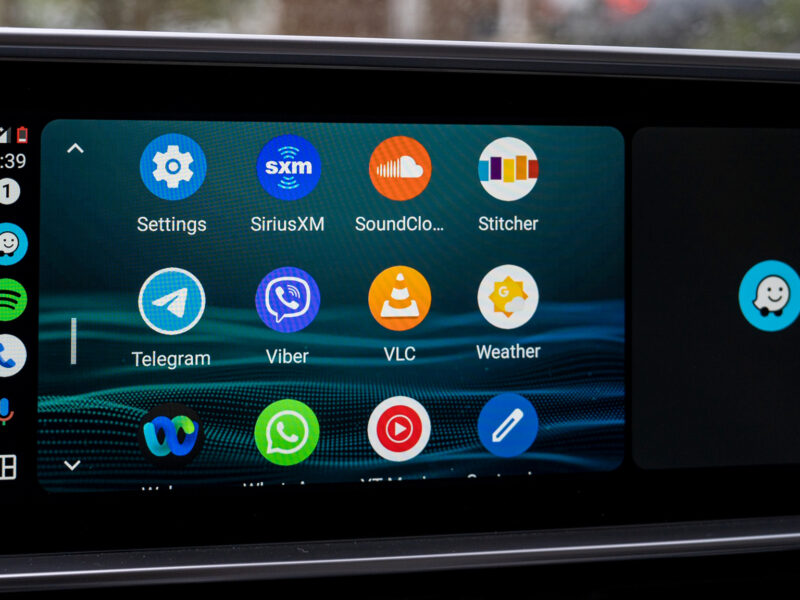
Beyond powertrain types, the automotive landscape in 2026 is being shaped by pervasive technological shifts, transforming vehicles into “software-defined” entities. This includes advanced driver assistance systems (ADAS), over-the-air (OTA) updates, and increasingly autonomous driving functions.
Artificial Intelligence (AI), 5G connectivity, and enhanced safety systems are becoming standard. These intelligent systems, from predictive analytics in inventory management to physical and context-aware AI in vehicles, are designed to interpret real-world conditions in real-time, improving safety and user experience. Features like lane-keeping assist, adaptive cruise control, and blind spot monitoring are becoming more sophisticated, minimizing human error and enhancing driver confidence.
The design of vehicle components, such as bumpers, also plays a crucial role in leveraging these advancements. An effectively designed bumper can reduce air resistance, improve fuel efficiency, enhance engine and brake cooling, and contribute to a more stable driving experience, particularly at higher speeds. For further exploration of this topic, refer to How Car Bumper Design Impacts Vehicle Aerodynamics.
What Are the Expected Maintenance Costs for New EVs in 2026?
Maintaining electric vehicles in 2026 continues to be generally more cost-effective than traditional internal combustion engine (ICE) vehicles. The average electric vehicle maintenance costs in 2026 are significantly lower than those of traditional vehicles, ranging from $300 to $600 annually, depending on various factors.
These costs primarily involve battery upkeep, tire replacements, brake servicing, and software updates. For instance, battery maintenance typically falls between $100 and $250 annually. Tire rotations are estimated at $50 to $100 every 5,000 to 10,000 miles, while brake replacements, due to regenerative braking, are less frequent, costing $300 to $700 every 60,000 miles. Software updates can range from $0 to $200 as needed.
For a comprehensive breakdown, including how these figures compare to gasoline-powered vehicles, delve into Understanding the True Costs of Electric Vehicle Maintenance in 2026.
Comparative Annual Electric Vehicle Maintenance Costs (2026 Estimates)
| Maintenance Type | Average Cost ($) | Frequency |
|---|---|---|
| Battery Maintenance | 100 – 250 | Annually |
| Tire Rotation | 50 – 100 | Every 5,000 – 10,000 miles |
| Brake Replacement | 300 – 700 | Every 60,000 miles |
| Software Updates | 0 – 200 | As needed |
FAQs About 2026 Car Releases
What specific new electric vehicles (EVs) are anticipated for 2026?
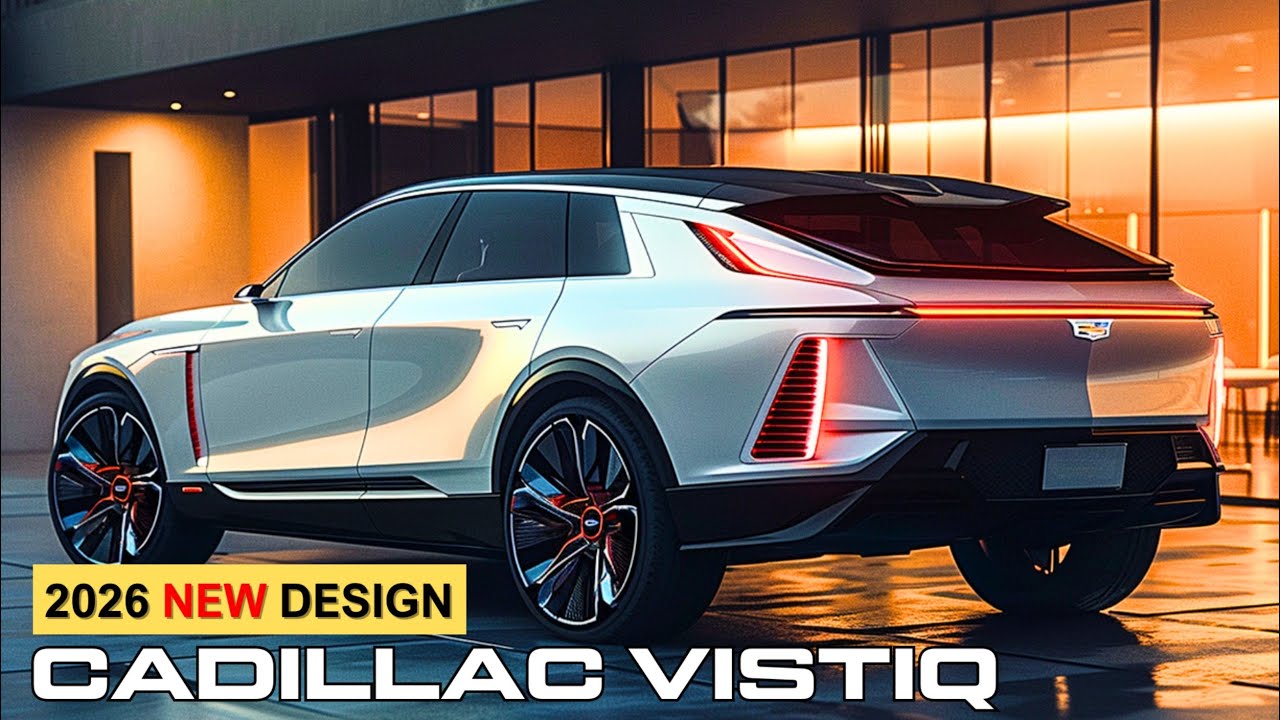
Several new electric vehicles are highly anticipated for 2026, including the Kia EV3, the high-performance Hyundai Ioniq 6 N, the electric Lexus ES EV, and the more accessible Rivian R2 SUV. Cadillac is also expected to release new EV models like the Escalade IQL, Optiq, and Vistiq.
Which brands or manufacturers have planned vehicle launches for 2026?
Numerous major manufacturers are planning significant launches for 2026. These include Kia, Hyundai, Lexus, Bentley, Rivian, Cadillac, Audi (with models like the Q4 e-tron), Mercedes-Benz (CLA Electric), and Ford (Mustang Dark Horse SC and potential hybrid/EV models).
What innovative technologies or features are expected in 2026 vehicles?
Vehicles in 2026 are expected to feature advanced technologies such as comprehensive AI-driven systems, enhanced vehicle-to-everything (V2X) communication, software-defined architectures enabling over-the-air updates, and increasingly sophisticated autonomous driving capabilities. Improvements in battery technology for EVs and more efficient fuel cell designs for FCEVs are also key.
Are there any new hydrogen fuel cell vehicles (FCEVs) expected in 2026?
Yes, 2026 will see the launch of Toyota’s enhanced Mirai with improved fuel cell technology and the new Hyundai Nexo, featuring a re-engineered hydrogen fuel cell system for greater power and range. These models highlight ongoing advancements in the FCEV segment.