Yes, electric cars do wear tires faster due to several unique and intrinsic factors related to their design and operation, particularly their substantial weight, the immediate delivery of high torque, and the specialized composition of their tires. This accelerated wear is a well-documented phenomenon acknowledged by both vehicle and tire manufacturers, with some estimates suggesting that conventional tires on electric vehicles can wear out 20% to 50% faster than those on a comparable gasoline-powered car. Understanding these nuanced differences is crucial for electric vehicle (EV) owners aiming to optimize tire longevity, enhance vehicle performance, and ensure safety on the road.
What Makes Electric Vehicles Different in Terms of Tire Wear?
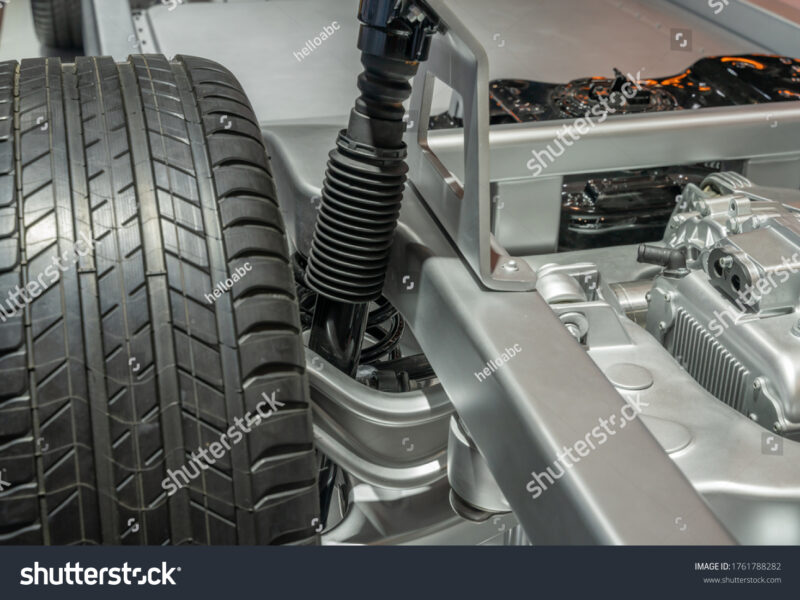
Electric vehicles (EVs) exhibit fundamental distinctions that directly contribute to accelerated tire wear. One of the most prominent factors is their significantly greater curb weight compared to traditional gasoline-powered vehicles. This disparity stems primarily from the heavy lithium-ion battery packs integrated into their design, which can weigh anywhere from 300 kg to 700 kg (approximately 660 to 1,540 pounds) alone. Consequently, most modern EVs often weigh 200 to 600 kg (approximately 440 to 1,320 pounds) more than their petrol or diesel equivalents, translating to an average of 10% to 30% heavier overall. For instance, a Volkswagen ID.3 can weigh around 1,800 kg, approximately 20% heavier than a petrol Volkswagen Golf at 1,500 kg. This substantial additional mass places immense and continuous stress on the tires, leading to increased contact pressure on the road surface, greater tire deformation, and higher heat generation during operation, all of which accelerate tread wear.
Beyond static weight, the dynamic characteristics of EVs further exacerbate tire wear. Electric motors are renowned for their ability to deliver instant torque, meaning that the full rotational force is applied to the wheels immediately upon acceleration, without the gradual power build-up or gear shifts found in internal combustion engine (ICE) vehicles. This explosive power delivery, a major selling point for high-performance EVs like the Tesla Model S or Porsche Taycan, causes a more aggressive “scrubbing” and abrasion of the tire tread against the road surface, particularly when launching from a standstill or during rapid acceleration. For example, a Chevrolet Equinox EV delivers 236 pound-feet of torque instantly, compared to the gasoline version’s 184 pound-feet available only at 2,000 rpm. This consistent, high-force application during routine driving cycles puts exceptional strain on the tire compounds, leading to quicker degradation and a noticeable reduction in tread lifespan.
Furthermore, the increased unsprung weight in EVs, primarily due to the heavy battery packs mounted low in the chassis, also plays a critical role in tire dynamics. Unsprung weight refers to the mass of the vehicle’s components that are not supported by the suspension, such as the wheels, tires, and brake assemblies. Higher unsprung weight means that tires experience greater impact forces when encountering bumps or uneven road surfaces, further contributing to tread and sidewall wear. Tire manufacturers have responded by developing specialized EV tires with higher load indices, often denoted by an “XL” (Extra Load) or “HL” (High Load) marking on the sidewall, indicating their capacity to safely support the heavier mass of electric vehicles.
How Do Tire Composition and Design Affect Longevity?
The unique demands of electric vehicles have driven tire manufacturers to innovate, resulting in specially formulated EV tires designed to mitigate the inherent stresses that come with EV performance. These specialized tires often feature a blend of advanced materials, including high-silica tread compounds, which are optimized for lower rolling resistance. Lower rolling resistance is paramount for EVs as it directly enhances the vehicle’s energy efficiency and extends its driving range, with an “A”-rated tire potentially improving range by 3–5 percent compared to a “C”-rated alternative. However, this optimization for efficiency often comes with a trade-off: the softer rubber compounds utilized to achieve lower rolling resistance can contribute to quicker tread wear, especially under the heavy load conditions typical of most electric vehicles.
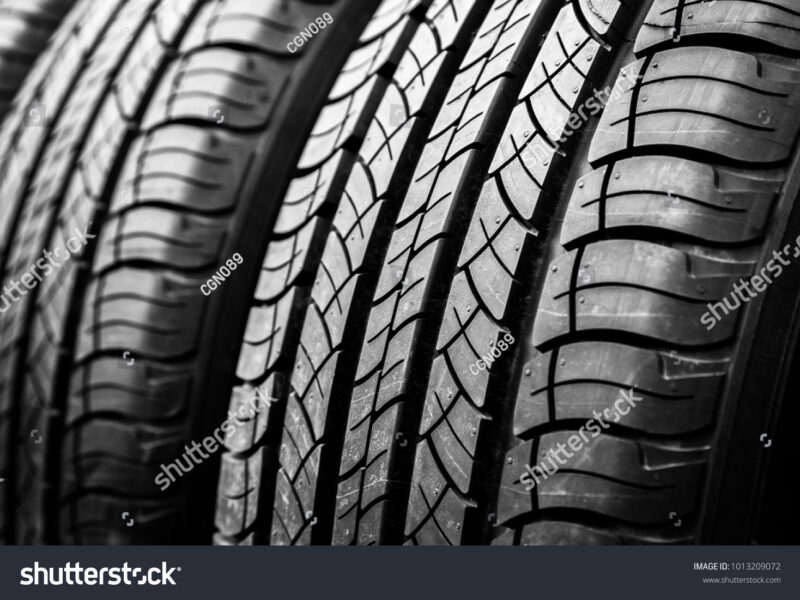
Beyond material composition, the structural design of EV tires incorporates specific enhancements to tackle the challenges posed by electric propulsion. Many EV-specific tires are engineered with reinforced sidewalls to better handle the increased vehicle weight and higher axle loads, maintaining tire shape and handling precision even under extreme forces. Additionally, these tires often feature specialized tread patterns and internal constructions, such as dual-compound designs with high-stiffness rubber in the center for torque transmission and softer compounds on the shoulders for grip. This careful engineering aims to distribute the immense forces of acceleration, braking, and cornering more evenly across the tire’s contact patch, thereby maximizing traction and attempting to prolong tread life. For more detailed information on tire construction, you can refer to our article on Why Do EV Tires Wear Out Faster? The Truth About Electric Vehicle Rubber.
Another crucial design aspect for EV tires is noise reduction. Since electric vehicles operate with minimal engine noise, tire-road interaction becomes a primary source of cabin sound, which is far more noticeable than in traditional ICE cars. To counteract this, manufacturers like Michelin, Pirelli, and Continental integrate acoustic foam liners or specialized tread designs that help dampen road noise, reducing perceived sound levels by up to 20% or approximately 4 dB(A). Despite these innovations, the average lifespan of tires on electric vehicles typically ranges from 25,000 to 50,000 miles, which is generally shorter than the 40,000 to 60,000 miles, and sometimes even up to 80,000 miles, expected from conventional passenger car tires. This highlights the ongoing challenge of balancing efficiency, noise reduction, and durability in EV tire design.
Impact of Driving Habits on EV Tire Wear
The way an electric vehicle is driven plays a profoundly crucial role in determining the longevity of its tires. Drivers who frequently engage in aggressive driving behaviors, such as rapid accelerations, sudden braking, or sharp cornering, will inevitably experience a significantly increased rate of tire wear. The instantaneous and high torque delivered by EV motors, for example, allows for exhilarating 0-60 mph times, but each forceful launch causes substantial friction and heat between the tire and the road surface, leading to premature degradation of the tread blocks. This constant application of extreme forces accelerates the tire’s degradation more rapidly than in vehicles with a more gradual power delivery.
Moreover, the advent of “one-pedal driving” modes, prevalent in many electric vehicles, introduces another unique dynamic to tire wear patterns. In this mode, the driver uses the accelerator pedal for both speeding up and slowing down, relying heavily on regenerative braking when lifting off the pedal. While this feature can be highly efficient for energy recovery and reduces mechanical brake wear, it subjects the tires to constant, alternating forward and backward forces through repeated cycles of acceleration and deceleration. This continuous stress, particularly on the drive wheels, can lead to localized and often more uniform, but ultimately faster, tread wear across the tire surface. Unlike traditional vehicles that often coast between stops, EVs in one-pedal mode keep the tires actively engaged in managing torque, contributing to a quicker reduction in tread depth.
Beyond driving style, external driving conditions also significantly influence EV tire longevity. Rough terrains, poorly maintained roads, or frequent encounters with potholes can physically damage tires and exacerbate wear. Environmental factors, such as extreme heat or cold, also impact rubber compounds, affecting their flexibility and resistance to wear over time. To maximize the lifespan of EV tires, adopting smoother driving habits is paramount, avoiding abrupt accelerations and harsh braking whenever possible. Furthermore, consistent and diligent tire maintenance, including regular rotations, precise wheel alignments, and maintaining optimal air pressure as recommended by the manufacturer, can significantly extend tire life, often necessitating rotations every 5,000 miles to ensure even wear distribution. For a deeper dive into extending tire life, read How Long Do EV Tires Last? Longevity Factors Explained.
Comparative Longevity of Different Electric Vehicle Tires
Choosing the right tires is critical for electric vehicle owners looking to balance performance, range, and longevity. Tire manufacturers have responded to the unique demands of EVs by engineering specialized tires that incorporate advanced technologies. Below is a comparative overview of top-tier EV tires, detailing their average lifespan, weight rating capabilities, and key EV-specific features designed to address the challenges of electric mobility. For further options and in-depth reviews, refer to Top 5 Best Tires for Electric Vehicles: Range and Durability Tested and Top 5 Tires for Electric Vehicles in 2023.
| Tire Model | Average Lifespan (miles) | Weight Rating (Load Index) | Key EV-Specific Technology/Feature |
|---|---|---|---|
| Pirelli P Zero Elect (PZ4-Sport or E) | 30,000 – 50,000 | “ELECT” marking, often XL or HL (e.g., Load Index 96-108) | Low rolling resistance silica compounds, reinforced shoulder, PNCS (Pirelli Noise Cancelling System) foam, Seal Inside, RunForward technology, wider tread blocks for torque support |
| Michelin Pilot Sport EV | 25,000 – 50,000 | Designed for heavier EVs (e.g., Load Index 105Y for 285/35-21) | ElectricGrip™ compound for max grip on EV torque, GreenPower™ shoulder compound for range, MaxTouch Construction for even force distribution, Acoustic Technology foam for noise reduction |
| Continental EcoContact 6 (or 6Q) | 35,000 – 60,000 | “EV-compatible symbol,” often XL (e.g., Load Index 92Y for 225/40-18) | Green Chili™ 2.0 compound for efficiency and grip, ContiSilent noise-reducing foam, ContiSeal puncture sealing technology, optimized tread pattern for low rolling resistance and wet grip |
| Bridgestone Potenza Sport EV (with ENLITEN Technology) | 30,000 – 55,000 (15% greater mileage than prior models) | Engineered for high-performance EVs, including higher load capacities | ENLITEN Technology (high-stiffness compound, hybrid crown reinforcement, stiff carcass), optimized inorganic fillers for abrasion resistance, 3D Sipe Technology for traction/wear balance, Tuned Tread Sequencing for noise |
Each of these tire models integrates specific engineering to address the trifecta of EV challenges: weight, instant torque, and noise. For instance, Pirelli’s “ELECT” marking signifies its dedicated design for electric and plug-in vehicles, incorporating features like a specialized high-silica tread formulation for improved rolling resistance and a reinforced shoulder for enhanced cornering stability. Michelin’s Pilot Sport EV leverages its “ElectricGrip™” compound to manage the high stiffness required for EV torque transmission, while its “Acoustic Technology” polyurethane foam significantly reduces cabin noise, a critical factor in quiet electric vehicles. Similarly, Continental’s EcoContact 6 features its “Green Chili™ 2.0 compound” and “ContiSilent” technology for efficiency and reduced noise, while Bridgestone’s Potenza Sport EV, utilizing “ENLITEN Technology,” boasts a high-stiffness compound and hybrid crown reinforcement for improved high-speed control, wet grip, and wear life, offering a claimed 15% greater mileage than previous generations. These advancements underscore the industry’s commitment to developing robust and efficient solutions for the evolving electric vehicle market.
FAQs About Electric Car Tire Wear
What is the average lifespan of tires on an electric vehicle?
The average lifespan of tires on an electric vehicle typically ranges from 25,000 to 50,000 miles, a figure that is often notably shorter than that of their internal combustion engine (ICE) counterparts. This reduced longevity is a direct consequence of several inherent characteristics of EVs, including their substantial curb weight, the immediate and powerful torque delivery from electric motors, and the specialized, often softer, rubber compounds used in EV-specific tire designs. In contrast, a conventional passenger car tire under normal driving conditions is generally expected to last between 40,000 and 60,000 miles, with some high-quality tires offering warranties up to 80,000 miles.
Factors such as individual driving habits play a significant role in this variance; aggressive acceleration and frequent hard braking will drastically shorten tire life, even within the specified range. Additionally, the effectiveness of regenerative braking, while reducing mechanical brake wear, can introduce unique stress patterns on tires, contributing to different wear characteristics. Therefore, while the average figures provide a general guideline, actual tire longevity for an EV owner can fluctuate widely based on their driving style, the specific tire model chosen, and diligent maintenance practices such as regular tire rotations and proper inflation.
Do heavier electric vehicles wear tires faster?
Yes, heavier electric vehicles unequivocally wear tires faster due to the increased load and stress placed upon the tire structure during all phases of driving: acceleration, cruising, and braking. The majority of electric vehicles weigh over 4,000 pounds, with many models easily exceeding 5,000 pounds, a significant increase compared to similarly sized gasoline-powered cars. This additional mass stems primarily from the heavy battery packs, which can add hundreds of kilograms to the vehicle’s total weight. For instance, the battery pack alone in some EVs can weigh up to 700 kg, far surpassing the weight of a traditional fuel tank and engine block combined.
The increased weight results in greater contact pressure between the tire and the road surface, which in turn generates more friction and heat, accelerating the rate at which the tread wears down. To counteract this, EV tires are often designed with reinforced sidewalls and higher load indices, such as “XL” or “HL” markings, indicating their capacity to safely support the heavier vehicle mass. However, even with these specialized designs, the fundamental physics of increased weight means that the tires must work harder, leading to a generally shorter lifespan compared to tires on lighter vehicles, often requiring more frequent replacements to maintain optimal safety and performance.
How can I extend the lifespan of my EV tires?
Extending the lifespan of electric vehicle tires requires a combination of mindful driving practices and diligent maintenance, given the unique stresses EVs place on their rubber. Firstly, adopting smoother driving habits is paramount; avoiding aggressive accelerations, sudden braking, and sharp cornering minimizes the extreme forces applied to the tires by the EV’s instant torque. Gradual acceleration and deceleration, even when utilizing regenerative braking, can significantly reduce localized tread wear and heat buildup. Being aware of “one-pedal driving” effects and modulating acceleration smoothly can prevent excessive tire scrub.
Secondly, adherence to a rigorous tire maintenance schedule is critical. Regular tire rotations, typically recommended every 5,000 miles, are essential to ensure even wear across all four tires, mitigating the uneven wear patterns that can arise from factors like regenerative braking or varied weight distribution. Maintaining the manufacturer-recommended tire pressure is also vital, as both under-inflation and over-inflation can accelerate wear and compromise handling and safety. Furthermore, periodic wheel alignments should be performed, especially after hitting potholes or experiencing any unusual handling, to correct any deviations that could lead to premature or irregular tire wear. Regular inspections for tread depth and any signs of damage are also crucial for proactive tire care.
What types of tires are best for electric vehicles?
The best types of tires for electric vehicles are those specifically designed to meet the unique performance characteristics and demands of EVs, which include heavier weight, instant torque, and the need for reduced cabin noise. These specialized EV tires are engineered with a combination of advanced materials and structural enhancements not typically found in conventional tires. Key features to look for include a high load index (often designated as “XL” or “HL” on the sidewall) to safely accommodate the battery pack’s weight, specialized low rolling resistance compounds, often silica-enhanced, to maximize energy efficiency and extend driving range, and reinforced sidewalls to manage increased stresses and improve handling.
Furthermore, given the quiet nature of electric powertrains, optimal EV tires will incorporate noise reduction technologies, such as acoustic foam liners (e.g., Michelin Acoustic Technology, Pirelli PNCS, Continental ContiSilent) or advanced tread patterns designed to minimize road noise and enhance the serene driving experience of an EV. Reputable brands like Pirelli (P Zero Elect), Michelin (Pilot Sport EV), Continental (EcoContact 6), and Bridgestone (Potenza Sport EV with ENLITEN Technology) offer specific models tailored for electric vehicles, integrating these features to provide a balanced performance of grip, efficiency, durability, and quiet operation. Selecting tires with these specific attributes ensures that your EV maintains its intended performance, safety standards, and optimal range.