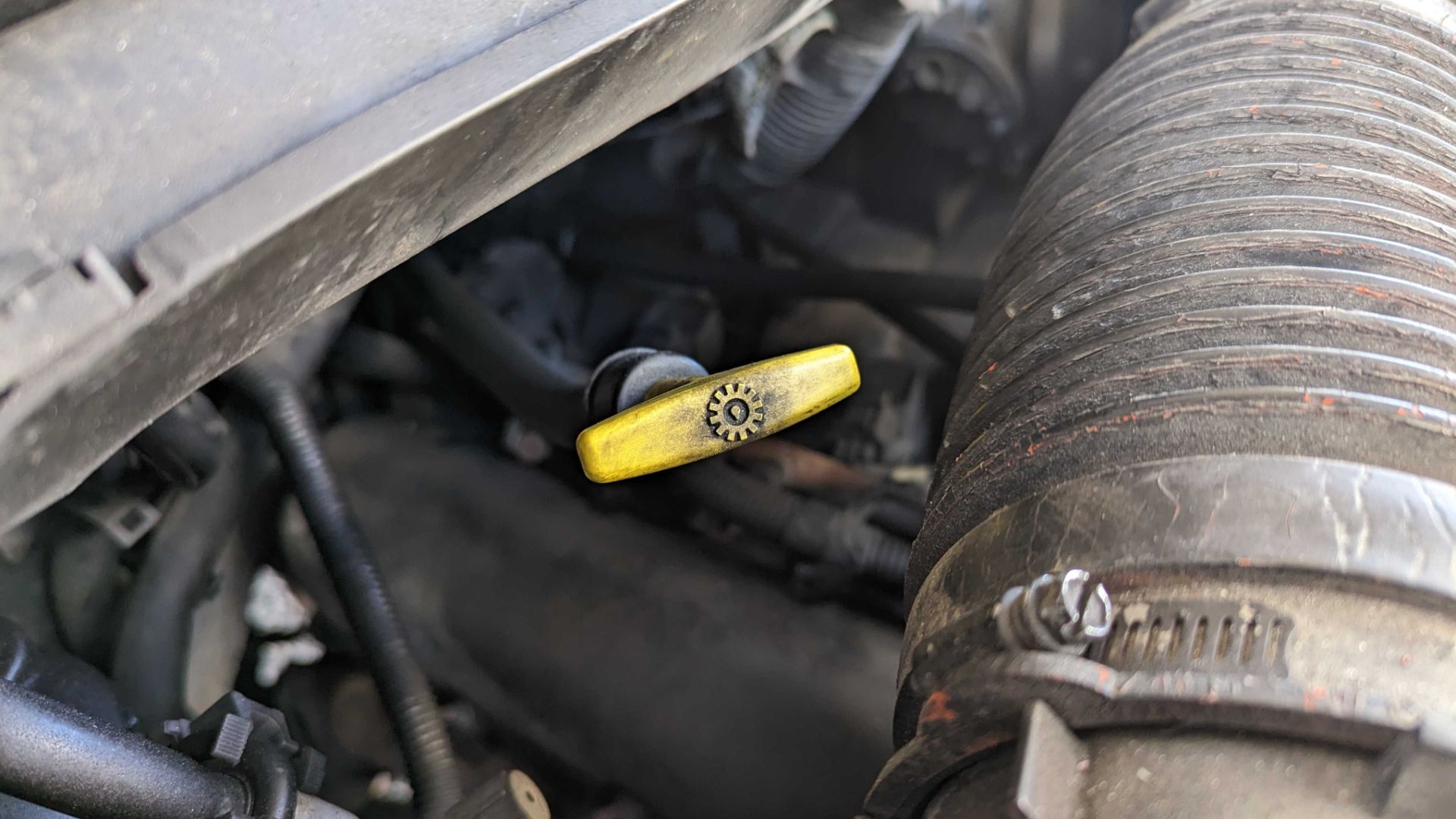
Checking your vehicle’s transmission fluid level can seem daunting, but it’s an essential procedure that maintains your car’s health and performance. Proper fluid levels ensure that your transmission operates smoothly, preventing costly repairs down the line. In just a few minutes, you can diagnose the health of your transmission system and set the stage for optimal vehicle operation.
This guide walks you through the specifics of checking both automatic and manual transmission fluids—equipping you with the knowledge to keep your vehicle running optimally.
Why is Checking Transmission Fluid Level Essential for Vehicle Health?
Maintaining an accurate transmission fluid level is critical. This fluid lubricates internal components, including gears, bearings, and synchronizers, significantly reducing friction and wear. Moreover, it cools the transmission system, dissipating heat generated during operation and providing essential hydraulic pressure for seamless gear engagement. Regularly checking fluid levels allows for the early detection of leaks or degradation, which can save you from expensive repairs while ensuring your vehicle runs at its best. To further understand the importance of fluid quality, explore our Transmission Fluid Color Chart.
What Specific Tools Are Required to Check Transmission Fluid?
Equipping yourself with the right tools is key to accurately checking transmission fluid. You will need:
- Your vehicle owner’s manual to identify the correct fluid type and capacity.
- 6-mil nitrile gloves to protect your hands from hot or corrosive fluid.
- A clean, lint-free microfiber rag to wipe the dipstick.
- A flexible funnel with an 8-inch spout for controlled fluid additions.
- If applicable, a diagnostic scan tool—like a Foxwell NT301 or Autel MaxiCOM MK808—for vehicles lacking a traditional dipstick.
Under What Precise Operating Conditions Should Transmission Fluid Be Checked?
To check automatic transmission fluid (ATF), ensure the engine is running and warmed to its operating temperature, typically between 175°F (80°C) and 195°F (90°C). Park the vehicle on a perfectly level surface, with the parking brake engaged for safety. Cycle the shifter through all gear positions (P, R, N, D, L) for about three seconds each, before returning it to Park or Neutral as specified in your owner’s manual to circulate the fluid properly.
Manual transmission fluid (MTF) should be checked when the engine is off and cool, positioned on a level surface also. Removing the designated fill plug lets you verify fluid levels, which should be at the bottom edge of the fill hole. For detailed guidance on changing manual transmission fluid, check our DIY Guide to Changing Manual Transmission Fluid.
What is the Step-by-Step Procedure for Checking Automatic Transmission Fluid?
Follow these steps to check your automatic transmission fluid:
- Park the vehicle on a flat surface and secure the parking brake.
- Start the engine, allowing it to reach its normal operating temperature, usually between 175°F and 195°F (80°C to 90°C).
- With your foot on the brake, cycle through all transmission positions (P, R, N, D, L) for a minimum of three seconds each to circulate the fluid.
- Return the shifter to Park (P) or Neutral (N), as your owner’s manual indicates. Keep the engine running.
- Locate the transmission fluid dipstick, often distinguished by a red or yellow handle, typically at the back of the engine bay.
- Remove the dipstick, clean it thoroughly with a lint-free rag, and reinsert it completely.
- Check the dipstick again—the fluid should be between the “FULL HOT” or “MAX” marks. If the level is low, add the specified ATF slowly through the dipstick tube using a funnel, rechecking until the level is optimal.
How Does Checking Manual Transmission Fluid Differ?
Checking manual transmission fluid (MTF) presents different procedures. The engine should be off and the vehicle must rest on a level surface. The fill plug is usually accessed from below, often requiring a lift or jack stands for safety.
Once the fill plug is removed, check that the fluid level is flush with the lower edge of the fill hole, or just slightly below. If the fluid is low, add the manufacturer-specified MTF using a fluid pump until it seeps out of the fill hole, ensuring sufficient lubrication of the internal components.
Comparative Fluid Check Protocols by Transmission Type
| Variable | Automatic Transmission (ATF) | Manual Transmission (MTF) |
|---|---|---|
| Operating Temperature | Engine running, at 175°F – 195°F (80°C – 90°C) | Engine off, cool or ambient temperature |
| Engine Status During Check | Running | Off |
| Vehicle Level Requirement | Strictly level surface | Strictly level surface |
| Level Check Method | Dipstick, often with “HOT” marks | Fluid at bottom edge of fill plug hole |
| Common Tools for Addition | Funnel | Fluid pump |
Frequently Asked Questions (FAQ)
What is the ideal color for healthy transmission fluid?
Healthy transmission fluid is typically a translucent bright red or pink, making it easier to identify leaks and assess condition.
Can I use any transmission fluid for topping off?
No, always adhere to the specific type and viscosity (e.g., DEXRON-VI, MERCON LV, or GL-4) recommended in your vehicle’s owner’s manual to avoid damage.
How often should I check my transmission fluid level?
Most manufacturers advise checking transmission fluid every 3 to 6 months, or every 5,000 to 7,500 miles, as part of regular maintenance.
What does a burnt smell from transmission fluid indicate?
A burnt odor suggests severely degraded fluid due to excessive heat, which may signal internal transmission wear or overheating issues that need immediate attention.
What if my transmission fluid is consistently low?
A consistently low transmission fluid level indicates a leak in the system, which must be addressed promptly to avoid further damage.
By carefully following these protocols for checking your transmission fluid level, you can significantly enhance the longevity of your transmission while ensuring optimal vehicle performance.