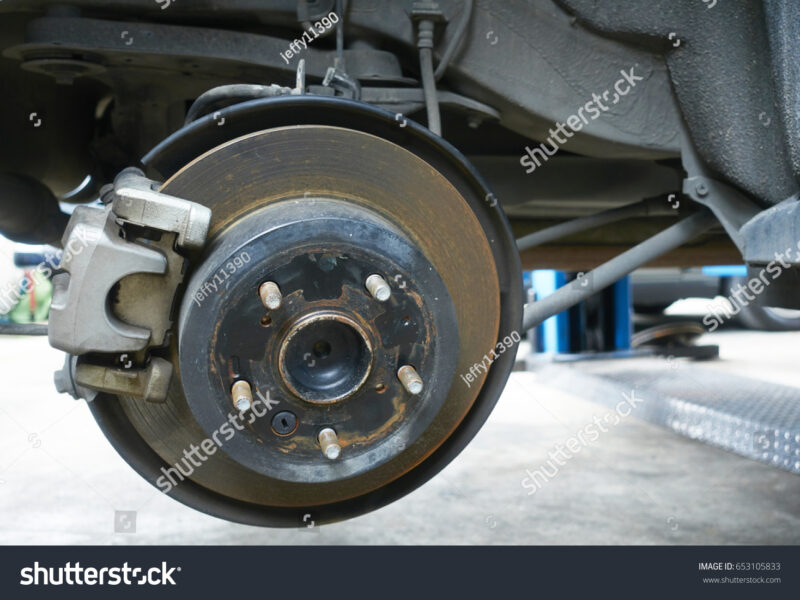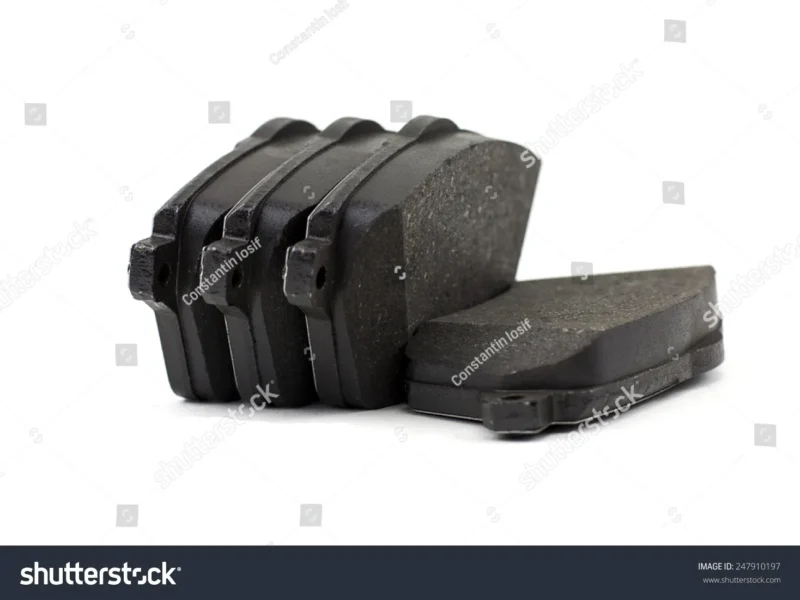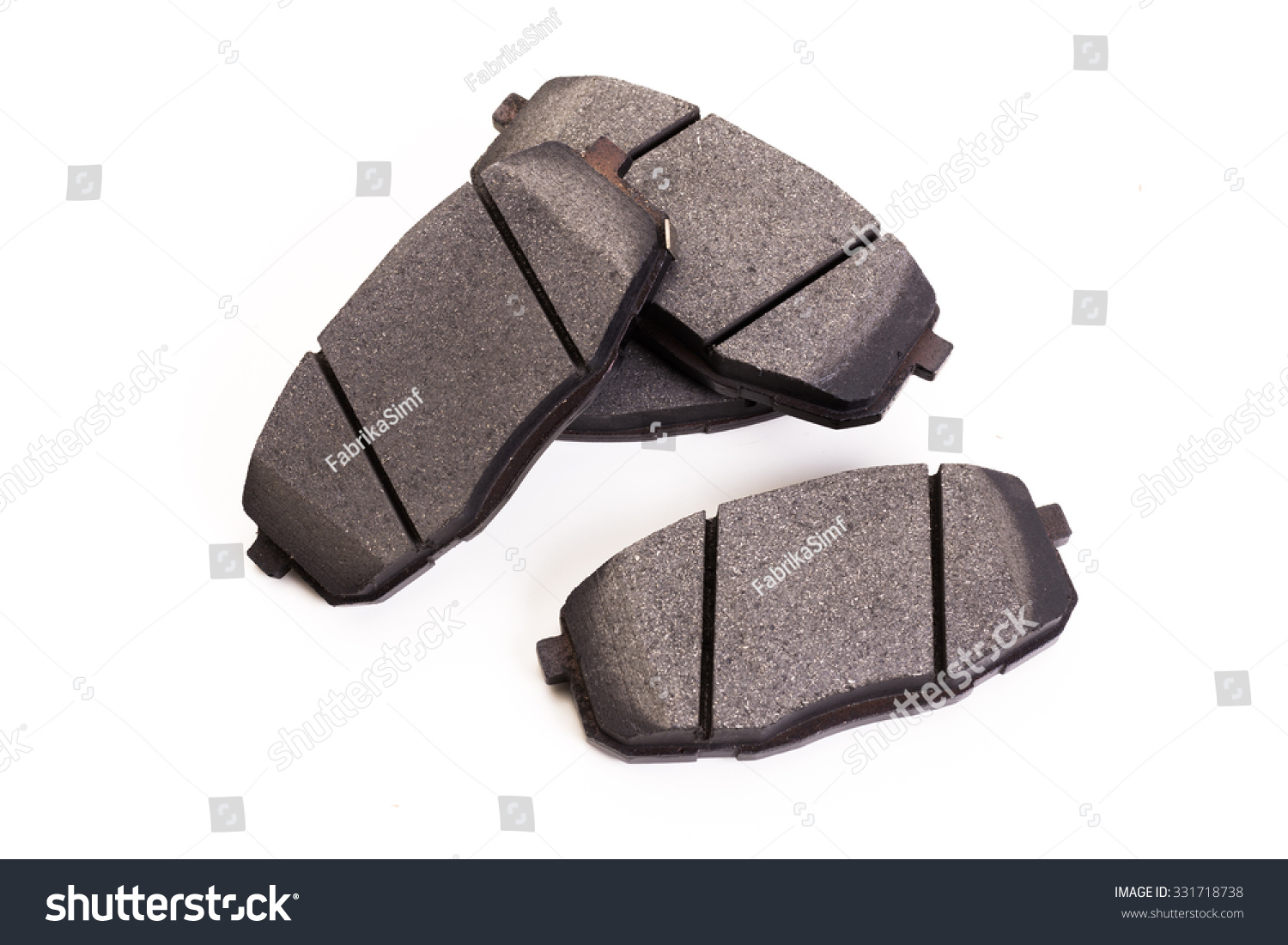
Selecting the optimal brake pads is paramount for any vehicle frequently engaged in heavy towing and hauling, directly impacting safety, performance, and the longevity of your entire braking system. This article details the top brake pad selections specifically engineered to withstand extreme heat, reduce fade, and provide consistent, reliable stopping power under significant load for trucks and SUVs.
Why Are Standard Brake Pads Inadequate for Heavy Towing?
Standard brake pads are designed for everyday driving conditions and lack the specialized friction materials and structural integrity required to manage the elevated temperatures and immense forces generated by heavy loads. When towing, the increased weight demands substantially more braking force, causing standard pads to rapidly overheat and degrade. This leads to a dangerous condition known as “brake fade,” where stopping power is significantly reduced or completely lost.
The friction material in standard pads typically cannot withstand continuous temperatures exceeding 300°C (572°F). Under heavy towing conditions, brake temperatures can easily surpass this threshold, causing the organic or semi-metallic compounds to break down, off-gas, and lose their frictional properties. This phenomenon compromises vehicle control and increases stopping distances, posing significant safety risks.
Furthermore, standard pads wear out much faster when subjected to the stress of heavy towing, leading to frequent replacements and potential damage to other braking system components. Their design prioritizes quiet operation and smooth engagement for lighter loads, not the robust heat dissipation and high friction coefficient essential for managing substantial added weight.
Understanding Key Specifications for Heavy-Duty Brake Pads
When selecting brake pads for heavy towing, several technical specifications are crucial for ensuring optimal performance and safety. These include the material composition, friction coefficient rating, and maximum operating temperature range. These factors collectively determine a pad’s ability to resist fade and provide consistent stopping power under extreme stress.
Heavy-duty brake pads are often constructed from advanced semi-metallic or ceramic compounds, sometimes reinforced with carbon fibers. Semi-metallic pads, comprising 30-70% metals like copper, iron, steel, and graphite, offer excellent heat transfer and high friction, making them ideal for heavy loads. Ceramic pads, made from ceramic fibers, filler materials, and a binding agent, are known for their quiet operation, clean performance, and consistent friction across a wide temperature range, though some high-performance ceramic formulations are now engineered for extreme heavy-duty use.
The friction coefficient is rated by the Society of Automotive Engineers (SAE) with a two-letter code, such as GG or GF. The first letter denotes the normal operating temperature friction, and the second letter represents the hot operating temperature friction. For heavy-duty applications, a rating of GG or HH is highly desirable, indicating a high friction coefficient both at normal and elevated temperatures. For instance, a GG rating signifies a friction coefficient between 0.35 and 0.45 at both ambient and hot conditions, ensuring reliable stopping power even when the brakes are severely heated.
Crucially, heavy-duty brake pads are designed to operate effectively at significantly higher temperatures than standard pads. While standard pads might start fading above 300°C (572°F), premium heavy-duty options can maintain their performance up to 650°C (1200°F) or even higher. This extended temperature range is critical for preventing brake fade during prolonged descents or repeated heavy braking scenarios common with towing. Understanding these specifications ensures you choose brake pads capable of meeting the rigorous demands of your specific towing needs.
Top Picks for Heavy-Duty Towing and Hauling
For demanding heavy towing and hauling applications, certain brake pad brands consistently stand out due to their advanced engineering and robust material compositions. These top-tier options offer superior fade resistance, enhanced stopping power, and extended longevity compared to standard offerings. Selecting the optimal brake pads is paramount for any vehicle frequently engaged in heavy towing and hauling.
Among the leading choices, brands like PowerStop, Hawk Performance, and EBC Brakes provide specialized solutions tailored for trucks and SUVs that frequently operate under significant loads. These manufacturers focus on creating friction materials that can endure extreme thermal stress and provide a consistent, predictable pedal feel even when operating at their limits. Their formulations often incorporate unique blends of semi-metallic, ceramic, and carbon compounds, optimized for heat dissipation and high friction coefficients.
For a deeper dive into specific models and their comprehensive performance reviews, consider exploring resources like “5 Best Brake Pads for Heavy-Duty Trucks: 2026 Performance Review,” which outlines the definitive guide to enhancing performance and safety in heavy-duty applications. Complementing these high-performance pads with appropriate heavy-duty brake rotors is equally vital, as rotors made from premium cast iron or carbon composite materials offer superior strength and heat resistance.
Comparing Leading Heavy-Duty Brake Pads for Towing
To help you make an informed decision, here’s a comparative look at some of the best brake pads for heavy towing, highlighting their key specifications and advantages. This table focuses on crucial metrics such as friction material, SAE friction rating, and maximum operating temperature, all critical factors for heavy-duty performance.
| Brand & Model (Example) | Friction Material | SAE Friction Rating | Max Operating Temp (°C / °F) | Key Advantage for Towing |
|---|---|---|---|---|
| PowerStop Z36 Truck & Tow | Carbon-Fiber Ceramic | GG | 650°C / 1200°F | Excellent fade resistance, low dust, quiet operation |
| Hawk LTS (Light Truck & SUV) | Ferro-Carbon | GG / HH | 700°C / 1300°F | High initial bite, superior stopping power under load |
| EBC Yellowstuff | Aramid Fiber Enhanced Ceramic | GF | 750°C / 1400°F | Aggressive stopping power, high temperature stability |
| Akebono ACT (Pro-ACT Ultra-Premium) | Ceramic (Proprietary) | GF | 600°C / 1112°F | Ultra-low dust, quiet, consistent performance |
| Raybestos Specialty Severe Duty | Severe Duty Semi-Metallic | GG | 680°C / 1250°F | Extreme durability, consistent friction in harsh conditions |
FAQs About Heavy-Duty Brake Pads for Towing
What is the best type of brake pad material for heavy towing?
For heavy towing, the best brake pad materials are typically advanced semi-metallic, carbon-fiber ceramic, or aramid fiber enhanced ceramic compounds. These materials are engineered to withstand the extreme heat and forces generated by increased vehicle weight. Semi-metallic pads, often containing iron, copper, and steel, offer excellent heat dissipation and high friction. Carbon-fiber ceramic and aramid fiber compounds combine the benefits of ceramics (low dust, quiet operation) with enhanced heat resistance and aggressive stopping power, making them ideal for maintaining braking integrity under severe conditions.
How do heavy-duty brake pads prevent brake fade?
Heavy-duty brake pads prevent brake fade primarily through their specialized material composition and design, which allow them to operate effectively at significantly higher temperatures than standard pads. When a vehicle tows a heavy load, the increased kinetic energy that must be dissipated as heat can cause standard pads to overheat, leading to a loss of friction. Heavy-duty pads, made from premium cast iron or carbon composite materials, utilize high-temperature stable friction compounds that resist thermal breakdown. This enables them to maintain a consistent friction coefficient and stopping power even when temperatures soar, preventing the gas buildup and material degradation that cause fade.
What does an SAE friction rating of ‘GG’ or ‘HH’ mean for towing?
An SAE (Society of Automotive Engineers) friction rating of ‘GG’ or ‘HH’ is highly desirable for heavy towing applications. This two-letter code indicates the brake pad’s friction coefficient. The first letter denotes the friction coefficient at normal operating temperatures, while the second letter represents the friction coefficient at hot operating temperatures. A ‘G’ rating signifies a friction coefficient between 0.35 and 0.45, while an ‘H’ rating indicates a coefficient greater than 0.45. Therefore, a ‘GG’ rating means the pad provides high friction both when cold and hot, ensuring reliable and consistent stopping power across a wide range of temperatures encountered during heavy towing. An ‘HH’ rating indicates even higher friction, offering maximum stopping performance.
Can I use standard brake rotors with heavy-duty brake pads for towing?
While heavy-duty brake pads significantly improve braking performance for towing, pairing them with standard brake rotors is not recommended for optimal safety and longevity. Standard brake rotors are often made from materials that cannot effectively dissipate the increased heat generated by heavy-duty pads under towing conditions. This can lead to rotor warping, cracking, and premature wear, compromising the entire braking system’s integrity. For best results and enhanced safety, it is crucial to use specialized heavy-duty brake rotors designed for towing and heavy-duty hauling, which are engineered to withstand extreme conditions and ensure safety and performance.