A slipping transmission indicates a critical loss of power transfer from your engine to the wheels, leading to noticeable delays or a complete failure in gear engagement, and it requires immediate attention to prevent more extensive and costly damage to your vehicle’s automatic transmission. Recognizing the early signs and understanding the underlying causes is paramount for effective vehicle maintenance and safety.
What Are the Primary Symptoms of a Slipping Transmission?
Recognizing transmission slipping symptoms is crucial for maintaining your vehicle’s performance and avoiding costly repairs. Identifying these signs early can save you extensive damage and financial stress. There are 7 symptoms of a slipping transmission that drivers should be aware of, along with 5 signs that your gearbox needs immediate repair to mitigate severe issues.
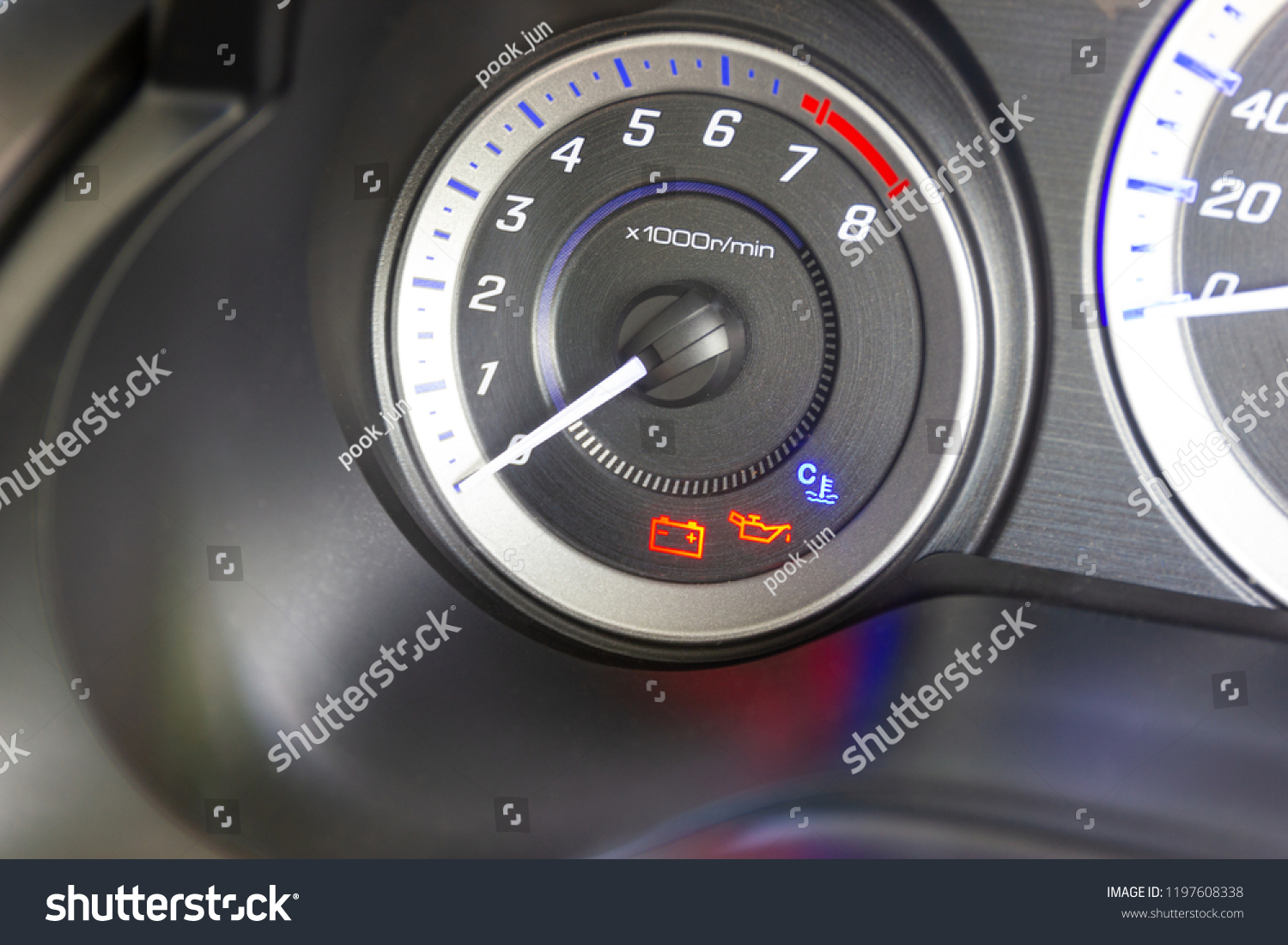
The most noticeable symptom of a slipping transmission is difficulty in engaging gears. If you notice a delay in gear shifts or the transmission hesitating when you accelerate, these may be critical signs. Such delays can manifest as a lag, wherein the engine revs higher without a corresponding increase in speed. This disparity between engine RPM (revolutions per minute) and actual vehicle speed is a definitive indicator that the transmission is not effectively transferring power to the wheels.
Another prominent symptom is unusual noises, such as grinding, whining, or clunking sounds emanating from the transmission area. These noises often accompany delayed engagement or erratic shifting, signaling internal mechanical issues within the gearbox. Additionally, a burning smell, often likened to burning toast, can indicate overheating transmission fluid, which is a common precursor to significant internal damage.
Furthermore, an illuminated Check Engine or Transmission warning light on your dashboard, accompanied by stored fault codes, is a clear signal to seek professional diagnosis. Physical indications like red or brownish fluid pooling under your parked vehicle suggest a transmission fluid leak, which can lead to dangerously low fluid levels and subsequent slipping. Promptly addressing any of these symptoms can prevent minor issues from escalating into major, expensive transmission overhauls.
Why Does a Transmission Slip? Understanding the Root Causes
Transmission slipping occurs when the vehicle’s transmission fails to properly engage the intended gear, or when the engaged gear loses its grip, causing a momentary or sustained loss of power transfer. This critical issue can stem from several technical factors, impacting the automatic transmission’s ability to operate efficiently.
One of the most common technical causes is low or degraded transmission fluid. Transmission fluid not only lubricates internal components but also acts as a hydraulic fluid, enabling clutch engagement and gear shifts. If fluid levels drop below the manufacturer’s recommended capacity, such as below 7.5 liters for a typical passenger car automatic transmission, or if the fluid becomes contaminated or breaks down, it loses its ability to create the necessary hydraulic pressure. This can lead to increased friction, overheating, and ultimately, a slipping sensation. Regular checks of the automatic transmission fluid (ATF) level and condition are crucial, ideally at every oil change, ensuring it’s clear red and at the correct level. Some automatic transmissions, particularly in newer models, do not have a user-accessible dipstick and require professional inspection to accurately check fluid levels.
Another significant cause is worn internal components. Automatic transmissions contain numerous wearing parts, including clutch plates, bands, bushings, bearings, and sealing rings. Over time, friction material on clutch plates, typically 3 to 6 per gear, can wear thin, losing their ability to grip the steel reaction plates effectively. For instance, a new 4L60E 3-4 friction plate measures around 0.080 inches (2.03 mm), and a loss of just 0.005 inches (0.127 mm) per plate can push the entire clutch pack out of spec, leading to slippage. Heavy stop-and-go driving or towing heavy loads accelerates this wear, particularly in components like the clutch packs in Honda Accord (1998-2007) and Odyssey (1999-2006) models, which were prone to premature wear.
Electrical problems also play a critical role in modern transmission slipping issues. Faulty shift solenoids, which are electronically controlled valves that direct fluid flow to engage gears, can cause delayed or erratic shifting. For example, a failing solenoid might present symptoms identical to internal damage, such as hard shifts or slipping. In Nissan’s Continuously Variable Transmissions (CVT), found in models like the Altima (2013-2020) and Rogue (2014-2019), issues often stem from premature belt and pulley wear, overheating, and fluid degradation, which directly affects gear engagement and leads to slipping or jerking during acceleration. Torque converter issues, which are responsible for adapting engine power into torque for the transmission, can also manifest as slipping due to internal defects.
How Much Does It Cost to Repair a Slipping Transmission?
The cost to repair a slipping transmission varies significantly based on the specific issue, the vehicle’s make and model, the type of transmission, and the labor rates in your region. Addressing the problem promptly is essential, as ignoring minor issues can escalate repair costs dramatically.
Minor repairs, such as addressing low fluid levels or replacing faulty solenoids, are generally the most affordable. For instance, a transmission fluid flush and filter change can range from $230 to $475 for automatic transmissions, with a simple drain-and-fill averaging $120–$300. Replacing a single transmission shift solenoid typically costs between $250 and $750, including parts and labor, but can range from $150 to $850 depending on the vehicle and accessibility. Vehicles like Ford F-150s or Chevrolet Silverados might fall into the lower-to-mid range for solenoid replacement, while luxury imports or diesel trucks can push costs higher due to complex designs and tighter engine bays.
More extensive repairs, such as replacing internal components like clutch packs or a torque converter, incur higher costs. Replacing an automatic transmission clutch kit can range from $280 to $850, depending on the make and model and if other components are replaced. For manual transmissions, a full clutch replacement, including the disc, pressure plate, and release bearing, typically costs between $600 and $2,000, with labor making up 50-70% of the total. For instance, a Honda Civic clutch replacement averages $1,571-$2,240. Torque converter replacement costs typically range from $800 to $1,800.
In severe cases, a complete transmission rebuild or replacement becomes necessary. A transmission rebuild involves disassembling the unit, replacing worn components like gaskets, seals, and clutch packs, and reassembling it. This typically ranges from $1,800 to $3,500 for most passenger cars and $2,500 to $4,500 for trucks and SUVs. A full replacement with a remanufactured unit usually costs between $2,500 and $4,500 installed, while a new OEM unit from a dealer can be $5,000 to $8,000 or more. Labor to remove and replace a transmission alone can range from $500 to $1,200.
Here is a comparative table of typical transmission repair costs:
| Repair Type | Estimated Cost Range (USD) | Notes |
|---|---|---|
| Transmission Fluid Drain & Fill | $120 – $300 | Does not replace all fluid; suitable for routine maintenance. |
| Transmission Fluid Flush & Filter Change | $230 – $475 | More comprehensive fluid replacement, includes filter. |
| Single Transmission Shift Solenoid Replacement | $250 – $750 | Varies by vehicle model and labor rates; includes parts and labor. |
| Automatic Transmission Clutch Kit Replacement | $280 – $850 | Cost depends on vehicle make, model, and additional components. |
| Manual Transmission Clutch Replacement (Full Kit) | $600 – $2,000 | Includes disc, pressure plate, release bearing; labor is a significant factor. |
| Torque Converter Replacement | $800 – $1,800 | Addresses internal defects in the torque converter. |
| Transmission Rebuild (Passenger Car) | $1,800 – $3,500 | Disassembly, inspection, and replacement of worn internal parts. |
| Transmission Rebuild (Truck/SUV) | $2,500 – $4,500 | Higher costs due to larger components and complexity. |
| Remanufactured Transmission Replacement | $2,500 – $4,500 (installed) | Unit is factory-tested and often comes with a warranty. |
| New OEM Transmission Replacement | $5,000 – $8,000+ (installed) | Most expensive option, for standard vehicles; higher for luxury/performance. |
FAQs About Transmission Slipping
What is the typical lifespan of an automatic transmission before clutch wear becomes an issue?
The lifespan of an automatic transmission’s clutch packs can vary significantly, but typically, symptoms of wear, such as slipping gears, may begin to appear between 120,000 and 170,000 miles under normal driving conditions. However, this can be drastically reduced by factors like aggressive driving, frequent towing, excessive stop-and-go traffic, or neglected maintenance. For instance, specific models like the early 2000s Honda automatic transmissions (e.g., Accord 1998-2007, Odyssey 1999-2006, Civic 2001-2005) were known for weak clutch packs and internal gear wear, leading to premature slipping. Regular transmission fluid changes using the manufacturer-specified fluid, such as Honda OEM fluid for these models, are crucial for extending clutch life and preventing early failure.
How often should transmission fluid be checked and changed to prevent slipping?
For most automatic transmissions, it is generally recommended to check the fluid level and condition at every oil change, or at least once or twice between oil changes if your vehicle has a dipstick. The fluid should be translucent dark red; if it appears dark, murky, or has a burnt smell, it indicates degradation and requires immediate service. Many manufacturers recommend changing automatic transmission fluid every 30,000 to 60,000 miles under normal driving conditions, or every 15,000 to 30,000 miles for severe conditions like towing or heavy traffic. Some modern “sealed” transmissions, such as those without an accessible dipstick, require specialized tools and professional technicians to accurately check and service fluid levels, often during routine engine oil changes. Always consult your vehicle’s owner’s manual for precise recommendations on fluid type and service intervals, as using the wrong fluid can lead to severe transmission failure.
Can low transmission fluid cause permanent damage, and what is the proper way to check it?
Yes, driving with low transmission fluid can cause permanent and severe damage to your automatic transmission because the fluid is vital for lubrication, cooling, and hydraulic pressure required for gear engagement. Insufficient fluid leads to increased friction, overheating, and accelerated wear on critical internal components like clutch plates and bands, potentially necessitating a costly rebuild or full replacement. To check transmission fluid in vehicles with a dipstick, ensure the vehicle is parked on a level surface, engage the parking brake, and run the engine to normal operating temperature, typically in Park or Neutral. Remove the transmission dipstick, wipe it clean with a lint-free cloth, reinsert it fully, and then remove it again to check the fluid level against the “hot” or “full” marks. If the fluid is low, add only the manufacturer-recommended fluid in small increments, rechecking the level each time to avoid overfilling, which can also cause problems. For vehicles without a dipstick, which are increasingly common, a professional mechanic must perform this check using specific diagnostic procedures and tools.