Yes, electric cars often benefit significantly from specialized EV tires designed to meet their unique operational demands. While standard tires can technically be used, EV-specific tires are engineered to address critical factors such as increased vehicle weight, instantaneous torque, and regenerative braking, ultimately enhancing performance, safety, and efficiency.
The distinctive characteristics of electric vehicles place different stresses on their tires compared to traditional internal combustion engine (ICE) cars. These specialized tires are crafted with unique compounds, tread patterns, and construction to optimize various aspects of EV driving, from extending battery range to ensuring a quieter cabin experience. As electric vehicles (EVs) typically weigh between 3,500 and 5,000 pounds, the load demands are markedly different than those on conventional vehicles, necessitating significantly different tire designs.
Understanding these differences is crucial for EV owners who aim to maximize their vehicle’s performance and longevity. For example, selecting the right type of tires can significantly impact driving dynamics, tire wear rates, and even the overall range achievable on a single charge. This thorough understanding not only enhances safety but also optimizes the cost of ownership associated with EVs.
What Unique Factors Contribute to Faster Tire Wear in Electric Vehicles?
Electric vehicle tires experience accelerated wear compared to conventional gas vehicle tires, a phenomenon primarily driven by several distinctive factors inherent to EV design and operation. One of the most significant contributors is the substantial weight of electric vehicles. Most modern electric cars weigh at least 3,500 pounds, with some models, like the Tesla Model S, exceeding approximately 4,941 pounds due to their heavy battery packs. This increased mass places greater stress on the tires, particularly during cornering and braking, which accelerates tread depletion.
Moreover, the unique driving characteristics of electric vehicles contribute to distinctive tire wear patterns. The instantaneous torque delivery characteristic of electric motors means that unlike ICE vehicles that build power gradually, EVs deliver full torque almost immediately upon acceleration. This robust, instant power can cause increased tire scrubbing, especially on the driven wheels, contributing to faster wear. For instance, tests have shown that tire wear can accelerate by as much as 20% in EVs compared to their ICE counterparts under similar driving conditions.
Additionally, regenerative braking systems, while efficient for energy recovery, further impact tire wear. These systems decelerate the vehicle by using the electric motor to generate electricity, redirecting it back into the battery. This braking method, especially when used aggressively, applies a different level of stress on the tires compared to conventional friction braking. Research indicates that these combined factors mean that EV tires potentially endure significant wear quicker than traditional tires, necessitating frequent replacement and careful selection. To understand more on this topic, check out the article Why Do EV Tires Wear Out Faster?.
How Do EV-Specific Tires Differ from Conventional Tires?
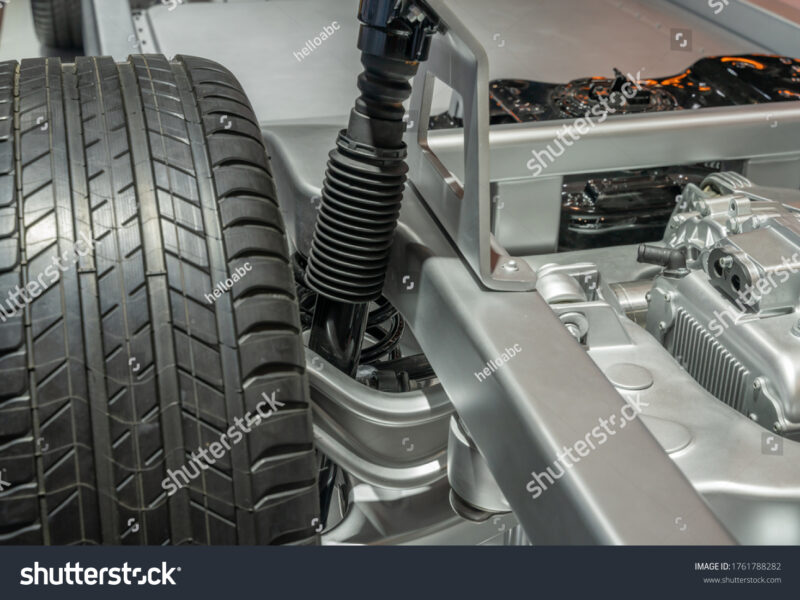
EV-specific tires are meticulously engineered to address the distinct performance requirements of electric vehicles, setting them apart from conventional tires in several key areas. One of the primary differences lies in their construction; they generally feature reinforced sidewalls and specialized rubber compounds. These reinforcements are crucial for supporting the higher weight of EVs, which often exceeds 4,000 pounds, with models such as the Tesla Model X crossing the 5,000-pound threshold.
Furthermore, EV tires are specifically designed with lower rolling resistance characteristics that are vital for maximizing electric vehicles’ range. For example, the Goodyear ElectricDrive GT incorporates an asymmetrical tread pattern designed to reduce friction and improve fuel economy, allowing electric vehicles to travel farther on a single charge. Traditional tires, even those marketed as low-rolling-resistance, often compromise grip for efficiency. In contrast, modern EV tires aim for an optimal balance that does not sacrifice traction, which is critical for the safe acceleration and handling of electric vehicles.
Noise reduction is another significant design priority for EV tires. Electric vehicles are inherently quieter than internal combustion vehicles due to the absence of engine noise. Therefore, road noise and tire hum become more pronounced inside the cabin. Manufacturers like Pirelli integrate sound-absorbing foam and implement optimized tread designs, such as the Pirelli Noise Cancelling System (PNCS), specifically to mitigate acoustic emissions. This attention to sound reduction contributes to a more refined and enjoyable driving experience, which is vital for the growing segment of EV owners focused on luxury and comfort.
What Are the Key Benefits of Using EV-Specific Tires?
Opting for EV-specific tires offers a multitude of benefits that directly address the unique operational profile of electric vehicles, significantly enhancing the overall driving experience. One compelling advantage is improved range optimization. Tires tailored for EVs are engineered to feature lower rolling resistance, which translates into the vehicle expending less energy to maintain its momentum. For example, some specialized tires, like the Michelin Primacy 5 Energy, can enhance an EV’s range by up to 10 percent, potentially adding an extra 43 miles (70 km) of driving range to an electric vehicle.
Enhanced durability is another primary benefit. Given the heavier weight of electric vehicles—often over 4,000 pounds, with certain models like the Tesla Model X crossing the 5,000-pound mark—EV tires are constructed with reinforced sidewalls and robust compounds designed to withstand this increased load. This specialized construction combats the accelerated wear often seen in EVs due to their weight and the torque delivery unique to electric powertrains. For instance, many modern EV tire treads exhibit up to 30% higher wear resistance compared to standard tires made for ICE vehicles, thus extending the lifespan of EV-specific tires.
Moreover, safety and comfort are at the forefront of EV tire design. Their unique rubber compounds and tread patterns provide superior traction and grip, crucial for managing the instantaneous torque delivered by electric cars, thereby enhancing handling and braking stability. A quieter cabin—due to the advanced sound-dampening technologies integrated into EV-specific tires—further enhances the overall driving experience. Technologies like Goodyear’s SoundComfort Technology® are designed to reduce interior cabin noise for a more serene driving environment, appealing to the growing demographic of EV owners seeking luxury.
Which Are the Top-Performing EV Tires for Range and Durability?
The market for electric vehicle tires is rapidly evolving, with manufacturers producing high-performance options specifically tailored to the unique demands of EVs. Tires like the Pirelli P Zero Elect and the Goodyear ElectricDrive GT have received widespread acclaim for striking a balance between low rolling resistance for extended range, robust construction for durability under heavy loads, and optimized tread patterns for quiet operation. For a comprehensive overview of leading options, dedicated resources such as the Top 5 Best Tires for Electric Vehicles: Range and Durability Tested provide valuable insights.
Among the consistently highly-rated options is the Pirelli P Zero Elect (PZ4), designed specifically for high-performance electric and plug-in vehicles. This tire features Pirelli’s advanced asymmetric tread pattern that optimizes traction and handling while providing a quieter driving experience through technologies like the Pirelli Noise Cancelling System (PNCS). Available in sizes suitable for performance-oriented EVs such as the Porsche Taycan and the Tesla Model 3, it emphasizes both power and refinement.
Another standout option is the Goodyear ElectricDrive GT, recognized for its all-season ultra-high-performance capabilities. It incorporates Goodyear’s SoundComfort Technology® to minimize interior vehicle noise while maintaining confident handling in varying weather conditions. Backed by a 40,000-mile limited manufacturer tread life warranty and available in popular sizes suited for Tesla models, this tire combines durability with performance, catering to the demands of everyday drivers.
For a more comprehensive comparison, the table below illustrates key specifications for some top EV tires:
| Tire Model | Key Features | Speed Rating | Typical Warranty (Miles) | Notable Technologies |
|---|---|---|---|---|
| Pirelli P Zero Elect (PZ4) | High-performance summer/all-season, enhanced controllability, quiet ride, excellent wet/dry traction. | Y (up to 186 mph) | Up to 50,000 (Pirelli P Zero All Season Plus 3 Elect) | ELECT™ marking, PNCS™ (Pirelli Noise Cancelling System), specialized silica compound. |
| Goodyear ElectricDrive GT | All-season ultra-high performance, confident handling, quiet ride, long-lasting tread life. | W (up to 168 mph) | 40,000 | SoundComfort Technology®, specialized tread compound, asymmetric tread pattern. |
| Michelin Primacy 5 Energy | Summer tire, A-rated for rolling resistance, significant range boost, improved braking. | (Varies by size) | (Varies by model) | Functionalized elastomers, new resins, improved tread architecture. |
FAQs
Do EV tires last longer than conventional tires?
Generally speaking, EV tires do not last longer than conventional tires; in fact, they tend to wear out faster. Electric vehicles’ unique attributes, such as their heavier weight due to battery packs (e.g., a Tesla Model S can weigh approximately 4,941 pounds) and instant torque delivery, place significantly more stress on tires. Studies indicate that EV tires can wear out around 20% faster than tires on internal combustion engine vehicles. However, specialized EV tires are designed with enhanced durability and reinforced constructions to mitigate this accelerated wear, and modern tread materials can offer over 30% higher wear resistance compared to older ICE tire compounds. Regular rotation and maintaining correct tire pressure are crucial for maximizing their lifespan.
Can I use regular tires on an electric car?
While you can technically fit regular tires on an electric car, it is not recommended for optimal performance, safety, or efficiency. Regular tires are not designed to handle the increased weight, instant torque, or specific noise profile of EVs. Using them can lead to faster wear, reduced driving range due to higher rolling resistance, and a noisier cabin experience. EV-specific tires feature reinforced structures, specialized compounds for lower rolling resistance, and sound-dampening technologies that are tailored to the demands of electric vehicles, offering superior longevity, range, and comfort. Ultimately, relying on specialized tires means better overall performance and safety for the driver and passengers.
What impact does tire choice have on EV range?
Tire choice significantly impacts an EV’s driving range, primarily through the aspect of rolling resistance. Tires with lower rolling resistance require less energy to maintain momentum, which directly extends the vehicle’s range. Specialized EV tires are engineered with unique compounds and tread designs specifically to minimize this resistance. For example, certain efficiency-focused EV tires can increase range by as much as 10%, translating to up to 43 miles (70 km) of additional driving distance. Conversely, using less efficient, high-performance tires designed for grip over efficiency can notably reduce an EV’s range, potentially by tens of miles over a typical charge.
How often should EV tires be rotated or replaced?
Due to the accelerated wear patterns caused by EV weight and instant torque delivery, electric vehicle tires often require more frequent rotation than conventional tires. While general recommendations for ICE vehicles might be every 5,000-7,500 miles, EV owners might benefit from rotations every 3,000-5,000 miles to ensure even wear across all four tires and prolong their lifespan. As for replacement, this will depend on driving style, road conditions, and the specific tire model, but given the 20% faster wear rate for EVs, tires may need replacement sooner than a typical 50,000-60,000-mile warranty might suggest for an ICE vehicle. Always refer to your vehicle manufacturer’s guidelines and the tire manufacturer’s warranty for the most accurate recommendations.