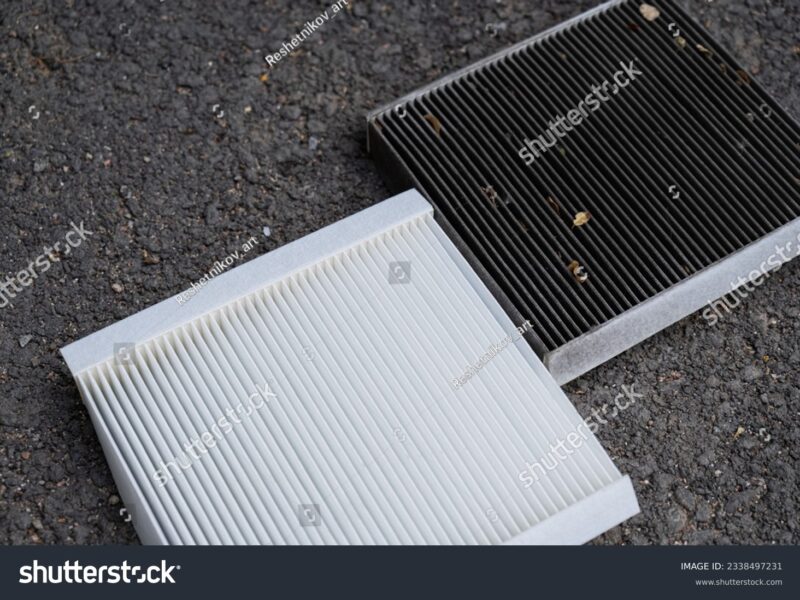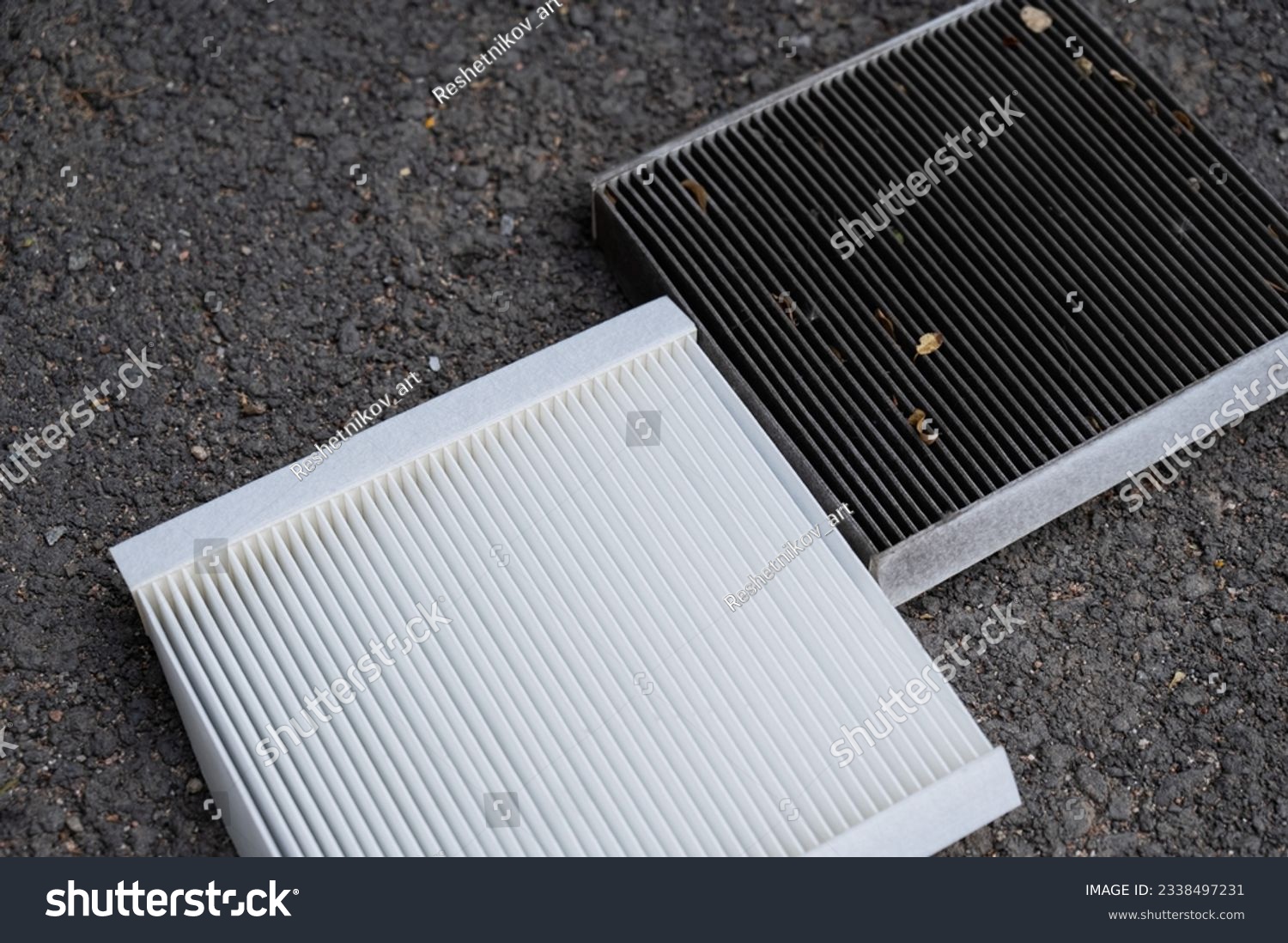
A dirty cabin air filter can severely compromise your vehicle’s interior air quality and negatively impact both your health and overall driving comfort. Recognizing the early symptoms of a failing filter is crucial for maintaining a clean and healthy cabin environment, prompting immediate replacement when necessary. Replacing your car’s cabin air filter has significant benefits, including improved air quality, enhanced HVAC system efficiency, and the prevention of costly repairs.
1. What Causes Noticeable Reduction in Airflow from Your Vents?
One of the most prominent warning signs of a dirty cabin air filter is a significant reduction in airflow emanating from your vehicle’s climate control vents. If the air feels weak, insufficient, or struggles to reach desired temperatures, even when the blower fan is set to its highest speed, it indicates your filter is obstructed. This airflow reduction can also result in fluctuating or inconsistent cabin temperatures, making driving conditions uncomfortable.
This diminished airflow occurs because accumulated dust, pollen, leaves, and other debris physically block the filter media. According to the Society of Automotive Engineers (SAE), a severely clogged cabin air filter can reduce the airflow rate by as much as 50%, placing unnecessary stress on your vehicle’s HVAC system components. The blower motor works harder to push air through the clogged filter, which may lead to increased wear and tear, ensuring timely replacement is essential to prevent system failures.
Modern vehicles often feature cabin air filters positioned either behind the glove box or under the hood near the windshield cowl. When this essential component becomes packed with particulate matter, it acts as a barrier and prevents fresh air from circulating efficiently throughout the passenger compartment. To ensure optimal airflow and comfort, regularly check and replace your cabin air filter, typically every 15,000 to 30,000 miles, or as recommended by the manufacturer.
2. Why Are Persistent Unpleasant Odors Emanating from Your AC System?
The presence of persistent unpleasant odors circulating through your vehicle’s air conditioning (AC) system is a potent indicator that your cabin air filter requires immediate attention. A clogged filter can become a breeding ground for mold, mildew, bacteria, and other microorganisms, leading to musty, damp, or even chemical-like smells that permeate the cabin. Studies indicate that a dirty cabin air filter can harbor up to 1 million fungal spores, which can contribute to respiratory problems.
These odors signal the presence of allergens and irritants that circulate directly into your immediate breathing space. The filter’s job is to trap these contaminants, but when saturated, it can no longer perform this function effectively, allowing microscopic particles and their associated smells to pass through. According to the American Lung Association, improving indoor air quality can significantly reduce health risks, making it imperative to address foul odors promptly.
Ignoring these odors can exacerbate the problem, as the moisture trapped within a dirty filter provides an ideal environment for microbial growth. Professional recommendations suggest that if you frequently drive in high humidity or areas with poor air quality, replacing your cabin air filter every 6 months can help prevent the development of odor-causing agents that compromise the air quality.
3. How Can You Experience Increased Allergies or Respiratory Issues Inside Your Car?
If you or your passengers are experiencing a sudden increase in allergy symptoms, such as sneezing, coughing, itchy eyes, or a runny nose, specifically while inside your vehicle, it strongly suggests your cabin air filter is no longer performing its job. A clean filter acts as a barrier against pollen, dust, pollutants, and other airborne allergens. Even OEM (Original Equipment Manufacturer) filters become less effective over time, necessitating regular replacements to maintain a healthy driving environment.
When the filter becomes saturated, it loses its ability to capture these microscopic irritants, allowing them to freely enter the cabin. This effectively turns your car into a circulating chamber for allergens, significantly impacting occupants’ comfort and health, particularly those with existing respiratory conditions like asthma or severe allergies. Research indicates that individuals with asthma may respond negatively to particulate matter measured in vehicles with poorly maintained cabin air filters.
Opting for a premium cabin air filter, such as an activated carbon or HEPA-equivalent filter, can offer superior filtration against smaller particulate matter and odors, ensuring a much healthier environment. Always ensure the replacement filter meets or exceeds your vehicle manufacturer’s specifications for optimal protection. A study by the American Society of Heating, Refrigerating and Air-Conditioning Engineers (ASHRAE) emphasized the efficacy of HEPA filters in removing up to 99% of airborne allergens, particularly crucial for sensitive individuals.
4. What Does Excessive Noise from Your HVAC Blower System Indicate?
An often overlooked symptom of a bad cabin air filter is an increase in noise emanating from your vehicle’s heating, ventilation, and air conditioning (HVAC) blower system. When the cabin air filter becomes severely restricted, the blower motor must work much harder to pull air through the clogged media. This increased strain can manifest as a whining, groaning, or humming sound that wasn’t present before, indicating it’s time for a replacement.
The motor, under duress, may operate at higher RPMs than necessary, leading to accelerated wear on its bearings and internal components. Addressing this issue promptly by replacing the filter can prevent more costly repairs to the blower motor assembly, which can be multi-hundred-dollar repairs. According to CARFAX, failure to replace a cabin air filter can lead to uppercase failures in HVAC systems, and repairs may cost anywhere from $200 to $900 depending on the severity of the damage.
If you notice the blower motor struggling to maintain airflow or producing unusual noises, inspecting your cabin air filter should be among the first diagnostic steps. A clean filter allows the blower to operate efficiently and quietly, extending the lifespan of your entire HVAC system, ensuring continual comfort and safety for all passengers.
5. How Can You Visually Confirm Contamination of the Filter Element?
One of the most definitive signs that your cabin air filter needs immediate replacement is a visual inspection revealing heavy contamination. While not always easily accessible, if you can locate and remove your cabin air filter, a quick visual check will often confirm its condition. A healthy cabin air filter will appear relatively clean, possibly with some light dust, while a filter overdue for replacement typically appears discolored—ranging from dark grey to black.
Utilizing visual inspection can help you determine if your vehicle’s air quality system is being compromised. Filters that require replacement will often be visibly laden with dense accumulations of leaves, insects, dirt, pollen, and other road debris. The pleats may also appear compressed or torn due to excessive buildup, conclusively confirming the filter has reached the end of its effective life and is no longer capable of trapping contaminants.
Many vehicle manufacturers provide specific instructions regarding the frequency of filter replacements in their owner’s manuals. Regularly scheduled inspections and replacements of your cabin air filter will not only maintain vehicle air quality but are also essential for your and your family’s health, ensuring a safe and pleasant traveling environment.
When to Replace Your Cabin Air Filter: What Are the Recommended Intervals?
Proactive maintenance of your cabin air filter is essential for optimal air quality. While the exact replacement interval can vary by vehicle make and model, as well as driving conditions, a general guideline is every 15,000 to 30,000 miles (approximately 24,000 to 48,000 kilometers) or once every 12 to 15 months. The American Automobile Association (AAA) suggests that preventive maintenance can significantly enhance vehicle operation and reliability, primarily by addressing issues such as cabin filter replacement.
However, if you frequently drive in dusty environments, heavily polluted urban areas, or during peak allergy seasons (Spring and Fall), more frequent replacement might be necessary, potentially every 6 months or 7,500 miles. It’s essential to differentiate the cabin air filter from other automotive filtration components. Automotive air filtration typically involves three primary categories: engine air filters, cabin air filters, and oil filters. While all are crucial for vehicle longevity, only the cabin air filter directly impacts air quality inside the passenger compartment.
When setting a replacement schedule, consider factors like local air quality standards and driving patterns, as they can significantly affect how often you require filter changes. Municipalities prone to pollen blooms or smoke from wildfires will necessitate more frequent filter checks and replacements. Whenever your vehicle is serviced, make it a habit to inquire about the condition of your cabin air filter to avoid potential air quality issues.
How to Replace Your Cabin Air Filter: What Tools and Steps Do You Need?
Replacing your cabin air filter is a relatively straightforward DIY task that typically requires minimal tools. The specific location of the cabin air filter varies, but it is most commonly found behind the glove compartment, under the dashboard, or sometimes under the hood near the passenger side. Ensuring you have the right tools and understanding the process can empower you to enhance your vehicle’s air quality quickly.
What Tools Do You Need to Replace a Cabin Air Filter?
For most vehicles, you will only need a few basic tools: a screwdriver (Phillips or flathead, depending on your vehicle’s fasteners) or a small socket wrench set for panel removal. In many cases, no tools are required at all, as clips or latches secure the filter housing. A flashlight can also be helpful if you need to inspect dark or hard-to-reach areas. Always refer to your vehicle’s owner’s manual for any specific tools or procedures that might be necessary for your particular make and model.
What Are the Detailed Steps to Physically Replace the Filter?
- Locate the Filter Housing: Consult your vehicle’s owner’s manual for the exact location of the cabin air filter, as it varies between makes and models.
- Access the Housing: If it’s behind the glove compartment, you may need to empty the glove box, unclip any dampeners, and press in the sides to drop it down. For under-hood locations, you might unclip a cover to gain access.
- Remove the Old Filter: Carefully unlatch the filter housing cover and slide out the old filter. Note its orientation (usually indicated by an airflow arrow) to ensure proper installation of the new filter.
- Clean the Housing: Briefly wipe down the inside of the housing to remove any loose debris that may have accumulated during the removal process.
- Insert the New Filter: Ensure the new filter is oriented correctly according to the airflow arrow, usually pointing towards the rear of the vehicle or cabin, to ensure maximum efficiency.
- Secure and Reassemble: Close the filter housing cover, reattach any clips or screws, and reinstall the glove compartment or other panels you may have removed to gain access.
Performing this simple maintenance task can dramatically improve your in-car air quality and the efficiency of your HVAC system, ensuring a comfortable ride for all passengers.
Frequently Asked Questions (FAQs) About Cabin Air Filter Replacement
What is the primary function of a cabin air filter?
The primary function of a cabin air filter is to purify the air entering the vehicle’s passenger compartment through the heating, ventilation, and air conditioning (HVAC) system. It traps airborne contaminants such as dust, pollen, soot, exhaust fumes, and other allergens, preventing them from circulating inside the cabin and being inhaled by occupants. Studies show that using a cabin air filter can reduce particulate matter concentrations by 90% or more, significantly improving interior air quality and protecting the health of the driver and passengers.
Furthermore, maintaining a clean cabin air filter not only protects against allergenic materials but also enhances climate control system performance, providing a more enjoyable driving experience. Regular inspections and replacement as needed can help maintain an optimal environment, supporting overall vehicle performance and occupant comfort.
How often should a cabin air filter be replaced?
The replacement interval for a cabin air filter typically ranges from every 15,000 to 30,000 miles (24,000 to 48,000 km) or once every 12 to 15 months. However, this can vary based on your vehicle manufacturer’s recommendations and your driving conditions. When driving in dusty, high-pollen, or heavily polluted urban areas, more frequent replacement may be necessary, potentially every 6 months or 7,500 miles, to maintain optimal air quality.
Additionally, seasonal changes affect filter performance. For instance, during peak pollen seasons in Spring and Fall, allergies are often exacerbated by unkempt filters, necessitating more frequent replacements. Observing changes in air quality or allergy symptoms can inform you when to check and replace your cabin air filter, thus enhancing your vehicle’s interior living space.
What are the differences between standard particulate, activated carbon, and HEPA cabin air filters?
There are three main types of cabin air filters, each serving a specific purpose:
Standard Particulate Filters: These are the most common type and primarily filter out larger particles like dust, pollen, leaves, and dirt. They use a fibrous material to physically block these contaminants, with typical replacement costs ranging from $15 to $35.
Activated Carbon (Charcoal) Filters: In addition to filtering particulate matter, these filters incorporate a layer of activated carbon, which effectively absorbs odors, exhaust fumes, volatile organic compounds (VOCs), and other gaseous pollutants. Although these filters generally cost between $25 and $50, they provide significantly better odor and chemical irritant protection compared to standard filters.
HEPA-equivalent Filters: While true HEPA filters are rare in automotive applications due to airflow restrictions, many aftermarket filters are marketed as “HEPA-equivalent.” These filters are designed to capture up to 99% of microscopic particles, making them ideal for individuals with severe allergies or respiratory sensitivities. Their price typically ranges from $35 to over $70, but their benefits often justify the cost for health-conscious drivers.
Can a dirty cabin air filter affect my car’s fuel efficiency?
While a dirty cabin air filter primarily impacts cabin air quality and HVAC system performance, it typically does not directly affect your car’s fuel efficiency. Unlike the engine air filter, which is crucial for engine combustion, the cabin air filter exists solely for filtering air that circulates within the passenger compartment. However, a severely clogged cabin air filter can indeed cause your HVAC blower motor to work harder, potentially leading to a marginal increase in electrical load, though this effect on fuel economy is usually negligible.
That being said, ensuring your cabin air filter remains in excellent condition can promote overall vehicle performance and longevity. A clean filter indirectly supports your vehicle’s electrical systems, allowing all components to function optimally without unnecessary strain. Staying proactive about replacements can ensure both your vehicle’s efficiency and your comfort on the road.
What is the cost range for a cabin air filter replacement?
The cost of replacing a cabin air filter can vary depending on the filter type, your vehicle’s make and model, and whether you perform the replacement yourself or have it done professionally. A standard particulate filter typically costs between $15 and $35 for the part alone. Activated carbon or HEPA-equivalent filters can range from $25 to $70. If you have it replaced by a professional mechanic, labor costs can add an additional $30 to $100, bringing the total cost to approximately $45 to $170. DIY replacement is often the most cost-effective option, saving you money while ensuring you maintain your vehicle according to your standards.
When considering replacement costs, investing in higher-quality filters can offer long-term benefits, ensuring your driving experience remains comfortable and safe. Don’t hesitate to ask your local parts store for recommendations tailored to your vehicle and environment, ensuring you select the best filter for your needs.
| Filter Type | Primary Function | Typical Material | Pros | Cons | Average Cost (Filter Only) |
|---|---|---|---|---|---|
| Standard Particulate Filter | Filters dust, pollen, leaves, dirt | Paper, synthetic fibers | Affordable, widely available, easy to replace | No odor absorption, less effective on microscopic particles | $15 – $35 |
| Activated Carbon Filter | Filters particles + absorbs odors, fumes | Paper/synthetic fibers with activated carbon layer | Excellent odor reduction, filters particles | More expensive than standard, slightly reduced airflow compared to standard | $25 – $50 |
| HEPA-equivalent Filter | Filters fine dust, allergens, mold spores, some bacteria/viruses | Dense synthetic fibers | Superior filtration of microscopic particles, great for allergies | Most expensive, can slightly restrict airflow, not always OEM spec | $35 – $70+ |