Recognizing the symptoms of worn brake pads is paramount for maintaining vehicle safety and preventing more extensive, costly repairs. Ignoring these critical indicators can compromise your stopping ability, putting you and others at risk on the road. Understanding these signs early allows for timely intervention, ensuring your braking system remains efficient and reliable.
What Are the Audible Signs of Worn Brake Pads?
The most common and often first noticeable symptom of worn brake pads is a distinct audible alert. A high-pitched squealing or squeaking noise when braking typically indicates that your brake pads have worn down to their built-in wear indicators. These small metal tabs are designed to make contact with the rotor, producing a sound that signals it’s time for inspection and potential replacement. This initial noise is a crucial warning that should not be overlooked, as it precedes more severe wear.
Beyond the initial squeal, a more concerning sound is a harsh grinding noise during braking. This grinding sensation is a critical sign that your brake pads are severely worn, leading to metal-on-metal contact between the brake pad’s backing plate and the brake rotor. Such contact not only significantly reduces braking effectiveness but also causes rapid and extensive damage to your brake rotors, escalating repair costs considerably. Immediate attention is required if you experience a grinding noise to prevent further deterioration of your braking system and ensure safety. You can learn more about this by reading our article on Top Signs Your Brake Pads Need Replacement and Grinding Noise When Braking? Why Your Rotors Might Be Warped.
These audible cues serve as indispensable alerts, prompting drivers to address brake pad wear before it compromises vehicle control. Modern vehicle braking systems are designed with these indicators specifically to give drivers an early warning, helping to maintain the integrity of the entire brake assembly and ultimately, road safety. Adhering to these auditory signals can prolong the life of your brake components and prevent unforeseen complications.
Do You Feel Vibrations or Pulsations When Braking?
A pulsating or vibrating sensation transmitted through the brake pedal, or even felt through the steering wheel, when applying the brakes is a strong indicator of an issue within your braking system. While often associated with warped brake rotors, unevenly worn brake pads can also contribute to this unsettling feedback. Warped rotors, where the surface is no longer perfectly flat, disrupt the smooth engagement between the pads and the rotor, causing this distinct pulsation.
This vibration is a result of inconsistent friction as the brake pads attempt to grip an uneven surface. Over time, prolonged exposure to high temperatures and heavy braking can cause rotors to deform. Similarly, unevenly worn brake pads, often due to sticking calipers or inconsistent pad material, can create varying points of contact and pressure, leading to a similar pulsating effect. It’s crucial to differentiate between these causes, as the repair approach for each is distinct, though both necessitate immediate professional inspection.
Ignoring vibrations or pulsations can lead to compromised braking performance, extended stopping distances, and increased wear on other suspension components. For instance, if warped rotors are the root cause, the continuous uneven contact will exacerbate brake pad wear and can lead to premature failure of other steering and suspension parts due to constant stress. Addressing this symptom promptly can prevent a cascading series of repairs and ensure your vehicle remains responsive and safe during braking. Explore more about rotor issues in our article, Grinding Noise When Braking? Why Your Rotors Might Be Warped.
Is Your Brake Pedal Feeling Spongy or Requiring More Force?
A noticeable change in your brake pedal’s feel, specifically if it becomes “spongy” or requires significantly more force to achieve the same stopping power, indicates potential issues with your brake pads or the hydraulic system. A spongy pedal often suggests air or moisture in the brake lines, or possibly a failing master cylinder. However, extremely worn brake pads can also contribute to a perceived spongy feel as the caliper pistons have to extend further than usual, leading to a delayed and less firm pedal response.
Conversely, if you find yourself pressing the brake pedal much harder than before just to slow down, it’s a strong sign that your brake pads are failing to create sufficient friction. This “hard pedal” sensation, also known as reduced braking effectiveness, occurs because the friction material on your pads has worn down significantly, diminishing their ability to grip the rotors effectively. This requires the driver to apply excessive force to compensate for the lost friction, highlighting a critical safety concern.
Both a spongy and a hard pedal necessitate immediate attention, as they directly impact your ability to stop the vehicle reliably. Reduced braking efficiency directly translates to increased stopping distances, which is a severe safety hazard, especially in emergency situations. A professional diagnosis is essential to pinpoint whether the issue lies with the worn brake pads themselves, the hydraulic system, or a combination of factors. This ensures the correct repair is performed to restore optimal braking performance.
Has Your Vehicle’s Stopping Distance Increased Noticeably?
One of the most dangerous and often subtle symptoms of worn brake pads is a significant increase in your vehicle’s stopping distance. As brake pads wear down, their friction material diminishes, reducing their ability to generate the necessary friction to slow or stop your vehicle effectively. This results in your car taking longer and traveling further to come to a complete halt, even under normal braking conditions.
An increased stopping distance is a direct consequence of reduced braking efficiency. Every milliliter of worn brake pad material directly reduces the friction coefficient between the pad and the rotor, meaning less energy is absorbed and converted into heat. This quantitative reduction in friction mandates a longer travel distance to dissipate the vehicle’s kinetic energy, making emergency braking scenarios particularly perilous. What might have been a safe stop before could now result in a collision.
This symptom is particularly insidious because it can develop gradually, making it less obvious to the driver until an emergency situation arises. Regular maintenance checks, including visual inspection of your brake pads and an awareness of your vehicle’s usual stopping performance, are crucial. If you observe that your vehicle isn’t stopping as quickly or decisively as it used to, it’s a critical warning sign that your brake pads need immediate assessment and likely replacement to restore safe stopping capabilities. For a comprehensive list of warnings, see 7 Warning Signs You Need New Brake Pads: Don’t Ignore These!.
How Does Visual Inspection Confirm Worn Brake Pads?
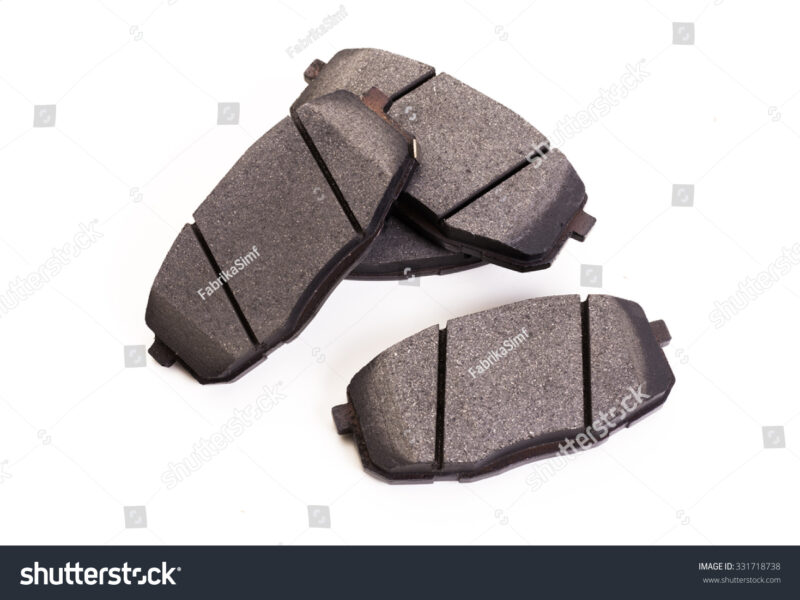
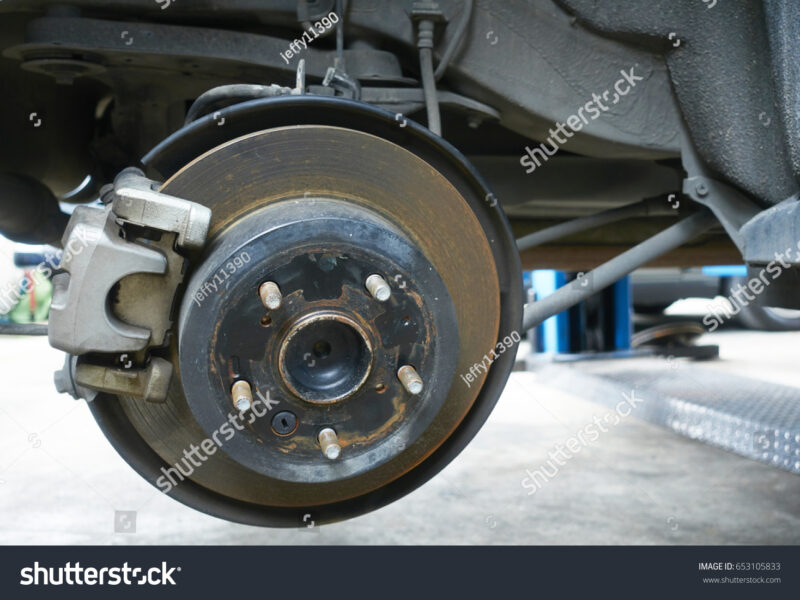
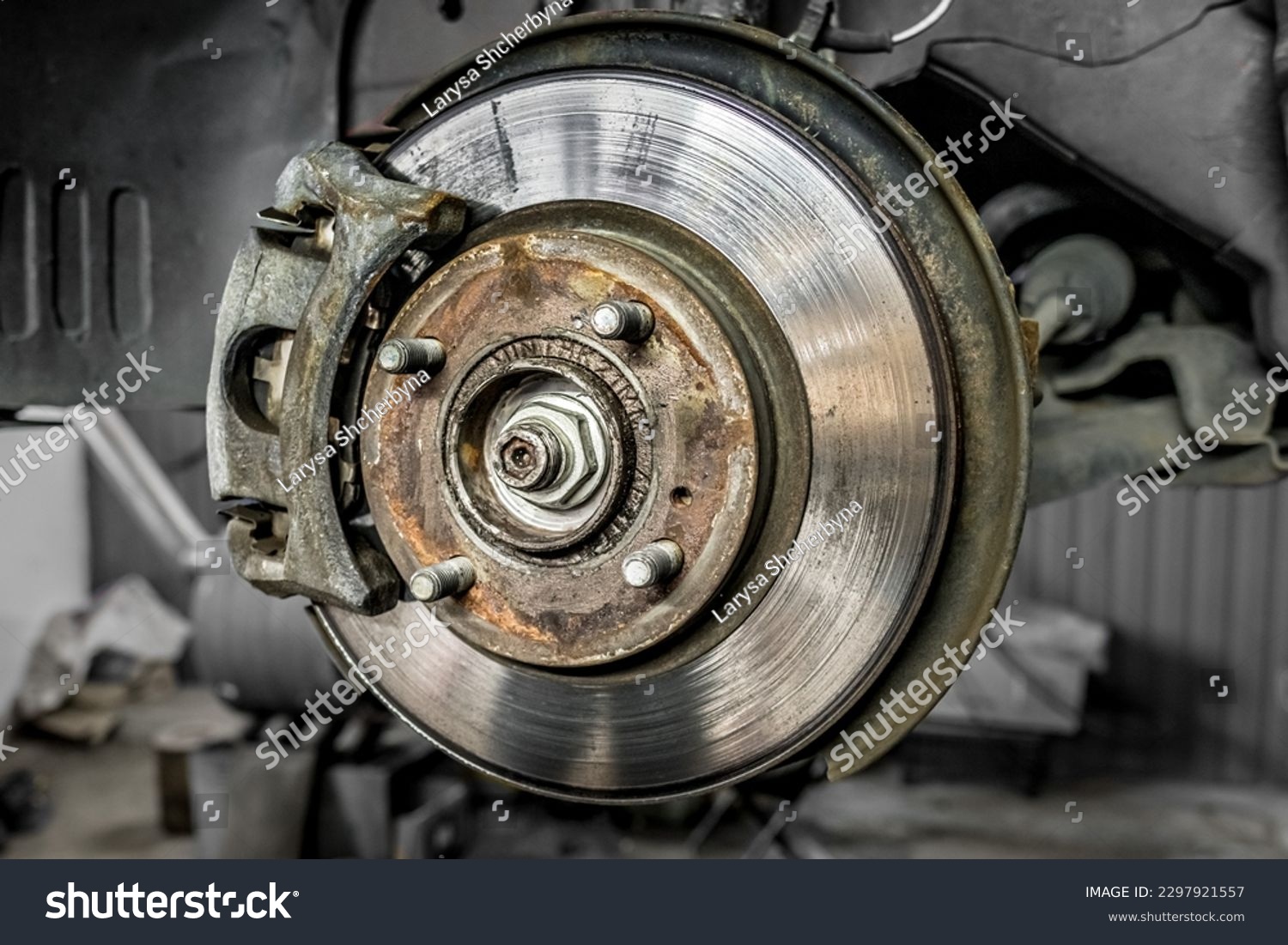
A direct visual inspection is one of the most reliable methods to confirm the wear level of your brake pads. By looking through your wheel spokes or, if necessary, removing the wheel, you can often see the brake pads gripping the rotor. Healthy brake pads typically have at least 1/4 inch (approximately 6mm) of friction material remaining. If the friction material appears very thin, usually less than 1/8 inch (approximately 3mm), it is a definitive sign that they require immediate replacement.
During visual inspection, also look for uneven wear patterns, which can indicate issues like sticking calipers, worn caliper slides, or damaged rotors. If one pad appears significantly thinner than its counterpart on the same wheel, or if the pad surface shows grooves or cracks, this points to a problem beyond simple wear. These irregularities can severely impact braking performance and indicate underlying mechanical faults that need addressing alongside pad replacement.
The type of brake pad material also influences its visual wear characteristics and overall durability. Ceramic pads, for instance, tend to wear slower and produce less dust than semi-metallic pads. Semi-metallic pads, while offering strong braking performance, can show more visible metallic flecks as they wear and may be noisier. Organic pads, though quieter and gentler on rotors, tend to wear faster. Understanding these differences can help you interpret what you see during an inspection and anticipate the expected lifespan of your specific pads. A general guideline is to have pads inspected every 10,000 to 12,000 miles to monitor their condition effectively.
The Impact of Driving Habits on Brake Pad Longevity
The lifespan of brake pads varies significantly based on driving habits and conditions. Aggressive urban driving, characterized by frequent stops and starts, rapid acceleration, and sudden braking, places immense stress on brake pads. This type of driving can drastically shorten their lifespan, often pushing them towards the lower end of their typical range, such as 30,000 miles. The constant heat cycling and high friction demands in city traffic accelerate material wear.
Conversely, predominantly highway driving, which involves fewer stops and more consistent speeds, is far less demanding on brake pads. In these conditions, brake pads experience less friction and heat, allowing them to last considerably longer, often extending their life towards the upper end of the 70,000-mile range. This highlights a critical quantitative impact of driving style on component durability.
To maximize brake pad longevity, adopting smoother driving habits, anticipating traffic, and avoiding sudden braking can make a substantial difference. Regular inspection and maintenance tailored to your driving environment are key. For instance, a vehicle primarily used for city commutes might require pad replacement at 30,000-40,000 miles, whereas a similar vehicle used mainly for highway travel could see pads last 60,000-70,000 miles. This range, typically from 30,000 to 70,000 miles, underscores the variability in brake pad life based on real-world usage.
| Brake Pad Type | Typical Lifespan Range (Miles) | Noise Level | Brake Dust Production | Performance Characteristics |
|---|---|---|---|---|
| Organic (NAO) | 30,000 – 45,000 | Low | Moderate | Quiet, smooth, gentle on rotors, good for daily driving. |
| Semi-Metallic | 35,000 – 60,000 | Moderate to High | High | Strong braking, good heat dissipation, durable, may be noisier. |
| Ceramic | 40,000 – 70,000 | Low | Low | Clean, quiet, excellent stopping power, long-lasting, higher initial cost. |
FAQs
What is the typical lifespan of brake pads?
The typical lifespan of brake pads can vary significantly, generally ranging from 30,000 to 70,000 miles. This extensive range is influenced by numerous factors, including the vehicle’s make and model, the type of brake pad material (e.g., ceramic, semi-metallic, organic), and most importantly, individual driving habits and conditions. Aggressive driving with frequent hard braking in urban environments can push the lifespan towards the lower end of 30,000 miles, while consistent highway driving with minimal braking can extend it closer to 70,000 miles. Regular inspections are crucial to monitor actual wear.
What is the minimum recommended brake pad thickness for replacement?
For optimal safety and performance, the minimum recommended brake pad thickness for replacement is generally considered to be 1/8 inch (approximately 3 millimeters). While some manufacturers may specify slightly different minimums, once a pad’s friction material wears down to this thickness, or even close to it, its ability to effectively dissipate heat and generate sufficient friction is severely compromised. Waiting until pads reach this absolute minimum significantly increases the risk of metal-on-metal contact, which can lead to rotor damage and dangerous braking conditions.
How do different brake pad materials affect wear and durability?
Different brake pad materials significantly impact both wear rates and overall durability. Organic Non-Asbestos Organic (NAO) pads are generally softer, quieter, and gentler on rotors, but tend to wear out faster, typically lasting 30,000 to 45,000 miles. Semi-metallic pads offer stronger braking performance and better heat dissipation, making them durable, but they can be noisier and produce more brake dust, with a lifespan often between 35,000 and 60,000 miles. Ceramic pads are known for their quiet operation, low dust production, and excellent stopping power, often providing the longest lifespan, ranging from 40,000 to 70,000 miles, though they typically have a higher initial cost.