Extending your electric vehicle (EV) battery life is paramount for maximizing performance, ensuring long-term reliability, and protecting your significant investment. By adopting specific, science-backed charging habits, EV owners can significantly prolong their battery’s operational life, often well beyond the typical warranty period.
Why Are Charging Habits Critical for EV Battery Longevity?
The health of an EV battery is intrinsically linked to how it’s charged. Every charging cycle introduces a degree of wear and tear on the internal components, particularly the battery cells. Understanding the optimal parameters for charging can mitigate this degradation, preserving the battery’s capacity and overall performance over many years of ownership. Consistent adherence to best practices can differentiate between a battery that lasts its expected lifespan and one that degrades prematurely.
Factors such as charge level, charging speed, and ambient temperature during charging all play a pivotal role. Improper charging habits can lead to accelerated chemical reactions within the battery cells, causing irreversible capacity loss. Therefore, integrating smart charging strategies into your daily routine is not merely a recommendation but a necessity for optimal battery health.
The impact of charging extends beyond immediate performance. A well-maintained battery retains its range and efficiency, which directly influences the resale value of the EV. Moreover, by proactively managing battery health through informed charging, owners can potentially avoid costly battery replacements, which can average between $3,000 and $7,000 when not covered by warranty.
The Science Behind EV Battery Degradation and Charging
EV batteries, typically lithium-ion variants, degrade over time due to various chemical and physical processes. Charging, especially under suboptimal conditions, accelerates these processes. When the battery is charged, lithium ions move between the anode and cathode, and while this is the fundamental principle of operation, extreme conditions stress the battery cells, leading to degradation.
One critical factor is temperature. Batteries perform optimally within a specific temperature range, typically between 20°C and 25°C (68°F to 77°F). Charging outside this range, particularly in extreme heat or cold, can significantly increase the rate of degradation. High temperatures can cause plating of lithium metal, while very low temperatures can impede ion flow, both damaging the battery over time. Studies indicate that EV batteries may lose approximately 2-3% of their capacity each year under normal conditions. However, this rate can accelerate dramatically with poor charging practices or exposure to extreme temperatures.
Another key aspect is the state of charge (SoC). Continuously charging an EV battery to 100% capacity, especially using DC fast chargers, can induce significant stress on the battery cells. This high state of charge, particularly when combined with high current flows, leads to increased internal resistance and heat generation, which are primary contributors to capacity loss and overall diminished battery longevity. Similarly, routinely depleting the battery to very low states of charge also places strain on the cells, exacerbating degradation.
10 Science-Backed Charging Habits to Extend Your EV Battery Life
Adopting strategic charging behaviors is the most effective way to safeguard your EV battery. These habits are rooted in electrochemical principles and validated by extensive research, ensuring your battery remains healthy and performs optimally for years.
1. Avoid Consistent 100% Charging
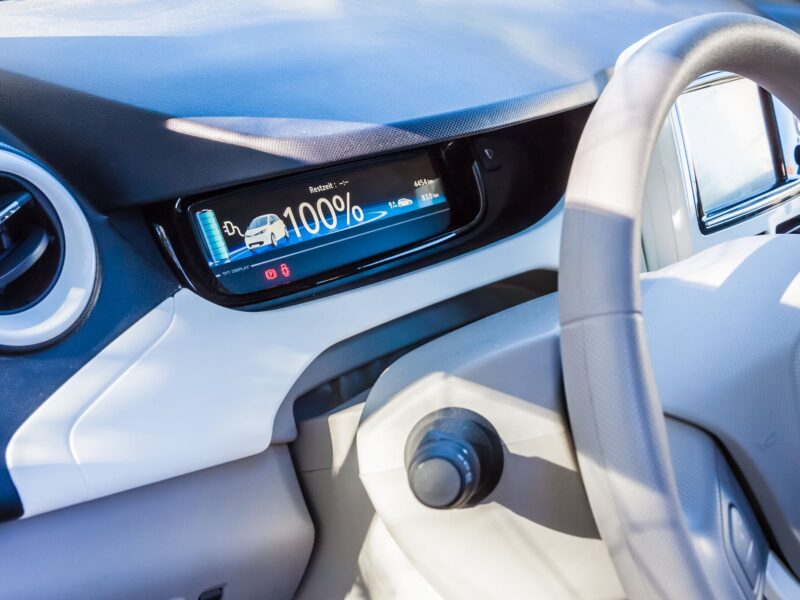
While it might seem intuitive to always charge your EV to its full capacity, consistently reaching 100% state of charge can induce stress on the battery cells over time. This is particularly true for most lithium-ion chemistries, where the upper charge limit places a higher strain on the electrodes. Many manufacturers recommend limiting daily charges to around 80-90% for optimal long-term health.
The electrochemical processes at 100% charge are less stable and can contribute to faster degradation compared to maintaining a mid-range state of charge. Only charge to 100% when you specifically need the full range for a long trip, and try to begin your journey soon after reaching full charge rather than letting it sit at that level for extended periods.
2. Keep Charge Levels Between 20% and 80%
Maintaining your EV’s battery charge within the 20% to 80% window is widely considered the “sweet spot” for longevity. This range minimizes the stress on the battery’s internal components, promoting healthier electrochemical cycles. Operating within this mid-range reduces the extreme voltage fluctuations that occur at the upper and lower limits of the battery’s capacity.
This habit allows the lithium ions to move more freely and stably, reducing the likelihood of dendrite formation and other degradation mechanisms. For daily commuting, charging to 80% is usually more than sufficient and provides a significant buffer for battery health. Most modern EVs allow you to set a charging limit, making this habit easy to implement.
3. Minimize DC Fast Charging
DC fast chargers (Level 3 chargers) deliver high amounts of power quickly, significantly reducing charging times. However, this speed comes at a cost to battery longevity. The high current and voltage can generate substantial heat within the battery, which accelerates degradation, especially if the battery’s temperature management system is overwhelmed.
While convenient for long road trips, excessive reliance on DC fast charging should be avoided for everyday use. For most owners, utilizing Level 1 or Level 2 charging for routine top-ups is a far gentler approach that supports long-term battery health. Think of DC fast charging as an occasional necessity, not a daily habit.
4. Utilize Level 1 or Level 2 Charging Primarily
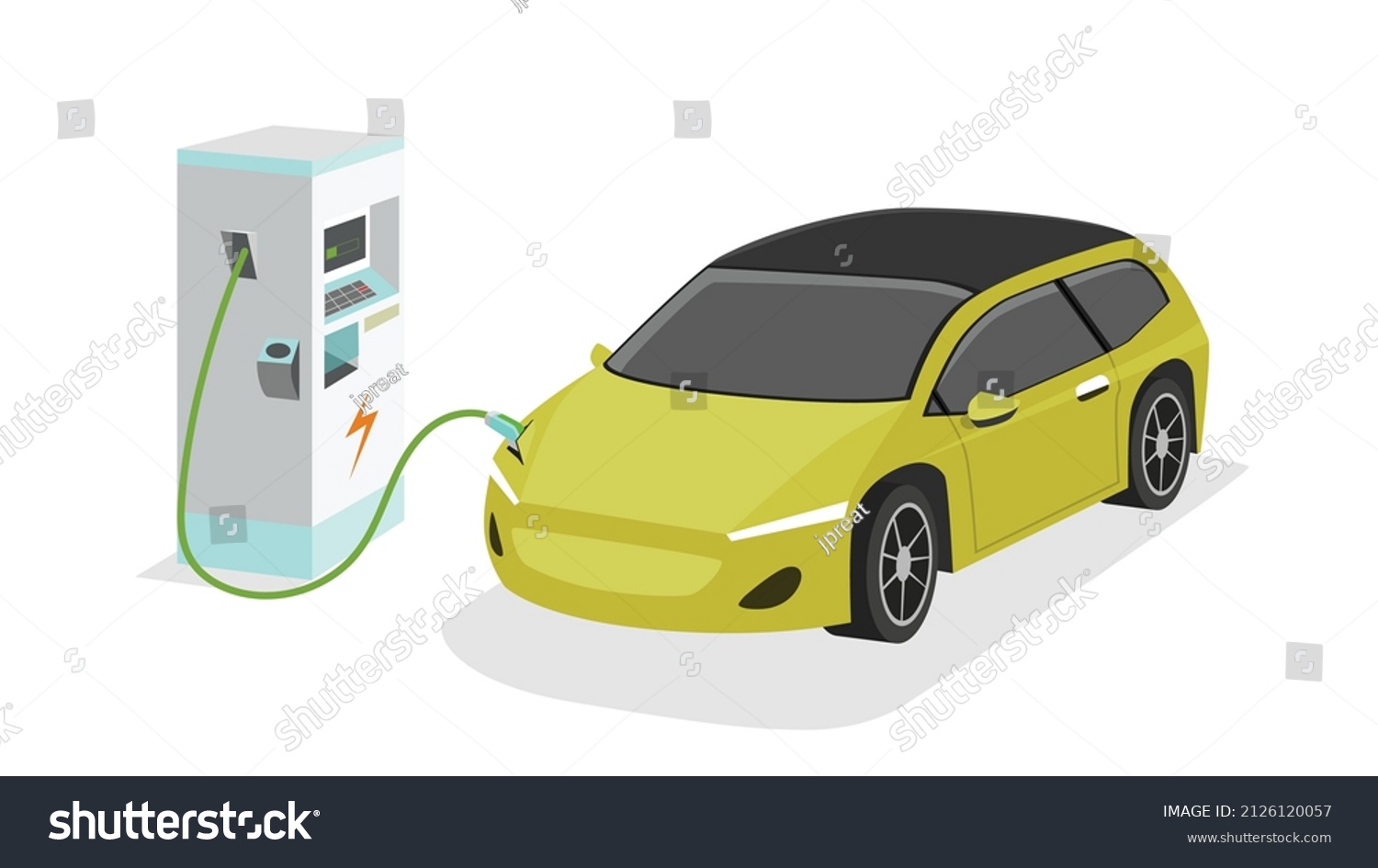
Level 1 (standard wall outlet) and Level 2 (240-volt home or public charger) charging are significantly slower than DC fast charging but are much kinder to your EV battery. These slower charging rates produce less heat and allow the battery to charge more gradually, reducing stress on the cells.
For daily charging needs, Level 2 charging at home or work is ideal. It provides a good balance of speed and battery preservation. Level 1 charging, while very slow, is the gentlest method and perfectly suitable for overnight charging for those with lower daily mileage demands. Prioritizing these slower charging methods contributes significantly to extending your battery’s operational life.
5. Pre-condition Your Battery in Extreme Weather
Extreme temperatures, both hot and cold, negatively impact EV battery performance and longevity. The optimal temperature range for EV batteries is between 20°C and 25°C (68°F to 77°F). Many modern EVs offer battery pre-conditioning features that allow you to bring the battery to an optimal temperature before charging or driving.
Utilizing pre-conditioning in winter warms the battery, improving charging efficiency and reducing strain. In summer, it can cool the battery, preventing overheating during charging or aggressive driving. This intelligent temperature management ensures the battery operates within its ideal thermal window, minimizing degradation caused by thermal stress.
6. Avoid Depleting Your Battery Below 20% Regularly
Just as charging to 100% consistently can be detrimental, regularly running your EV battery down to very low states of charge (below 20%) also puts significant stress on the cells. Deep discharges force the battery to work harder to maintain voltage, accelerating internal degradation processes.
Try to plug in your vehicle before the charge level drops too low. Treating your battery similarly to how you would a smartphone, topping it off before it gets critically low, is a good habit. This prevents the battery from entering a deep discharge cycle, which can reduce its overall lifespan.
7. Understand Your Battery Chemistry (LFP vs. NMC)
Not all EV batteries are created equal, and their optimal charging habits can vary based on their specific chemistry. The two most common types are Lithium Iron Phosphate (LFP) and Nickel Manganese Cobalt (NMC).
LFP batteries, known for their robustness and lower cost, are generally more tolerant to being charged to 100% regularly, and some manufacturers even recommend it to ensure proper cell balancing. NMC batteries, found in many high-performance EVs, typically benefit more from the 20-80% rule to preserve their higher energy density over time. Always consult your vehicle’s owner’s manual to understand the specific recommendations for your EV’s battery chemistry.
8. Schedule Charging During Off-Peak Hours to Manage Temperature
While primarily a cost-saving measure, scheduling charging during off-peak hours can indirectly benefit battery health by managing temperature. Often, off-peak hours coincide with cooler ambient temperatures (e.g., overnight). Charging in cooler conditions can reduce the thermal load on the battery, especially during Level 2 charging.
Furthermore, avoiding charging during peak heat of the day, particularly if your vehicle is parked in direct sunlight, helps maintain the battery within its optimal temperature range, preventing undue thermal stress during the charging process. This subtle approach can contribute to overall battery longevity.
9. Unplug When Fully Charged (If Not Optimized by BMS)
Most modern EVs have sophisticated Battery Management Systems (BMS) that protect the battery from overcharging. However, for older models or specific configurations, leaving the EV plugged in for extended periods after reaching 100% (especially with Level 1 or Level 2 charging) could theoretically contribute to minimal, continuous micro-cycles that add cumulative stress.
While usually not a major concern with advanced BMS, it’s generally good practice to unplug your vehicle once it has reached your desired charge level, particularly if you’re not planning to drive it immediately. This ensures the battery is not subjected to unnecessary trickle charging cycles.
10. Implement Proper Long-Term Storage Practices
If you plan to store your EV for an extended period without use (e.g., several weeks or months), proper storage practices are crucial for preventing battery degradation. The ideal storage charge level for most lithium-ion batteries is around 50-60%.
Storing a battery at 100% charge for long periods, especially in warm conditions, can accelerate degradation, while storing it at a very low charge can lead to deep discharge and potential permanent damage. If possible, periodically check the charge level during storage and top it up to the recommended range to prevent self-discharge from becoming an issue.
| Charging Type | Typical Power Output (kW) | Impact on Battery Longevity | Best Use Case |
|---|---|---|---|
| Level 1 (AC) | 1.4 – 2.4 kW | Minimal stress, optimal for longevity. | Overnight charging, low daily mileage. |
| Level 2 (AC) | 3.3 – 19.2 kW | Low stress, excellent for daily use. | Daily charging at home/work, moderate mileage. |
| DC Fast Charger (DC) | 25 – 350+ kW | Higher stress due to heat and current; frequent use can accelerate degradation. | Long road trips, urgent charging needs. |
Understanding EV Battery Warranties and Replacement Costs
A significant concern for prospective and current EV owners is the longevity and potential replacement cost of the battery. Fortunately, the average electric car battery warranty typically lasts 8 to 10 years or approximately 100,000 miles. This coverage is crucial as it protects owners against premature degradation or outright failure, providing peace of mind for a substantial period of ownership.
This warranty coverage usually guarantees a certain percentage of original battery capacity remaining after the warranty period, often around 70%. Should your battery capacity fall below this threshold within the warranty timeframe, the manufacturer is obligated to repair or replace the battery pack. This provides a strong safety net against the high cost of replacement.
However, once outside the warranty period, the responsibility for battery replacement falls on the owner. The cost can be a significant investment, averaging between $3,000 and $7,000, depending on the vehicle model, battery capacity, and labor costs. This financial consideration underscores the importance of proactive battery care and adopting the proven tips for longevity discussed in this article.
What Factors Beyond Charging Influence EV Battery Longevity?
While charging habits are paramount, other critical factors also influence your EV battery’s lifespan. These elements are interconnected and collectively determine how well your battery maintains its optimal capacity and performance over time. Understanding them provides a holistic approach to battery preservation.
One primary aspect is temperature management. Beyond charging, simply operating the vehicle in consistently extreme temperatures can lead to increased degradation rates. Modern EVs employ sophisticated thermal management systems to regulate battery temperature, but parking in shaded areas or using pre-conditioning features can further aid in maintaining the battery within its optimal range of 20°C to 25°C (68°F to 77°F).
Mindful driving practices also contribute significantly. Aggressive acceleration and deceleration place higher demands on the battery, generating more heat and cycling the battery more intensely. Smooth, consistent driving, often characteristic of regenerative braking, is gentler on the battery pack. Additionally, the overall mileage and age of the vehicle inherently contribute to the natural aging process of the battery, with studies indicating an average annual capacity loss of 2-3% under normal conditions.
How Long Do EV Batteries Typically Last?
EV batteries are designed for durability, with most lasting well beyond the vehicle’s initial purchase. The average electric car battery warranty typically guarantees performance for 8 to 10 years or approximately 100,000 miles, whichever comes first. Many batteries are projected to last 15-20 years or more with proper care, exceeding the useful life of many other vehicle components.
What is the Optimal Temperature Range for an EV Battery?
The optimal temperature range for an EV battery to maintain its health and performance is generally between 20°C and 25°C (68°F to 77°F). Operating or charging the battery consistently outside this range, especially in extreme heat or cold, can accelerate its degradation rate and reduce its overall lifespan. Pre-conditioning features in modern EVs help manage this by bringing the battery to an ideal temperature before driving or charging.
Does DC Fast Charging Really Harm My EV Battery?
While convenient, frequent use of DC fast chargers can indeed place additional stress on your EV battery. The high current and voltage delivered rapidly generate more heat within the battery cells, which can accelerate degradation over time compared to slower charging methods. For optimal longevity, it’s recommended to reserve DC fast charging for long trips or urgent situations and rely more on Level 1 or Level 2 AC charging for daily needs.
What is the Average Cost to Replace an EV Battery?
The average cost to replace an EV battery can range significantly, typically falling between $3,000 and $7,000. This cost can vary based on the vehicle’s make, model, battery capacity, and labor rates. However, most EV batteries are covered by a substantial warranty (8-10 years or 100,000 miles), which often covers replacement if the battery’s capacity degrades below a certain threshold within that period.
How Does Long-Term Storage Affect EV Battery Life?
Long-term storage of an EV battery, particularly when left unused for several weeks or months, can impact its longevity if not managed properly. The ideal storage charge level for most lithium-ion batteries is around 50-60%. Storing a battery at 100% for extended periods, especially in warm conditions, can accelerate capacity loss, while a very low charge can lead to irreversible deep discharge damage. It’s recommended to periodically check and maintain the charge within the optimal storage range.