Installing an EV home charging station in 2026 generally costs between $800 and $2,700 for a standard Level 2 setup. This range typically encompasses the charger unit, installation labor, necessary materials such as wiring and conduit, and any required permits. As electric vehicles (EVs) are projected to comprise 25% of new car sales by 2026, this investment offers electric vehicle owners the convenience of refueling their cars overnight, a crucial benefit that enhances the overall EV ownership experience.
However, the total expense for EV charger installation is not a fixed figure; it fluctuates significantly based on various factors. These include the type and brand of charger selected, the intricacies of your home’s existing electrical system, and regional labor rates. Moreover, homeowners requiring an electrical panel upgrade or extensive modifications to their wiring system to accommodate the new charging demand should anticipate a total investment that could extend from $3,000 to $5,000 or more. This potential increase is critical for new buyers to consider when evaluating the full scope of their EV investment.
What is the Average Cost of Installing an EV Home Charger in 2026?
The average cost to install a Level 2 EV charger in 2026 typically falls within the $800 to $2,700 range. This figure typically reflects the cost of the charger unit itself, the professional labor required for installation, and all necessary materials such as wiring and conduit. A Level 2 charger, which utilizes a 240-volt outlet, is the recommended choice for residential use due to its faster charging capabilities compared to a standard Level 1 (120-volt) outlet. For instance, a Level 2 charger can generally add between 25 to 50 miles of range per hour of charging if powered by a dedicated circuit.
This standard cost estimates straightforward installations, where the electrical panel has adequate capacity and is located relatively close to the desired charging space. For example, if your home’s electrical system meets modern codes and has an available 240V circuit, the installation process is much more straightforward, allowing for a cost-effective installation. In contrast, challenges such as older electrical systems may introduce additional costs that push the final price upward.
It is crucial for prospective EV owners to understand that the aforementioned price range represents an average. Factors such as the specific brand of charger selected, the complexity of wiring, and local electrician rates can elevate the final cost toward the higher end of this spectrum. Engaging a qualified electrician early in the planning stage is advisable, as they can provide a more accurate estimate tailored to your property’s specific requirements.
What Key Factors Influence Your EV Charger Installation Costs?
Several crucial factors converge to determine the final price tag for your EV home charger installation. Understanding these components can help homeowners anticipate potential expenses and budget accordingly. From the power level of the charger to the inherent characteristics of your home’s electrical infrastructure, each aspect contributes to the overall cost.
Geographic location also plays a significant role; regional labor rates and local permitting requirements can introduce variances from the average installation costs. Additionally, the decision between opting for a basic charger setup vs. a more advanced, smart-enabled charging station influences the initial unit cost. Exploring these specific elements can offer clarity on the financial commitment expected for EV charger installation.
How Does the Type of EV Charger Impact Installation Cost?
The choice between a Level 1 and Level 2 EV charger significantly affects both installation costs and charging speed. Level 1 chargers connect directly to standard 120-volt outlets, typically requiring minimal installation beyond a simple plug-in. While convenient and cost-free to set up, these chargers provide slow charging capabilities—adding merely 2-5 miles of range per hour.
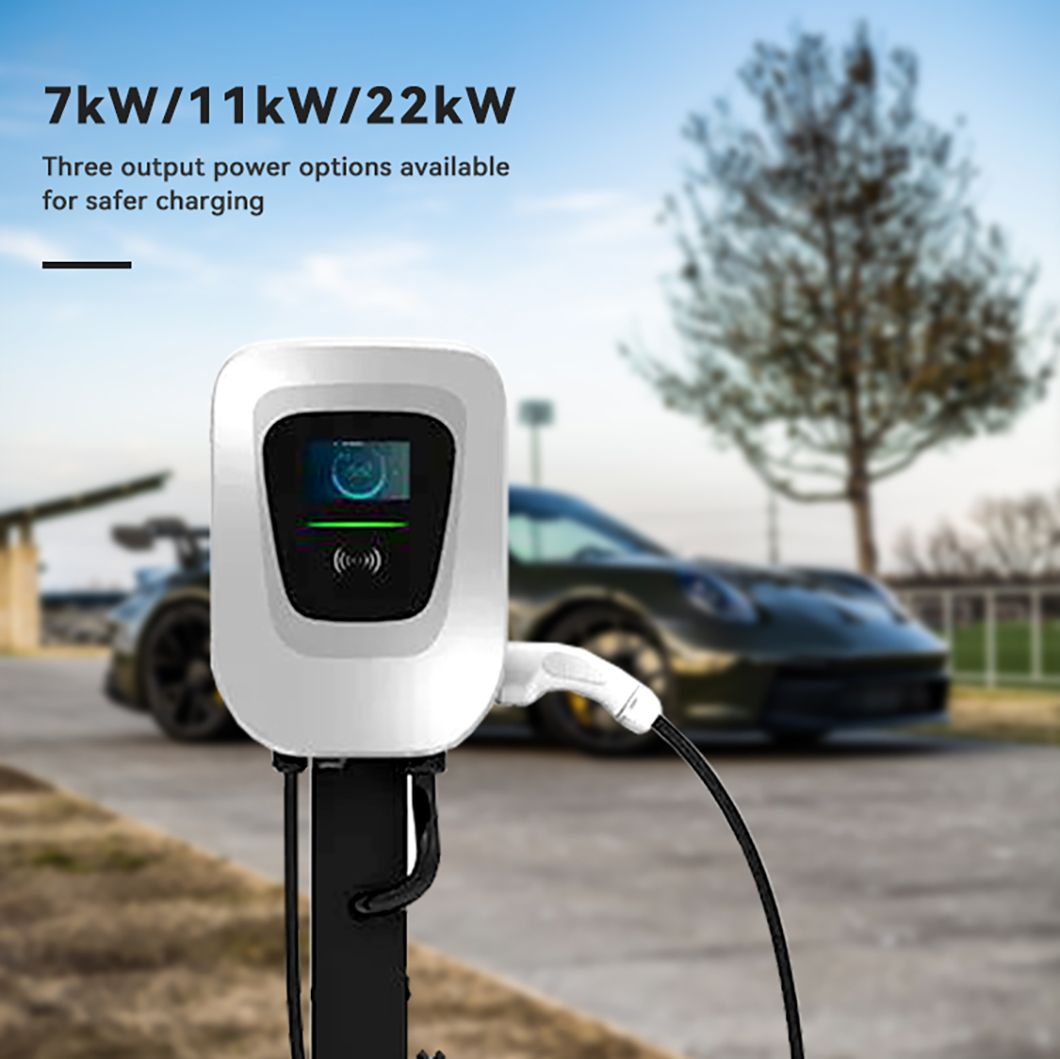
On the contrary, a Level 2 charger is generally the preferred option, offering significantly faster charging that utilizes a dedicated 240-volt circuit. While installation costs can range from $300 to $1,000 for the charger unit itself, the benefits of faster charging often justify this investment, as it can fully recharge an average 60 kWh EV battery overnight.
Installing a Level 2 charger necessitates a dedicated 240-volt circuit, akin to an electric dryer or oven. This requirement typically includes running new wiring from the main electrical panel to the chosen charging location, adding a substantial amount to the overall installation cost but compensating with quicker charging speed over time.
Why Do Electrical System Upgrades Increase Installation Costs?
The existing condition and capacity of your home’s electrical system play a pivotal role in determining installation costs. In homes with older electrical panels that may lack sufficient amperage or available 240-volt breakers for a Level 2 charger, upgrades become necessary. When electrical panel upgrades or the installation of a subpanel is required, total costs can escalate to $3,000–$5,000 or greater. This figure accounts for not only the new panel but also labor costs associated with its installation and any necessary circuit rerouting.
The complexity of working with your home’s existing wiring, including navigating walls, conduits, and spaces that pose difficulties, contributes to this increase in both material and labor costs. Homes that do not meet current electrical codes likely incur additional expenses to update their systems accordingly. A comprehensive evaluation by a licensed electrician is essential for identifying potential issues early and delivering an accurate quote, ultimately preventing unexpected costs during installation.
How Do Labor Rates and Regional Variations Affect Installation Costs?
Labor costs represent a significant portion of your EV charger installation expenses, with rates varying widely based on geographic location. Urban areas frequently experience higher labor rates compared to rural locales due to elevated living expenses and a greater need for skilled trade workers. For instance, electricians working in cities like San Francisco may demand hourly rates ranging from $120 to $200, while their rural counterparts might charge between $70 and $100 per hour.
The overall cost of labor is also dependent on the complexity of the installation. For example, a straightforward installation occurring near the electrical panel may require only 2-4 hours of work. Conversely, projects involving panel upgrades or extensive wiring through challenging areas can extend labor times to 8 or even 16 hours, driving the total cost higher.
To ensure competitive pricing, it’s advisable to obtain multiple quotes from licensed and insured electricians in your region. This not only allows for comparative analysis but also guarantees you receive detailed quotes that breakdown labor, material, and potential permit expenses.
What Are the Permitting and Inspection Fees for EV Charger Installation?
Permits and inspections are a mandatory aspect of electrical installations to promote safety and conformity with local building codes. Costs related to permits can vary significantly by locality, typically ranging from $50 to $300. These fees cover administrative costs incurred while processing permit applications and conducting necessary inspections by local officials.
Neglecting to acquire the proper permits can lead to fines and complications with home insurance claims or, in severe cases, the requirement to uninstall and properly reinstall the charger. A reliable electrician will typically handle the permit application procedure as part of their service and incorporate these costs into their holistic quote, thus ensuring compliance with local regulations.
After installation, a formal inspection supervised by local authorities is frequently mandated to confirm the installation adheres to safety and code compliance standards. This step guarantees the safe operation of your EV charging station and is generally included in the initial permit cost. Always verify that your chosen installer will manage the scheduling and completion of these inspections.
Breaking Down the Installation Costs: Components and Materials
Beyond labor and permits, the physical components and materials comprise a significant portion of the overall EV charger installation cost. Grasping what these elements entail can assist homeowners in understanding the total investment’s value. Key components encompass the charger unit, various wiring types, conduits, circuit breakers, and the necessary mounting hardware.
The quality and specifications associated with these materials can vary, having a direct impact on both costs and the long-term dependability of your charging setup. Higher-quality, weather-resistant materials ideal for outdoor installations might incur an increased initial cost but may offer superior durability and safety over time. An itemized breakdown of estimated costs can assist in effectively assessing the quotes provided by electricians.
| Component/Material | Estimated Cost Range (2026) | Description |
|---|---|---|
| Level 2 EV Charger Unit | $300 – $1,000 | The charging station itself; features vary by brand (e.g., ChargePoint, Enel X Way, Wallbox, Tesla Wall Connector). |
| Electrical Wiring (e.g., 6 AWG copper) | $50 – $300+ | Cost depends on length, gauge, and type (THHN/THWN for conduit, NM-B for internal walls). |
| Conduit (PVC or Metal) | $20 – $150+ | Protective tubing for wiring, particularly for outdoor or exposed applications; cost varies based on length and material. |
| Dedicated 240V Circuit Breaker | $15 – $50 | A 40A or 50A breaker is typically required for Level 2 charging, which is installed in the main electrical panel. |
| Outlet (NEMA 14-50 or 6-50) | $10 – $30 | A heavy-duty outlet for plug-in chargers; hardwired models bypass this requirement. |
| Mounting Hardware & Misc. | $10 – $50 | Includes screws, anchors, junction boxes, weatherproofing seals, etc. |
| Electrical Panel Upgrade (if needed) | $1,500 – $3,500+ | Significant cost if existing panel lacks capacity or is outdated. |
What Are the Potential Additional Costs to Consider When Installing an EV Charger?
While the core installation costs generally account for charger equipment, labor, and basic materials, several potential additional expenses may arise, particularly if your residence presents specific challenges. Identifying these “hidden” costs ahead of time is crucial to ensuring no unexpected financial burdens surface post-installation.
A common additional expense is trenching—an essential process if the charging station installation occurs far from the primary electrical panel or outside. This procedure involves digging a trench to lay underground conduit for the electrical wiring, significantly increasing both labor and material costs. Landscaping repairs after trenching can also add to the overall project expense, making proper planning vital.
Additionally, any necessary upgrades to local utility services should be considered. If your home lacks the electrical service capacity to support an EV charger alongside other appliances, additional costs may arise. Though rare, this scenario often mandates coordination with local utility companies and may incur substantial charges for new transformers or service lines. An initial load evaluation by a qualified electrician can help mitigate this possibility.
How Can I Maximize Savings with Incentives and Rebates for EV Charger Installation?
Various governmental entities and utility companies offer incentives and rebates to facilitate the adoption of electric vehicles and home charging infrastructure. These programs can considerably reduce the initial cost of installing an EV home charger, enabling a more affordable transition. Homeowners should explore available options in their specific regions.
Federal tax credits, such as the Alternative Fuel Vehicle Refueling Property Credit, have historically provided eligible homeowners with a credit based on a percentage of the installation cost of approved charging equipment; checking current IRS guidelines for updated information is advisable. This credit generally applies to both hardware purchases and installation expenses.
Moreover, many state and local governments, as well as individual utility providers, administer their own rebate initiatives. These programs may offer direct cash rebates for purchasing Level 2 chargers, discounts on installation services, or even unique off-peak charging rates to mitigate electric vehicle charging costs. As these programs differ substantially, individuals are encouraged to consult their utility company’s website or their state energy office as the initial step in securing potential benefits.
FAQs about EV Home Charger Installation Costs
How long does it take to install a Level 2 EV charger?
A standard Level 2 EV charger installation—assuming a straightforward setup with adequate electrical panel capacity and proximity to the main panel—typically takes a licensed electrician between 2-4 hours to complete. However, installations involving complicated wiring, electrical panel upgrades, or trenching may extend this timeframe significantly, possibly lengthening the duration to an entire day or more. It is essential for the electrician to conduct a proper assessment of your home’s electrical system before providing an accurate timeline for completion.
Can I install an EV charger myself to save on costs?
Although some confident homeowners might contemplate a DIY approach for EV charger installation, engaging a licensed and certified electrician is strongly advised. Managing 240-volt electrical systems introduces serious safety risks, such as electrocution and fire hazards, if improperly executed. Additionally, many local building codes mandate professional installation and subsequent inspection to guarantee compliance and safety, with insurance policies potentially disregarding damages stemming from unpermitted DIY electrical work. Attempting self-installation could inadvertently void warranties or trigger unforeseen complications.
What is the difference between a hardwired and plug-in EV charger?
Generally, a plug-in EV charger connects to a dedicated 240-volt NEMA 14-50 or 6-50 outlet, resembling a high-power appliance. This configuration affords flexibility, allowing for unplugging and relocation. On the other hand, hardwired chargers are permanently attached directly to your home’s electrical system and do not require an outlet. Hardwired units typically maintain a cleaner aesthetic and may deliver higher maximum amperage, potentially enabling quicker charging depending on model specifications and electrical supply nuances. Ultimately, the choice between a plug-in or hardwired charger often depends on personal preference, the specific model of charger, and the characteristics of the installation location.
How much does it cost to charge an EV at home?
Charging an EV at home incurs a cost contingent on local electricity rates and the battery size of your vehicle. Residential electricity rates vary significantly, typically between $0.10 and $0.30 per kilowatt-hour (kWh). Given that the average electric vehicle battery measures around 60 kWh, a full charge could range from $6 to $18, highlighting the cost-effectiveness of home charging compared to fueling a gasoline-powered vehicle over an equivalent distance, especially when utilizing off-peak energy rates or dedicated electricity plans for EV owners.