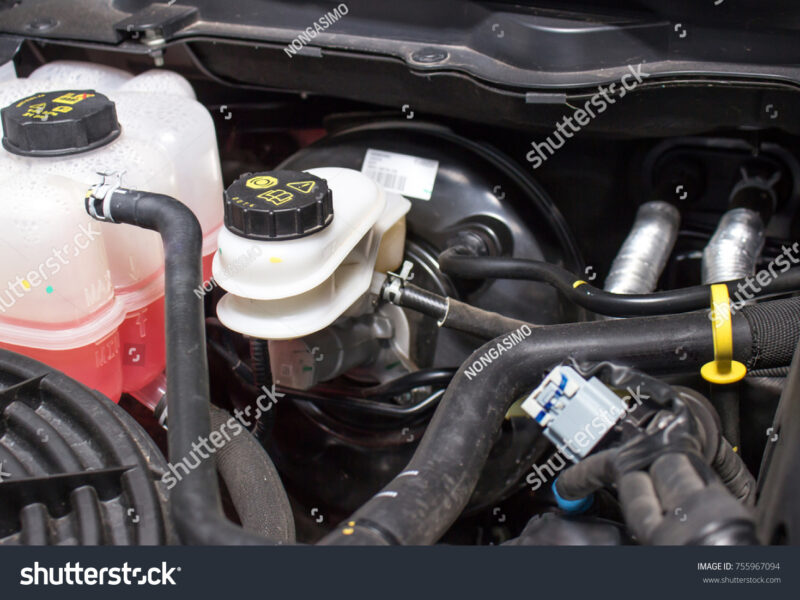
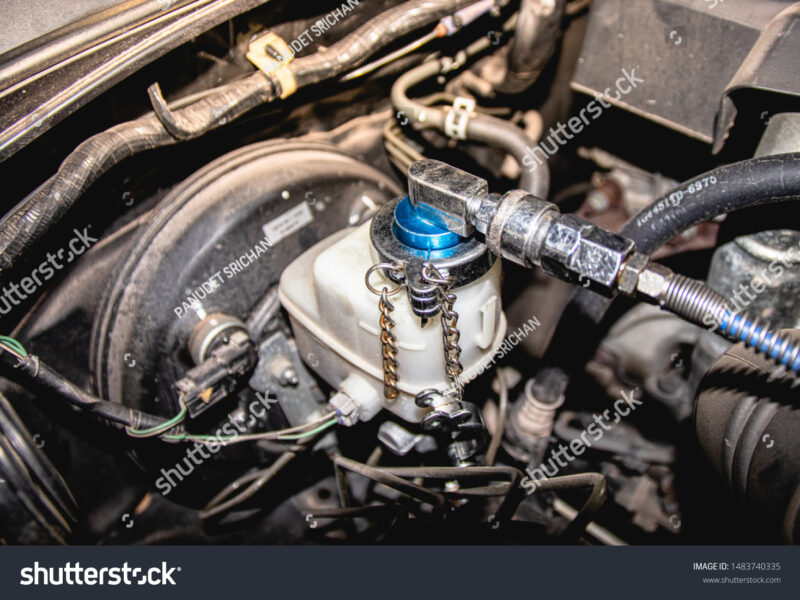
If you’re wondering about the DIY brake fluid flush cost, first know that performing this essential automotive maintenance task on your own can save you significantly compared to professional services. On average, a mechanic may charge between $70 and $120 for a brake fluid flush, while the DIY route generally costs around $30 to $50, including tools and fluid.
What Tools are Required for a DIY Brake Fluid Flush?
To successfully carry out a brake fluid flush, specific tools are necessary to ensure you can perform the task safely and effectively. Below is a detailed list of tools you will need:
- Brake Fluid: Consult your vehicle’s manual to determine the correct type, such as DOT 3, DOT 4, or DOT 5. The type of fluid is crucial as using the incorrect one can adversely affect your vehicle’s braking system.
- Brake Bleeder Kit: Consider using a comprehensive brake bleeder kit or a simple turkey baster for removing old fluid.
- Wrench Set: A set of wrenches is needed to loosen and tighten brake bleeder screws.
- Clear Tubing: This is for connecting to the bleeder screw to direct old fluid into a container.
- Catch Container: Use a container to catch the old brake fluid, preventing spills.
Having these tools ready before starting will enhance your efficiency and safety during the flush process.
How Do You Perform a Brake Fluid Flush Step-by-Step?
Performing a brake fluid flush involves several meticulous steps to ensure that the braking system operates optimally. Here’s a detailed guide:
Step 1: Prepare Your Vehicle
Begin by parking your vehicle on a flat surface and engaging the parking brake. Remove any hubcaps if necessary, and loosen the lug nuts of the wheels you will be working on but do not remove them entirely yet.
Step 2: Remove Old Brake Fluid
Using the turkey baster, remove most of the old brake fluid from the master cylinder reservoir. Be sure to replace it with new fluid of the same type. This step is critical as it will reduce the amount of air you need to bleed out of the system later.
Step 3: Bleed the Brakes
Start with the brake furthest from the master cylinder, usually the rear passenger side. Attach the clear tubing to the bleeder screw, and submerge the other end into your catch container. Have an assistant pump the brake pedal several times before holding it down. While the pedal is held down, loosen the bleeder screw to release old fluid and air. Tighten the bleeder screw before they release the pedal to prevent air from re-entering the system.
Step 4: Repeat for All Brakes
Repeat the bleeding process for each wheel in the proper order—rear passenger, rear driver, front passenger, and finally front driver. Regularly check the level of brake fluid in the master cylinder to ensure it doesn’t drop too low during this process.
Step 5: Clean Up
Once the fluid runs clear and free of bubbles, finalize by tightening all bleeder screws. Dispose of the old brake fluid according to your local regulations, as it is hazardous. Replace the master cylinder cap, and take the vehicle for a test drive to confirm proper brake function.
FAQs
How often should brake fluid be flushed?
It’s advisable to change the brake fluid every 2 years or 24,000 miles (approximately 38,624 kilometers), whichever comes first. This ensures that moisture does not compromise the fluid, which can lower its boiling point and lead to brake fade.
What are the costs associated with a DIY brake fluid flush?
The average cost for a DIY brake fluid flush ranges between $30 and $50. This includes the price of brake fluid and any tools you might need, making it a cost-effective alternative to the typical $70 to $120 cost incurred at a mechanic.
What are the symptoms of contaminated brake fluid?
Signs of contaminated brake fluid include a spongy brake pedal feel, decreased braking performance, and a noticeable change in fluid color. It’s crucial to address these symptoms promptly to avoid serious brake system issues.
| Item | Average Cost (DIY) | Average Cost (Professional) |
|---|---|---|
| Brake Fluid | $10 – $20 | – |
| Bleeder Kit | $10 – $30 | – |
| Labor | – | $70 – $120 |
| Total | $30 – $50 | $70 – $120 |
For further information and techniques, check out our guides on How to Change Your Brake Fluid: A Complete DIY Guide, Essential Tools You Need for a DIY Brake Fluid Change, and 5 Critical Symptoms of Air in Your Brake Lines and How to Bleed Them.