Replacing your vehicle’s cabin air filter at the correct intervals is crucial for maintaining optimal cabin air quality and the efficiency of your heating, ventilation, and air conditioning (HVAC) system. Most automotive experts recommend a cabin air filter change approximately every 15,000 to 30,000 miles or annually, depending on specific driving conditions and manufacturer recommendations. However, recognizing the warning signs of a clogged filter can help you determine if an earlier replacement is necessary.
A clean cabin air filter acts as a critical barrier, preventing a wide array of airborne pollutants such as dust, pollen, soot, and other particulate matter from entering your vehicle’s interior. Over time, as this filter accumulates debris, its ability to effectively clean the air diminishes significantly. This degradation not only impacts the air you breathe but also places undue strain on your entire AC system, potentially leading to more costly repairs down the line. Timely replacement is a straightforward and cost-effective maintenance task that safeguards both your health and your vehicle’s performance.
What is the Recommended Replacement Schedule for a Cabin Air Filter?
The standard recommendation for cabin air filter replacement generally falls within a range of 15,000 to 30,000 miles or at least once a year. This guideline is provided by most vehicle manufacturers and automotive service professionals, though it’s always best to consult your specific owner’s manual for the precise intervals tailored to your make and model.
However, this mileage interval is a general guideline and can be significantly influenced by various external factors. Driving in environments with high levels of dust, such as dirt roads or construction zones, or in areas with heavy traffic and industrial pollution, will necessitate more frequent replacements. Similarly, if you frequently transport pets or live in regions with high pollen counts, your filter will likely accumulate contaminants faster, requiring replacement every 6,000 miles or every 6 months to maintain optimal air quality.
Regardless of mileage, an annual inspection of your cabin air filter is a prudent practice, often performed during routine oil changes. Even if you haven’t reached the higher end of the mileage recommendation, a year of use can still lead to a substantial build-up of microscopic particles, mold spores, and other allergens, particularly in humid climates. Proactive replacement ensures consistent filtration efficiency and helps prevent the adverse effects associated with a dirty filter.
What are the Key Warning Signs of a Clogged Cabin Air Filter?
Recognizing the symptoms of a clogged cabin air filter is essential for preserving the air quality inside your vehicle and the longevity of its HVAC system. One of the most common and immediate indicators is a noticeable decrease in airflow from the air conditioning vents. If you find yourself needing to increase the fan speed more than usual to achieve a comfortable temperature, it signals that the filter is restricting air passage, forcing the AC system to operate at a higher capacity to compensate.
Another prominent warning sign is the presence of unpleasant or musty odors within the cabin, especially when the fan or AC is operating. A dirty filter can trap moisture, dust, and organic matter, creating an environment conducive to mold and bacterial growth. These microorganisms produce foul smells that circulate directly into the passenger compartment, significantly degrading comfort and potentially triggering allergic reactions.
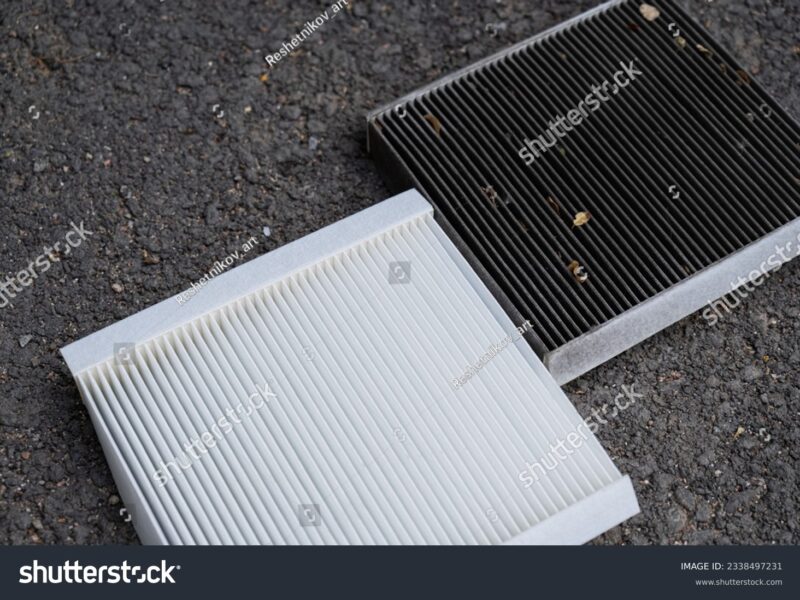
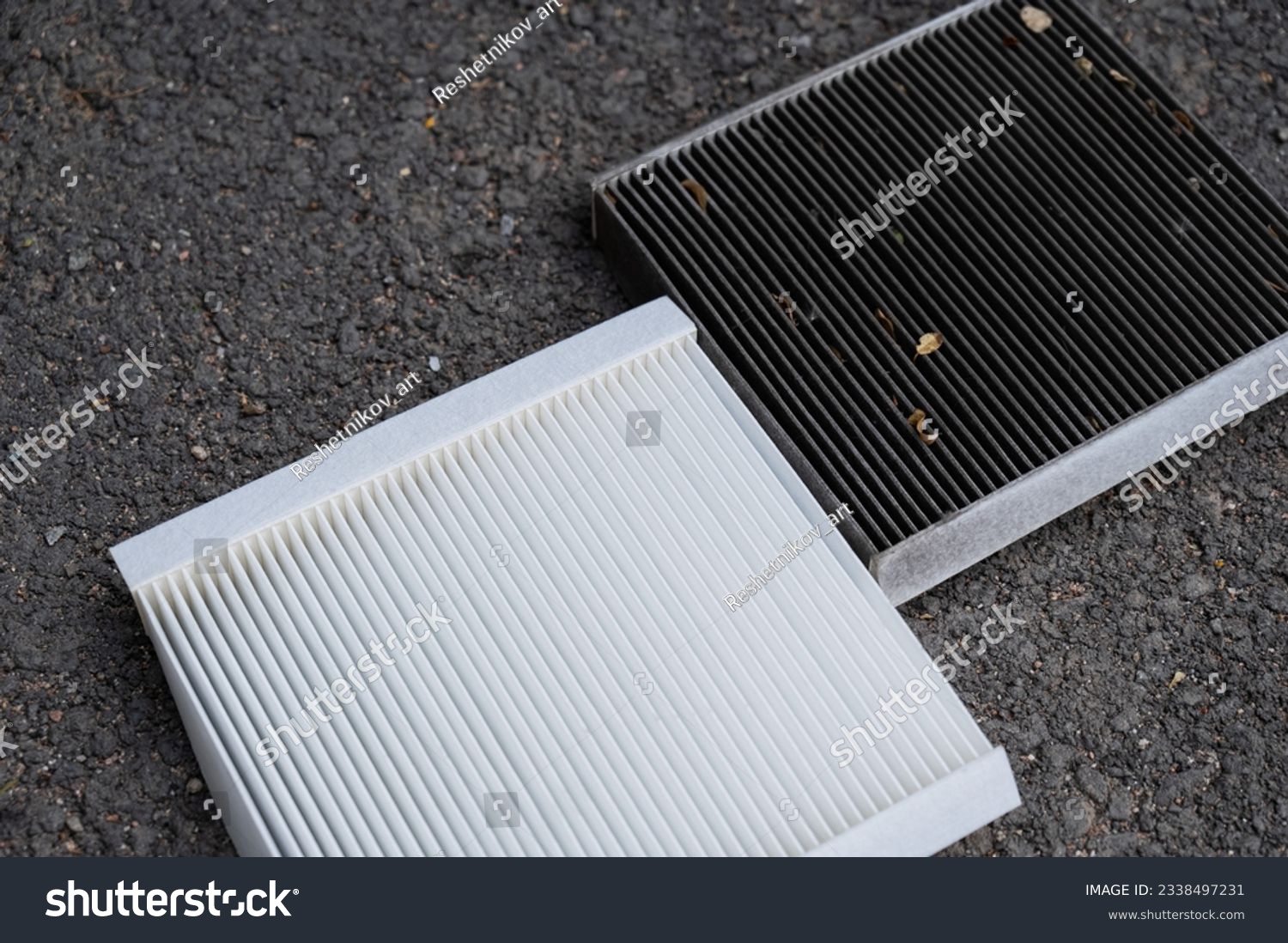
Other noticeable symptoms include an increased accumulation of dust on interior surfaces, such as the dashboard and seats, which indicates that the filter is no longer effectively trapping airborne particles. Additionally, persistent fogging of windows that is slow to clear, or unusual whistling or excessive noise from the HVAC system, can also point to a severely restricted or compromised cabin air filter. If you experience any of these warning signs of a bad cabin air filter, it is a clear indication that a replacement is overdue.
How Does a New Cabin Air Filter Improve AC Performance and Cabin Environment?
Replacing a dirty or clogged cabin air filter with a new one can dramatically enhance your vehicle’s air conditioning performance and overall cabin environment. A clean filter ensures optimal airflow through the HVAC system, allowing the AC to cool or heat the cabin efficiently without overworking. This improved airflow is crucial for the system to maintain consistent and comfortable temperatures, reducing strain on components like the blower motor and potentially extending their lifespan.
Beyond performance, a new cabin air filter significantly improves the quality of the air inside your vehicle. It effectively filters out a wide range of airborne pollutants, including dust, pollen, road debris, and harmful particulate matter. This leads to a fresher-smelling interior, free from musty odors or the ingress of external pollutants like exhaust fumes. For individuals with allergies, asthma, or other respiratory sensitivities, a clean filter is particularly vital as it reduces exposure to common irritants and allergens.
Furthermore, a well-functioning cabin air filter helps prevent dust and debris from accumulating on interior surfaces and from entering the sensitive components of the HVAC system, such as the evaporator. Keeping these components clean not only ensures efficient operation but also helps mitigate the risk of mold and mildew growth within the system, which can be a source of persistent unpleasant odors and potential health hazards.
What are the Different Types of Cabin Air Filters and Their Filtration Capabilities?
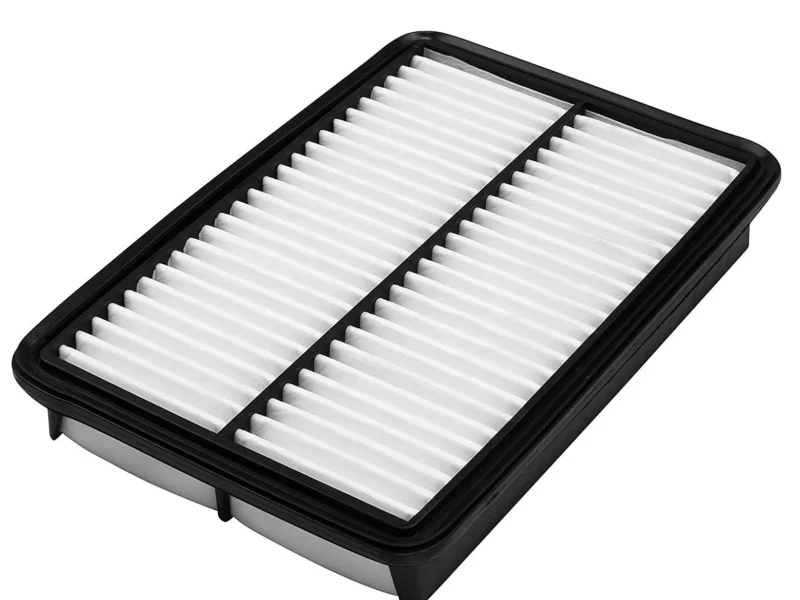
Automotive air filtration systems typically involve three primary categories: engine air filters, cabin air filters, and oil filters, each serving a distinct and critical role. Focusing on the cabin, there are primarily two main types of cabin air filters available: particulate filters and activated carbon filters, with some advanced options offering HEPA-grade filtration. Understanding these different types of car air filters is key to choosing the right one for your vehicle and driving conditions.
Particulate (Dust-Type) Cabin Filters: These are the most common and basic type, designed to trap solid particles. They effectively filter out larger contaminants like dust, pollen, leaves, and some mold spores. The filtration efficiency is often measured in microns; high-quality particulate filters can capture particles as small as 0.3 microns, which is significantly smaller than the average human hair (approximately 100 microns). Their primary function is to provide consistent airflow while preventing debris from entering the cabin and the HVAC system. However, they generally do not absorb odors or gaseous pollutants.
Activated Carbon (Combi) Filters: These filters incorporate an additional layer of activated charcoal, which is highly effective at adsorbing odors, exhaust fumes, volatile organic compounds (VOCs), ozone, and other harmful gases. In addition to particulate filtration, they offer a significant upgrade in cabin air quality, making them ideal for urban drivers or those frequently exposed to traffic pollution and unpleasant smells. The activated carbon layer works by chemically binding these gaseous contaminants, preventing them from entering the cabin.
HEPA-Grade Cabin Air Filters: High-Efficiency Particulate Air (HEPA) filters represent the pinnacle of cabin air filtration. To qualify as HEPA-rated, a filter must be capable of removing at least 99.97% of airborne particles as small as 0.3 microns. This includes ultra-fine dust, bacteria, viruses, smoke, pet dander, and fine exhaust soot (PM2.5). While offering superior air quality, especially beneficial for allergy and asthma sufferers, their denser media can sometimes slightly reduce airflow compared to standard filters, making regular replacement even more critical to maintain HVAC performance.
Filtration efficiency can also be referenced by industry standards such as MERV (Minimum Efficiency Reporting Value) ratings or ISO standards. While MERV ratings (ranging from 1 to 16 for residential systems) are more commonly associated with home HVAC systems, they provide a similar scale for filter effectiveness against various particle sizes. Higher MERV ratings (e.g., MERV 13-16) indicate filters capable of capturing finer particles like bacteria, smoke, and even some viruses. For automotive cabin air filters, specific ISO standards like ISO 11155-1 (for particle filters) and ISO 11155-2 (for gas adsorption filters) dictate testing procedures and performance criteria, ensuring filters meet rigorous industry benchmarks for efficiency and contaminant removal. More advanced standards, like ISO 23875, are emerging, particularly in specialized heavy machinery, emphasizing heightened filter efficiency (e.g., 94% efficiency at 0.3-0.5 ?m) and real-time air quality monitoring.
| Filter Type | Primary Function | Typical Filtration (Microns) | Odor Removal | MERV/ISO Equivalent (Approx.) |
|---|---|---|---|---|
| Particulate (Standard) | Blocks dust, pollen, leaves, larger debris. | > 0.3 microns | Minimal to None | MERV 5-8 (for particles) |
| Activated Carbon (Combi) | Blocks particles; adsorbs odors, gases (VOCs, ozone, exhaust). | > 0.3 microns (particles) | High | MERV 8-10+ (for particles, plus gas absorption) |
| HEPA-Grade | Traps 99.97% of particles ? 0.3 microns (dust, pollen, bacteria, viruses, smoke, PM2.5). | ? 0.3 microns (99.97% efficiency) | Variable (some include activated carbon) | MERV 13-16+ (or exceeding MERV 16 performance) |
The Broader Impact of Air Filtration on Vehicle Health
While the cabin air filter specifically addresses the air quality inside the passenger compartment, it is important to remember that it is one of three critical filtration components in a vehicle. The engine air filter, designed to protect the engine by preventing dirt and debris from entering the combustion chambers, is equally vital for maintaining optimal engine performance and fuel efficiency. A clogged engine air filter can lead to reduced horsepower and increased emissions.
Similarly, the oil filter plays a crucial role in safeguarding the engine’s internal components by removing contaminants from the engine oil. These three filters—engine air, cabin air, and oil—constitute the primary categories of automotive air and fluid filtration. Neglecting any of these can lead to systemic issues, ranging from decreased comfort and health risks in the cabin to significant mechanical failures in the engine.
Adhering to manufacturer-recommended maintenance schedules for all three types of filters is fundamental to the overall health and longevity of your vehicle. Regular inspections and timely replacements prevent premature wear on various components, maintain system efficiency, and ultimately save on potentially expensive repairs. This holistic approach to vehicle maintenance ensures that both the occupants and the intricate machinery are well-protected.
Frequently Asked Questions about Cabin Air Filters
How often should I check my cabin air filter?
You should inspect your cabin air filter at least once a year, typically during routine maintenance like an oil change. However, if you frequently drive in dusty environments, areas with heavy traffic pollution, or have allergies, it’s advisable to check it more often, potentially every 6 months or 6,000 miles. A visual inspection can often reveal excessive debris or discoloration, indicating a need for replacement before the recommended mileage interval is reached.
Can a clogged cabin air filter affect my health?
Yes, a clogged cabin air filter can significantly affect your health. A dirty filter is less effective at trapping allergens like pollen, dust mites, and mold spores, allowing them to circulate freely within the cabin. This can exacerbate symptoms for individuals with allergies or asthma, leading to sneezing, coughing, watery eyes, and respiratory discomfort. Furthermore, a clogged filter can trap moisture and promote mold growth, releasing musty odors and potentially harmful spores into the air you breathe.
Is it difficult to replace a cabin air filter myself?
Replacing a cabin air filter is often a straightforward DIY task for many vehicle owners, typically taking 15 to 30 minutes. The location of the filter varies by vehicle make and model; it is most commonly found behind the glove compartment, under the hood near the windshield wipers, or occasionally under the dashboard. Your owner’s manual will provide specific instructions and the exact location. While some locations are more accessible than others, with the right guidance, most individuals can perform this maintenance themselves without specialized tools. Always ensure you wear gloves and a mask when handling a dirty filter due to accumulated debris.