Selecting the optimal tires is paramount for maximizing the range of your electric vehicle (EV) in 2026. The unique demands of EVs, such as instant torque and increased weight from battery packs, necessitate tires engineered for superior efficiency and durability. Our comprehensive guide dives into the specific features and top-performing models that will help you go further on a single charge.
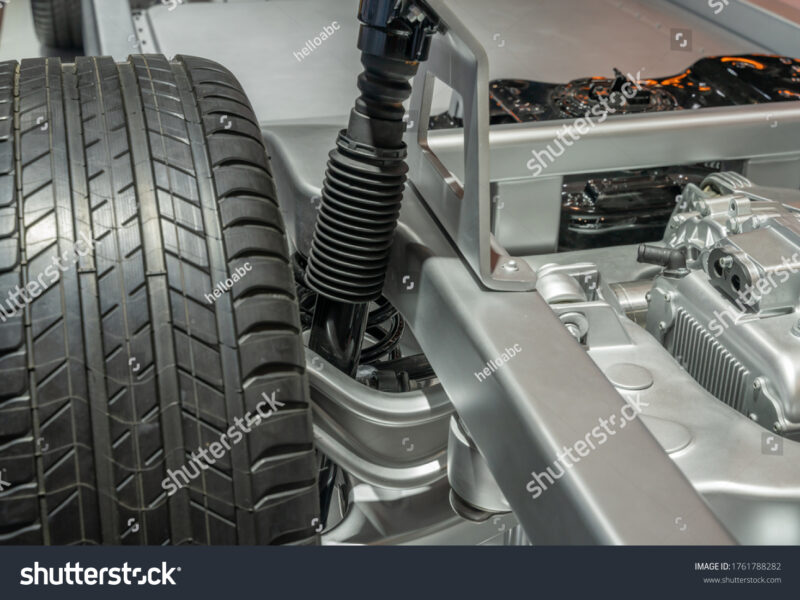
Electric vehicles inherently require tires that can handle their distinct operational characteristics. The significant weight of EV battery packs, with many modern EVs weighing at least 3,500 pounds and some exceeding 5,000 pounds, places considerable stress on tire structures. For example, the Tesla Model S, a popular EV, tips the scales at approximately 4,941 pounds. This increased load, combined with the instant torque EVs deliver, can lead to faster tire wear if the correct tires aren’t chosen. Understanding these factors is the first step towards optimizing your EV’s performance and extending its driving range.
The right tires not only contribute to a longer range but also enhance the overall driving experience. They play a crucial role in reducing rolling resistance, a key factor influencing energy consumption. Lower rolling resistance means less energy is needed to keep the vehicle moving, directly translating into more miles per kilowatt-hour. This guide will help you navigate the complex world of EV tire technology to make an informed decision for your 2026 vehicle.
What Features Define the Best EV Tires for Range?
The most effective EV tires for maximizing range are characterized by several key design elements and material innovations. Foremost among these is a focus on minimizing rolling resistance. This is achieved through specialized rubber compounds that are harder and less prone to deformation, as well as tread patterns designed for smooth, consistent contact with the road surface. A lower coefficient of rolling resistance directly translates to less energy expenditure from the vehicle’s battery.
Furthermore, the construction of EV tires is optimized for durability to withstand the higher torque and weight associated with electric vehicles. Many EVs, like the Tesla Model S weighing around 4,941 pounds, present a greater challenge to tires than their internal combustion engine counterparts. Tires designed for EVs often feature reinforced sidewalls and specialized internal structures to manage these forces effectively, preventing premature wear and tear. This durability ensures that the tire’s efficiency benefits are maintained over a longer lifespan, as detailed in our discussion on why EV tires wear out faster.
Aerodynamics also plays a subtle but significant role. While not solely a tire characteristic, tread designs that promote a smoother airflow around the wheel can contribute to reduced drag. Additionally, tire pressure monitoring systems (TPMS) are crucial for maintaining optimal tire performance. Properly inflated tires reduce rolling resistance and ensure even wear, further contributing to maximum range. These tires are meticulously engineered to balance these competing demands, offering a superior solution for range-conscious EV drivers.
The compound and tread design work in tandem. Manufacturers utilize silica-rich compounds and advanced polymers to create a balance between grip, wear resistance, and low rolling resistance. The tread pattern is often optimized with fewer biting edges and a more uniform contact patch to minimize energy loss. This engineering effort is crucial for EV owners who are keen on extending their vehicle’s potential mileage between charges.
Top EV Tire Models for Extended Range in 2026
As we look towards 2026, several tire models stand out for their exceptional ability to enhance EV range. These tires have been rigorously tested and developed with the specific needs of electric vehicles in mind, offering a blend of efficiency, durability, and performance.
The Michelin e.Primacy continues to be a frontrunner, lauded for its exceptionally low rolling resistance and quiet ride. This tire is designed to offer significant improvements in fuel efficiency, which directly translates to extended range for EVs. Its innovative tread compound and aerodynamic sidewall contribute to its impressive performance metrics, making it a top choice for drivers prioritizing maximum mileage. It represents a significant advancement in tire technology for the growing EV market.
Another strong contender is the Goodyear ElectricDrive GT. This tire is engineered to provide a balance of all-season traction, responsive handling, and impressive range extension. Goodyear has focused on developing a tread compound that reduces energy loss while maintaining grip in various weather conditions. This makes it a versatile option for EV owners who want performance without compromising on their vehicle’s electric range.
The Continental EcoContact 6 is also highly recommended for its focus on sustainability and efficiency. It boasts a special tread compound that optimizes grip and minimizes wear, contributing to both longevity and reduced rolling resistance. This tire is a testament to Continental’s commitment to developing eco-friendly solutions that also deliver on performance for electric vehicles, aligning with the increasing demand for sustainable automotive options.
Emerging brands are also making waves. For instance, the Pirelli Scorpion Elect, specifically designed for SUVs and crossovers, incorporates Pirelli’s “PerfectFit” technology to ensure optimal compatibility with EV powertrains, contributing to both range and handling precision. These models exemplify the cutting-edge advancements in tire technology aimed at optimizing the electric driving experience.
Comparing EV Tire Performance Metrics for Range
When evaluating tires for maximum EV range, specific quantitative metrics are crucial. The coefficient of rolling resistance (CoRR) is perhaps the most critical. A lower CoRR indicates less energy is lost as the tire rolls, directly boosting the vehicle’s range. While exact figures vary by manufacturer and specific tire model, high-performance EV range tires typically aim for CoRR values below 0.008.
Another key performance indicator is the tire’s load index and speed rating, which must be appropriate for the EV’s weight and performance capabilities. The substantial weight of EVs, often exceeding 4,000 pounds due to battery packs, requires tires with robust construction. For instance, a Tesla Model S, weighing approximately 4,941 pounds, necessitates tires that can safely handle this load without excessive flexing, which would increase energy consumption and reduce range.
The projected lifespan of EV tires is also an important consideration, especially given their tendency to wear faster due to instant torque. While a conventional tire might last 40,000-60,000 miles, EV-specific tires are designed to offer comparable or even extended life through advanced materials and construction. Some premium EV tires are rated for up to 50,000 miles or more, even under the demanding conditions of electric powertrains. This longevity ensures that the range-enhancing benefits of the tire are sustained over time.
To illustrate these points, consider the following comparative data:
| Tire Model | Target Application | Estimated CoRR (Lower is Better) | Estimated Range Impact | Typical Lifespan (Miles) |
|---|---|---|---|---|
| Michelin e.Primacy | Sedans, Hatchbacks | ~0.007 | +5-10% | 45,000 – 55,000 |
| Goodyear ElectricDrive GT | Performance EVs, Sedans | ~0.0075 | +4-8% | 40,000 – 50,000 |
| Continental EcoContact 6 | Various EV Types | ~0.0072 | +5-9% | 48,000 – 58,000 |
| Pirelli Scorpion Elect | Electric SUVs/Crossovers | ~0.008 | +3-7% | 40,000 – 50,000 |
These figures highlight the direct correlation between tire technology and EV range. Choosing tires with a lower CoRR and robust construction is key for any EV owner looking to maximize their vehicle’s efficiency and driving distance. For a deeper understanding of EV tire characteristics, consult our article on best tires for electric vehicles.
Understanding EV Tire Wear and Longevity
The unique performance characteristics of electric vehicles, particularly their instant torque delivery and substantial weight, contribute to accelerated tire wear compared to traditional gasoline-powered cars. Most modern EVs weigh at least 3,500 pounds, with many models exceeding 5,000 pounds due to their heavy battery packs. This increased mass puts more pressure on the tires, leading to faster degradation if they are not specifically designed to handle it.
The immediate and powerful torque from an EV’s electric motor can cause tires to spin more readily during acceleration, leading to increased scrubbing and wear. This phenomenon is a significant factor that EV owners need to consider when selecting replacement tires. Understanding these nuances is essential for optimizing tire longevity and maintaining overall vehicle performance. Our guide on why EV tires wear out faster provides in-depth insights into this issue.
To combat this, manufacturers are developing specialized EV tires that incorporate harder rubber compounds and reinforced construction. These tires are engineered to withstand the higher forces and stresses associated with electric powertrains. The goal is to provide a lifespan that is comparable to, or even exceeds, that of tires on conventional vehicles, despite the increased demands. This requires advanced materials science and meticulous tread design to ensure durability without sacrificing efficiency.
The difference in wear can be substantial. Under conditions of instant torque, an EV tire might experience a wear rate that is noticeably higher than a conventional tire under similar driving styles. However, specific EV-rated tires are designed to mitigate this. For example, a tire rated for 50,000 miles on a conventional car might achieve a similar or better lifespan on an EV if it’s an EV-specific model, thanks to its specialized construction. This balance between wear and efficiency is a key engineering challenge for tire manufacturers.
Frequently Asked Questions
What is the ideal tire pressure for maximizing EV range?
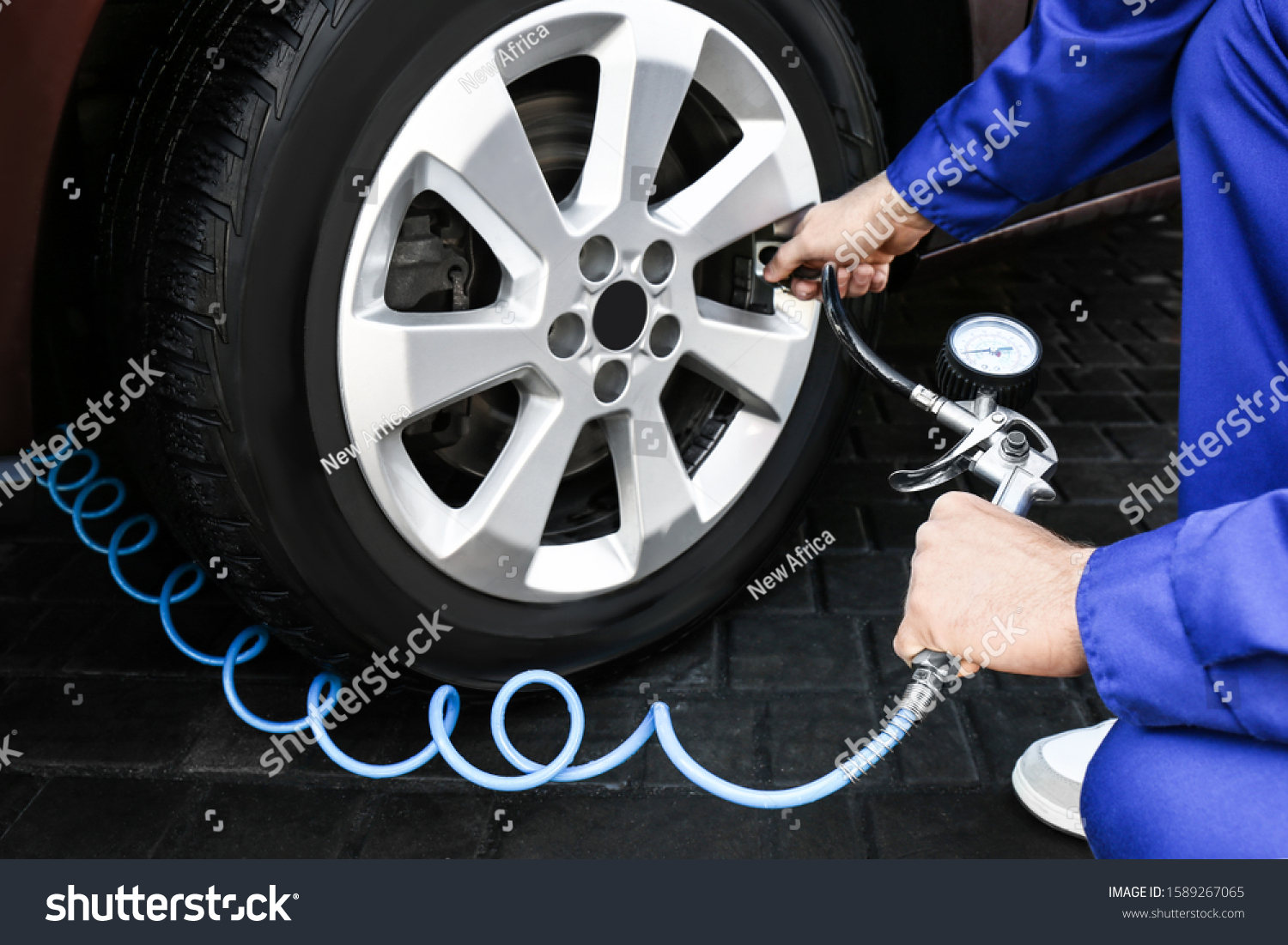
Maintaining the manufacturer-recommended tire pressure is crucial for maximizing EV range. Over-inflated tires can reduce the contact patch, leading to uneven wear and potentially compromising grip and handling. Under-inflated tires significantly increase rolling resistance, demanding more energy from the battery and thus reducing range. Always refer to your vehicle’s owner’s manual or the sticker on the driver’s side doorjamb for the precise recommended tire pressure. For most EVs, this pressure is higher than for conventional vehicles due to their weight, often in the range of 40-50 PSI.
How do EV-specific tires differ from standard tires in terms of range?
EV-specific tires are engineered with lower rolling resistance as a primary objective, directly translating to extended vehicle range. They often feature specialized tread compounds, such as those utilizing high levels of silica, and optimized tread patterns that minimize energy loss during rotation. Furthermore, EV tires are built to withstand the higher weight and instant torque of electric vehicles. For instance, many EVs weigh over 4,000 pounds due to their battery packs, a load that standard tires may not be optimized to handle efficiently. While a standard tire might offer adequate grip, it will likely have a higher rolling resistance coefficient, diminishing the vehicle’s potential range compared to a dedicated EV tire.
Can all-season tires be used on electric vehicles for range optimization?
While some all-season tires are designed with low rolling resistance in mind, dedicated EV tires generally offer superior range optimization. All-season tires aim for a balance of performance across various conditions, which can sometimes mean a compromise on the absolute lowest rolling resistance. EV-specific tires are honed for efficiency first and foremost. However, models like the Goodyear ElectricDrive GT are all-season tires specifically developed for EVs, demonstrating that a balance is achievable. For peak range, however, tires explicitly marketed for their low rolling resistance and EV suitability are typically the best choice. It’s important to check the tire’s specifications for its rolling resistance coefficient and any EV-specific designations.
What impact does tire width have on EV range?
Tire width has a noticeable impact on EV range, primarily through its influence on rolling resistance and aerodynamics. Narrower tires generally offer lower rolling resistance because they have a smaller contact patch with the road, requiring less energy to overcome friction. Additionally, narrower tires can contribute to better aerodynamics by reducing drag. However, there’s a limit to how narrow a tire can be before it compromises vehicle stability, handling, and load-carrying capacity, especially for heavier EVs like the Tesla Model S (approx. 4,941 lbs). Manufacturers carefully select tire widths that balance these factors to achieve optimal range and safety for specific vehicle models.