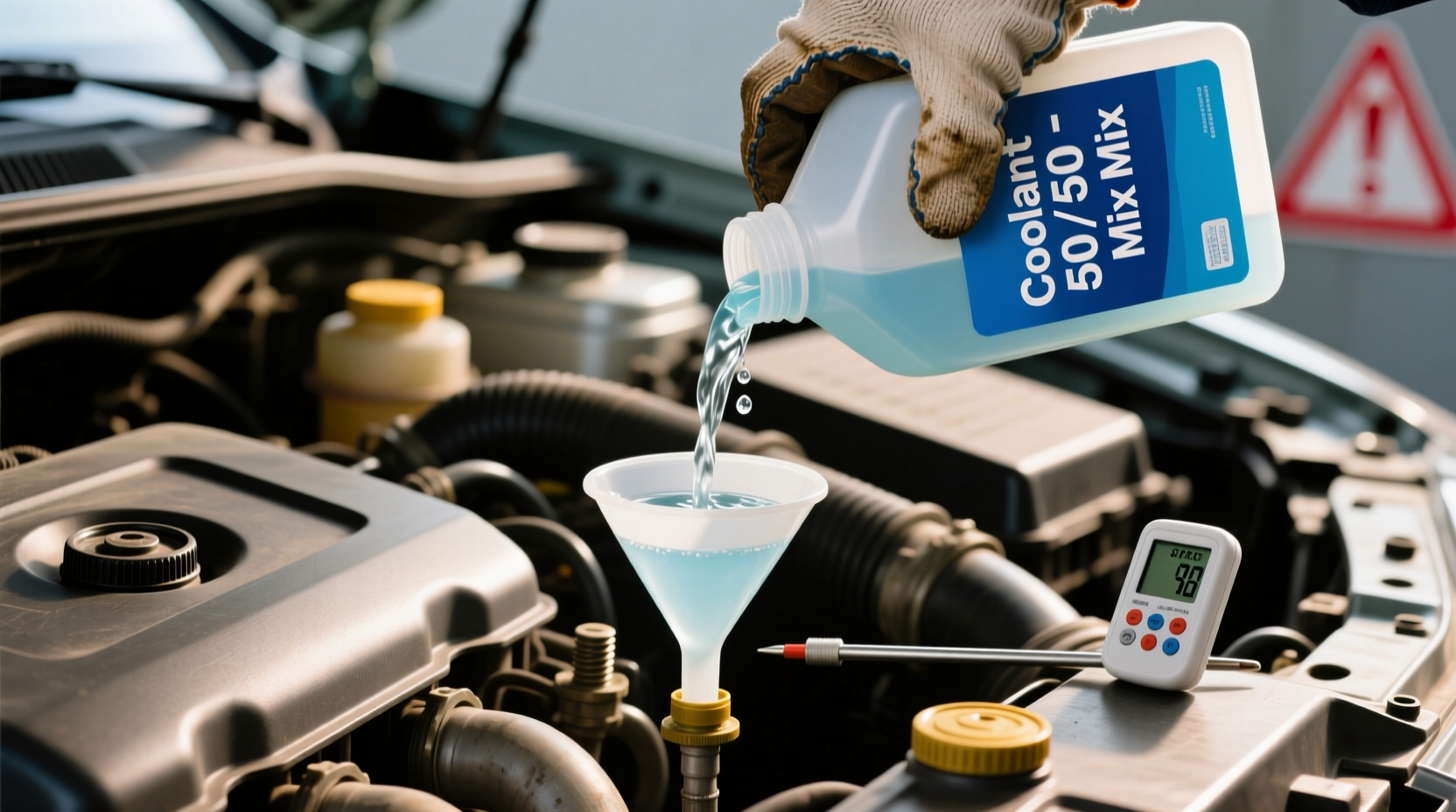
Changing your car radiator fluid, also known as coolant, is more than just a routine task; it’s a pivotal maintenance procedure that protects your engine from overheating and ensures efficient performance. This guide provides an in-depth exploration of the process, including vital safety measures, essential materials, and step-by-step instructions, empowering you to take on this essential service with confidence.
Why is Regular Replacement of Your Radiator Fluid Crucial?
Maintaining the integrity of your vehicle’s cooling system through regular radiator fluid changes is fundamental for ensuring optimal engine function. Over time, radiator fluid degrades due to heat exposure and the breakdown of chemical additives, which significantly reduces its efficacy in heat transfer and corrosion prevention. For instance, standard coolant formulations, such as Inorganic Acid Technology (IAT) or Organic Acid Technology (OAT), typically need to be replaced every 30,000 miles or every two years at minimum. This is vital to prevent issues such as rust and scale accumulation that can block coolant passages, leading to overheating and potential engine failure.
Failing to replace degraded coolant can result in severe consequences, such as increased engine temperatures, leading to worn-out gaskets and seals or even catastrophic engine failure. According to automotive specialists, a consistent schedule that adheres to these intervals is essential for prolonging engine life and efficiency. For those interested in the technical aspects of radiator maintenance, our detailed guide on DIY Guide: How to Perform a Car Radiator Flush for Optimal Engine Cooling delves deeper into system revitalization techniques.
Visual indicators of a malfunctioning cooling system may include an elevated temperature gauge or the presence of leaks beneath your vehicle. Neglecting these symptoms can lead to more severe mechanical failures, which can often be pinpointed through early intervention. You can identify early warning signs of radiator failure by referencing our informative piece: Is Your Car Radiator Failing? Key Symptoms and Troubleshooting Guide.
What Tools and Materials Are Necessary for Changing Radiator Fluid?
To ensure a smooth and effective radiator fluid change, having the right tools and materials will facilitate the process and prevent unnecessary interruptions. Essential tools include a drain pan with a capacity of at least 2 gallons for collecting old coolant, a funnel for refilling, and a set of wrenches or pliers for loosening the radiator drain plug and hose clamps. For safety, always utilize protective gloves and safety goggles to safeguard against exposure to hot or corrosive liquids.
Obtaining the specific type and amount of new coolant recommended in your vehicle’s owner’s manual is critical. Manufacturers provide specifications regarding coolant formulation—whether it be IAT, OAT, or HOAT—and mixing incompatible types can lead to damage of internal components. Additionally, distilled water may be required for those using concentrated coolant to ensure optimal dilutions; tap water may contain harmful minerals that can cause further contamination.
Lastly, a clean rag or shop towels will come in handy for cleaning up any spills that may occur during the process. Creating a well-organized space not only aids efficiency but also allows you to remain focused on each procedure with precision.
What Are the Essential Safety Precautions Before Changing Radiator Fluid?
Safety remains a priority throughout the radiator fluid changing process due to the risks associated with hot liquids and chemicals. To prevent severe burns or accidents, it is imperative that the engine is completely cool before any maintenance is performed. Allowing the engine to cool down for several hours, or ideally overnight, eliminates the risk of retrieving scalding coolant or encountering pressurized steam upon opening the radiator cap or drain plug.
After ensuring the engine has cooled, wear the appropriate personal protective equipment, including gloves resistant to chemicals and safety glasses. Antifreeze is toxic if ingested and can cause skin irritation; therefore, careful handling is required. Ensuring proper ventilation in your workspace is also beneficial to avoid inhalation of harmful fumes during the fluid change process.
If your approach involves elevating the vehicle for better access to components, utilize sturdy jack stands to support it securely after lifting with a hydraulic jack. Never rely solely on a jack for support, as this can pose significant safety risks during the maintenance work.
Step-by-Step Guide: How to Change Your Car Radiator Fluid?
1. Allow the Engine to Cool Completely
Always prioritize safety by ensuring your engine is entirely cool before proceeding with any steps concerning the cooling system. A cold engine prevents the chance of burns from superheated coolant or steam when opening components of the system. This precaution is non-negotiable; ideally wait until the engine block is comfortably cool to the touch, which could take several hours after the engine has been turned off.
2. Position the Drain Pan and Open the Radiator Drain Plug
Next, locate your radiator’s drain plug, which is usually situated at the bottom of the radiator on one side. Place your drain pan directly underneath to catch the expelled coolant. Upon confirming that the engine is cool, carefully open the radiator drain plug. Depending on your vehicle make and model, the drain plug might feature a petcock valve that can be easily turned by hand or require the use of a wrench. Gradually open the plug to control the flow of coolant and mitigate splashes. For optimal drainage, it’s advisable to remove the radiator cap after the flow begins, which helps eliminate any vacuum and promotes quicker drainage.
3. Flush the System: A Crucial Step
To ensure the utmost cleanliness of your cooling system, consider performing a thorough flush after draining the old fluid. Securely close the drain plug once the old coolant is entirely drained, and then fill the radiator with distilled water. You may also add a commercial radiator flush solution, adhering closely to the manufacturer’s instructions on usage.
Operate the engine with the heater set to high for a span of 10-15 minutes, allowing the cleaner to circulate throughout the system. Afterward, allow the engine to cool again, then drain the flushing solution into your drain pan. Repeat this process with distilled water until the drained fluid runs clear, signifying that contaminants are adequately removed. Regular flushing is critical for maintaining the cooling system’s performance and preventing harmful buildups.
4. Refill the System with New Coolant
Once flushing is complete, securely close the radiator drain plug and refer to your vehicle’s owner manual for coolant specifications, including the required capacity. If utilizing concentrated coolant, mix it with distilled water per specified ratios, typically 50/50, before filling the system. Carefully pour the new coolant mixture into the radiator using a funnel, filling it slowly to avoid forming air pockets within the system. Fill the radiator until the fluid sits just below the filler neck, and ensure that the coolant reservoir (overflow tank) also reads at the “full” or “max” line.
5. Bleed the Cooling System and Check for Leaks
After replacing the coolant, lightly replace the radiator cap or set it back to the first stop. Start the engine and run it with the heater fully on. As the engine heats up, watch for the thermostat to open and coolant circulation to occur. During this period, monitor the coolant level in both the radiator and the reservoir, topping off as necessary. Look for escaping air bubbles at the radiator filler neck, indicating that air is being purged from the system. To further detach air pockets, gently squeeze the upper and lower radiator hoses a few times. Continue this until no bubbles emerge and the engine reaches normal operating temperature. After the process, securely fasten the radiator cap and inspect all connections for any potential leaks.
How to Dispose of Used Radiator Fluid Responsibly?
Proper disposal of used radiator fluid is paramount for environmental protection. Old coolant is considered hazardous waste and must be handled correctly to safeguard public health and prevent contamination of the environment. Never pour old coolant down the drain, storm sewer, or onto the ground, as antifreeze typically contains ethylene glycol, which poses a severe poisoning risk to pets, wildlife, and humans.
Always collect spent coolant in sealed, labeled containers while transporting it. A myriad of auto parts retailers, service stations, and municipal waste facilities have dedicated recycling or disposal programs for used automotive fluids. Be proactive and contact your local waste management authority or environmental protection agency to confirm procedures for safe disposal in your area. Engaging in proper disposal is not merely recommended; many jurisdictions mandate adherence to local regulations concerning hazardous waste.
Maintenance Frequency Comparison Table for Automotive Fluids
Understanding the recommended service intervals for various automotive fluids is crucial for implementing an effective maintenance schedule. Below is a comparison table illustrating the maintenance intervals between radiator fluid changes and brake fluid changes.
| Maintenance Task | Recommended Frequency (Miles/Kilometers) | Recommended Frequency (Time) | Consequences of Neglect |
|---|---|---|---|
| Radiator Fluid Change (Coolant Flush) | Every 30,000 miles | At least biennially (every 2 years) | Engine overheating, corrosion, engine failure |
| Brake Fluid Change | Every 24,000 miles (38,624 kilometers) | Every 2 years | Reduced stopping power, spongy brake pedals, component corrosion |
| Engine Oil Change | Every 5,000 to 7,500 miles (8,050 to 12,071 kilometers) | Every 6 months to 1 year | Increased engine wear, sludge buildup, reduced performance |
| Air Filter Replacement | Every 15,000 to 30,000 miles | Every 1 to 2 years | Decreased fuel efficiency, reduced engine power |
The table highlights significant timeframes and potential risks associated with neglecting each maintenance task. It is essential to keep these intervals in mind to maintain your car’s optimal performance.
Frequently Asked Questions (FAQs)
How often should I change my car’s radiator fluid?
Cherry-picking intervals for radiator fluid changes can prove disastrous for vehicle health. Generally, it is advisable to replace your car’s radiator fluid every 30,000 miles or every two years—whichever comes first. However, this frequency may vary based on your vehicle’s specific make, model, and driving conditions. For example, cars driven in extreme climates may require more frequent changes. Always consult your owner’s manual for specific intervals recommended by the manufacturer, as modern long-life coolants may allow for extended intervals without compromising performance.
Regularly checking the fluid level and condition of your coolant can help prevent overheating and system failures. If you notice changes in fluid color or texture, it may signal the need for immediate attention, even if you have not reached the recommended mileage or time frame.
What type of coolant should I use for my car?
The incorrect type of coolant can cause significant damage to your car’s cooling system, making it imperative to use only the specific type recommended in your vehicle’s owner’s manual. Coolants offer various formulations—including Inorganic Acid Technology (IAT), Organic Acid Technology (OAT), and Hybrid Organic Acid Technology (HOAT)—each serving different types of engines. For instance, many General Motors vehicles commonly use OAT coolants, while older Ford models often require IAT formulations.
Each type is colored differently (green, orange, yellow, or pink); however, color alone should not determine the type of coolant. Always check for compatibility to prevent potential system issues. Mixing different coolant types can lead to chemical reactions that create sludge and potentially block or damage your vehicle’s crucial components.
What are the risks of not changing radiator fluid regularly?
Neglecting to change your radiator fluid can lead to a myriad of severe issues that threaten your vehicle’s performance. One of the immediate dangers is engine overheating, which can cause catastrophic damage, such as blown gaskets or even complete engine failure. Old coolant loses its ability to protect against corrosion and can lead to rust and scale development within critical systems, such as the radiator and water pump. This reduction in system efficacy manifests as a high-temperature gauge reading, often indicating that the coolant cannot effectively dissipate heat.
Moreover, the long-term effects of using contaminated coolant can result in costly repairs, including replacing a failed water pump or the entire engine. Preventive maintenance through regular fluid changes is far less expensive than dealing with the repercussions of neglect.
Can I just top off my radiator fluid, or is a full change necessary?
While topping off radiator fluid can temporarily address low volume issues, it does not substitute for a comprehensive fluid change. Simply adding new fluid to degraded old coolant dilutes its performance properties, failing to restore the full protective qualities of fresh coolant. A complete change, ideally combined with a thorough flushing of the system, ensures that all contaminated liquid is replaced with entirely new fluid, maximizing the engine’s efficiency and cooling capability.
It is crucial to understand that topping off should only be performed with the correct type of coolant and only when necessary. Adhering to scheduled maintenance and being proactive about comprehensive changes is essential for ensuring that your vehicle runs smoothly and efficiently over its lifespan.
How do I dispose of used car radiator fluid safely?
To ensure environmental protection, used car radiator fluid must be disposed of responsibly. It is crucial to avoid pouring any used coolant down drains, into storm sewers, or on the ground, as it is toxic and can pose significant risks to both wildlife and humans. For safety, collect the old coolant in a sealed and labeled container while transporting it to an appropriate disposal facility.
Many local auto parts retailers, service stations, and municipal waste disposal facilities provide convenient recycling or disposal services for used automotive fluids. It is wise to reach out to your local waste management authority for clarity on regulations and disposal methods in your region. Following these guidelines is not only beneficial to the environment but also often legally mandated, reflecting the seriousness of proper hazardous waste management.