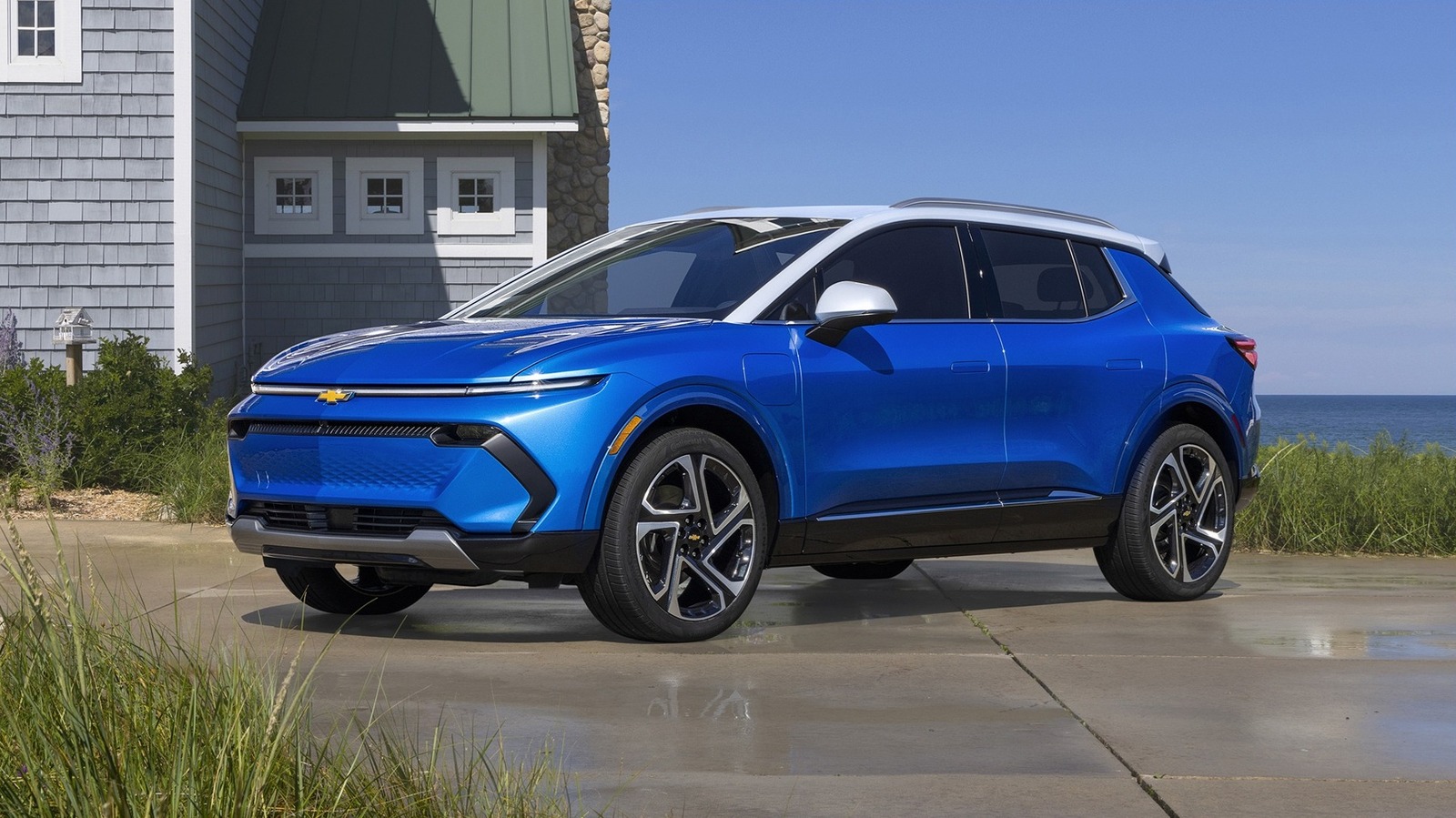
Electric vehicle (EV) tires tend to wear out faster than those fitted on gasoline-powered vehicles, and the reasons are as intriguing as they are complex. This heightened wear is primarily attributed to the combination of significant weight from battery packs, the unique characteristics of electric motors, and specific tire design requirements.
Understanding why EV tires deteriorate more quickly can empower drivers to make better choices about maintenance and driving behavior. Factors such as weight distribution, driving style, and tire engineering play crucial roles in this phenomenon, paving the path for responsible driving practices.
What Factors Contribute to Accelerated EV Tire Wear?
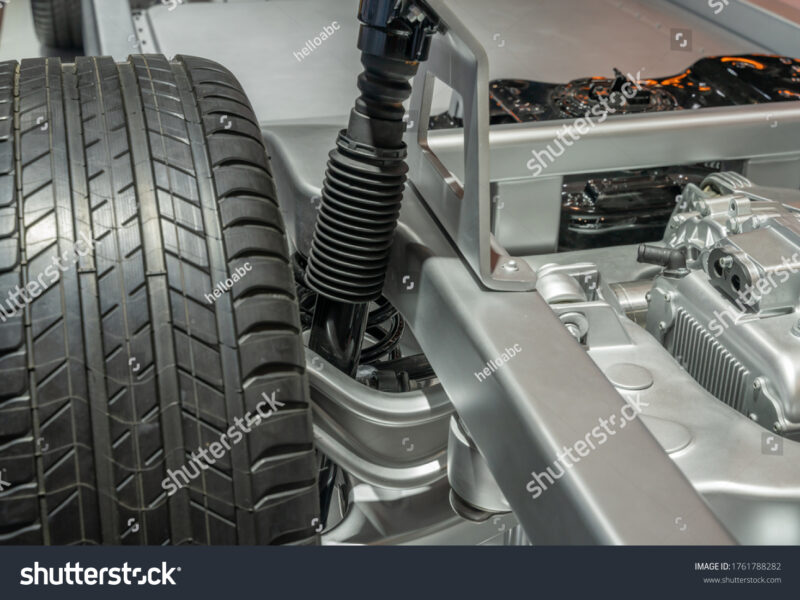
The faster wear of EV tires is largely due to the distinct features of electric powertrains and the weighty battery technology they encompass. Long-range EV models often carry battery packs that can weigh anywhere from 400 kg to over 600 kg, drastically impacting the overall vehicle weight.
How Does EV Weight Impact Tire Longevity?
This added weight increases both static and dynamic loads on the tires. As a result, tires experience greater rolling resistance and increased friction with the road surface. Consequently, tread wear accelerates. For instance, the average EV battery pack in 2026 represents a substantial contribution to the vehicle’s mass, thereby heightening tire stress significantly.
Does the Instant Torque of EVs Affect Tire Tread?
Absolutely. Electric motors deliver instantaneous torque from 0 RPM, which greatly influences tire durability. Unlike traditional gasoline engines, which build torque gradually, EVs can unleash maximum torque the moment acceleration begins. This abrupt power surge, frequently felt in performance-oriented EVs, can cause wheel spin and lead to more aggressive tread scrubbing. The situation worsens when drivers habitually exploit the full acceleration potential, in a manner comparable to aggressive acceleration habits that can hasten battery wear.
Are EV Tires Specifically Designed for Higher Wear?
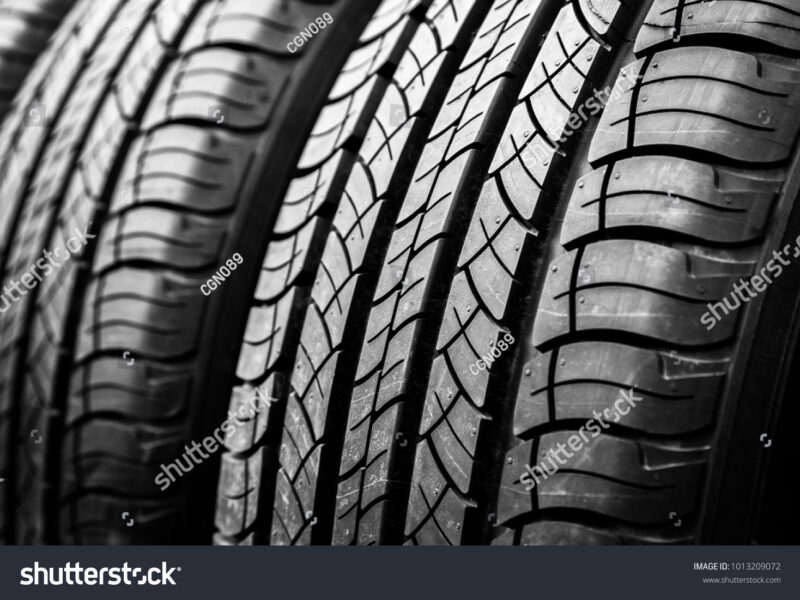
Interestingly, many tire manufacturers design tires specifically for EVs to better handle the increased loads and torque. These specially made tires often feature reinforced sidewalls and rubber compounds that balance support and road grip. However, such enhancements come with a trade-off: some EV tires may have a lifespan ranging from just 20,000 to 30,000 miles, while conventional tires on internal combustion engine (ICE) vehicles typically last between 40,000 to 60,000 miles.
EV Tire Wear vs. Gas Car Tires: A Comparative Analysis
When comparing tire wear between EVs and ICE vehicles, notable differences arise not just from tire type but also from driving dynamics and vehicle architecture.
What is the Average Tire Lifespan Difference?
On average, EV tires can have a lifespan that is 15-30% shorter when compared to tires on similarly sized gasoline vehicles. For example, an EV tire rated for 30,000 miles will likely require a replacement much sooner than a comparable ICE vehicle tire that could last up to 40,000 miles. Factors like driving style and chosen tire material significantly influence this disparity.
How Does Driving Style Amplify Tire Wear in EVs?
Aggressive driving patterns, characterized by rapid acceleration and hard braking, exacerbate tire wear on EVs. The instant torque feature makes it easier for drivers to exceed tire grip limits during acceleration. While regenerative braking in EVs can lessen wear on friction brakes, it does not reduce the mechanical wear on tire tread from the substantial torque applied during acceleration, which remains substantially higher than that seen in ICE vehicles.
Can Regenerative Braking Offset Tire Wear?
Although regenerative braking greatly minimizes wear on a vehicle’s friction braking components and may prevent issues similar to those caused by low brake fluid, it does not directly address the tread wear inflicted by the immense torque during acceleration. The core wear mechanism for EV tires links closely to their weight and the immediate torque application.
| Metric | Electric Vehicle (EV) | Internal Combustion Engine (ICE) Vehicle | Key Influencing Factor |
|---|---|---|---|
| Average Tire Lifespan (Miles) | 20,000 – 30,000 | 40,000 – 60,000 | Weight, Torque Delivery, Tire Compound |
| Tire Degradation Rate (%) | Higher (due to weight & torque) | Lower (relative to EV) | Vehicle Dynamics |
| Tire Reinforcement Requirements | Higher (for load and torque) | Standard | Vehicle Architecture |
| Impact of Instant Torque | Significant acceleration scrub | Gradual torque application | Powertrain Characteristics |
Frequently Asked Questions
- Do all EV tires wear out faster?
- While a general trend is observable, specific tire compounds and vehicle tuning can influence lifespan, and some EVs may be optimized for longer tire life.
- Can I use regular tires on an EV?
- It’s advisable to avoid using tires not rated for the EV’s weight and torque, as this can lead to premature failure and safety issues. Always opt for manufacturer-specified or equivalent EV-rated tires.
- Does battery health affect tire wear?
- Indirectly. While an average battery degradation rate of 2.3% in 2026 doesn’t directly influence tire wear, the battery’s weight remains a constant factor impacting overall vehicle stress.
- How can I extend the life of my EV tires?
- Adopting smooth acceleration and braking, ensuring proper tire pressure—typically higher for EVs—and scheduling regular wheel alignments are essential steps to prolong tire lifespan.