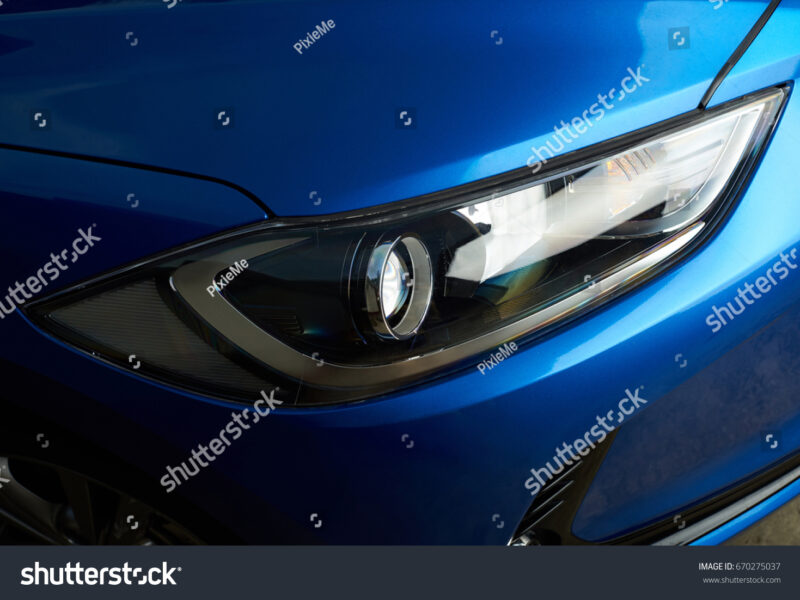
The beam patterns of car headlights play a pivotal role in how light is distributed from a vehicle’s lamps, illuminating the road ahead while ensuring safety for all road users. These patterns are meticulously designed to enhance driver visibility and minimize glare, forming a crucial component of automotive safety engineering.
What Defines a Car Headlight Beam Pattern?
A car headlight beam pattern is distinguished by its light distribution, notably the cut-off line and hotspot positioning. The cut-off line marks the clear boundary between illuminated and unilluminated areas, strategically engineered to prevent light from blinding oncoming drivers. Hotspots, representing zones of maximum brightness, are positioned to optimize visibility where it matters most, typically further down the road, allowing drivers to navigate confidently at night.
What are the Primary Types of Car Headlight Beam Patterns?
Vehicle headlights are primarily classified into three categories based on their beam patterns: low beam, high beam, and fog lights. Each of these serves a unique function in various driving conditions. Low beam patterns, often called dipped beams, direct light downward and forward, featuring an asymmetric cut-off line that helps illuminate the road shoulder while minimizing glare for oncoming vehicles. High beam patterns, or main beams, provide an intense, symmetrical light that illuminates a wider area, ideal for driving on unlit roads where no other traffic is present. Fog light patterns, on the other hand, are crafted to emit a wide, flat beam close to the ground, effectively piercing through fog, rain, or snow without reflecting light back into the driver’s eyes.
How Do Regulatory Standards Influence Headlight Beam Design?
The design of headlight beams is largely dictated by regulatory standards that ensure safety and consistency across different vehicles. Key regulations, such as those set forth by the ECE (Economic Commission for Europe) and SAE (Society of Automotive Engineers), impose strict requirements regarding light intensity, beam shape, and the sharpness of the cut-off line. These guidelines mandate minimum illumination levels for various zones and maximum allowable glare, all designed to protect other drivers. Compliance with these regulations is necessary not only for vehicle homologation but also to ensure road legality in different jurisdictions around the globe.
What is the Role of Beam Patterns in Vehicle Safety?
The significance of headlight beam patterns cannot be overstated when it comes to vehicle safety. An effectively designed beam pattern enhances a driver’s ability to detect obstacles, roadside hazards, and pedestrians from a considerable distance, thereby reducing the risk of accidents. Properly controlled beam patterns serve to mitigate excessive light scatter and glare, helping to prevent temporary blinding of oncoming drivers and pedestrians, thus contributing to overall road safety.
How Do Different Light Technologies Affect Beam Patterns?
Various lighting technologies have a profound impact on the precision, intensity, and adaptability of headlight beam patterns. Traditional halogen headlights create a broad, diffused beam through reflector or projector optics. High-Intensity Discharge (HID) lamps produce a brighter, whiter light that enables more precise beam control, especially when paired with advanced projector systems. Meanwhile, LED (Light Emitting Diode) headlights allow for highly directional illumination, paving the way for innovative dynamic beam patterns utilizing individual LED controls, including adaptive driving beam (ADB) technologies that can selectively adjust brightness in certain areas. For those considering upgrades, switching to LED headlights can offer significant enhancements in clarity and beam precision. Lastly, laser headlights—though still emerging—deliver exceptionally focused, long-range illumination, primarily found in high beams of select luxury vehicles due to their elevated cost and regulatory limitations.
To summarize, here’s a comparative overview of common headlight beam patterns:
| Beam Pattern Type | Key Characteristic | Primary Purpose | Glare Control | Typical Range |
|---|---|---|---|---|
| Low Beam | Asymmetric cut-off line | General road illumination; suitable for city and highway driving | High; designed to prevent blinding oncoming traffic | 50-100 meters |
| High Beam | Symmetrical, wide spread, no cut-off | Maximum long-range illumination | Low; potential for significant glare to others | 150-200+ meters |
| Fog Light | Wide, flat, low-level beam | Enhanced visibility in adverse weather conditions (fog, rain, snow) | Moderate; carefully reduces back-reflection | 20-40 meters |
Frequently Asked Questions About Car Headlight Beam Patterns
What is the significance of the cut-off line in headlight beams? The cut-off line is vital for preventing glare to oncoming drivers. It clearly differentiates between the illuminated and unilluminated areas, ensuring that the primary light beam stays beneath the eye level of other road users while still providing adequate forward visibility for the driver. Misalignments can compromise safety by creating hazards for others on the road.
Can car headlight beam patterns be adjusted? Absolutely. In many vehicles, headlight beam patterns can be adjusted both vertically and sometimes horizontally. This adjustment, typically performed using screws or an automated leveling system, is crucial after maintenance, part replacement, or alterations in vehicle load. Proper adjustments ensure the beams meet legal standards while also maximizing safety for both drivers and other road users.
Why do some countries have different headlight beam patterns? The disparity in headlight beam patterns across countries arises from adherence to different regulatory standards, such as ECE in Europe and SAE in North America. For example, while European low beams tend to feature a pronounced asymmetric cut-off line suited for right-hand traffic, North American designs have historically leaned towards more symmetrical patterns. However, modern designs are increasingly converging, reflecting updated road safety priorities specific to each jurisdiction.