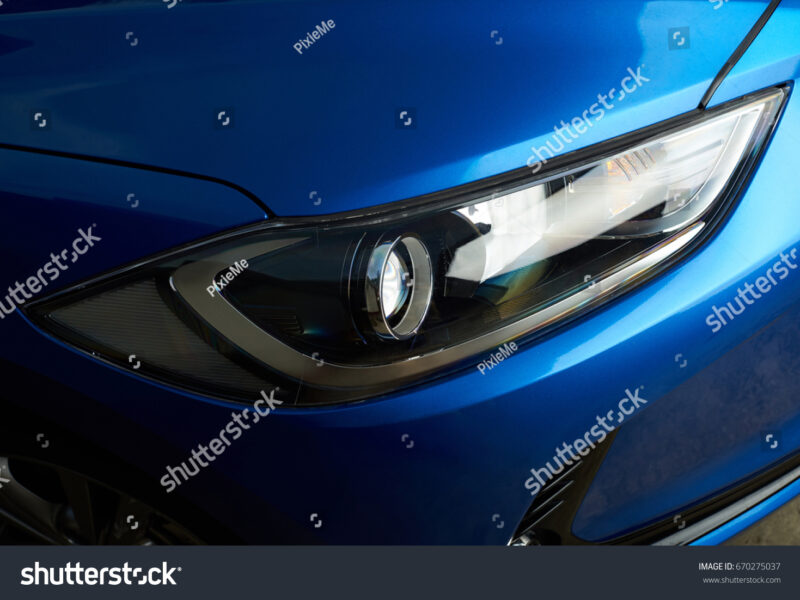
Have you ever noticed your car’s headlights becoming dull and yellowed over time? This common issue, known as headlight yellowing or haze, affects the vehicle’s safety and visibility on the road. The transformation occurs when transparent polycarbonate plastic lenses lose their clarity, leading to diminished light output—a critical factor for nighttime driving. The material, favored for its lightweight and impact-resistant properties, is prone to degradation, compromising both function and appearance.
What Causes Car Headlights to Turn Yellow?
The yellowing of car headlights primarily stems from exposure to ultraviolet (UV) rays, oxidation, and abrasion from environmental contaminants. These factors work in unison, degrading the polycarbonate material and reducing its transparency. This isn’t just an aesthetic problem; the resulting haze signifies a material breakdown that puts your safety at risk.
How Does Polycarbonate Degradation Contribute to Headlight Haze?
Polycarbonate lenses are particularly vulnerable to photodegradation when subjected to high-energy UV radiation. The interaction triggers a chain reaction where UV photons disrupt the molecular bonds in the plastic, leading to the formation of free radicals. These radicals react with oxygen, resulting in chromophores—molecules that absorb light at specific wavelengths, creating that familiar yellow tint. Scratches and roughness on the surface further scatter light, manifesting as haze.
Observable Effects of Headlight Yellowing on Vehicle Performance and Safety
The effects of headlight yellowing extend far beyond unsightliness; they critically impair visibility and driving safety. A yellowed lens can block up to 70% of the light emitted by the bulb, making it perilous to drive at night. This diminished visibility heightens the risk of accidents, as it reduces reaction time when encountering obstacles or pedestrians.
In addition to safety concerns, yellowed headlights can detract from your vehicle’s overall appearance, leading to an impression of neglect and potentially diminishing resale value. Maintaining your vehicle’s components, including headlights, is vital for both safety and aesthetics—similar to the risks associated with neglecting other key parts, such as the air filter.
How to Prevent Headlight Haze and Restore Clarity
Preventing headlight haze begins with proper maintenance of the factory-applied UV coating and regular cleaning. Restoration, on the other hand, typically involves a more detailed process that includes both mechanical and chemical treatments. The transparent coating applied to new headlights contains UV inhibitors that safeguard the underlying polycarbonate. Once this layer degrades, the headlights are at risk of yellowing at an accelerated pace.
Prevention Strategies for Headlight Yellowing
- UV Protective Coatings: Always apply a high-quality, automotive-grade clear coat or specialized sealant with UV protection after cleaning or restoration. This acts as a barrier against UV damage and other environmental factors.
- Regular Cleaning: Wash your headlights regularly with car-safe soap to eliminate dirt, grime, and residues that may accelerate degradation.
- Parking Practices: Parking in shady areas or garages reduces prolonged exposure to harmful UV rays, significantly slowing down the yellowing process.
Headlight Restoration Techniques
Restoring the clarity of yellowed headlights involves a meticulous approach:
- Sanding: Begin with wet-sanding the lens using progressively finer grits of sandpaper (e.g., 400, 800, 1500, 2000, 3000) to remove the oxidized layer.
- Polishing: Post-sanding, utilize a plastic polishing compound with a buffing pad to refine the surface and restore optical clarity.
- Clear Coat Application: Finish the restoration with a new UV-resistant clear coat or sealant. This crucial step protects the plastic from future degradation. Neglecting this can lead to rapid yellowing again.
Restoring headlight clarity is not only a safety measure; it also presents an opportunity for performance upgrades. Many car owners opt to upgrade their headlights to LED post-restoration, enhancing illumination and modernizing the vehicle’s profile.
Comparison of Headlight Lens Materials and Degradation Factors
| Feature | Polycarbonate (Modern Lenses) | Glass (Older Lenses) | Acrylic (Some Aftermarket) |
|---|---|---|---|
| Primary Material | Thermoplastic Polymer | Amorphous Solid (Silica) | Thermoplastic Polymer |
| Durability/Impact | High impact resistance, shatter-resistant | Brittle; shatters on impact | Moderate impact resistance |
| UV Degradation | Highly susceptible to yellowing/hazing | Very low susceptibility | Moderate susceptibility to hazing |
| Scratch Resistance | Low (requires hard coat for protection) | High | Low |
| Weight | Low | High | Low |
| Restoration Potential | High (sanding, polishing, re-coating) | None (typically requires replacement) | High (polishing) |
Frequently Asked Questions About Headlight Yellowing
What is the best way to clean hazy headlights at home?
The optimal method for cleaning hazy headlights involves a multi-step process. Start with thorough washing, followed by wet-sanding with fine-grit sandpaper, then polishing with a specialized plastic compound, and critically, applying a UV-resistant clear coat or sealant for enduring protection. Many DIY kits available on the market contain the necessary materials.
How long does headlight restoration typically last?
The durability of headlight restoration is heavily contingent on the quality of the UV clear coat applied afterward, alongside the environmental conditions. Without a proper UV protectant, restored headlights may begin to yellow within months. However, a high-quality, professionally applied clear coat can extend the lifespan of restoration to several years, typically between 1 to 5 years.
Is it possible to prevent headlights from yellowing completely?
Completely averting headlight yellowing is challenging due to inevitable exposure to UV rays and environmental elements. Nevertheless, proactive strategies can significantly delay the yellowing process. These include parking in shaded areas, regular cleaning, and periodic application of UV-resistant sealants or waxes. Notably, applying a durable clear coat immediately after any restoration offers the best line of defense.