Selective Catalytic Reduction (SCR) is a sophisticated aftertreatment system critical for significantly reducing nitrogen oxide (NOx) emissions from diesel engines. This advanced technology injects a urea-based liquid reductant, widely known as Diesel Exhaust Fluid (DEF) or AdBlue, directly into the exhaust stream. The process facilitates the conversion of harmful NOx into harmless nitrogen (N2) and water (H2O), rendering diesel engines compliant with stringent global environmental regulations and contributing to improved air quality. The adoption of SCR technology is paramount across automotive and heavy-duty sectors, driven by evolving emissions standards and a growing emphasis on environmental sustainability. Recent market data indicates a surge in SCR system demand, prompted by regulatory pressures and a transition to greener technologies in vehicular design.
What is Diesel SCR Technology?
Selective Catalytic Reduction (SCR) is a post-combustion exhaust gas treatment process specifically engineered to mitigate nitrogen oxide (NOx) emissions from diesel engines. NOx is a significant air pollutant, contributing to smog, acid rain, and respiratory health issues. SCR has become an indispensable component for vehicles to meet strict worldwide environmental mandates, such as the US EPA Tier 4 standards and European Euro VI/VII regulations. The system operates with high efficiency, allowing diesel engines to achieve substantial reductions in NOx emissions while optimizing fuel economy.
How Does a Diesel SCR System Function?
The operational principle of a diesel SCR system involves the precisely controlled injection of Diesel Exhaust Fluid (DEF) into the exhaust conduit. DEF, a mixture of 32.5% high-purity urea and 67.5% deionized water, decomposes upon contact with hot exhaust gases, generating ammonia (NH3). This ammonia acts as a reducing agent engaging in a selective reaction with NOx present in the exhaust stream.
This chemical transformation occurs on the surface of a specialized SCR catalyst, which facilitates the conversion of NOx into inert molecular nitrogen (N2) and water vapor (H2O). The efficiency of this process is substantial, capable of achieving NOx conversion rates of up to 90%. The engine’s Electronic Control Unit (ECU) meticulously manages DEF injection based on data from various sensors (exhaust temperature, engine load, NOx concentrations) to optimize the reaction, ensuring compliance with regulatory requirements. Modern SCR systems frequently integrate with Diesel Oxidation Catalysts (DOCs) for enhanced exhaust gas conditioning and Diesel Particulate Filters (DPFs) to manage particulate emissions effectively.
What Are the Key Components of a Diesel SCR System?
A diesel SCR system comprises several interconnected components working synergistically to achieve effective NOx reduction. Each element’s seamless integration and proper functioning are vital for the overall system’s efficiency. The following table outlines the major components, their functions, and technical specifications:
| Component | Function | Key Technical Specifications |
|---|---|---|
| DEF Tank | Stores the Diesel Exhaust Fluid (urea and deionized water). | Features a heating element to prevent freezing at -11°C (12°F); includes level and quality sensors. Tank capacities vary by application, typically ranging from 10 to 50 liters. |
| DEF Injector/Dosing Module | Precisely meters and sprays DEF into the exhaust gas flow. | Electronically controlled for optimized atomization and exhaust gas mixing, allowing for adjustable injection ratios based on real-time engine demands. |
| SCR Catalyst | Facilitates the chemical reaction converting NOx to N2 and H2O. | Typically made of materials like zeolites (copper, iron-based) or vanadium compounds, designed for optimal operation within a temperature range of 200-450°C (392-842°F) for maximum efficiency. |
| NOx Sensors | Measure NOx concentration upstream and downstream of the catalyst. | Provide critical data to the ECU for dynamically adjusting DEF injection and monitoring system efficiency in real-time. |
| Temperature Sensors | Measure exhaust gas temperatures. | Ensure exhaust gases are within the optimal range for DEF decomposition and catalytic reaction, contributing to the effective operation of the SCR system. |
| Electronic Control Unit (ECU) | Manages the overall operation of the SCR system. | Processes sensor inputs and coordinates DEF injection, DPF regeneration, and other aftertreatment functions for optimized performance. |
| Diesel Oxidation Catalyst (DOC) | Oxidizes carbon monoxide (CO), hydrocarbons (HC), and soot. | Often positioned upstream of the SCR catalyst to condition exhaust gases and remove excess oxygen that could hinder the reaction. |
| Diesel Particulate Filter (DPF) | Traps and removes soot particles from the exhaust. | Requires periodic regeneration (passive or active) to burn off accumulated soot, ensuring continuous performance. |
What Are the Environmental Benefits and Regulatory Drivers for Diesel SCR Adoption?
The primary environmental advantage of diesel SCR technology lies in its substantial reduction of nitrogen oxide (NOx) emissions, a key air pollutant. SCR systems can eliminate up to 90% or more of NOx, significantly improving air quality and mitigating smog and acid rain formation. Furthermore, SCR can enhance fuel efficiency by 3-6% while reducing emissions of hydrocarbons (HC) and particulate matter (PM) through optimized engine combustion.
Strict regulatory frameworks are the principal impetus for SCR system implementation. Mandates such as Euro VI (introduced in 2014 for new heavy-duty vehicles in Europe) and EPA 2010 for heavy-duty engines in the US, have established stringent limits for NOx emissions. Following these regulations, the forthcoming Euro 7 is expected to further tighten emission controls, pushing for enhanced compliance across the industry.
How Does Diesel SCR Compare to Other Emission Control Technologies?
Diesel SCR technology is distinct from other emission control methods, such as Exhaust Gas Recirculation (EGR) and Diesel Particulate Filters (DPF). EGR reduces NOx by lowering internal combustion temperatures but may impact engine efficiency or increase particulate emissions. Conversely, DPFs focus on physically capturing soot and particulate matter.
SCR uniquely offers the efficient conversion of NOx to nitrogen and water without significantly altering engine combustion or DPF operation. This specialization allows for engine optimization for better fuel economy while meeting stringent NOx regulations. Consequently, modern diesel systems commonly integrate EGR, DPF, and SCR to create a comprehensive aftertreatment strategy. The development of Ammonia Slip Catalysts (ASCs) further aids in managing any residual ammonia emissions, ensuring compliance with environmental standards.
What Are the Maintenance Considerations for a Diesel SCR System?
Primary maintenance for a diesel SCR system revolves around consistent replenishment of Diesel Exhaust Fluid (DEF) and component inspection. DEF consumption varies by vehicle type and usage; typically, passenger cars may require refills every 5,000 to 10,000 miles (approx. 8,000 to 16,000 km). It is crucial to use only DEF that meets ISO 22241 standards to prevent crystallization or system damage, which could lead to costly repairs. DEF has a limited shelf life and requires proper storage conditions, typically between 0°C and 30°C (32°F to 86°F).
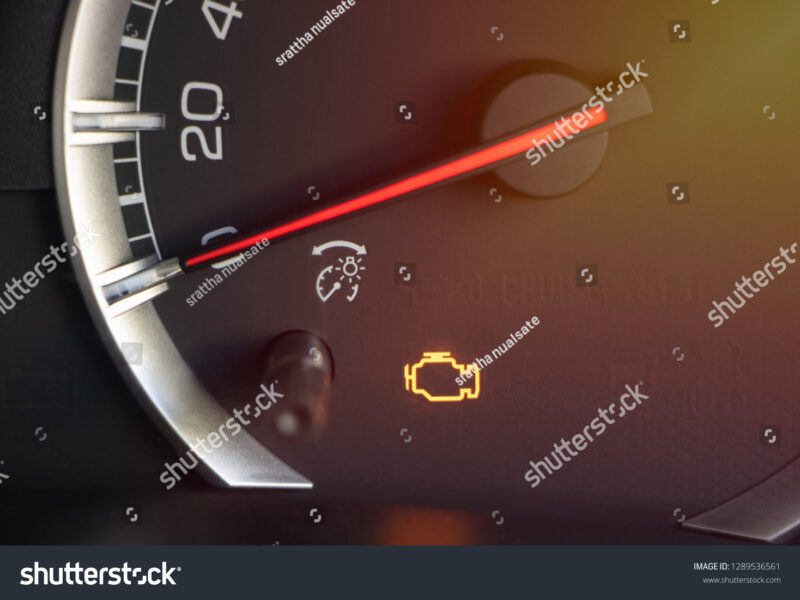
SCR system components, such as NOx sensors and the dosing module, require monitoring. If the ECU detects an anomaly, a dashboard warning light will activate. Ignoring these alerts can lead to degraded engine performance modes (limp mode) or even prevent the vehicle from starting. Proactive maintenance and prompt attention to system alerts are crucial for ensuring the longevity and efficiency of the SCR system.
Frequently Asked Questions about Diesel SCR Systems
- Is DEF the Same as AdBlue for Diesel SCR Systems?
- Yes, DEF (Diesel Exhaust Fluid) is the North American designation for the same standardized product known as AdBlue in Europe and other regions. Both are aqueous urea solutions with a concentration of 32.5% high-purity urea and 67.5% deionized water, manufactured under strict quality standards (ISO 22241) to ensure efficacy and prevent system damage.
- How Often Does DEF Need to Be Refilled in a Diesel SCR Vehicle?
- DEF refill frequency depends on tank capacity, engine size, fuel efficiency, and operating conditions. For light-duty vehicles, refills are typically needed every 8,000 to 16,000 km. Heavy-duty vehicles, such as trucks and buses, consume DEF at a higher rate and require more frequent refills. The system usually provides ample warning when the DEF level is low.
- Can a Diesel SCR Vehicle Operate Without DEF?
- No, modern diesel vehicles equipped with SCR systems are designed to operate correctly only with an adequate DEF level. If the DEF level drops below the minimum threshold or if the system detects a fault, the ECU will activate progressive warnings, limit engine power, and ultimately prevent the vehicle from starting until the issue is resolved (by refilling DEF or repairing the fault). This ensures continuous compliance with emission regulations.
- What is the Average Cost of Implementing an SCR System?
- The implementation cost of an SCR system can vary significantly based on vehicle type, manufacturer, and system complexity. While it represents an additional initial investment compared to non-SCR vehicles, it is deemed a cost-effective long-term solution due to improved fuel efficiency and, crucially, the necessity of meeting increasingly stringent emission standards. The cost of individual components ( catalytic converter, tank, injectors) and DEF also contributes to the overall operational expense.
Market Dynamics and Future Trends in SCR Technology
The global market for diesel SCR catalysts is experiencing substantial growth, with projections indicating a Compound Annual Growth Rate (CAGR) of 8.3% from 2024 to 2030. The broader SCR system market is anticipated to reach USD 21 billion by 2030. Specifically, the automotive SCR system market was valued at USD 8.86 billion in 2023 and is forecasted to reach USD 20.87 billion by 2032, exhibiting a CAGR of 11.30%. Another projection estimates the market at USD 15.59 billion in 2025, growing to USD 26.57 billion by 2034, with a CAGR of 6.1%.
Key drivers fueling this expansion include increasingly stringent emission regulations worldwide (e.g., EPA Tier 4, Euro 6/7, China VI, BS VI), a growing automotive and heavy-duty vehicle sector, and heightened environmental awareness among consumers and manufacturers alike. The Asia Pacific region is expected to lead both in market size and growth, driven by robust manufacturing capabilities and stringent emission standards, particularly in China. North America’s market is also significant, impacted by EPA compliance requirements, especially in heavy-duty trucking.
Future innovations in SCR technology are focusing on advanced catalyst materials, such as copper-zeolite, for enhanced NOx conversion rates and durability across diverse operating conditions. Integration with hybrid powertrains and the development of smart, connected SCR systems capable of self-diagnosis and performance optimization are emerging trends. Research into SCR performance with alternative fuels and advancements like Low-Temperature SCR (LO-SCR) for improved cold-start efficiency are shaping the technology’s evolution. Continuously tightening global emission standards will necessitate ongoing innovation in SCR systems.