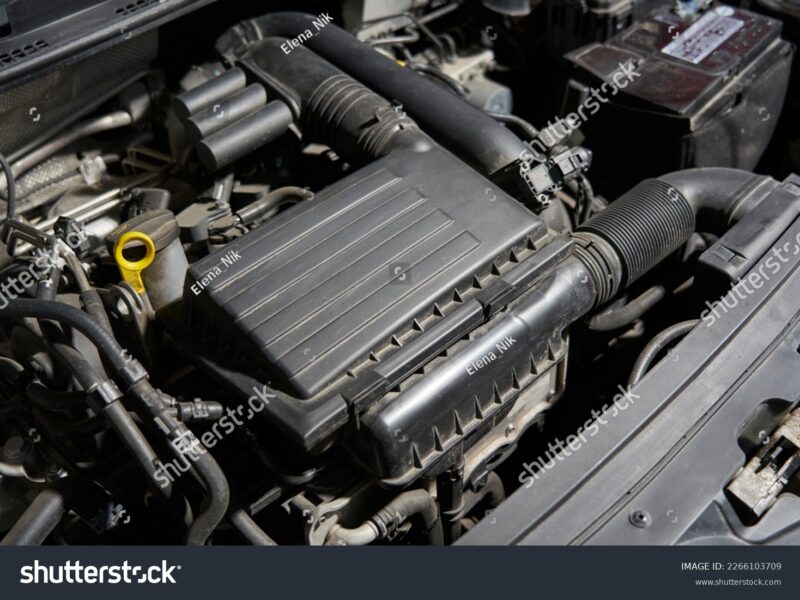
The engine air filter plays an indispensable role in your vehicle’s internal combustion engine system. Its primary purpose is to purify the air that enters the engine, ensuring optimal fuel combustion and protecting critical engine components. By filtering out airborne contaminants like dust, dirt, and insects, the air filter guarantees that the engine receives the clean oxygen necessary for efficient operation and longevity.
What is the Primary Function of an Engine Air Filter?
At its core, the engine air filter serves to protect the engine from harmful particles that could jeopardize its performance. It ensures a consistent flow of clean air needed for the combustion process, maintaining the ideal air-fuel mixture crucial for engine efficiency and power. Without this essential function, your engine’s output would suffer, adversely affecting fuel efficiency (MPG) and overall performance.
Modern internal combustion engines thrive on a precise air-to-fuel ratio, typically 14.7 parts of air to every 1 part of fuel. The air cleaner traps any particulates before they reach the engine’s cylinders, safeguarding vital components like pistons and cylinder walls from abrasive damage. Unrestricted airflow is crucial for the engine to “breathe” adequately and deliver maximum power.
How Does a Dirty Air Filter Impact Engine Performance and MPG?
A dirty air filter severely restricts airflow, leading to diminished engine performance and a significant drop in miles per gallon (MPG). When the engine’s air intake is compromised by a clogged filter, the Engine Control Unit (ECU) compensates by injecting extra fuel to maintain performance, creating a “rich” air-fuel mixture that can result in incomplete combustion.
This imbalance forces the engine to work overtime, consuming excess fuel to maintain the same power output. Common symptoms of a clogged filter include sluggish acceleration, diminished horsepower, and a noticeable delay in engine responsiveness. Additionally, a dirty air filter can elevate exhaust emissions, lead to rough idling, and—most alarmingly—trigger the Check Engine Light (CEL).
What is the Relationship Between Airflow Restriction and Fuel Consumption?
Airflow restriction, caused by a dirty engine air filter, substantially increases fuel consumption. The engine’s computer system (ECU) relies on various sensors, such as the Mass Air Flow (MAF) sensor, to assess how much air is entering the engine. A clogged filter reduces airflow, misleading the MAF sensor into signaling that there isn’t enough air, which prompts the ECU to inject more fuel, resulting in a richer fuel mixture.
This rich mixture creates inefficient fuel burning, leading to increased fuel consumption without a corresponding boost in power, ultimately decreasing overall fuel economy. This issue is especially pronounced in modern fuel-injected vehicles.
What are the Measurable Effects of a Clogged Air Filter on Fuel Economy?
The measurable repercussions of a clogged air filter on fuel economy include a notable reduction in MPG and escalating fuel costs. While carbureted engines used to experience more dramatic declines, modern fuel-injected vehicles can still see a 2-6% decrease in fuel economy due to a dirty air filter, with some estimates suggesting reductions of up to 10% for severely clogged filters.
This translates to higher annual fuel expenses for drivers. Beyond impacts on fuel economy, a restricted air filter can result in performance issues such as sluggish acceleration and diminished engine responsiveness. Neglecting filter maintenance can lead to significant wasted fuel, potentially costing hundreds of dollars each year.
| Attribute | Clean Engine Air Filter | Dirty Engine Air Filter |
|---|---|---|
| Airflow to Engine | Optimal and Unrestricted | Restricted and Reduced |
| Air-Fuel Ratio | Balanced (e.g., 14.7:1) | Imbalanced (Fuel-rich) |
| Fuel Efficiency (MPG) | Maximized | Reduced (2-10% decrease) |
| Engine Performance | Optimized (Power & Acceleration) | Degraded (Sluggish, Reduced Power) |
| Emissions | Lowered | Increased (Incomplete Combustion) |
| Engine Longevity | Extended (Protected components) | Compromised (Increased wear from contaminants) |
How Often Should an Engine Air Filter be Replaced for Optimal Fuel Efficiency?
To ensure your vehicle maintains optimal fuel efficiency and engine health, engine air filters should be replaced every 12,000 to 15,000 miles or at least annually, whichever comes first. However, this frequency can vary based on driving conditions. Cars operating in dusty environments, heavy traffic, or regions with high pollution may require more frequent changes. Always consult your vehicle’s owner manual for specific manufacturer recommendations. For tips on when to change your filter, you can refer to our Easy Steps: Your Complete Air Filter Installation Guide.
What are the Benefits of Maintaining a Clean Engine Air Filter?
Keeping your engine air filter clean yields numerous benefits, such as improved fuel efficiency, a longer engine lifespan, reduced emissions, and enhanced performance. A clean filter enables the engine to receive the optimal amount of air, facilitating efficient fuel combustion and maximizing miles per gallon. Moreover, this appropriate airflow prevents the engine from overworking, aiding in the longevity of its components.
Additionally, a clean air filter significantly contributes to lowering harmful exhaust emissions by ensuring complete fuel combustion. You’ll also experience enhanced engine responsiveness and improved acceleration, thanks to an unrestricted intake system. For a deeper dive into filter types and their impact on performance, consider reading our article: Are Expensive Air Filters Worth the Investment? A Cost-Benefit Analysis of HVAC Filtration.
Does replacing an air filter really improve MPG?
Absolutely! Replacing a dirty engine air filter can improve your vehicle’s MPG by reinstating the proper air-fuel balance necessary for efficient combustion. While modern fuel-injected engines are designed to adapt to some degree of airflow restriction, they can still suffer a 2-6% decrease in fuel economy with a clogged filter. By ensuring an ideal air supply, the engine consumes less fuel to produce the power you need, ultimately enhancing mileage.
How can I tell if my car’s air filter is dirty?
Several indicators can reveal a car’s air filter needs replacement. Look for signs such as reduced fuel economy, sluggish acceleration, decreased horsepower, and unusual engine noises like popping or coughing. Occasionally, the Check Engine Light may activate. A simple visual inspection often shows a darkened or clogged filter. Pay attention to excessive black smoke from the exhaust, particularly in diesel engines, as this can indicate a critically restricted filter.
Can a dirty air filter cause engine damage?
Yes, a severely dirty air filter can lead to engine damage over time. The primary risk is that a clogged filter may permit unfiltered dirt, dust, and debris to bypass the media and enter the combustion chamber. These abrasive contaminants can cause significant wear on internal engine components, such as cylinders and pistons, potentially resulting in costly repairs and diminishing the engine’s lifespan. Moreover, the rich air-fuel mixture due to restricted airflow can create carbon deposits on spark plugs, leading to misfires and potential damage to other emissions control components.