Imagine stepping into a vehicle that feels more like a personal assistant than a mere mode of transport. Advanced automotive infotainment systems are at the forefront of this revolution, integrating seamless digital platforms that not only control navigation and communication but also offer a wealth of entertainment and personalized vehicle settings. These systems are designed to serve as the central human-machine interface, elegantly consolidating diverse functionalities into user-friendly displays and innovative control methods.
What Defines an Advanced Automotive Infotainment System?
At the heart of an advanced automotive infotainment system lies a blend of sophisticated hardware and intelligent software, all connected effortlessly to create a truly immersive digital environment. Key components such as high-resolution touchscreens, robust processors, and cutting-edge input methods—including voice and gesture controls—are what set these systems apart.
These digital marvels manage an array of features, from audio experiences and communications to navigation, ensuring drivers and passengers stay connected and entertained. Real-time traffic updates and smartphone mirroring are just the beginning; many modern infotainment platforms leverage the power of artificial intelligence (AI) to provide personalized experiences and implement over-the-air (OTA) updates to ensure continuous improvement and security.
What are the Key Features of Leading Infotainment Systems in New Cars?
The most sought-after infotainment systems in contemporary vehicles boast an impressive suite of features designed to enhance safety, convenience, and enjoyment. With large, responsive touchscreen displays, advanced voice control with natural language understanding, augmented reality navigation, and comprehensive smartphone integration, these systems elevate the driving experience to unprecedented heights.
Connectivity options are equally impressive, encompassing Bluetooth, Wi-Fi hotspots, and emerging 5G capabilities, ensuring uninterrupted access to online services and applications. Many of these systems also support multi-display configurations, integrating digital instrument clusters and rear-seat entertainment monitors, while extensive personalization options through user profiles cater to individual preferences.
How do User Interface and User Experience Impact Infotainment System Performance?
The interplay between User Interface (UI) and User Experience (UX) is critical in determining the performance and overall satisfaction associated with infotainment systems. An intuitive design with clear graphics, logical menu structures, and easily accessible functions is essential for minimizing driver distraction and enhancing engagement.
Systems like BMW iDrive 8.5 and Mercedes-Benz MBUX lead the way by emphasizing a streamlined home screen that allows for quick access to essential menus. The incorporation of responsive touch, gesture, and voice controls, coupled with haptic feedback and customizable layouts, transforms the user experience into one that is both engaging and tailored to individual users.
Which Automotive Brands Offer the Best Infotainment Systems in New Models?
Automakers are increasingly distinguishing themselves through state-of-the-art infotainment systems that marry advanced technology with user-centric design. Continuous improvements through software updates and hardware enhancements ensure that these systems remain competitive.
The following table compares notable infotainment systems based on their distinguishing features:
| Infotainment System | Key Features | Display Size (Typical) | Control Methods |
|---|---|---|---|
| Mercedes-Benz MBUX | AI-powered voice control (“Hey Mercedes”), Augmented Reality navigation, MBUX Hyperscreen option, user profiles, OTA updates. | Up to 56 inches (Hyperscreen) | Touchscreen, touchpad, steering wheel controls, voice, gesture. |
| BMW iDrive 8.5 | Augmented Reality navigation, QuickSelect menu, comprehensive customization, integrated gaming/streaming, 5G connectivity, OTA updates. | 12.3-inch instrument cluster + 14.9-inch control display (Curved Display) | Touchscreen, rotary controller, voice, gesture. |
| Stellantis Uconnect 5 | Android OS-based, five-times faster processing, multiple display support, wireless Apple CarPlay/Android Auto, Alexa integration, user profiles, OTA updates. | Up to 12.3 inches (single) or multiple screens. | Touchscreen, voice. |
| Tesla Infotainment | Large central touchscreen, continuous OTA updates, integrated navigation with charging route optimization, extensive media/entertainment options, voice commands. | 15-inch or 17-inch. | |
| Porsche Communication Management (PCM) | High-resolution touchscreen, real-time traffic, Google Earth overlays, smartphone integration (Apple CarPlay/Android Auto), customizable home screen, Voice Pilot. | 10.9-inch or 12.3-inch. | Touchscreen, physical buttons, voice control (Voice Pilot), gesture. |
| Google Built-in (Volvo, GM, Ford, Nissan) | Native Google Assistant, Google Maps, Google Play Store integration, real-time traffic, EV charging station identification. | Varies by manufacturer (e.g., Volvo, GM, Ford, Nissan). | Voice (Google Assistant), touchscreen. |
What are the Technological Advancements Driving Modern Infotainment?
Modern infotainment systems thrive on technological advancements, fueling enhanced processing power, sophisticated connectivity, and the integration of artificial intelligence. These systems employ high-performance processors known to rival gaming-grade chipsets, ensuring instantaneous response times and the smooth operation of complex graphics and applications.
One of the cornerstone features is Over-the-Air (OTA) updates, which allow automakers to push software improvements, bug fixes, and entirely new features directly to vehicles, thus extending functionality and improving safety throughout the vehicle’s lifespan. Updates can range from infotainment enhancements to critical driving performance and safety system upgrades.
Artificial intelligence plays a pivotal role, offering predictive capabilities that personalize climate control, media selections, and navigation based on the driver’s habits. Additionally, augmented reality (AR) navigation technology enhances safety and guidance by overlaying directional prompts directly onto the live view of the road.
How Does Smartphone Integration Enhance the Infotainment Experience?
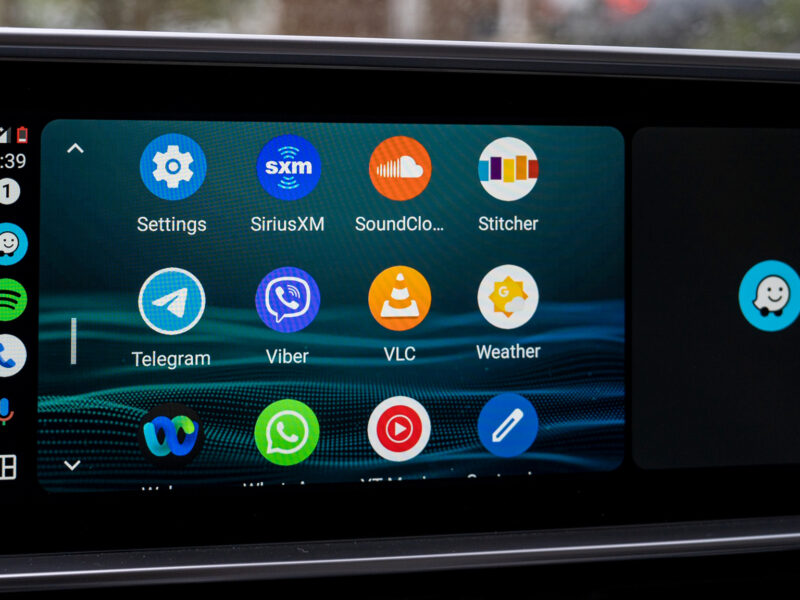
Smartphone integration via Apple CarPlay and Android Auto significantly enriches the infotainment experience. By mirroring familiar smartphone interfaces onto the vehicle’s display, drivers can effortlessly access navigation, music, messaging, and calls—all in a hands-free manner that minimizes distractions.
The trend toward wireless connectivity is becoming increasingly prevalent, opting for the convenience of eliminating USB cables. Many advanced systems now support simultaneous Bluetooth connections for multiple devices, enhancing flexibility for both drivers and their passengers.
What Future Trends Will Shape Automotive Infotainment Systems?
The future of automotive infotainment systems is poised for transformative changes, characterized by deeper AI integration, advanced immersive displays, and improved vehicle-to-everything (V2X) communication. Augmented reality displays are anticipated to advance further, projecting crucial information directly onto the windshield for the driver, thereby enhancing safety by minimizing the need to divert attention from the road.
Expect personalized AR experiences and wearables integration, introducing a new level of customization and interaction into the driving experience. The ongoing rollout of 5G connectivity will facilitate faster real-time data exchanges, supporting more sophisticated streaming services and advanced driver-assistance technologies. Moreover, the capability to remotely update vehicle software will remain crucial, ensuring systems are up-to-date and secure, while also minimizing depreciation.
For valuable insights into overall vehicle systems that enhance performance and maintenance, consider exploring essential topics like When to Replace Tires: Essential Signs for Optimal Vehicle Safety and Performance. Additionally, delving into discussions on subjects such as Is Nitrogen in Car Tires Worth It? A Deep Dive into Performance and Maintenance reveals how even the smallest details contribute to an integrated vehicle experience, which advanced infotainment systems are increasingly adept at monitoring.
What is the “Zero-Layer” interface in infotainment systems?
The “Zero-Layer” interface, showcased in systems like the MBUX Hyperscreen, revolutionizes user interaction by making core functions—media, climate, and navigation—immediately accessible on the home screen. This design minimizes navigation steps, improving user experiences while keeping driver distraction to a minimum.
Can infotainment systems receive significant feature upgrades after purchase?
Absolutely! Many modern infotainment systems are equipped to support Over-the-Air (OTA) updates, which allow manufacturers to deliver significant feature upgrades, software improvements, and security patches remotely. These updates can introduce exciting new applications, enhance existing functionalities, and even improve vehicle performance and safety features over time.
Are all infotainment systems compatible with both Apple CarPlay and Android Auto?
While the majority of new infotainment systems offer compatibility with both Apple CarPlay and Android Auto, either wired or wirelessly, this compatibility isn’t guaranteed across all models and trim levels. Some manufacturers may opt to provide only one or create proprietary systems that replicate similar functionalities. Nevertheless, the trend is shifting towards broader compatibility to cater to a diverse user base.