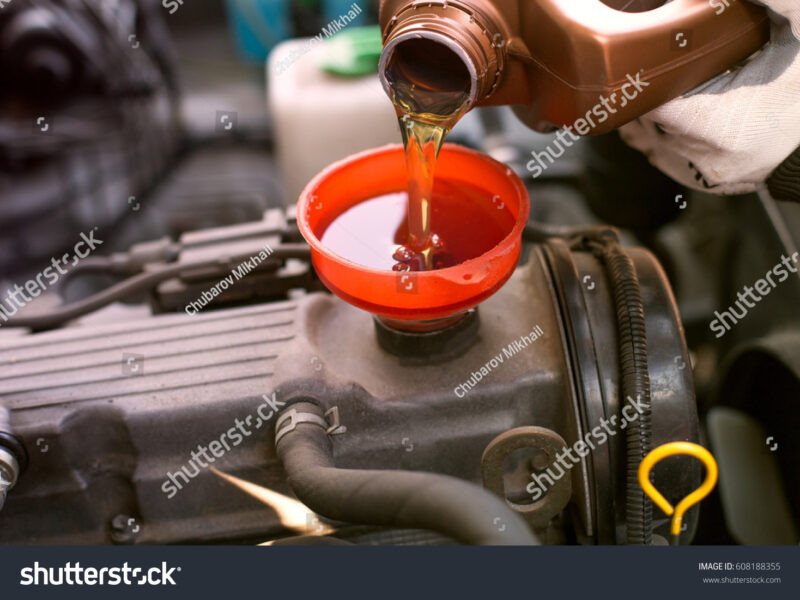
An oil filter serves as a vital safeguard in the lubrication system of an internal combustion engine, meticulously engineered to eliminate contaminants from the engine oil. By maintaining oil purity, it protects engine components from abrasive wear while ensuring peak operational efficiency.
What is an Oil Filter and How Does it Function?
At its core, an oil filter is a cylindrical canister filled with a filtration medium—typically made of paper or synthetic fibers. This medium captures harmful particles that circulate within the engine oil. As the engine runs, the oil pump forces the oil through the filter, where dirt, metal shavings, and soot are trapped, ensuring clean oil returns to lubricate the engine’s essential parts. Most oil filters are equipped with an anti-drain back valve, which prevents oil from draining out of the filter when the engine is off, guaranteeing immediate oil pressure upon startup.
Why are Oil Filters Essential for Engine Health?
The importance of oil filters cannot be overstated—they are crucial in mitigating premature engine wear from abrasive particles that lurk in engine oil. Without effective filtration, microscopic metal fragments and combustion byproducts would steadily abrade engine surfaces, leading to reduced performance and a shortened engine lifespan. A functioning oil filter allows for the continuous circulation of clean lubricant, essential for maintaining adequate film strength, dissipating heat, and achieving proper piston ring sealing.
What are the Different Types of Oil Filters Available?
Oil filters come in diverse types, categorized mainly by their filtration media and design. The most common varieties include cellulose filters, using paper-based media; synthetic filters, employing synthetic microfibers for superior filtration and flow; and blended filters, combining both materials. Additionally, filters can be classified as full-flow, bypass, or a combination system, while spin-on filters and cartridge filters remain widely used in the automotive world.
How Often Should You Replace Your Engine’s Oil Filter?
The replacement interval for an engine’s oil filter typically aligns with oil changes, as recommended by the vehicle manufacturer. Some manufacturers advocate replacing the filter with every oil change, while others suggest alternating intervals based on oil type (conventional versus synthetic) and driving conditions. Adhering to the maintenance schedule in the owner’s manual is vital for optimal engine protection. For instance, many modern vehicles recommend oil changes every 5,000 to 10,000 miles, with filter replacements occurring simultaneously.
What Factors Influence the Lifespan of an Oil Filter?
Several factors determine an oil filter’s lifespan, including the quality of the filter itself, the type and quality of engine oil used, and the vehicle’s operating conditions. Environments laden with dust, frequent short trips, or heavy towing can hasten contaminant accumulation, reducing filter effectiveness. Utilizing high-quality synthetic oil, which degrades slower, paired with a compatible filter designed for extended drain intervals, can significantly enhance filter life.
What is the Difference Between Full-Flow and Bypass Oil Filters?
A full-flow oil filter processes all the oil from the oil pump before it reaches the engine’s bearings and vital components, prioritizing high flow rates to ensure constant lubrication. Its filtration efficiency typically spans 20 to 30 microns for standard filters. Conversely, a bypass oil filter filters only a small percentage (usually less than 10%) of engine oil at a slower rate, achieving substantially higher efficiency—sometimes as fine as 1 to 3 microns. Bypass systems serve as supplements, removing finer particles that full-flow filters miss, thereby enhancing oil longevity and minimizing wear, particularly in heavy-duty applications.
Can I Use a “Better” or Aftermarket Oil Filter?
Choosing a high-quality aftermarket oil filter is generally acceptable and can enhance filtration efficiency and durability compared to standard OEM filters. Premium aftermarket filters often boast synthetic media, robust canister designs, and improved internal components like silicone anti-drain back valves. When selecting one, ensure it meets or exceeds your vehicle manufacturer’s specifications for micron rating, flow rate, and pressure relief valve settings to maintain engine warranty and performance. Much like selecting optimal materials for performance components, such as considering Copper vs. Steel Brake Lines, selecting the right oil filter is about understanding material benefits and compatibility.
What Do the Specifications on an Oil Filter Mean?
Oil filter specifications provide crucial information for compatibility and performance. Key specs include the thread size (e.g., M20x1.5 or 3/4-16 UNF), which must align with the engine block’s oil filter mount. The outside diameter and height determine the filter’s physical fitment. The bypass valve setting (in psi) indicates the pressure differential at which unfiltered oil bypasses the media to prevent oil starvation if the filter is clogged or during cold starts. The micron rating denotes the size of particles the filter captures; a lower rating suggests finer filtration. Lastly, the gasket diameter ensures a proper seal against the engine block.
| Media Type | Primary Material | Filtration Efficiency (Micron Range) | Typical Lifespan | Flow Rate |
|---|---|---|---|---|
| Cellulose (Standard) | Paper, Plant Fibers | 20-40 microns | Standard (3,000-5,000 miles) | Good |
| Synthetic | Synthetic Microfibers (e.g., Glass, Polyester) | 5-20 microns | Extended (7,500-20,000+ miles) | Excellent |
| Blended | Cellulose and Synthetic Mix | 10-25 microns | Moderate (5,000-10,000 miles) | Very Good |
What are the Signs of a Clogged or Failing Oil Filter?
A clogged or failing oil filter can present various symptoms that indicate compromised engine lubrication. A common red flag is the oil pressure warning light illuminating on the dashboard, signaling low oil pressure due to restricted flow through the filter. Additional indicators may include diminished engine performance, audible knocking or ticking sounds from the engine, and even increased exhaust smoke. In severe cases, a completely clogged filter may cause the bypass valve to open continuously, allowing unfiltered oil to circulate and inflicting rapid engine wear. Regular diagnostics can help detect these issues early, much like employing Essential Brake System Diagnostics Tools for other vehicle systems.
How Does an Oil Filter Contribute to Overall Vehicle Performance?
Oil filters play a pivotal role in overall vehicle performance by ensuring that the engine’s internal components receive consistently clean and quality lubrication. Clean oil minimizes friction and wear, allowing engine parts to operate freely and efficiently—factors that directly correlate with optimal power delivery and fuel economy. Furthermore, by preventing the buildup of sludge and deposits, the oil filter helps maintain specified operating temperatures, prolonging the life of critical engine components and bolstering vehicle reliability over time.
Oil Filter FAQs
What happens if I don’t change my oil filter?
Neglecting to change your oil filter leads to saturation with contaminants, which restricts oil flow and may trigger the bypass valve, allowing unfiltered oil to circulate—resulting in accelerated engine wear. Prolonged neglect can culminate in engine damage and premature failure.
Are all oil filters the same size?
No, oil filters vary in size, including differences in diameter, length, and thread specifications to fit various engine models and manufacturers. Always refer to your vehicle’s owner’s manual or a reliable parts catalog to identify the correct oil filter for your specific make and model.
Do premium oil filters make a difference?
Yes, premium oil filters can significantly enhance engine protection and prolong oil longevity. They generally feature higher-quality filtration media (such as synthetic), more robust construction, and superior internal components, allowing them to capture finer particles and maintain efficiency over longer periods—especially advantageous when using synthetic oils and extended drain intervals.