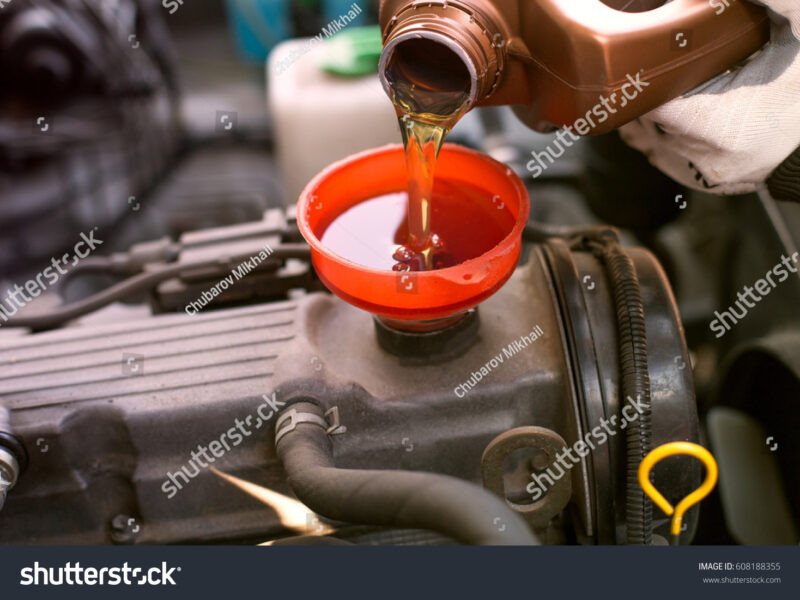
A spin-on oil filter serves as an essential component of your vehicle’s engine, meticulously designed to cleanse the engine oil. By capturing contaminants, it ensures that clean lubricant circulates throughout the internal combustion engine, prolonging its lifespan and efficiency. What sets it apart? This self-contained filtration device conveniently threads onto the engine block or oil filter housing, easing both installation and replacement.
What is the Function of a Spin-On Oil Filter?
The spin-on oil filter’s main purpose is to purify engine oil, effectively removing detrimental impurities such as dirt, metal particles, and sludge. Clean oil is essential for lubricating moving engine parts, reducing friction, and preventing wear and tear. Ultimately, this results in a significantly extended engine life.
As engine oil flows through the filter, the filtering materials—usually paper or synthetic fibers—trap harmful contaminants. The refined oil then makes its way back to the engine, ready to lubricate critical components like the crankshaft, connecting rods, camshaft, and piston rings. This ongoing filtration process serves as a shield against abrasive damage caused by debris, proving indispensable for a well-functioning engine.
What are the Key Components of a Spin-On Oil Filter?
At its core, a spin-on oil filter is an all-in-one unit, comprising various integrated components that work together to offer efficient oil filtration and safeguard your engine’s performance. Here’s a closer look at these essential elements:
- Steel Shell/Housing: This robust metal canister encases all internal filter components, providing structural integrity.
- Filter Media: Acting as the primary filtration material, this is typically made from cellulose (paper), synthetic fibers, or a blend of both, trapping contaminants as oil flows through.
- Center Tube/Core: A perforated tube that supports the filter media, allowing clean oil to flow back into the engine.
- Anti-Drainback Valve (ADBV): Often a rubber membrane, this valve prevents oil from draining out when the engine is off, ensuring immediate lubrication upon startup.
- Bypass Valve (Pressure Relief Valve): This safety feature activates if the filter is clogged or if the oil thickens, allowing unfiltered oil to bypass the media, thereby protecting the engine.
- Gasket: A crucial rubber seal located on the filter’s baseplate, creating a leak-proof connection between the filter and the engine block.
- Baseplate: The metal plate, fitted with inlet and outlet ports, directs oil flow and provides the mounting surface.
The Evolution of Oil Filters: Spin-On vs. Cartridge Designs
The journey of automotive oil filtration began with early engines that lacked filters, necessitating frequent oil changes. The first modern oil filter, the Purolator, emerged in 1923, adopting a cartridge-style design.
Fast forward to the mid-1950s, the spin-on oil filter made its debut, with WIX patenting the first commercially viable model in 1954. This innovative design, which combined filter media and housing into a single, disposable unit, revolutionized the industry with its ease of installation and mess-free replacement. By the late 20th century, spin-on filters had captured the market, becoming the preferred choice for consumer vehicles.
While recent trends suggest a shift back to cartridge-style filters for sustainability reasons—where only the filter element is replaced, reducing waste—spin-on filters continue to dominate, especially in vehicles manufactured before the early 2010s.
What are the Benefits of Using Spin-On Oil Filters?
Choosing a spin-on oil filter brings several advantages that are essential for maintaining engine performance:
- Ease of Installation and Replacement: Their screw-on design simplifies the oil change process, minimizing messes that can occur during the procedure.
- Improved Engine Performance: By efficiently removing harmful contaminants, these filters ensure that oil quality remains high, directly benefiting your engine’s performance.
- Sealed Design: The tightly sealed structure of spin-on filters helps prevent oil leaks, ensuring that lubrication remains optimal.
- Cost-Effectiveness: Generally more affordable than cartridge filters, spin-on filters provide a cost-effective solution for regular maintenance.
- Protection Against Contaminants: Effectively filtering dirt, debris, and sludge, spin-on filters keep harmful elements from circulating through the engine.
How to Properly Install a Spin-On Oil Filter
For optimal performance, ensuring the correct installation of a spin-on oil filter is crucial. Here’s how to do it step by step:
- Prepare the Vehicle: Make sure the engine is cold to avoid burns. Open the hood and remove the oil fill cap to assist with drainage.
- Drain Old Oil: Position an oil drain pan beneath the oil drain plug and remove the plug to drain the old oil.
- Remove Old Filter: Utilize an oil filter wrench to unscrew the old filter, ensuring the old gasket isn’t stuck.
- Clean Mounting Surface: Wipe the engine mounting base clean from any debris.
- Lubricate New Gasket: Apply a light film of clean engine oil to the rubber gasket of the new filter.
- Install New Filter: Screw the new filter onto the engine clockwise, tightening it according to manufacturer specifications. Avoid overtightening.
- Refill Engine Oil: Fill the crankcase with the appropriate type and amount of new engine oil.
- Check for Leaks: Start the engine and allow it to run briefly. Look for leaks around the new filter and drain plug.
Proper automotive maintenance, including the correct installation of oil filters, is vital for your vehicle’s longevity. Misalignment can lead to leaks, while overtightening can damage components.
Types of Filter Media in Spin-On Oil Filters
The effectiveness of an oil filter largely depends on its filtration media. Various materials provide different levels of efficiency and durability:
| Filter Media Type | Characteristics | Efficiency Notes |
|---|---|---|
| Cellulose (Paper) | Traditional, economical, made from wood pulp but weakens in water and high temperatures. | Good for general filtration; captures smaller particles well when constructed accurately. Less efficient than synthetic filters for extended use. |
| Synthetic (e.g., Microglass, Microfiber) | Made of thin fiberglass strands or other synthetic fibers; resistant to aging and high temperatures. | Superior flow and depth for trapping particles down to 1 micron, offering high durability and filtration efficiency. |
| Blended (Cellulose-Synthetic Blend) | Combines both cellulose and synthetic fibers for enhanced filtration. | Improves flow, holding capacity, and efficiency compared to traditional cellulose options. |
For optimal performance in modern engines—especially those requiring extended oil change intervals—high-quality synthetic or blended media filters are often recommended.
When Should You Replace Your Spin-On Oil Filter?
Regular replacement of the oil filter is vital for maintaining engine health and performance. Most manufacturers recommend changing the oil filter with every oil change.
Typical oil change intervals include:
- General Recommendation: Every 5,000 to 10,000 miles or at least once a year, depending on your vehicle type.
- Manufacturer’s Handbook: Always refer to your vehicle’s owner’s manual for specific recommendations, as these can greatly fluctuate.
- Driving Conditions: Under severe conditions (e.g., stop-and-go traffic or extreme temperatures), more frequent maintenance is necessary.
Neglecting oil filter maintenance can lead to clogged filters and insufficient oil flow, drastically increasing the risk of engine damage. Consistent oil quality not only enhances engine performance but can also improve fuel efficiency.
Understanding the importance of components like the spin-on oil filter is essential for proactive vehicle maintenance. Neglect can lead to financial setbacks, similar to how ignoring your brake pad wear sensors could result in costly repairs.
FAQ
How often should an oil filter be changed with synthetic oil?
Even when using high-quality synthetic oil, it’s advisable to replace the oil filter at every oil change. Contaminants from the older filter can compromise the new oil. While synthetic oil filters can often last longer—up to 10,000 miles—specific intervals should align with your vehicle manufacturer’s recommendations, typically ranging from 5,000 to 7,500 miles or annually.
What happens if a spin-on oil filter is installed too loosely or too tightly?
A loosely installed spin-on oil filter can cause oil leaks, which may lead to reduced engine performance and insufficient lubrication. On the other hand, overtightening can lead to damage to the filter housing, misalignment of the gasket, or stripped threads—all of which can result in leaks and complications during future maintenance. Proper installation involves hand-tightening until the gasket seals, then an additional ¾ to 1 full turn as per manufacturer guidelines.
Can a clogged oil filter cause low oil pressure?
Absolutely. A clogged spin-on oil filter can severely restrict oil flow, leading to low oil pressure. When the filter media is saturated, the bypass valve opens, allowing unfiltered oil to protect the engine. However, ongoing low oil pressure—even with the bypass open—signals a serious issue requiring immediate attention to avert extensive damage.