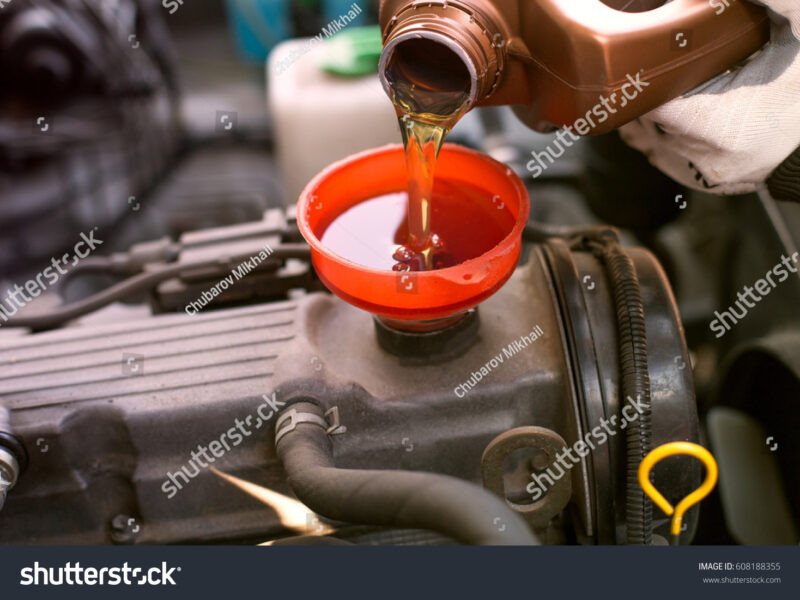
Imagine your vehicle’s engine working tirelessly, a robust machine designed to power your journeys. At the heart of this complex system lies a critical component: the oil filter. This unsung hero diligently removes contaminants from the engine oil, ensuring that only clean oil circulates, which is vital for protecting essential engine components. However, what happens when this filter becomes clogged? A restricted oil filter can severely impede the flow of oil, risking engine damage and compromising performance. Understanding the symptoms of a clogged oil filter and knowing how to respond can be the key to preserving your engine’s longevity.
What is the Primary Function of an Engine Oil Filter?
The engine oil filter serves a pivotal role in safeguarding your vehicle’s heart from harm. As engine oil circulates, it gathers harmful impurities like dirt, metal shavings, sludge, and combustion byproducts. If left unfiltered, these contaminants can cause extensive wear on moving parts such as bearings, camshafts, and pistons. The filter media—crafted from synthetic fibers or pleated paper—features microscopic pores designed to let clean oil flow through while trapping harmful particles. A healthy oil filter ensures optimal lubrication, minimizes friction, and effectively dissipates heat, allowing the engine to run smoothly. Without proper filtration, contaminated oil can turn abrasive, leading to heightened friction and the premature deterioration of engine components. Most modern engines utilize a full-flow filtration system, wherein all oil passes through the filter before reaching the essential parts, and some systems even include a bypass valve to prevent complete oil starvation in case of blockage.
What are the Causes of an Oil Filter Clogging?
Understanding the causes of oil filter clogging is essential for proactive vehicle maintenance. The primary culprits include the accumulation of contaminants, degradation of the filter media, and neglecting regular maintenance schedules. As engine oil continuously circulates, it captures dust, metal particles, and sludge, which the filter attempts to trap. Over time, these impurities saturate the filter media, diminishing its effectiveness and restricting oil flow.
- Contaminant Buildup: The foremost reason for a clogged filter is the accumulation of various particles in the oil, including dirt, metal shavings from engine wear, and sludge formed from oil breakdown and combustion byproducts. These particles gradually fill the filter’s pores.
- Extended Oil Change Intervals: Ignoring the manufacturer’s recommended oil and filter change schedule allows oil to become excessively dirty and thick, hastening the filter’s clogging process. Older oil contains more contaminants that the filter has to handle, accelerating its saturation.
- Poor Quality Oil or Filter: Utilizing subpar engine oil or an inferior oil filter can contribute to premature clogging. Low-quality filters may use less effective media or have a lower dirt-holding capacity, resulting in faster clogging and potential breakdown under engine stress.
What are the Observable Signs of a Clogged Oil Filter?
Recognizing the observable signs of a clogged oil filter is crucial, as these symptoms often surface as engine performance issues or dashboard warnings. Ignoring them can lead to serious consequences. A major warning sign is the activation of the oil pressure warning light on your dashboard, which indicates that oil pressure has dipped below a safe level—a situation that can arise from a severely clogged filter limiting oil circulation to key engine parts.
Additionally, you may experience a reduction in engine performance, such as sluggish acceleration or rough idling, as the engine struggles due to inadequate lubrication. An overheated engine is another red flag, as oil also plays a pivotal role in cooling by dissipating heat caused by internal friction—something a restricted flow hinders dramatically.
If you hear unusual engine noises like knocking, ticking, or metallic grinding, it indicates that engine components aren’t receiving adequate lubrication, leading to increased wear. Furthermore, if the engine oil appears thick, dark, or sludgy shortly after a change, it means contaminants aren’t being filtered effectively. In some scenarios, you might also notice dark or excessive exhaust fumes, as unfiltered contaminants could be burning in the combustion chamber.
Table: Common Signs of a Clogged Oil Filter and Their Implications
| Sign/Symptom | Primary Indication | Potential Engine Implication |
|---|---|---|
| Oil Pressure Warning Light On | Reduced oil pressure within the lubrication system. | Insufficient lubrication; risk of severe component wear or seizure. |
| Reduced Engine Performance | Compromised engine power, acceleration, or rough idling. | Increased friction and strain on engine components. |
| Unusual Engine Noises (Knocking, Ticking, Grinding) | Metal-on-metal contact due to inadequate lubrication. | Accelerated wear on bearings, camshafts, and other moving parts. |
| Engine Overheating | Ineffective heat dissipation from engine oil. | Potential for thermal damage, head gasket failure. |
| Dark/Dirty Engine Oil | Failure to remove contaminants from circulating oil. | Abrasive particles circulating, causing internal damage. |
| Excessive/Dark Exhaust Smoke | Contaminants burning in the combustion chamber. | Inefficient combustion, potential for engine damage. |
What Immediate Actions Should Be Taken for a Clogged Oil Filter?
If you suspect you have a clogged oil filter, immediate action is critical to prevent irreversible engine damage. The foremost step is to halt vehicle operation, especially if serious warning indicators—such as the oil pressure light or unusual engine sounds—are apparent. Continuing to drive can lead to catastrophic engine failure.
The primary solution is to replace the oil filter and perform an oil change. This process involves draining the old, contaminated oil and installing a new filter alongside fresh engine oil. Ideally, the oil filter should be changed at every oil change to ensure that the new oil remains clean and effective. Opting for a high-quality oil filter is crucial for optimal filtration and longevity. While you can inspect the filter yourself for signs of clogged oil, consulting a professional mechanic ensures accurate diagnosis and resolution of underlying contamination issues. Taking neglectful actions now could lead to significant engine damage, overheating, and, ultimately, catastrophic failure. For more comprehensive vehicle maintenance tips, consider resources such as Pro Diagnostics at Home: Essential Brake System Diagnostics Tools for DIY Troubleshooting.
How Does a Clogged Oil Filter Impact Engine Longevity?
A clogged oil filter can drastically shorten your engine’s lifespan by compromising lubrication, increasing friction, and accelerating wear on vital components. When oil flow is restricted, critical parts fail to receive adequate lubrication, leading to detrimental metal-on-metal contact and heightened friction. This creates excessive heat and quickens the deterioration of components such as bearings, camshafts, and crankshafts.
Moreover, if the bypass valve activates due to a severely blocked filter, unfiltered oil circulates throughout the engine. This carries abrasive particles that can scratch and score precision surfaces, contaminating new oil prematurely and exacerbating wear. Ignoring the telling signs, particularly the oil pressure warning light, risks irreversible damage or total engine seizure, resulting in costly repairs or complete engine replacement. Regular maintenance, including timely oil and filter changes, serves as a small yet invaluable investment to protect your engine’s core components and extend its operational lifespan.
Frequently Asked Questions (FAQs)
How often should an oil filter be replaced?
Typically, it is wise to replace the oil filter with every oil change to guarantee the new oil remains clean and effective. While some manufacturers suggest changing it every other oil change, especially with synthetic oils, many mechanics advocate for replacing the filter simultaneously with the oil change for superior engine health. Specific intervals may vary depending on the vehicle’s make and model, oil type (conventional vs. synthetic), and driving conditions—usually ranging from 5,000 to 10,000 miles or at least once a year. Always refer to your vehicle’s owner’s manual for the most accurate service recommendations.
Can I drive with a clogged oil filter?
While most oil filters come equipped with a bypass valve that allows unfiltered oil to circulate when severely clogged, driving with a clogged oil filter is strongly discouraged. Even though the bypass mechanism prevents immediate oil starvation, it means that dirty, abrasive oil is flowing through the engine, heightening wear and significantly increasing the risk of damage to internal components. Symptoms such as low oil pressure or unusual engine noises should not be ignored; they can lead to serious issues like engine overheating, reduced performance, and ultimately catastrophic failure. If you notice signs of a clogged filter, it is imperative to address the problem promptly to safeguard your engine’s longevity.
What is the difference between an oil change and an oil filter change?
An oil change entails draining the old, degraded engine oil from your vehicle’s system and refilling it with fresh, clean oil, which is essential for proper lubrication and heat dissipation. Conversely, an oil filter change specifically involves replacing the component responsible for trapping contaminants in the engine oil. Although these tasks are distinct, they are typically performed concurrently; running clean oil through a dirty old filter quickly reintroduces contaminants into the fresh oil, negating the oil change’s benefits. Replacing both guarantees that the engine receives both clean oil and effective filtration, ensuring comprehensive protection.