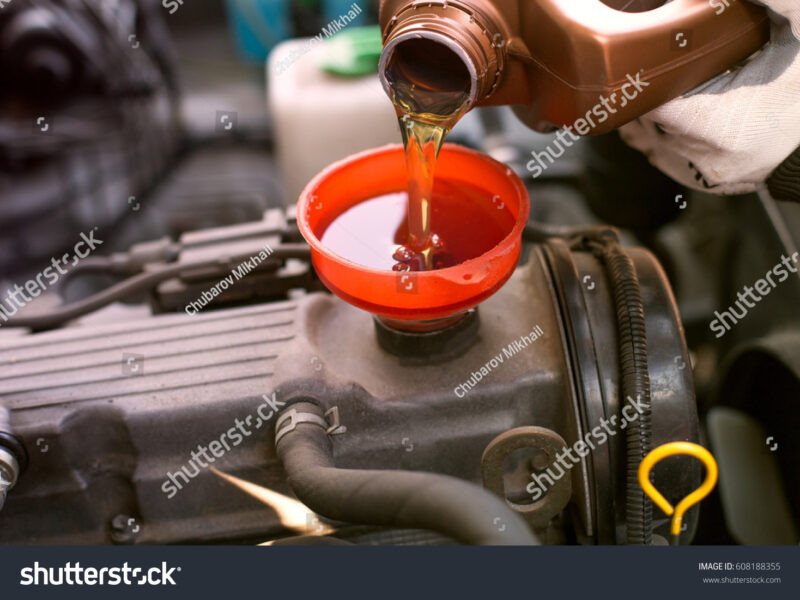
Synthetic oil filters are at the forefront of engine protection technology, meticulously engineered to satisfy the rigorous demands of today’s internal combustion engines. These advanced filters employ specialized synthetic media, which offers superior contaminant removal, enhances oil flow, and extends service intervals beyond those of traditional cellulose-based filters. Their primary role is to shield engine components from wear-inducing particles by efficiently purifying the lubricating oil, ultimately contributing to the engine’s overall health and longevity.
What Constitutes Synthetic Oil Filters?
Synthetic oil filters are distinguished by their innovative filtration media, typically made of synthetic fibers like polyester, nylon, or fiberglass, often combined with cellulose for added strength. This synthetic material ensures a more uniform pore size and greater filtration efficiency compared to conventional cellulose-only media. The design effectively captures microscopic contaminants—including dirt, sludge, and metal particles—down to extremely small micron sizes, all while maintaining optimal oil pressure. Their robust construction includes stronger housings, silicone anti-drain-back valves, and durable gaskets, significantly enhancing their performance and lifespan.
How Do Synthetic Oil Filters Differ from Traditional Cellulose Filters?
The key differentiator between synthetic and traditional oil filters lies in their filtration media and performance capabilities. Traditional filters primarily rely on cellulose paper, which, while functional for basic filtration, features irregular pore sizes and may degrade under extreme conditions. In contrast, synthetic media filters provide uniform, finer pores and greater structural integrity, promoting higher filtration efficiency, superior dirt-holding capacity, and improved resistance to saturation and breakdown when using synthetic motor oils. This distinction can profoundly affect engine protection and maintenance intervals.
| Feature | Synthetic Oil Filters | Traditional (Cellulose) Oil Filters |
|---|---|---|
| Filtration Media | Synthetic fibers (polyester, nylon, fiberglass blends) | Cellulose paper |
| Pore Size Consistency | Highly consistent, smaller pores | Irregular, larger pores |
| Filtration Efficiency | Superior (often >99% at specific micron ratings) | Standard (typically 80-90% at specific micron ratings) |
| Dirt-Holding Capacity | Significantly higher | Moderate |
| Flow Rate Capability | Excellent, even with high viscosity oils | Good, but can restrict with heavy contamination |
| Durability & Lifespan | Extended (up to 10,000-20,000 miles or more) | Standard (typically 3,000-7,500 miles) |
| Compatibility with Synthetic Oil | Optimized for full synthetic oils and extended drain intervals | Adequate for conventional and semi-synthetic oils, not ideal for extended drains |
| Cost | Higher initial cost | Lower initial cost |
What Are the Key Advantages of Synthetic Oil Filters for Modern Engines?
The advantages of synthetic oil filters for modern engines are rooted in their superior design and material science, addressing the challenges posed by today’s complex powertrains. These benefits include markedly enhanced filtration efficiency, extended service intervals, improved oil flow, and greater structural integrity. As modern engines operate at elevated temperatures and pressures, efficient oil filtration is crucial in preventing premature wear while maintaining peak performance. The capability of synthetic filters to capture smaller particles, often down to 20 microns or less, significantly enhances engine longevity and reduces the likelihood of costly repairs. With robust designs featuring thick canister walls and silicone gaskets, these filters effectively prevent leaks and blowouts under demanding conditions, echoing the need for reliability seen in high-performance applications, similar to selecting materials for Copper vs. Steel Brake Lines: Choosing the Best Material for Durability and Performance.
How Do Synthetic Oil Filters Contribute to Engine Longevity and Performance?
Synthetic oil filters play a vital role in extending engine longevity and enhancing performance through superior contaminant removal. This process minimizes abrasive wear on crucial engine components such as bearings, camshafts, and cylinder walls. By consistently filtering out harmful particles, they prevent these impurities from circulating in the engine’s lubrication system, thereby reducing friction and heat generation. Their high dirt-holding capacity allows for longer oil change intervals when combined with synthetic motor oil, providing sustained protection over extended periods. This continuous cleanliness helps maintain optimal engine efficiency, preserves horsepower, and prevents the degradation of vital oil additives. By ensuring a steady flow of clean oil, synthetic filters enable the engine to operate within its designed parameters, ultimately reducing internal stress and significantly increasing its operational lifespan, especially crucial for engines designed for High-Performance Driving, where precision and reliability are non-negotiable.
Are Synthetic Oil Filters Compatible with All Engine Types and Oils?
Synthetic oil filters are generally compatible with most modern engine types, including gasoline, diesel, and turbocharged engines, and are explicitly designed to maximize the performance and lifespan of full synthetic motor oils. While these filters can also be used with conventional or semi-synthetic oils, their maximum benefits—especially concerning extended drain intervals—are best achieved when paired with full synthetic lubricants. It is essential to select a synthetic oil filter that meets or exceeds the original equipment manufacturer (OEM) specifications for a particular vehicle model, ensuring proper fitment and system compatibility. Always consult the vehicle owner’s manual for specific filter requirements, as adhering to these guidelines helps maintain warranties and preserve engine integrity.
What Factors Should You Consider When Choosing a Synthetic Oil Filter?
When selecting a synthetic oil filter, consider several critical factors to ensure optimal engine protection and performance. These include the filter’s micron rating, indicating the smallest particle size it can effectively capture; its dirt-holding capacity, which determines how many contaminants it can retain before becoming restrictive; and its burst strength, ensuring the filter media and housing can withstand maximum oil pressure without failure. A high-quality anti-drain back valve, preferably made of silicone, is critical for preventing oil starvation during cold starts. Additionally, verify that the filter meets or exceeds the manufacturer’s specifications for flow rate and pressure differential. Lastly, consider the intended oil change interval, as some synthetic filters are designed for standard intervals, while others are rated for extended drains up to 20,000 miles or more when used with appropriate synthetic oils.
Frequently Asked Questions About Synthetic Oil Filters
How frequently should synthetic oil filters be replaced?
The replacement frequency for synthetic oil filters typically aligns with the recommended oil change intervals for synthetic motor oil, often ranging from 7,500 to 20,000 miles or annually, based on the specific filter manufacturer, vehicle usage, and engine type. Always refer to your vehicle’s owner’s manual and the filter manufacturer’s guidelines for precise recommendations.
Can synthetic oil filters be used with conventional motor oil?
Yes, synthetic oil filters can be used with conventional motor oil, but their full benefits—particularly extended drain intervals and maximum filtration efficiency—are best realized when paired with full synthetic motor oil. While they provide superior filtration compared to standard cellulose filters, the conventional oil may degrade more quickly, necessitating more frequent oil changes.
Do synthetic oil filters improve fuel economy?
While synthetic oil filters primarily focus on providing engine protection and longevity by maintaining oil cleanliness and optimal flow, they can indirectly help improve fuel economy. By ensuring clean oil circulates efficiently and reduces internal engine friction over the oil’s lifespan, the engine operates more smoothly, which can lead to slight gains in fuel efficiency. Nonetheless, the primary advantage remains enhanced engine protection.