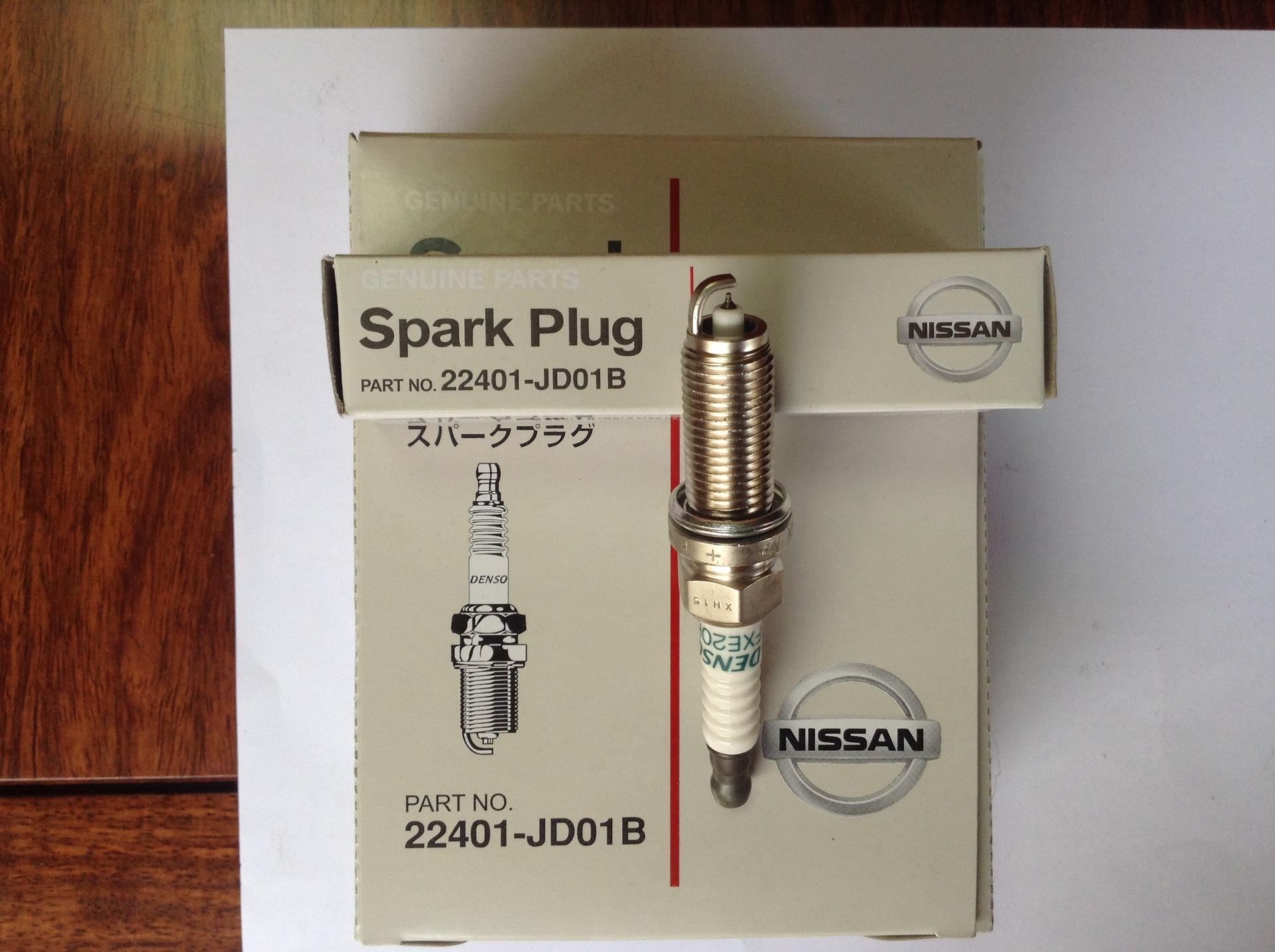
Recognizing the symptoms of failing spark plugs is crucial for maintaining your vehicle’s peak performance, fuel efficiency, and preventing more severe engine damage. These small, yet vital, components are responsible for initiating the combustion process within your engine’s cylinders, directly impacting how smoothly and efficiently your car runs. Ignoring early indicators can lead to a cascade of performance issues, from reduced power output to increased emissions and ultimately, more costly repairs.
What are the Critical Symptoms of Failing Spark Plugs?
The earliest signs of degrading spark plugs often manifest as subtle changes in your vehicle’s drivability. These critical components are integral to the ignition system, generating the spark that ignites the air-fuel mixture in the combustion chamber. When they begin to falter, this ignition becomes inconsistent, leading to noticeable performance issues across various driving conditions.
For instance, a common symptom is a noticeable decrease in engine power, especially during acceleration or when climbing inclines. You might feel a general sluggishness, as the engine struggles to produce the necessary torque due to incomplete or delayed combustion. This inefficiency directly impacts the vehicle’s responsiveness, making it feel less agile and powerful.
Another significant indicator is a reduction in fuel economy. When spark plugs are worn, they don’t ignite the fuel mixture as effectively, meaning more fuel is consumed for less power output. This inefficiency translates directly into more frequent trips to the gas station, increasing your operational costs. Monitoring your average miles per gallon (MPG) can provide an early warning sign that something is amiss with your ignition system, often pointing to issues with the spark plugs. For a deeper dive into these indicators, consider reviewing the 7 Critical Symptoms of Bad Spark Plugs You Shouldn’t Ignore.
How Does a Rough Idle Indicate Bad Spark Plugs?
A rough idle is one of the most immediate and easily recognizable signs of failing spark plugs, directly correlating with an engine misfire. When your vehicle is idling, you might experience a noticeable vibration or shaking that feels inconsistent. This is often caused by one or more engine cylinders failing to fire properly, disrupting the engine’s balance.
Technically, a rough idle is characterized by a vibration exceeding 15 Hz, which is distinct from the normal operational harmonics of a healthy engine. This persistent shaking indicates that the combustion process is not occurring smoothly or uniformly across all cylinders. A faulty spark plug in even one cylinder can disrupt the delicate balance, leading to a palpable roughness felt through the steering wheel, seat, or floorboards.
This condition signals that the air-fuel mixture isn’t being ignited effectively in certain cylinders, leading to incomplete combustion cycles. The engine’s computer attempts to compensate, but the underlying issue persists, resulting in the irregular oscillations. Recognizing this symptom early can prevent further strain on other engine components and avoid more extensive damage down the line, as detailed in our article on Engine Misfire Symptoms.
What Specific Performance Issues Arise from Failing Spark Plugs?
Beyond a rough idle, failing spark plugs significantly impair various aspects of your vehicle’s performance and drivability. One prominent issue is sluggish acceleration. As you depress the accelerator pedal, the engine may hesitate or feel underpowered, failing to respond with the expected briskness. This delay is a direct consequence of inconsistent or weak sparks, leading to inefficient combustion and thus, reduced power output from the engine.
Hard starting is another frustrating symptom. You might find your engine cranking for an extended period before finally catching, especially during cold starts. This occurs because the spark plugs are not delivering a strong enough spark to ignite the air-fuel mixture promptly. A weak spark requires more cranking cycles to achieve the critical ignition threshold, putting additional strain on your vehicle’s battery and starter motor.
Furthermore, an engine with bad spark plugs can experience noticeable power surges or drops while driving, particularly at consistent speeds. This inconsistent power delivery can make the ride feel jerky and uncomfortable, indicating that the combustion process is not stable. These performance issues are not just inconveniences; they signal fundamental problems within the ignition system that can lead to further mechanical complications if left unaddressed.
Are There Diagnostic Trouble Codes (DTCs) Associated with Bad Spark Plugs?
Modern vehicles are equipped with sophisticated On-Board Diagnostics (OBD-II) systems that can detect and report issues with engine performance through specific Diagnostic Trouble Codes (DTCs). When spark plugs begin to fail, they frequently trigger these codes, illuminating the Check Engine Light on your dashboard.
The most common DTC associated with spark plug issues is P0300, which indicates a “Random/Multiple Cylinder Misfire Detected.” This generic code signals that your engine’s Electronic Control Unit (ECU) has identified misfires occurring across multiple cylinders, suggesting a broad problem rather than an isolated incident. While P0300 points to a general misfire, it often correlates with widespread spark plug degradation.
More specific codes, such as P0301, P0302, P0303, and so on (up to P0308 depending on the number of cylinders), pinpoint a misfire in a particular cylinder (e.g., P0301 for cylinder 1, P0302 for cylinder 2). These specific codes can help mechanics quickly diagnose which spark plug, or related ignition component, is the culprit. Utilizing an OBD-II scanner to retrieve these codes provides invaluable diagnostic information, helping to accurately identify and address the root cause of the engine’s performance issues.
When Should You Replace Your Spark Plugs: Understanding Service Intervals?
The lifespan of spark plugs varies significantly depending on their material composition and your vehicle’s manufacturer recommendations. Adhering to these recommended service intervals is paramount for preventing the onset of performance issues and ensuring the longevity of your engine. Most manufacturers provide specific mileage or timeframes for spark plug replacement, which can typically be found in your vehicle’s owner’s manual.
For traditional copper spark plugs, replacement is often recommended every 30,000 to 45,000 miles (approximately 48,000 to 72,000 kilometers). These plugs offer excellent conductivity but wear down more quickly due to the softer nature of copper and higher voltage requirements.
More advanced platinum and iridium spark plugs boast significantly longer lifespans due to their harder, more durable electrode materials. Platinum plugs typically last between 60,000 and 100,000 miles (approximately 96,000 to 160,000 kilometers), while iridium plugs, considered the top-tier in terms of durability and performance, can last an impressive 100,000 to 120,000 miles (approximately 160,000 to 193,000 kilometers) or even more, depending on driving conditions and engine design. Regular adherence to these intervals, as outlined in articles like When to Replace Them for Peak Performance, is key to proactive maintenance.
How Do Different Spark Plug Materials Impact Performance and Longevity?
The material of a spark plug’s electrode significantly influences its performance characteristics, durability, and ultimately, its recommended replacement interval. The three primary types are copper, platinum, and iridium, each offering a distinct balance of conductivity, heat resistance, and wear properties.
Copper spark plugs, with their large copper core, offer superior electrical conductivity, making them excellent for older vehicles or high-performance applications that require a strong, consistent spark. However, copper is a softer metal, making these plugs more susceptible to erosion and requiring more frequent replacement. They are generally the most affordable option but demand shorter service intervals.
Platinum spark plugs feature a platinum disc welded to the center electrode, providing improved durability and resistance to wear compared to copper. This allows for a finer electrode tip, which can lead to a more focused and efficient spark. They offer a good balance of performance and longevity, often being standard equipment in many modern vehicles. Double platinum plugs further enhance durability by applying platinum to both the center and ground electrodes.
Iridium spark plugs are currently at the pinnacle of spark plug technology. Iridium is an extremely hard and dense metal, allowing for the smallest and finest electrode tips. This ultra-fine tip concentrates the electrical field, resulting in a more potent and stable spark, even under extreme engine conditions. Iridium’s exceptional hardness also provides unparalleled longevity, making these the most durable and highest-performing spark plugs available, albeit at a higher cost. Their extended lifespan and superior combustion efficiency often justify the initial investment.
| Spark Plug Material | Typical Lifespan (Miles / Kilometers) | Key Performance Characteristic | Cost (Relative) |
|---|---|---|---|
| Copper | 30,000 – 45,000 miles (48,000 – 72,000 km) | Excellent Conductivity, Strong Spark | Low |
| Platinum | 60,000 – 100,000 miles (96,000 – 160,000 km) | Good Durability, Finer Electrode | Medium |
| Iridium | 100,000 – 120,000+ miles (160,000 – 193,000+ km) | Superior Durability, Ultra-fine Electrode, Potent Spark | High |
What is the typical lifespan of modern spark plugs?
The typical lifespan of modern spark plugs varies significantly based on their material. Copper spark plugs generally last between 30,000 and 45,000 miles (approximately 48,000 to 72,000 kilometers). Platinum spark plugs, offering enhanced durability, typically perform well for 60,000 to 100,000 miles (approximately 96,000 to 160,000 kilometers). The most advanced iridium spark plugs are designed for extended service, often lasting 100,000 to 120,000 miles (approximately 160,000 to 193,000 kilometers) or even longer, depending on the vehicle manufacturer’s specific recommendations and driving conditions. Always consult your vehicle’s owner’s manual for the precise recommended replacement intervals.
Can bad spark plugs cause my check engine light to come on?
Yes, absolutely. Bad spark plugs are a very common cause for the Check Engine Light to illuminate. When one or more spark plugs fail to ignite the air-fuel mixture effectively, the engine’s Electronic Control Unit (ECU) detects a misfire. This misfire registers as an anomaly in the combustion process. The most common diagnostic trouble code (DTC) triggered by such an event is P0300, indicating a “Random/Multiple Cylinder Misfire Detected,” or specific codes like P0301 (for cylinder 1), P0302 (for cylinder 2), and so forth, pointing to a misfire in a particular cylinder. When the Check Engine Light comes on, it’s advisable to have the vehicle diagnosed promptly with an OBD-II scanner.
Is it safe to drive with bad spark plugs for an extended period?
No, it is generally not safe or advisable to drive with bad spark plugs for an extended period. While your vehicle might still operate, continuing to drive with failing spark plugs can lead to a cascade of more serious and expensive mechanical problems. Reduced fuel efficiency will increase your operating costs, and decreased engine performance makes driving less safe due to sluggish acceleration and potential stalling. More critically, unburnt fuel from misfires can enter the exhaust system, potentially damaging expensive components like the catalytic converter, which can cost thousands of dollars to replace. Furthermore, consistent misfires place undue stress on other engine components, accelerating wear and tear. It is always recommended to address spark plug issues as soon as symptoms arise.
How often should I inspect my spark plugs?
While specific replacement intervals are provided by manufacturers, a general visual inspection of your spark plugs can be beneficial every 30,000 miles (approximately 48,000 kilometers), especially for vehicles that use copper or platinum plugs. During a routine service, a technician might remove a few spark plugs to check their condition, looking for signs of fouling, excessive wear, or abnormal deposits. However, for modern iridium spark plugs designed for extremely long lifespans (100,000+ miles), frequent visual inspections are less critical unless you are experiencing noticeable engine performance issues. Always refer to your vehicle’s maintenance schedule for comprehensive guidance on inspection and replacement.