Cleaning corroded car battery terminals is not merely a beneficial DIY maintenance task; it is a critical procedure that ensures your vehicle’s electrical system performs optimally and significantly prolongs the battery’s operational lifespan. This specific maintenance intervention dramatically restores efficient electrical current flow, effectively mitigating potential starting issues that frequently stem from the detrimental accumulation of corrosion. Ignoring this crucial aspect of vehicle upkeep can lead to diminished performance, increased strain on interconnected electrical components, and ultimately, costly repairs or premature battery failure, impacting the reliability of your entire 12V power source.
What Causes Car Battery Terminal Corrosion and How Does It Affect Performance?
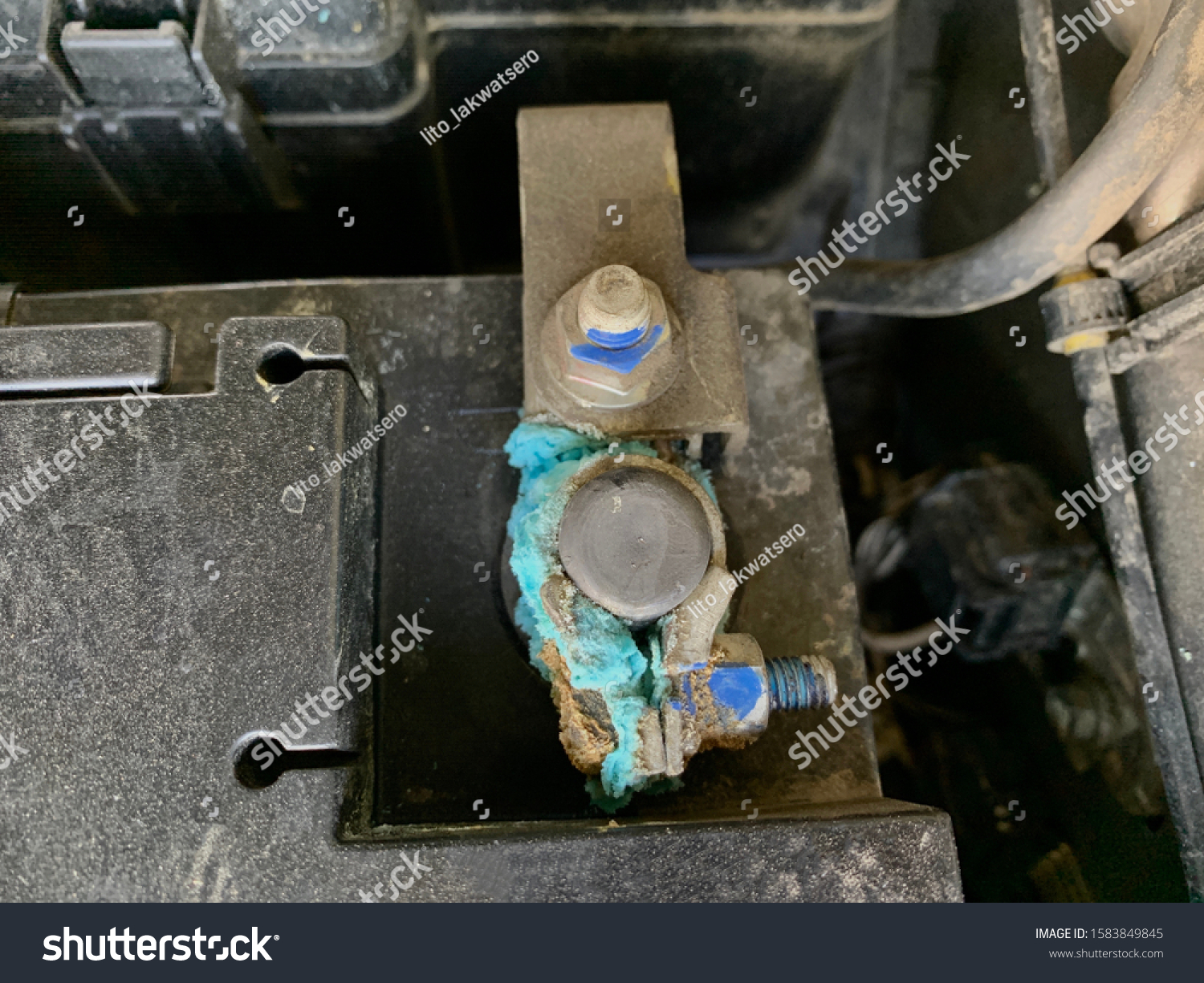
Corrosion on car battery terminals typically manifests as a visible white, blue, or greenish powdery accumulation on the battery’s metallic posts and their corresponding clamps. This ubiquitous buildup is primarily the result of specific electrochemical reactions. Sulfuric acid, the electrolyte within the battery, reacts with the lead alloy of the battery posts and the copper alloy of the terminal clamps. This interaction leads to the formation of compounds such as lead sulfate (PbSO?) on lead posts and copper sulfate (CuSO?) on copper-based clamps. Both lead sulfate and copper sulfate are poor electrical conductors, creating significant impedance and severely impeding the efficient flow of electrical current between the battery and the vehicle’s intricate electrical system. This resistance can escalate the internal temperature of the terminals and reduce the available voltage for essential components.
Environmental conditions critically amplify these corrosive reactions. For instance, extreme temperatures significantly impact battery performance; cold conditions, particularly below 32°F (0°C), can reduce the battery’s starting power by approximately 20%, exacerbating the effects of corrosion by increasing internal resistance. Conversely, hot conditions, especially those exceeding 77°F (25°C), dramatically increase electrolyte fluid evaporation rates, intensifying the concentration of sulfuric acid and accelerating the chemical reactions that cause corrosion. Empirical studies indicate that each increase of 18°F (10°C) beyond 77°F (25°C) can effectively double the rate of evaporation and, consequently, the rate of corrosion. Such accelerated chemical activity directly endangers the structural and functional integrity of the 12V power source, leading to diminishing performance, unreliable starts, and potential battery failure at an accelerated rate.
The immediate consequences of terminal corrosion include a significant decline in electrical conductivity, making it challenging for vital components like the starter motor to receive the adequate 12V current required for reliable engine ignition. This often manifests as slow engine cranking, repeated attempts to start the vehicle, or even complete failure to start. Over time, the persistent failure to address this corrosion places additional, undue strain on the vehicle’s delicate wiring harness, the alternator, and other critical electrical components. This sustained stress can ultimately lead to premature component failure and necessitates costly repairs that could have been avoided with proactive maintenance. For deeper insights into comprehensive cleaning methodologies and robust preventative strategies, please review our detailed guide on How to Clean Car Battery Terminals and Prevent Future Corrosion.
What Tools and Protective Gear Are Necessary for Battery Cleaning?
Before initiating any battery cleaning process, it is absolutely essential to meticulously gather the appropriate tools and, critically, proper personal protective equipment (PPE) to ensure paramount safety while handling potentially harmful substances. Essential tools include a specialized battery terminal brush, typically featuring both a post cleaner and a clamp cleaner, ensuring comprehensive coverage. Additionally, a 10mm or 13mm wrench (depending on the specific battery terminal bolt size, commonly encountered on most automotive batteries) is required for disconnecting terminals. A stiff wire brush, a spray bottle for applying the cleaning solution, a clean rag or microfiber towel, and a container of distilled water for rinsing are also indispensable items for effective corrosion removal.
Regarding personal protective equipment, wearing chemical-resistant gloves is mandatory to shield your hands from direct contact with sulfuric acid and corrosive compounds. Nitrile or neoprene gloves with a minimum thickness of 15 mil (0.38mm) are highly recommended for their superior chemical resistance and durability. Furthermore, using ANSI Z87.1-compliant safety goggles is absolutely vital to protect your eyes from potential acid splashes or airborne particulate matter, which could cause severe irritation, chemical burns, or permanent injury. It is also highly advisable to dress in old clothes, as battery acid is notorious for causing irreversible stains or irreparable damage to fabric upon contact, safeguarding your personal attire from accidental damage.
These stringent safety precautions are imperative, given that standard car batteries contain sulfuric acid, a highly corrosive substance capable of inflicting severe chemical burns upon skin contact. The corrosion itself, consisting of lead sulfate and copper sulfate, can also cause skin irritation and respiratory issues if inhaled as dust. By diligently employing the correct PPE and utilizing the designated tools specifically designed for battery maintenance, you will significantly mitigate the inherent risks involved in handling battery components, thereby ensuring a secure, efficient, and injury-free cleaning process. This attention to detail underscores a professional approach to vehicle maintenance, protecting both the individual and the vehicle’s components.
How to Prepare an Effective DIY Cleaning Solution for Battery Terminals?
To safely and effectively neutralize corrosion on car battery terminals, a potent DIY cleaning solution can be readily prepared using standard, inexpensive household ingredients. The most efficacious mixture consists of baking soda (chemically known as sodium bicarbonate, NaHCO?) and distilled water. Baking soda’s inherent alkaline properties enable it to chemically interact with the acidic corrosion – specifically lead sulfate (PbSO?) and copper sulfate (CuSO?) – thereby neutralizing these compounds into a harmless, easily rinsable by-product, typically carbon dioxide gas, water, and soluble salts. This reaction is visible as fizzing or bubbling upon application, indicating the active neutralization process.
To create this highly effective cleaning solution, a precise ratio is recommended: mix one level tablespoon (approximately 15 grams) of baking soda for every cup (approximately 240 milliliters) of distilled water. For an average cleaning task involving moderate corrosion buildup, preparing about two cups of solution (requiring two tablespoons of baking soda in two cups of distilled water) should prove more than adequate. It is crucial to ensure the complete dissolution of the baking soda by stirring thoroughly until a uniform mixture is achieved, which maximizes its reactive surface area. Storing this solution in a clean spray bottle facilitates targeted application, allowing for even coverage on corroded areas, although it can also be applied with a dedicated brush from an open container.
While various commercially available battery terminal cleaners exist, the baking soda and distilled water solution stands out as both remarkably cost-effective and equally powerful in its corrosive-neutralizing capabilities. It is paramount to utilize distilled water rather than tap water, as tap water often contains dissolved minerals, chlorides, and other impurities that, upon drying, could leave behind new deposits, contribute to future corrosion, or introduce additional contaminants to the sensitive battery terminals. This DIY method thus effectively addresses corrosive buildup without inadvertently introducing new variables that could compromise the long-term health and conductivity of the battery terminals, ensuring a clean and electrically sound connection.
What is the Step-by-Step Process for Safely Cleaning Corroded Battery Terminals?
Cleaning corroded battery terminals is a straightforward process when executed methodically, strictly adhering to established safety protocols. Begin by parking your vehicle on a stable, level surface, ensuring the engine is completely off and all electrical accessories (e.g., radio, lights, climate control) are powered down to prevent any accidental electrical discharge. Crucially, confirm that you are wearing your chemical-resistant gloves (minimum 15 mil nitrile or neoprene) and ANSI Z87.1-compliant safety goggles. Proper preparation is the foundational key to minimizing any risks associated with handling corrosive battery substances and live electrical components.
The initial and most critical step is to safely disconnect the battery from the vehicle’s electrical system. Always commence by loosening and carefully removing the negative terminal clamp, which is consistently marked with a “–” sign and typically attached to a black cable. Once loosened with your 10mm or 13mm wrench, gently lift and position this cable away from the battery to prevent any accidental contact with the battery post or other metallic surfaces. Subsequently, loosen and remove the positive terminal clamp, identified by a “+” sign and connected via a red cable. This specific sequence – negative first, then positive – is absolutely crucial for avoiding potential short circuits that could inflict severe damage to your vehicle’s intricate electrical system or generate dangerous sparks. After both clamps are disconnected, if access for cleaning is restricted, you may gently remove the battery from its tray, though often cleaning can be performed with the battery in situ.
Next, liberally apply the prepared baking soda and distilled water solution onto all corroded areas of both the battery posts and the internal and external surfaces of the terminal clamps. The use of a spray bottle facilitates an even and thorough coverage, or you can apply the solution with a dedicated brush for precision. Observe the solution intently as it reacts with the corrosion; you will typically witness immediate fizzing or bubbling. This effervescence is a direct indicator that the baking soda is actively neutralizing the sulfuric acid and other corrosive compounds, converting them into inert substances. Allow this critical reaction to absorb for several minutes (typically 3-5 minutes) to ensure optimal penetration and effective breakdown of the stubborn corrosive buildup.
Once the visible fizzing or bubbling significantly diminishes, indicating the completion of the primary chemical neutralization, utilize the specialized battery terminal brush to rigorously scrub the battery posts clean, ensuring that every trace of loosened corrosion and powdery residue is thoroughly removed. For the intricate inner areas of the clamps, employ a stiff wire brush to guarantee that all contact surfaces are completely devoid of any remaining corrosive deposits. This meticulous scrubbing is absolutely essential to restore optimal electrical contact and minimize resistance. Afterward, thoroughly rinse the cleaned terminals with clean water—preferably distilled water—to completely eliminate any residual cleaning solution and the dissolved corrosion by-products. Finally, meticulously dry all components with a clean, lint-free rag or towel to prevent new corrosion from forming due to residual moisture, as even trace amounts of water can initiate further electrochemical reactions. For further comprehensive guidance, consider our exhaustive Step-by-Step Guide: How to Safely Clean Car Battery Corrosion.
Before proceeding with reconnection, perform a meticulous final inspection of both the battery posts and clamps to confirm they are absolutely clean, completely dry, and entirely free from any residual corrosion, physical damage, or scoring that might impede electrical flow. Reconnect the positive terminal clamp first, ensuring it is snugly fitted onto the positive post. Subsequently, reconnect the negative terminal clamp to the negative post. Secure both clamps firmly using your 10mm or 13mm wrench, aligning with the vehicle manufacturer’s recommended torque specifications. These specifications typically range between 9 and 14 foot-pounds (12 to 19 Nm). It is critically important not to over-tighten, as excessive torque can cause irreparable damage to the battery posts, potentially leading to internal cell damage or future acid leaks. Conversely, under-tightening can result in poor electrical contact, increased resistance, and subsequent rapid corrosion accumulation, compromising the battery’s performance and longevity.
How Can I Prevent Future Corrosion and Maximize Battery Lifespan?
After successfully cleaning your battery terminals, implementing proactive preventative measures is paramount to significantly inhibit future corrosion and ensure your 12V battery performs reliably over an extended period. A highly effective strategy involves applying a specialized anti-corrosion product to the meticulously cleaned terminals. Available options include dedicated anti-corrosion sprays (e.g., CRC 05046 Battery Terminal Protector), high-quality dielectric grease (e.g., Permatex 22058), or even readily accessible petroleum jelly (Vaseline). These products function by creating a robust barrier that seals out moisture, oxygen, and airborne contaminants—primary drivers of lead sulfate and copper sulfate formation. By applying a thin, even coat over the battery posts and the internal surfaces of the clamps, you effectively enhance electrical integrity and substantially mitigate the risk of future corrosive activity.
Establishing a schedule for regular visual inspections of your battery terminals is crucial, ideally every three to six months. This consistent attention facilitates the early detection of any nascent corrosion before it can escalate into a significant problem, ensuring optimal electrical current flow. Proactive maintenance, far beyond mere periodic cleaning, significantly reduces the chances of unexpected vehicle breakdowns while simultaneously improving your vehicle’s overall economic efficiency. An optimally functioning battery, free from corrosion, delivers consistent and reliable current output without interruptions, thereby diminishing undue wear and tear on critical components such as the starter motor and other sensitive electrical systems. This proactive approach not only extends the battery’s lifespan but also safeguards the longevity of interconnected vehicle parts.
It is important to recognize that various environmental factors, such as extreme temperatures (both hot and cold) and high humidity, profoundly affect battery longevity and the rate of corrosion. Beyond terminal cleaning, comprehensive maintenance requires ensuring your battery is securely mounted within its tray to shield it from damaging vibrations and physical impacts during vehicle operation. Maintaining a clean battery case, free from dirt, debris, and fluid leaks, is also essential. For serviceable batteries (those with removable caps), regularly checking and topping off electrolyte levels with distilled water is a critical component of a thorough maintenance routine. By combining diligent cleaning practices with these robust preventive strategies, you can dramatically extend the operational lifespan and unwavering reliability of your vehicle’s essential 12V power source. For additional indispensable maintenance insights, explore Essential Car Battery Maintenance Tips for Longer Life and Reliability.
Comparison of Battery Terminal Anti-Corrosion Products
| Product Type | Primary Benefit | Typical Cost (Approx.) | Application Method |
|---|---|---|---|
| Dielectric Grease (e.g., Permatex 22058) | Excellent moisture barrier; prevents shorting due to its non-conductive nature on electrical contacts but conductive when compressed. | $5 – $15 (for a 3 oz tube) | Manual application with finger or small brush after cleaning. |
| Battery Terminal Protector Spray (e.g., CRC 05046) | Easy to apply with comprehensive coverage, often color-coded (e.g., red or blue) for clear visibility of application. | $8 – $20 (for a 7-10 oz aerosol can) | Aerosol spray for quick, even coating over posts and clamps. |
| Anti-Corrosion Washers (Felt Pads) | Creates a physical barrier at the base of the terminal; often pre-infused with anti-corrosion chemicals (e.g., acid neutralizers). | $3 – $8 (for a pair of positive and negative pads) | Placed directly onto battery posts before connecting clamps. |
| Petroleum Jelly (Vaseline) | Cost-effective, readily accessible, and provides a simple yet effective moisture barrier against external contaminants. | $2 – $10 (for a standard jar) | Manual application with finger or small brush, similar to dielectric grease. |
How Often Should I Test My Battery Terminals for Optimal Performance?
While visual inspections are critical, regularly testing your battery terminals and the overall battery health provides a more granular understanding of your 12V power source’s condition. It is recommended to test your battery, including the terminal connections, every six months, or more frequently if you observe any performance degradation such as slow cranking or dimming lights. A multimeter is the ideal tool for this task. With the engine off and all accessories disconnected, a fully charged 12V car battery should register between 12.6 and 12.8 volts. A reading between 12.2V and 12.4V indicates a charge level of 50-75%, suggesting a need for charging and further investigation into potential issues, possibly related to increased resistance at the terminals. Readings below 12.0V signify a significantly discharged battery that may be nearing the end of its operational life or facing severe terminal impedance.
To specifically test the efficiency of your battery terminals, you can perform a voltage drop test across the connections. With the engine running, place one multimeter probe on the battery post and the other on the corresponding terminal clamp. A healthy connection should exhibit a voltage drop of no more than 0.1 volts (100 millivolts). A reading exceeding this threshold indicates excessive resistance, almost certainly caused by corrosion or a loose connection at the terminal. This increased resistance impedes the optimal flow of electrical current, forcing the alternator to work harder and potentially leading to undercharging or overcharging issues. This can significantly reduce the lifespan of your battery and other electrical components. For a detailed guide on how to perform these measurements accurately, consult our resource on How to Test a Car Battery with a Multimeter: A Step-by-Step DIY Guide.
Can I Use Coca-Cola or Other Acidic Drinks to Clean Battery Corrosion?
Although some anecdotal suggestions persist regarding the use of Coca-Cola or other equivalent acidic beverages to clean battery corrosion—often citing their phosphoric acid content—this practice is strongly and unequivocally discouraged due to several inherent risks and inefficiencies. While phosphoric acid can react with some metallic oxides, it is generally not effective at neutralizing the specific types of corrosion (primarily lead sulfate and copper sulfate) predominantly found on automotive battery terminals as reliably or safely as alkaline solutions. More critically, these sugary acidic mixtures invariably leave behind sticky, viscous residues. These residues act as magnets for dirt, dust, and other airborne contaminants, which can paradoxically accelerate future corrosion by creating a conducive environment for new electrochemical reactions and impairing electrical contact, thereby endangering long-term battery health and performance.
Instead, the utilization of a solution involving baking soda—a well-established alkaline substance—provides a demonstrably safer, more reliable, and chemically appropriate approach to effectively neutralizing the acidic corrosion on battery terminals. The controlled chemical reaction between sodium bicarbonate and sulfuric acid or lead/copper sulfates specifically targets the corrosive compounds without introducing detrimental by-products. By adhering strictly to best practices and employing appropriate, purpose-designed cleaning agents and techniques, one can not only eliminate existing corrosive buildup with high efficiency but also help ensure optimal long-term battery health and prevent recurring issues, safeguarding the entire electrical system of the vehicle. This method also avoids the potential for additional acidic damage that could arise from applying an inadequately controlled acidic solution.
What Happens If I Don’t Clean Battery Corrosion?
Neglecting battery terminal corrosion can precipitate a cascade of increasingly severe negative outcomes for your vehicle’s electrical system and overall operational reliability. Initially, corrosion significantly degrades electrical conductivity, rendering the battery progressively less capable of delivering the necessary 12V power required to operate the vehicle’s essential systems effectively. This is particularly critical for high-current-draw components like the starter motor, which demands a substantial surge of amperage for engine ignition. Symptoms often first manifest as sluggish or slow engine cranking, requiring repeated attempts to start the vehicle, eventually leading to partial or complete starting failure in more advanced and severe cases. This can leave drivers stranded unexpectedly and necessitate emergency roadside assistance.
Over time, persistent and unaddressed corrosion drastically escalates electrical resistance at the terminal connections. This increased resistance forces the charging system, particularly the alternator, to work considerably harder to maintain the battery’s charge and power the vehicle’s electrical loads. This sustained overexertion can lead to premature failure of either the alternator itself or the starter motor, components that are significantly more costly to replace than performing routine terminal cleaning. Furthermore, prolonged and extensive corrosion can cause severe physical damage, including pitting, erosion, or even structural weakening of the battery posts and terminal clamps, necessitating expensive battery replacement or even repairs to the vehicle’s wiring harness. Maintaining optimal battery terminal function can thus significantly reduce wear on critical components, prevent unexpected breakdowns, and extend the overall lifespan of your vehicle’s intricate electrical infrastructure.
What Are the Signs of a Corroded Car Battery?
The most evident and unmistakable sign of a corroded car battery is the direct visual presence of a powdery substance on the metallic battery posts and their corresponding terminal clamps. This accumulation frequently appears in distinct colors: white (indicative of lead sulfate), blue, or greenish (often signaling copper sulfate corrosion). These visual cues are critical for early detection and prompt intervention. Beyond these overt visual indicators, a driver might notice that the vehicle exhibits difficulty starting, characterized by slow or sluggish engine cranking that requires repeated attempts to ignite the engine. This diminished cranking power is a direct result of the impeded electrical current flow caused by the corrosive resistance at the terminals, reducing the effective voltage delivered to the starter motor.
Other crucial indicators of battery terminal corrosion and compromised electrical integrity include intermittent or noticeably dimming headlights, particularly during engine cranking, or inconsistently functioning electrical components such as the vehicle’s radio, power windows, or dashboard instrumentation. These symptoms arise because the corrosion restricts the consistent delivery of the required 12V current to the vehicle’s various electrical subsystems. Furthermore, an unusual, faint, yet distinctly sulfurous odor emanating from around the battery area can often signal a minor leak of sulfuric acid, which is a common precursor to significant and aggressive corrosion buildup on the terminals and surrounding components. Upon detecting any of these specific signs—whether visual, auditory (slow cranking), or olfactory (sulfurous smell)—it is absolutely crucial to conduct an immediate, thorough inspection and subsequent cleaning of your battery terminals to prevent further degradation and potential system failure.
Is It Safe to Touch Battery Corrosion?
No, directly touching battery corrosion with bare, unprotected hands is definitively unsafe and strongly discouraged. The powdery accumulation found on battery terminals is primarily comprised of lead sulfate, copper sulfate, and other corrosive metallic compounds. These substances, especially when combined with residual traces of sulfuric acid from the battery electrolyte, are chemically active and harmful. Direct skin contact can lead to a range of adverse reactions, including severe skin irritation, painful chemical burns, and potential allergic reactions in susceptible individuals. The corrosive nature of these compounds means they can chemically damage skin tissue upon contact, requiring immediate and thorough washing.
Moreover, if these corrosive residues or any acid splashes inadvertently come into contact with your eyes, the damage can be severe, potentially leading to irreversible vision impairment or blindness without immediate medical attention. The fine powdery nature of the corrosion also poses an inhalation risk if disturbed, potentially causing respiratory irritation. Therefore, it is absolutely imperative to always wear appropriate personal protective equipment—specifically, chemical-resistant gloves (for example, nitrile or neoprene gloves with a minimum thickness of 15 mil to ensure adequate barrier protection) and ANSI Z87.1-compliant safety goggles—when handling, inspecting, or cleaning corroded battery terminals. This strict adherence to safety protocols is paramount to safeguard your health and prevent serious injury from the hazardous materials involved in battery maintenance.