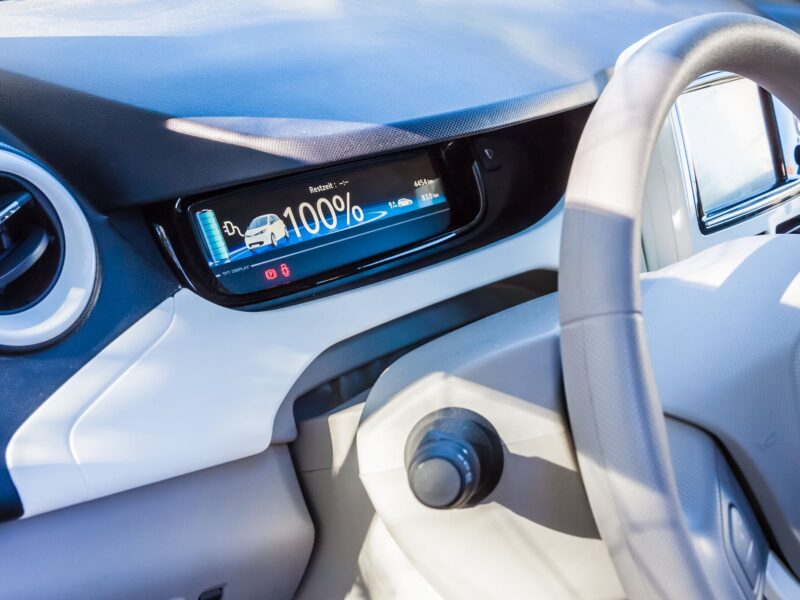
Extending your electric vehicle’s battery life is paramount for maintaining performance, maximizing resale value, and ensuring long-term cost savings. By understanding the intricate factors that influence battery degradation and implementing strategic maintenance practices, you can significantly enhance the longevity of your EV’s most critical component.
This comprehensive guide delves into actionable strategies, from optimal charging habits to environmental considerations, all designed to help you achieve the longest possible lifespan for your EV battery. We will explore the science behind battery health and provide practical advice grounded in verifiable data and expert recommendations.
What Are the Primary Drivers of EV Battery Degradation?
The lifespan of an electric vehicle (EV) battery is not a static figure but a dynamic outcome influenced by a confluence of operational and environmental factors. Understanding these drivers is the first step toward implementing effective preservation strategies. Among the most significant influences is thermal management, as batteries operate most efficiently within a specific temperature range.
Batteries achieve optimal performance and longevity when maintained between 20°C and 25°C (68°F to 77°F). Exposure to extreme temperatures, whether intensely hot or cold, accelerates the degradation process. High temperatures can exacerbate internal chemical reactions, leading to faster capacity fade, while very cold conditions can temporarily reduce performance and, in extreme cases, impact long-term health if consistently subjected to charging in sub-optimal temperatures.
Beyond temperature, the very nature of charging and discharging cycles contributes to wear. Each charge and discharge event, known as a cycle, causes a minuscule amount of stress on the battery’s internal components. While modern battery management systems are designed to mitigate this, frequent deep discharges or consistently charging to 100% can place additional strain on the battery, potentially shortening its overall lifespan.
The chemistry of the battery itself plays a crucial role. Lithium-ion batteries, the predominant technology in EVs, have inherent degradation mechanisms. These include the formation of the solid electrolyte interphase (SEI) layer, lithium plating during rapid charging or low-temperature charging, and electrolyte decomposition, all of which contribute to a gradual loss of capacity over time. While these processes are unavoidable, their rate can be managed through careful usage.
Furthermore, the overall energy throughput – the total amount of energy that has passed through the battery over its lifetime – is a strong indicator of its remaining useful life. As the battery is used to power the vehicle and is recharged repeatedly, it accumulates cycle counts and total energy transferred, leading to the inevitable decline in its ability to hold a full charge. This makes mindful driving and charging crucial for maximizing longevity.
Optimizing Your Charging Strategy for Battery Health
Your charging habits are arguably the most impactful user-controlled factor in extending EV battery life. Adopting a strategic approach to charging can significantly mitigate accelerated degradation. The general consensus among experts is to avoid routinely charging your EV to 100% and to minimize the use of DC fast chargers when not absolutely necessary.
For daily use, it is highly recommended to charge your EV to around 80% of its capacity. Keeping the battery’s state of charge (SoC) within a middle range, typically between 20% and 80%, places less stress on the battery cells. This practice helps to reduce the strain on the electrodes and electrolyte, thereby slowing down the chemical processes that lead to degradation.
While DC fast charging is convenient for long journeys, its high power output generates more heat and can be more taxing on the battery compared to slower AC charging methods. Over-reliance on DC fast charging, especially in extreme temperatures, can contribute to faster battery degradation. It’s advisable to reserve DC fast charging for situations where it’s essential for travel and to opt for Level 1 or Level 2 charging for regular top-ups.
The frequency and depth of charge cycles also matter. Constantly draining the battery to very low levels (e.g., below 10%) and then immediately charging it to full capacity creates more significant stress. By maintaining a more moderate SoC range and allowing for less frequent, deeper cycles, you can help preserve battery health over the long term. Many EVs offer adjustable charging limits and schedules to facilitate this.
Understanding your vehicle’s battery management system (BMS) is also key. The BMS actively monitors battery temperature, voltage, and current to protect the battery from damage. While the BMS is sophisticated, it cannot entirely counteract the effects of consistently poor charging practices. Familiarizing yourself with your EV’s charging settings and recommended practices can empower you to make informed decisions that benefit battery longevity.
The Critical Role of Temperature Management for EV Batteries
Temperature is a dominant force affecting EV battery performance and lifespan, making proactive temperature management a cornerstone of extending battery life. Batteries are sensitive electrochemical systems that perform optimally within a narrow temperature band, with extremes proving detrimental to their health and longevity.
The ideal operating temperature range for most EV batteries is generally considered to be between 20°C and 25°C (68°F to 77°F). Within this range, the chemical reactions that store and release energy occur efficiently, with minimal stress on the battery components. Maintaining this thermal equilibrium is crucial for slowing down degradation processes that are amplified by heat or cold.
Conversely, exposure to extreme temperatures significantly increases battery degradation rates. High ambient temperatures can cause the battery to overheat, especially during charging or rapid discharge (high-speed driving). This elevated temperature can accelerate parasitic chemical reactions within the battery, leading to a more rapid loss of capacity and a potential reduction in its overall lifespan. This is why many EVs have sophisticated thermal management systems to cool the battery pack.
Cold weather also presents challenges. While cold temperatures primarily affect the battery’s ability to deliver peak power and reduce its range, consistent charging in freezing conditions can lead to lithium plating. This phenomenon occurs when lithium ions cannot be properly inserted into the anode during charging, instead depositing as metallic lithium on the anode surface. Lithium plating is an irreversible process that reduces battery capacity and can, in severe cases, pose a safety risk.
To mitigate these effects, it’s beneficial to park your EV in a shaded area or a garage during hot weather to minimize heat absorption. In cold climates, utilizing preconditioning features (warming the cabin and battery before driving) while the vehicle is still plugged in can help bring the battery to an optimal temperature range before you begin your journey, reducing the stress associated with cold starts and charging.
Understanding Battery Warranties and Replacement Costs
When considering the longevity of an EV battery, it’s essential to understand the financial implications of its lifespan, including warranty coverage and potential replacement costs. The average electric car battery warranty typically provides coverage for a significant period, offering peace of mind to EV owners.
Most EV manufacturers offer a battery warranty that extends for 8 to 10 years or approximately 100,000 miles, whichever comes first. This warranty usually guarantees that the battery will retain a certain percentage of its original capacity, often around 70%. This coverage is crucial, as EV battery replacement is a substantial investment.
The cost to replace an EV battery can vary significantly depending on the vehicle’s make and model, as well as the battery’s capacity. However, estimates indicate that replacement costs can average between $3,000 and $7,000. In some luxury or larger-capacity battery vehicles, this cost can be considerably higher, potentially exceeding $10,000.
This highlights the importance of battery health maintenance. By implementing best practices for charging, temperature management, and driving, owners can prolong the useful life of their battery, potentially delaying or even avoiding the need for an out-of-warranty replacement. Understanding the factors that influence degradation allows owners to make proactive choices that protect their investment.
It’s also worth noting that battery technology is continuously evolving, with manufacturers working to improve battery chemistry, manufacturing processes, and software management to enhance durability and reduce costs. As battery technology matures, we can anticipate further improvements in lifespan and potentially lower replacement expenses in the future.
Comparative Analysis: EV Battery Health Factors
| Factor | Impact on EV Battery Life | Optimal Condition | Detrimental Condition |
|---|---|---|---|
| Temperature | Accelerates degradation in extreme conditions. | 20°C – 25°C (68°F – 77°F) | Extreme heat or cold. |
| Charging Habits | Frequent deep cycles and constant 100% charge increase stress. | Charging to 80%, avoiding frequent deep discharges. | Routine charging to 100%, frequent deep discharges. |
| Charging Speed (DC Fast Charging) | Generates more heat and stress on battery cells. | Used sparingly for long journeys. | Over-reliance for daily charging. |
| State of Charge (SoC) | Sustained high or low SoC levels cause electrochemical stress. | Maintaining between 20% and 80% for daily use. | Consistently holding charge above 90% or below 10%. |
| Driving Style | Aggressive acceleration and regenerative braking can increase charge/discharge rates. | Smooth acceleration and deceleration. | Frequent hard acceleration and braking. |
Frequently Asked Questions (FAQs)
How much capacity does an EV battery lose each year?
Under normal operating conditions, an EV battery can be expected to lose approximately 2% to 3% of its original capacity each year. This gradual decline is a natural part of the battery’s aging process, influenced by factors such as temperature, charging patterns, and the number of charge cycles it undergoes. While this loss is incremental, adopting best practices can help minimize the rate of degradation.
What is the average cost to replace an EV battery?
The average cost for replacing an EV battery typically falls between $3,000 and $7,000. However, this figure can fluctuate significantly based on the specific electric vehicle model, its battery capacity (measured in kilowatt-hours), and the labor costs associated with the replacement. For some premium or larger vehicles, the cost could potentially exceed $10,000. This makes understanding battery maintenance crucial for long-term cost management.
What is the typical warranty period for an EV battery?
The standard warranty for an electric vehicle battery usually covers a period of 8 to 10 years or extends up to approximately 100,000 miles, whichever threshold is met first. Manufacturers provide this warranty to cover potential defects or significant degradation in battery capacity, often guaranteeing that the battery will retain a minimum percentage (commonly 70%) of its original capacity within this timeframe.
Can extreme weather conditions damage an EV battery?
Yes, extreme weather conditions can significantly impact EV battery performance and longevity. High temperatures can accelerate the rate of battery degradation due to increased internal chemical reactions. Conversely, while cold temperatures primarily reduce the battery’s available range and charging speed, consistent charging in freezing conditions can lead to irreversible lithium plating, which reduces capacity and can compromise battery health.
What is the ideal temperature range for EV battery operation?
The ideal temperature range for optimal EV battery operation and longevity is generally between 20°C and 25°C (68°F to 77°F). Operating within this temperature band ensures that the electrochemical processes within the battery occur efficiently with minimal stress, thus slowing down the natural degradation process and maximizing performance and lifespan.
Does charging an EV to 100% daily harm the battery?
Routinely charging an EV to 100% every day can contribute to accelerated battery degradation over the long term. Maintaining the battery’s state of charge within a more moderate range, such as 20% to 80%, is generally recommended for daily use as it places less stress on the battery cells. While occasional full charges are acceptable and sometimes necessary, making it a daily habit can shorten the battery’s overall lifespan.
How do DC fast chargers affect EV battery life compared to Level 2 chargers?
DC fast chargers deliver a significantly higher power output than Level 2 chargers, which can generate more heat and place greater stress on the EV battery. While convenient for long-distance travel, frequent and exclusive use of DC fast charging can contribute to faster battery degradation compared to the more gradual and gentler charging provided by Level 2 chargers. It is advisable to use DC fast charging strategically rather than as a primary charging method for daily use.
What is the impact of deep discharge cycles on EV battery longevity?
Deep discharge cycles, which involve draining the EV battery to very low states of charge (e.g., below 10%), can increase stress on the battery cells and potentially reduce its overall lifespan. While modern EV battery management systems are designed to prevent damaging deep discharges, consistently allowing the battery to reach critically low levels before recharging can contribute to accelerated degradation. Maintaining a moderate state of charge is generally better for long-term battery health.
Learn More About EV Battery Maintenance:
- Maximizing Your EV Battery Life: Essential Maintenance Tips for Longevity
- Maximizing Longevity: Understanding and Extending Your EV Battery Lifespan
- Essential Car Battery Maintenance Tips for Longer Life and Reliability