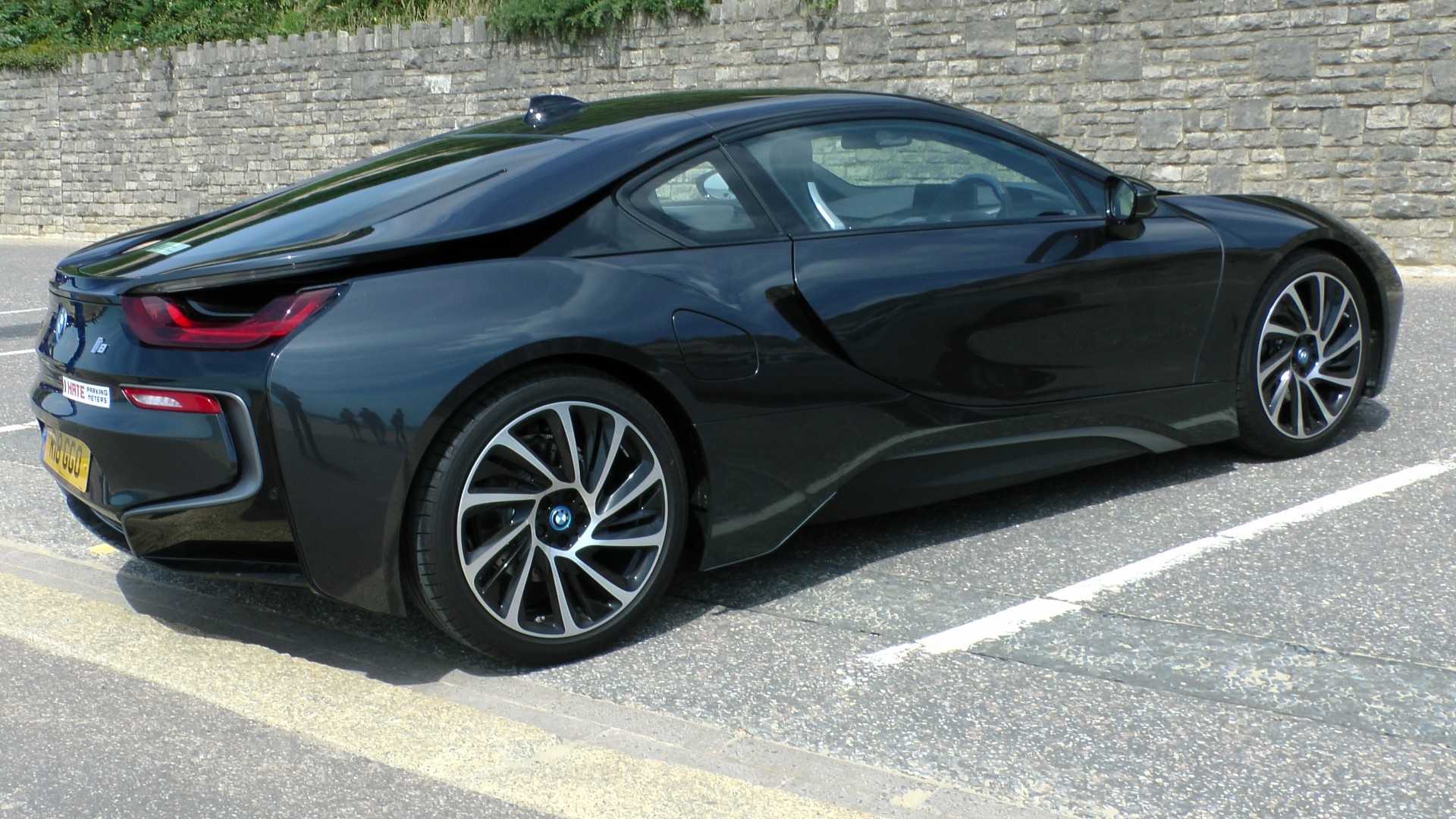
Choosing between summer and all-season tires is a critical decision that profoundly impacts your vehicle’s safety, dynamic performance, and overall driving experience. This choice is not merely a preference but a strategic consideration dictated by specific regional climates, individual driving styles, and the inherent engineering capabilities of each tire type. Understanding the nuanced differences in their tread compounds, patterns, and operational temperature ranges is paramount for making an informed selection that optimizes both vehicle handling and passenger security on the road.
What Are Summer Tires and When Should You Use Them?
Summer tires are meticulously engineered for optimal performance in warmer temperatures, typically above 7°C (45°F). Their specialized tread compounds, often featuring a higher silica content, are designed to remain flexible and grippy under high heat, allowing for superior adhesion to both dry and wet road surfaces. This inherent flexibility translates directly into enhanced braking capabilities, precise steering response, and robust cornering stability, making them the preferred choice for performance vehicles and spirited driving during the warmer months.
The tread pattern of summer tires is explicitly focused on maximizing performance on dry roads. These tires characteristically exhibit fewer, shallower grooves and larger, continuous contact patches, which significantly promote stability and responsiveness, especially during high-speed maneuvers and aggressive cornering. This design minimizes tread squirm, leading to a more direct connection with the road surface and allowing drivers to experience the full potential of their vehicle’s handling dynamics. For enthusiasts and owners of sports cars, high-performance sedans, and track-oriented vehicles, summer tires are often a non-negotiable component for achieving peak driving exhilaration.
Crucially, summer tires are fundamentally unsuitable for temperatures consistently below 7°C (45°F). Below this threshold, their specialized rubber compounds harden significantly, leading to a dramatic reduction in traction, braking efficiency, and overall safety. This hardening effect can transform a high-performance tire into a liability, increasing stopping distances and compromising vehicle control on cold asphalt, even in the absence of snow or ice. Consequently, for regions experiencing distinct winter seasons, a seasonal tire change to dedicated winter tires is imperative to maintain safety and performance, as further detailed in our guide on Preparing Your Tires for Winter: Essential Tips.
What Are All-Season Tires and When Are They Recommended?
All-season tires are engineered as a versatile solution, aiming to provide acceptable performance across a broad spectrum of driving conditions throughout the year. They are particularly advantageous for drivers residing in regions characterized by mild weather patterns, where extreme summer heat or severe winter cold are not typical occurrences. These tires are constructed with a balanced tread compound designed to maintain flexibility in moderate cold while resisting excessive softening in moderate heat. This makes them a convenient “set-it-and-forget-it” option for many drivers, eliminating the need for seasonal tire changes.
The construction of all-season tires typically incorporates a balanced blend of features from both summer and winter tire designs. Their tread patterns often include a higher density of sipes (small, razor-thin slits) and intermediate tread blocks, which are designed to provide enhanced grip on wet roads and in light snow. While these features offer better cold-weather performance than summer tires, they inherently compromise the ultimate dry handling and high-temperature stability that dedicated summer tires provide. For a deeper dive into selecting the right all-season tires for specific vehicle types, such as SUVs, consider consulting resources like Top-Rated All-Season Tires for SUVs: Performance, Durability, and Value.
All-season tires are generally recommended for drivers who prioritize convenience and cost-effectiveness over peak performance in any single condition. They excel in providing reliable traction for daily commuting in varied, but not extreme, weather. However, it is crucial to recognize that “all-season” does not equate to “all-weather.” While they often carry an “M+S” (Mud and Snow) rating, indicating some capability in these conditions, they do not offer the specialized grip and braking performance of dedicated winter tires below 7°C (45°F) or in heavy snow and ice. For sedan owners considering this category, a comprehensive guide like Top Picks: The Best All-Season Tires for Sedans (Buyer’s Guide) can provide valuable insights.
How Do Summer and All-Season Tires Compare in Performance Metrics?
The performance differential between summer and all-season tires is significant and quantifiable across several key metrics, most notably braking distance, lateral grip, and operational temperature range. Summer tires consistently outperform all-season tires in warm, dry conditions, often exhibiting stopping distances that are 5-10% shorter from 100 km/h (60 mph). This superior braking capability is attributable to their softer, more adhesive tread compounds and larger contact patches, which maximize friction with the road surface. In contrast, the more rigid compound of all-season tires in warm weather can lead to slight compromises in this critical safety metric.
Lateral grip, which dictates a vehicle’s cornering ability and responsiveness, is another area where summer tires demonstrate clear superiority. Performance tests often show summer tires achieving 0.90 Gs or more in dry lateral acceleration, compared to 0.80-0.85 Gs for typical all-season tires. This enhanced grip allows for higher cornering speeds and more precise steering feedback, crucial for dynamic driving. All-season tires, by design, sacrifice some of this ultimate grip to gain versatility across a wider temperature spectrum, resulting in a more moderate and predictable, but less aggressive, handling characteristic. This compromise is a direct consequence of their intermediate tread compound and siping designed for light snow and wet traction.
Conversely, in colder temperatures, specifically below 7°C (45°F), the performance gap narrows, and in some cases, all-season tires may offer marginally better grip than summer tires, though still significantly less than dedicated winter tires. This is due to the summer tire’s compound hardening and losing its elastic properties, reducing its ability to conform to the road surface. Fuel efficiency and road noise also present notable differences. Summer tires, with their typically stiffer sidewalls and less aggressive tread patterns, often contribute to slightly better fuel economy (by 1-3%) and lower road noise on dry pavement due to reduced rolling resistance. All-season tires, with their more complex tread designs and siping, can sometimes generate slightly more road noise and incrementally increase rolling resistance, though modern advancements have largely mitigated these effects in premium models. For a comprehensive understanding of tire selection, including various types, refer to How to Choose the Right Car Tires.
What Are the Optimal Temperature Ranges for Each Tire Type?
Understanding the optimal temperature ranges for summer and all-season tires is crucial for maximizing their performance, ensuring safety, and extending their lifespan. Summer tires are meticulously engineered to perform at their peak when ambient temperatures consistently exceed 7°C (45°F). Within this range, their specialized rubber compounds achieve optimal flexibility and adhesion, providing superior grip, shorter braking distances, and enhanced handling characteristics on both dry and wet roads. Below this critical 7°C threshold, the compounds begin to stiffen, drastically reducing traction and increasing the risk of skidding, even on dry pavement. This makes them unsuitable for genuine cold-weather operation, including early spring and late autumn in many temperate climates.
All-season tires, by their very definition, are designed to operate effectively across a broader, albeit less extreme, temperature spectrum. Their optimal performance window generally spans from approximately -7°C (20°F) to 32°C (90°F). Within this range, their intermediate tread compounds offer a balanced compromise, providing adequate grip in mild winter conditions (light snow, slush) and competent performance during moderate summer days. However, it’s vital to acknowledge that this versatility comes with inherent trade-offs: they will not match the extreme cold-weather grip of dedicated winter tires nor the high-temperature dry performance of summer tires. This middle-ground capability is what makes them a popular choice for drivers in temperate zones.
For drivers in regions experiencing significant temperature fluctuations, such as distinct four-season climates, a seasonal tire change from summer to winter tires (or vice-versa) is often the safest and most performance-oriented approach. While all-season tires can manage mild cold, they lack the specific tread compounds and aggressive patterns, including the Three-Peak Mountain Snowflake (3PMSF) symbol, found on true winter tires that are essential for severe ice and snow. The Rubber Manufacturers Association (RMA) highlights that dedicated winter tires can reduce stopping distances by up to 30% compared to all-season tires in snowy and icy conditions below 0°C (32°F), underscoring the limitations of all-season options in true winter scenarios.
Which Tire Type Offers Better Durability and Longevity?
The durability and longevity of summer and all-season tires are influenced by their intended application, tread compound formulations, and typical driving conditions. Generally, all-season tires are designed with a harder tread compound than summer tires, which contributes to increased wear resistance and a longer tread life. Manufacturers often engineer all-season tires to offer treadwear warranties ranging from 60,000 to 80,000 miles (approximately 96,000 to 128,000 km), reflecting their emphasis on extended utility for everyday driving. This longevity is a primary factor in their appeal for drivers seeking a single, long-lasting tire solution.
Summer tires, with their softer, grip-focused compounds, tend to wear more quickly, especially when subjected to aggressive driving or high temperatures. Their primary design objective is maximum performance, not maximum mileage. Consequently, summer tires typically come with shorter treadwear warranties, often in the range of 20,000 to 40,000 miles (approximately 32,000 to 64,000 km), or sometimes no warranty at all on ultra-high-performance models. Furthermore, using summer tires in cold temperatures below their optimal range can accelerate wear due to the compound becoming brittle and more prone to chipping or cracking, further reducing their service life.
However, it is important to consider the total cost of ownership. While summer tires may have a shorter lifespan per set, drivers who seasonally swap to winter tires effectively double their tire investment but also double the lifespan of their “summer” set. This approach means that each set of tires is used only in its optimal conditions, potentially leading to more consistent performance and safety over the vehicle’s lifetime. Conversely, all-season tires offer the convenience of a single purchase, but their compromised performance in extreme conditions might lead to accelerated wear if constantly pushed beyond their design limits, or if driven aggressively year-round. Proper maintenance, including regular rotation and maintaining correct tire pressure, as outlined in any comprehensive tire guide, is crucial for maximizing the lifespan of both types.
Comparative Overview: Summer vs. All-Season Tires
To provide a clear, concise comparison, the following table summarizes key performance attributes and typical characteristics of summer and all-season tires. This data is generalized and specific performance metrics can vary significantly between brands and models.
| Characteristic | Summer Tires | All-Season Tires |
|---|---|---|
| Optimal Temperature Range | Above 7°C (45°F) | -7°C (20°F) to 32°C (90°F) |
| Dry Braking (from 100 km/h) | Excellent (e.g., 35-38 meters) | Good (e.g., 38-42 meters) |
| Wet Braking (from 100 km/h) | Excellent (e.g., 40-45 meters) | Good (e.g., 45-50 meters) |
| Light Snow/Ice Traction | Poor (Not recommended) | Fair (Limited capabilities) |
| Handling/Cornering Grip | Superior (0.90 Gs+) | Good (0.80-0.85 Gs) |
| Tread Compound Flexibility | Soft (for warm temps) | Medium (for broad range) |
| Typical Treadwear Warranty | 20,000 – 40,000 miles | 60,000 – 80,000 miles |
| Road Noise (Avg.) | Low to Moderate | Moderate to Slightly Higher |
| Fuel Efficiency Impact | Slightly Better | Neutral to Slightly Worse |
What Are the Economic Implications of Choosing Summer vs. All-Season Tires?
The economic implications of selecting between summer and all-season tires extend beyond the initial purchase price, encompassing factors such as installation costs, fuel efficiency, and long-term tire lifespan. Initially, a set of premium summer tires might be comparable in price to a set of high-quality all-season tires, typically ranging from $120 to $300 per tire depending on the vehicle type and brand. However, choosing summer tires necessitates the additional expense of a second set of winter tires for cold seasons, effectively doubling the initial tire investment. This also introduces recurring costs for seasonal tire changes, which can range from $80 to $150 per swap, or the investment in a second set of wheels for easier DIY changes.
While the upfront and recurring costs for a two-set system (summer + winter) are higher, there are long-term benefits that can offset some of these expenses. By using each tire type only in its optimal conditions, both sets experience less wear and tear, potentially extending the combined lifespan of the two sets beyond that of a single set of all-season tires used year-round. This means that while you’re buying two sets, they are each lasting longer, potentially balancing out the total expenditure over a vehicle’s ownership period. Furthermore, the enhanced performance of dedicated tires in their respective seasons can also reduce the likelihood of accidents, which carries significant financial implications beyond just tire costs.
All-season tires present a simpler economic model: a single purchase, a single installation, and no seasonal changeover costs. This makes them a more attractive option for budget-conscious drivers or those who prioritize convenience. While their individual tread life warranties are often superior to summer tires (e.g., 60,000-80,000 miles vs. 20,000-40,000 miles), their generalized performance means they may not be as fuel-efficient as summer tires in warm weather, nor as safe as winter tires in severe cold. The minor differences in rolling resistance could lead to a marginal 1-3% difference in fuel consumption over the tire’s lifetime, which can accumulate over tens of thousands of miles. Ultimately, the economic decision hinges on a balance between initial outlay, recurring maintenance, and the value placed on peak performance and safety in specific driving conditions.
Are All-Season Tires Truly Safe in Winter Conditions?
While all-season tires are marketed for year-round use, their safety performance in true winter conditions—specifically heavy snow, slush, and ice—is significantly inferior to that of dedicated winter tires. Most all-season tires carry an “M+S” (Mud and Snow) rating, which indicates a basic level of traction in these conditions due to their tread pattern design. However, this rating does not signify performance in severe cold or icy conditions, as it does not require specific cold-weather testing. The rubber compound of an all-season tire stiffens considerably below 7°C (45°F), losing much of its flexibility and grip, even on dry, cold pavement, let alone snow or ice.
Dedicated winter tires, by contrast, feature specialized silica-enhanced rubber compounds that remain pliable and elastic even in temperatures well below freezing, typically down to -40°C (-40°F). Their aggressive, directional tread patterns with deep sipes are designed to bite into snow and ice, providing vastly superior acceleration, cornering, and crucial braking performance. According to the Rubber Manufacturers Association (RMA), vehicles equipped with winter tires can reduce stopping distances by up to 30% on snowy or icy roads compared to vehicles on all-season tires. This critical difference in stopping power can be the deciding factor in avoiding an accident in challenging winter weather.
Therefore, for drivers residing in regions that experience consistent freezing temperatures, significant snowfall, or icy conditions, relying solely on all-season tires for winter driving is a compromise that can severely impact safety. While they offer convenience, their generalized design means they are a “jack of all trades, master of none.” For optimal safety and performance during winter months, particularly when temperatures consistently drop below 7°C (45°F), the investment in a set of dedicated winter tires, identifiable by the Three-Peak Mountain Snowflake (3PMSF) symbol, is unequivocally recommended. This ensures that your vehicle has the maximum possible grip and control when it matters most.
Can I Mix Summer and All-Season Tires on My Vehicle?
Absolutely not. Mixing different types of tires on a single vehicle, such as combining summer tires with all-season tires, is a dangerous practice that severely compromises vehicle stability, handling, and overall safety. Modern vehicles are designed with integrated safety systems like Anti-lock Braking Systems (ABS), Electronic Stability Control (ESC), and Traction Control (TC), all of which rely on consistent grip levels across all four wheels to function effectively. When tires with differing traction capabilities are mixed, these systems receive inconsistent data, leading to unpredictable and potentially hazardous vehicle responses, particularly during emergency maneuvers or in adverse weather conditions.
For instance, if summer tires are installed on the front axle and all-season tires on the rear (or vice-versa), the vehicle will exhibit drastically different levels of grip and response. In dry conditions, the rear of the vehicle might have slightly less grip due to the all-season tires’ compromise, potentially leading to oversteer or a loss of control. Conversely, in colder or slightly wet conditions, the summer tires will lose traction much faster than the all-season tires, creating a dangerous imbalance. This asymmetry in grip can cause the vehicle to pull unexpectedly, increase braking distances, and make emergency steering inputs highly unpredictable, directly increasing the risk of an accident.
Automotive safety experts and tire manufacturers universally advise against mixing tire types. The only acceptable practice for seasonal changes involves replacing all four tires with a matching set of the appropriate type (e.g., all four summer tires for all four winter tires). Maintaining a consistent tire type, tread pattern, and wear level across all axles ensures that your vehicle’s handling dynamics remain predictable and that its safety systems can operate as intended. Prioritizing consistent tire performance is a fundamental aspect of responsible vehicle maintenance and safety, as highlighted in comprehensive guides on How to Choose the Right Car Tires.